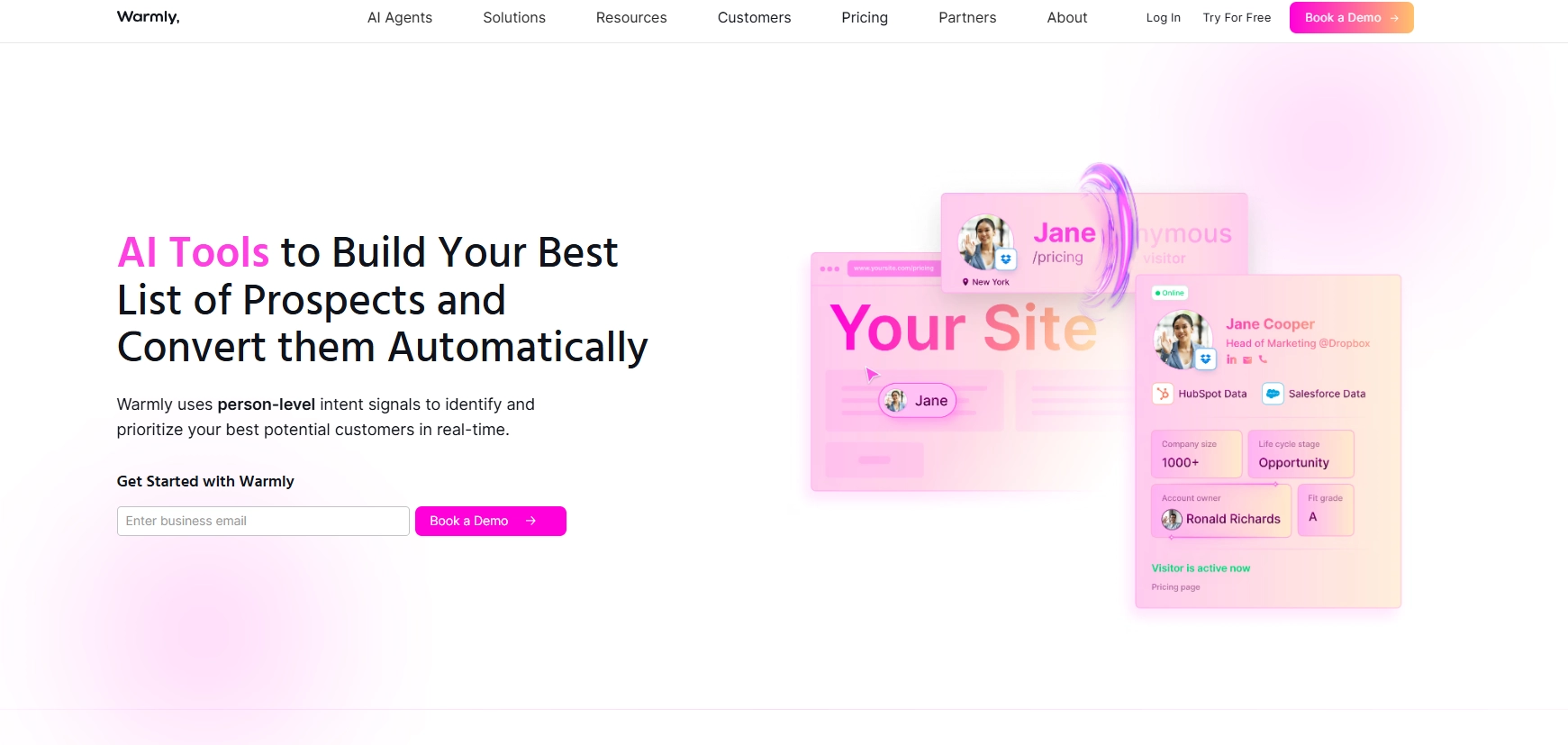
SAN FRANCISCO — October 14, 2025 — Warmly, the leader in AI-powered go-to-market tools, today announced the launch of its Marketing Ops Agent, a first-of-its-kind platform that combines AI enrichments and real-time signal monitoring to automatically build, update, and prioritize a list of the highest-value accounts and contacts for marketing teams.
The launch marks a major milestone for Warmly, which has grown ARR 5× since its Series A and now powers marketing teams for high-growth companies like Workboard, New Relic, and Conversion.ai.
“Traditionally, the process of building a target list can take weeks, involves stitching together the results of several different and complex tools and requires constant manual tweaking. And often, the target list you end up with is still sub-optimal and likely out of date before the end of the quarter.” Said Alan Zhao, Co-Founder and CPO of Warmly. “We fix that problem by giving marketers one, easy to use tool that builds a real-time list of accounts and people that actually want to buy from you.”
The End of Spray-and-Pray: Welcome to “Lean Pipeline”
B2B teams are stuck in a vicious cycle of trying to hit inflated pipeline targets with more ad spend, more outbound, and more tools, only to see sales rate continue to decline, revenue flatline, and the cycle to continue with an even higher pipeline goal.
Warmly’s Lean Pipeline approach breaks that cycle. Marketers don’t need to chase massive pipeline targets, they can focus only on the high-fit accounts and the people with intent to buy.
”Warmly sourced MQLs closed at a 50% higher rate and 30% faster than our other sources” - Stephanie Armand, Sr. Rev Ops Manger, Qase
The Super Marketer
The Warmly Marketing Ops Agent is the first tool built for a new generation of “Super Marketers,” the next $500k+ earners in tech.
"The Super Marketer will become the most valuable asset of high-growth organizations," said Maximus Greenwald, Co-Founder and CEO of Warmly. "Our platform empowers these professionals with the tools they need to identify and convert the right opportunities, and transform marketing into their company’s primary revenue driver."
This new generation of marketers will orchestrate sophisticated, highly-targeted, omni channel campaigns at scale at hyper speed. They’ll be able to single-handedly generate 75%+ of a company's total pipeline by leveraging AI tools like Warmly.
“We were able to replace 4 tools and an entire role within our GTM org with just the Warmly Mar Ops Agent.” - David Chase, CEO, Workboard
In the AI era, pipeline quality is the ultimate competitive advantage. Warmly’s Marketing Ops Agent is available today for all customers and integrates seamlessly with existing Warmly signals, and orchestration workflows.
Are you trying to figure out if 6sense is the right sales intelligence software for your marketing and sales team?
In this honest 6sense review, I’ll go over the platform's features, usability, data quality, integrations, and even customer support to help you make an informed decision.
TL;DR
Range of features: 8/10. 6sense offers a good range of features for sales and marketing teams, most notably their dynamic audience-building and visitor identification software. Despite that, the platform does not provide contact-level data of website visitors and does not have live engagement features.
User interface and usability: 5/10. The platform has a steep learning curve that has been confirmed by multiple users of the software. Building automations with the tool’s orchestrator is not easy in the beginning, either.
Data quality: 7/10. There are negative reviews regarding intent data inaccuracies and duplication issues, but there are still some customers who are satisfied with the tool’s keyword research intent data and other signals.
Integrations: 7/10. 6sense has a good range of native integrations, partnerships, and a whole bunch of other integrations that could already be in your sales stack – but some users have reported difficulties setting up the integrations.
Customer support: 8/10. The platform offers best-in-class account management and customer success, but some of the customer support reps have shown poor product knowledge, according to G2 reviews.
Pricing model: 5/10. 6sense does not have transparent pricing, and 3rd party data shows that their average cost is higher than alternatives on the market – making it too expensive for SMEs. The tool has a free plan but with only 50 credits to spend monthly.
Average rating for 6sense: 6.6. No pun intended.
6sense Overview
6sense is an AI-powered ABM platform that combines B2B data with intent signals to automate your ABM workflows.
The platform can identify the accounts that are most likely to buy so your sales reps can react in time.
The tool has gained recognition for its advertising capabilities, which help you build retargeting campaigns based on its intent data.
I think of 6sense as a platform that is ideal for medium-to-large enterprises looking to Identify surging accounts on their website so their sales team can reach out to them and nurture relationships.
💡 Since this review aims to analyze 6sense in good detail, I’ll be giving my unbiased ratings on the platform’s features, user interface, data quality, integrations, and customer support.
Let’s dive deeper into the software’s sales features: 👇
6sense’s Core Features
1. Get access to in-depth B2B intent data
6sense collects intent signals from multiple sources (the platform claims it analyzes 500B+ intent signals monthly), such as website visits, keyword searches, and engagement patterns of prospects.
This data helps sales teams better understand what their target accounts are researching, allowing them to pinpoint the ones most likely to convert.
Sales teams can then create relevant and highly personalized campaigns accordingly to capture the demand.
2. Lead prioritization dashboards
6sense’s lead prioritization dashboards provide your sales reps with a personalized, 360-degree view of all their deals, accounts, leads, etc.
As a result, your sales reps can identify opportunities in real-time and gain a deep understanding of which accounts to focus on and how.
Moreover, all the essential information is constantly updated, meaning that you’ll always have the most relevant and accurate data.
3. Dynamic audience building
6sense provides your team with 80+ segmentation filters that let you quickly define your ICP and identify accounts that best fit it.
It combines proprietary data with your CRM data and the intent signals it picked up to create detailed account lists that enable you to prioritize high-value accounts.
The software dynamically adjusts account lists by moving accounts to different audience segments based on relevant real-time factors such as changes in their buying stage, annual revenue, keywords they are researching, etc.
4. Marketing orchestration
6sense’s platform lets you create dynamic, always-on campaigns that react to buyer behavior and automatically update audiences as they move through the buying journey.
Your team can automate data enrichment, contact acquisition, audience building, and regular syncs between your sales platforms to save time and keep lead data up-to-date.
Rating: 8/10.
6sense offers its customers a comprehensive range of features for sales teams, such as its visitor identification software, lead prioritization, and dynamic audience building for advertising.
However, the solution can only identify companies visiting your website and not actual stakeholders (i.e., who exactly is visiting your website).
The platform also does not have real-time engagement features, such as some 6sense alternatives on the market (e.g., an AI chat) and has no integration with for automated outreach (only with LinkedIn Ads).
For example, customers of the platform are struggling to identify who is engaged with their company when dealing with larger accounts.
‘’We also do not have contact level reporting of who is actually engaged with our company, which can be challenging when engaging larger accounts.’’ - G2 Review.
6sense’s User Interface: Is It Easy To Use?
6sense’s platform does have a lot of functionality when it comes to automations, reporting, and marketing automations – and all of that comes with a slight learning curve for even seasoned sales professionals.
The software’s numerous features are packed into a rather clunky interface, which even satisfied customers of the platform are criticizing in their G2 reviews.
‘’What I dislike about 6sense Revenue AI for Marketing is that it can be complex to navigate initially, requiring a learning curve to fully leverage all its features.’’ - G2 Review.
When it comes to the platform’s automations with their orchestrations, customers of the platform also note that it has been more difficult for them than they originally suspected.
‘’Orchestrations and workflows with 6sense data were more difficult to implement than expected.’’ - G2 Review.
Rating: 5/10.
As reviewers have pointed out, you’d need to spend some time learning how the platform works so you can fully utilize its marketing and sales features.
In fact, when I opened their G2 profile, ‘’learning curve’’ and ‘’difficulty’’ were part of the 4 most common complaints of customers.
6sense’s Data Quality
6sense gives you access to buyer intent and engagement data with bonus predictive analytics into which stage of the buying journey your prospects are.
But just how accurate is this data?
I was able to find 6sense customers on G2 who have reported issues with the platform’s predictive analytics and intent data, which is described as ‘’directional, and not a crystal ball.’’
‘’From an intent perspective, it is not the end all be all or the crystal ball. It is directional. Also, I do find that the predictive model is generous. For example, if an account hits one of our campaign landing pages, it is suddenly in the 'purchase stage', and we often find that rarely means that an account is ready to send us a purchase order!’’ - G2 Review.
I also found some customers who complained about the tool’s data duplication issues, which has resulted in them having trouble with data reliability.
‘’Data can be a bit cumbersome, and we've had problems with data reliability and creation of duplicates.’’ - G2 Review.
On the positive side, there are customers of 6sense who have massively improved their sales pipeline by tapping into intent data, such as keywords and categories.
‘’6sense has been great in helping us identify segments based on key intent features such as keywords and categories. As a product marketer, it is really important we can identify the ICP and make sure the revenue org can clearly engage with their target accounts based on the topics and keywords they are searching for.’’ - G2 Review.
Rating: 7/10.
Despite 6sense’s negative reviews regarding their intent data inaccuracies and duplication issues, there are still some users who are satisfied with the tool’s keyword research intent data and other signals.
My problem with 6sense, similar to platforms like ZoomInfo, is that the tool’s visitor identification software reveals only companies and not individuals.
Good luck prospecting accounts like ‘’Microsoft’’ or ‘’Meta’’ landing on your website.
6sense’s Integrations
The platform integrates with various sales, marketing, and productivity platforms to centralize and maximize your existing sales tech stack so you can create more engaging campaigns with deeper insights.
The platform offers native integration with their partners: Outreach, Gong, Salesforce, and Salesloft, on top of their integrations with tools like Bombora for 3rd party intent signals.
You can also expect to sync your data with other productivity platforms, including LeanData for AI-powered insights and Reachdesk for perfectly-timed gifting to prospects.
However, customers of the platform have noted that integrating the tool with their existing systems has been challenging for them.
‘’Additionally, integrating it with existing systems can sometimes be challenging.’’ - G2 Review.
Rating: 7/10.
Despite 6sense’s native integrations, partnerships, and a whole bunch of other integrations that could already be in your sales stack – I gave the platform’s integrations a 7 instead of an 8 due to the difficulty of integrating some of the tools with 6sense.
6sense’s Customer Support
Even though 6sense does not disclose what customer support you can expect on its pricing page, I was able to get a good idea of the tool’s customer support from G2 reviews.
Users of 6sense are generally positive about the platform’s level of customer support, noting that they were assigned a customer success manager who has been helping them and responding quickly to their requests.
‘’Even though the tool can be quite daunting because of its depth, having a CSM that can help support us is so helpful. Definitely helpful to just send a quick note and get a response right away.’’ - G2 Review.
This positive perception has been confirmed by both mid-market and enterprise customers of the platform, claiming that they’ve had a good experience with customer support.
‘’We have had great customer support and feel like 6sense is always willing to dive in and collaborate to come up with new ideas or solutions we need.’’ - G2 Review.
Despite that, another Enterprise customer of 6sense mentions that the tool’s regular customer support can be a hit or miss with less product knowledge than their customer success team.
‘’Also, while 6Sense's customer success team is top-notch, their customer support is a bit more hit or miss. Some support reps are real product experts and zero in on solutions to issues quickly. Some… not so much.’’ - G2 Review.
Rating: 8/10.
Even though most users are satisfied with the level of customer support that they were provided on 6sense – it seems like some customer support reps do not have the necessary product knowledge to handle more complex issues.
6sense’s Pricing Model: Does It Provide A Good Value For Money?
6sense offers a free plan that provides:
50 credits/month.
Buyer Discovery.
Contact & Company Data.
Alerts.
List Management.
Chrome Extension.
If you need more, you can upgrade to one of three plans:
Team: Includes everything in Free plus:
Technographics
Psychographics
Web, CRM, and SEP Apps
Add to CRM/SEP
Dashboards
Growth: Everything in Team plus:
6sense Intent (Keywords)
3rd Party Intent
Corporate Hierarchy
Prioritization Dashboards
Enterprise: Everything in Growth plus:
Predictive AI Model
AI Recommended Actions
CRM & MAP Activity
6sense doesn’t disclose prices on its website, so you’ll have to contact its sales for more details.
However, Vendr also provides some helpful insights into 6sense’s pricing policy:
Customers are required to enter into a 2-year agreement with 6sense, a commitment that yields high retention.
In addition, it's important to highlight that potential costs may arise due to usage/overages, upgrades, or downgrades.
Finally, according to Vendr’s data, the average 6sense contract value is$56,762/year.
Rating: 5/10.
The tool does not disclose its pricing, but we were able to find that 6sense is on the higher end of the pricing range when compared to other alternatives on the market.
I do like the fact that the platform has a free plan, but you’ll run out of the 50 credit allowance in a matter of days if not hours.
How Does 6sense Compare To Alternatives On The Market?
💡 Check out our in-depth comparison of 6sense vs. ZoomInfo, where we cover the 2 sales intelligence giants in more detail.
What Are Customers Saying About 6sense?
Throughout this 6sense review, I’ve been showing you some of the users’ opinions on the platform – but let’s dive a bit deeper.
TL;DR: 6sense boasts a highly responsive support team, good segmenting accuracy, and a configurable interface. Despite data, customers of the platform report issues with 6sense’s data exports, limited persona targeting and the cost of the software.
Moreover, its persona targeting is highly limited compared to alternatives on the market.
What users love about 6sense:
Good segmenting accuracy with an interface that can be customized.
Ability to view account engagement and gain insights into their current buying stage.
Highly responsive customer support team and excellent account management.
There were some restrictions in ways you could filter or parse out data for particular programs, which made it, at times, difficult to pull and analyze data. Though it was nice having an optimization team to help, it would've likely been more convenient if there were tools in the platform to help with optimization ideas so you didn't need to join a call when looking for optimization help. - G2 Review.
The export of segments to platforms such as Google Ads and LinkedIn Ads is limited, and getting lots of them for exporting more segments is really expensive. - G2 Review.
Common complaints about 6sense:
Persona targeting is described as limiting with no role or title-based matching.
Limited export of segments to platforms like Google Ads and LinkedIn Ads.
The platform has been described as expensive and not affordable for smaller businesses.
Considering the high degree of configurability for account and intent attributes, persona targeting is shockingly limiting, with no true role or title-based matching. Targeting enterprise companies based solely on persona makes for a lot of waste. Other tools are doing exact title matching and have been for a few years. We've had to purchase additional tools to help with this layer, which means we can't launch ads through 6sense either. - G2 Review.
Verdict: Is 6sense Really Worth It?
So far, I've rated 6sense:
Range of features: 8/10.
User interface and usability: 5/10.
Data quality: 7/10.
Integrations: 7/10.
Customer support: 8/10.
Pricing model: 5/10.
Which gives me an average rating of 6.6/10 for 6sense.
To summarize:
6sense is the ideal choice if you:
✅ Are looking for good B2B intent data coverage, especially in the US region.
✅ Need a reliable marketing automation solution.
✅ Want a platform that can integrate with your advertising channels to create highly targeted campaigns.
6sense isn’t the best option if you:
❌ Are looking for a more budget option, as 6sense is more expensive than some of the other alternatives on the market.
❌ Need more website visitor identification functionality, such as contact-level data.
❌ Need more first-party intent data to identify and reach out to warm prospects.
Looking For A 6sense Alternative?
Despite 6sense’s range of features, good range of integrations and a large library of B2B intent data, some customers are still finding faults with the product’s data quality, pricing model, and ease of use.
Enter Warmly (that’s us) – a signal-based revenue orchestration platform that provides a wide range of features designed to:
Capture warm leads that visited your website (first-party data).
Identify the hottest prospects from those visitors.
Automatically engage and nurture them, helping your sales reps to successfully convert them.
Let’s get a closer look at the functionality that makes Warmly an attractive alternative to 6sense for sales teams: 👇
Our platform can identify both companies and the individual profiles that are browsing your website.
As a result, your reps can focus their efforts on the right stakeholders from the get-go.
With Warmly, you’ll get another ace up your sleeve.
Once it identifies website visitors, the platform proceeds to enrich each visitor with:
B2B data (email address, company name, phone number, industry, size, technographic, etc.).
First-party intent data (details of your visitors’ website sessions, such as visited pages, recurring visits, etc.).
Third-party intent data (insights into visitors’ entire digital buyer’s journey, including visits to competitors’ websites, job change intent, etc.).
This combination of first- and third-party intent data enables you to identify the leads that are most likely to buy right now as Warmly picks up the buying signals they’ve left throughout the web—on your website and beyond.
Your sales reps will be able to recognize who your hottest leads are right now and design tailored strategies for reaching out to them.
Why Is Intent Data Important?
Trying to sell a water bottle to someone who just walked out of their office isn’t the same as selling a water bottle to a runner who just finished a workout.
Understanding intent signals and recognizing them in time lets you:
Qualify and score leads with greater precision and easily identify the hottest leads.
Reach out when their interest level is at its peak.
Create a hyper-personalized approach for each lead based on the contextual insights you have at hand, like which pages they visited, what they searched for, etc.
This helped Behavioral Signals shorten its sales cycle by 50-90% and source nearly $7M in its pipeline.
Platforms that omit intent data from their offering slow your lead generation efforts from the get-go, leaving you without one of the most powerful weapons in sales reps’ arsenals.
2. Build Targeted Lead lists With Coldly
We at Warmly have recently included a static B2B database, Coldly, to help users build highly targeted lead lists more efficiently.
Coldly holds data on 200M+ accounts and contacts worldwide, in addition to having more than 25 built-in B2B data filters and the option for creating customized filters to fit specific business needs and industries.
Moreover, since the data is refreshed daily, you can have peace of mind that all your essential B2B data is accurate, relevant, and up-to-date.
You can do anything from building contact lists to automatically enriching your CRM contacts without spending hours on this.
3. Streamline Sales Engagement Processes
Warmly’s automation features are by far one of the things most customers love about the platform.
Warmly uses intent signals it picks up to build complex workflows on top of them, enabling you to reach out to all the right leads at the best possible time.
It provides several automation features, including:
Orchestrator, which lets you automate email outreach. The Orchestrator is highly configurable, meaning you can set up all the important parameters as you see fit, including:
The action that triggers the workflow (lead matching your ICP lands on your website or a website visitor comes back to your pricing page).
Filters that define which companies and individuals should be included in the workflow (these include everything from company size and industry to job position and seniority, etc.).
The course that the workflow should take (send a contextual email, a personalized DM, or a connection request).
This capability solves for time-to-lead, while SDRs can take over ones that respond and provide a personalized experience.
The AI-powered prospector prevents quality leads from falling through the cracks simply because you didn’t have a sales rep on hand.
💡Note: You will need to be on one of Warmly’s paid plans to gain access to AI Prospector. For ARC, the ROI was 200% over 6 months.
AI Chat, which is an AI-driven chatbot that can be trained to:
Qualify leads.
Answer their questions.
Book meetings.
Offer relevant collaterals.
Engage leads.
Lead routing, which lets you set up real-time Slack notifications that will alert the adequate sales rep whenever a lead matching certain criteria lands on your website or takes a high-intent action.
The combination of these automation features ensures that:
Every high-value lead will be engaged.
Your sales reps will have more time to focus on things that matter than most rather than act as surveillance guards on your website 24/7.
4. Live Video Chat
Engaging your leads while they’re still hot can make the difference between a successfully closed deal and an opportunity that is forever lost.
With Warmly, you won’t have to worry about that, as its Live Video Chat feature lets you engage leads while they’re still visiting your website.
In the “Warm Calls” section of Warmly’s dashboard, your sales team can see who’s visiting your website right now and monitor their session in real-time.
Once you detect a high-intent lead based on Warmly’s insights or a visitor matching your ICP, you can engage them in a video chat immediately.
Alternatively, you can rely on automated lead routing to notify reps whenever a high-value lead ends on your website.
This allows you to monitor their website interactions and hop on a call when they assess the time is right.
Micro: Starts at $333/month when billed annually and adds unlimited seats, 5,000 monthly visitors revealed, first-party intent signals, alerts, and access to Warmly’s extensive database of B2B contact data.
Starter: Starts at $12,000/year, everything in Micro, plus 10,000 monthly visitors, third-party signals, AI Chat, and CRM syncs.
Business: Starts at $19,000/year for up to 10,000 visitors or $28,000/year for up to 75,000 visitors, everything in Starter, plus second-party signals, sales orchestration, and lead routing.
Enterprise: Starts at $30,000/year, lets you identify a custom number of visitors, includes everything in Business, plus custom signals and warm calling.
How Does Warmly Compare to 6sense?
6sense is an excellent option for your business if you are looking for predictive analytics, keyword identification and site heatmaps.
Warmly, on the other hand, shines in finding and engaging prospects who are looking to buy and are likely to respond to your outreach.
Our platform might not have predictive analytics into where customers are in their buying journey or intent data from keywords, but we offer:
Website de-anonymization signals at the contact level.
Automated email retargeting.
Automated DMs retargeting.
Live session replays.
Chat video messaging so you can contact your prospects as they are browsing through your pages (e.g., pricing page).
Find Out Who Your Warmest Leads Are With Warmly
If you’re looking for a purely ABM platform with solid intent data, 6sense might be the way to go for your organization.
The platform’s capabilities of detecting buyer intent on your website are significantly limited compared to Warmly's, as they do not reveal contact-level information.
This limitation also affects 6sense’s marketing automations, which cannot be fine-tuned to engage only the warmest prospects—which your company is mostly interested in.
With Warmly, all that changes.
Our revenue orchestration platform helps you to identify website visitors (to the contact level), detect the hottest leads among them, and engage them via automated outreach sequences perfectly tailored to each lead.
You’ll be able to identify that Joe from Microsoft has been browsing your pricing page and then reach out to him – or why not right on your pricing page with a chatbot or video chat?
If you want to be able to do that, then you can try Warmly for free to start building a steady, warm pipeline in minutes.
Or, book a demo with our team for a personalized tour of all of Warmly’s capabilities.
AI marketing agents are quickly becoming the secret weapon behind some of the smartest campaigns out there.
When it comes to marketing agents, we're not just talking about tools that help.
We’re talking about AI that acts - analyzing data, building strategies, generating content, and making decisions in real time.
If that sounds futuristic, well… it kind of is. But the wild part? It’s already happening.
Teams everywhere - from scrappy start-ups to enterprise giants - are starting to rely on AI agents to handle tasks that used to eat up hours.
The kind of work that used to take a full team, such as automated campaign creation, real-time audience segmentation, and instant performance insights, is now being handled by intelligent, always-on digital assistants.
In this article, I’ll walk you through what AI marketing agents actually do, the most powerful ways they’re being used, and which tools are leading the charge.
Let’s begin!
What Are AI Marketing Agents?
AI marketing agents are intelligent, task-oriented digital assistants powered by AI, designed to perform specific marketing functions autonomously or semi-autonomously.
Unlike traditional marketing tools that require constant manual input, these agents can take action, make decisions, and even adapt their behavior based on real-time data and feedback.
Think of them as mini marketers built with code.
They can write email sequences, A/B test landing pages, launch and optimize ad campaigns, track user behavior, and personalize customer experiences across channels.
Some are designed for one specific job (like optimizing subject lines), while others operate as full-blown strategists, capable of managing entire workflows with minimal oversight.
What sets AI marketing agents apart from traditional marketing tools is their ability to learn and improve over time.
They’re built on machine learning, large language models, and other smart tech, so they’re not just following a script. They’re constantly evolving based on what works and what doesn’t.
Today, they’ve already become more than just an isolated experiment. They’re mainstream. Marketing teams everywhere are treating them as an extension of their workforce.
How Are AI Marketing Agents Revolutionizing Marketing in 2026?
In 2026, AI marketing agents aren’t just helping marketers work faster. They’re actually changing the very nature of marketing.
We’re seeing a shift from reactive marketing to proactive, always-on engagement.
AI agents can detect patterns, predict outcomes, and respond in real time - something no human team could do at scale.
They enable hyper-personalization without burning out your content team. They reduce the guesswork in campaign planning. And they’re making it possible for smaller teams to compete with the big players.
From generating data-driven insights in seconds to running personalized ad campaigns across multiple platforms simultaneously, these agents are giving marketers superpowers.
They’re freeing up human brains for strategy, creativity, and connection - the stuff that really moves the needle.
What Are the Different Types of AI Marketing Agents?
AI marketing agents come in different shapes and specialties. Here are a few of the most common types:
Content generation agents - These tools write blogs, ad copy, emails, social posts, and more. Some can even match brand voice and tone on the fly.
Email marketing agents - Think AI that manages your list, crafts personalized emails, optimizes subject lines, and analyzes open and click-through rates—all without constant oversight.
Ad optimization agents - These handle everything from bidding strategy to A/B testing creatives, using real-time performance data to boost ROI.
SEO agents - Tools that research keywords, optimize content, track rankings, and suggest on-page improvements automatically.
Analytics & insights agents - These turn raw data into meaningful insights, surfacing what’s working, what’s not, and what to do next.
Chat & customer support agents - AI-powered chatbots that go beyond scripted responses, delivering helpful, natural-sounding interactions across touchpoints.
Some platforms even offer multi-agent systems - basically a team of AI agents working together across tasks, communicating and sharing data to make smarter decisions as a unit.
Now that we have that covered, let’s look at the most common use cases for AI marketing agents today.
Top 9 Use Cases of AI Marketing Agents
AI marketing agents are being used across nearly every area of modern marketing, but some use cases really stand out in terms of impact, efficiency, and scalability.
Let’s break down some of the most powerful applications today - the ones teams of all sizes are actively benefiting from.
1. AI Agents for Conversational Marketing & Customer Support
Customer support used to mean live agents and long wait times.
Now, AI marketing agents are powering conversational experiences that feel instant, human, and helpful, whether it's through chatbots, email responses, or voice interactions.
These agents can answer product questions, recommend solutions, upsell based on user history, and even troubleshoot basic issues 24/7.
They’re not replacing your support team but enhancing it, handling the repetitive stuff so your human agents can focus on high-impact conversations.
These chatbots are even more handy when it comes to marketing.
Namely, for marketers, this is a goldmine.
Every interaction is an opportunity to engage, delight, or convert.
With AI agents integrated into your website, CRM, and messaging tools, you can turn support into a proactive channel that drives loyalty and sales.
This chatbot agent is powered by an advanced NLP AI model that can be trained to perfectly fit your brand voice, business objectives, and its designated purpose.
You can train it on your relevant data to make sure it will maintain a consistent tone of voice while tackling a wide range of tasks, such as:
Engaging high-intent leads (e.g., leads that visit your pricing page and stay there more than 10s).
Qualifying leads by asking qualificatory questions (e.g., “What brings you here?”).
Offering relevant collaterals (e.g., a whitepaper on the impact of AI tools on marketing to leads who have visited the feature page of an AI-powered tool).
Answering their queries regarding pricing, features, or other relevant matters.
Booking meetings.
Looping in human SDRs when necessary.
Because it is powered by sophisticated AI, Warmly’s AI Chat can handle a much broader spectrum of actions than regular chatbots while ensuring that each lead interaction is contextual, relevant, and personalized.
The result?
Higher engagement, more booked meetings, and more closed deals.
2. AI Agents for Customer Journey Orchestration
This is where things start to feel like magic.
AI agents can now orchestrate entire customer journeys - from the first touchpoint to post-sale engagement - automatically adapting to individual behavior at every step.
It's like having a hyper-attentive and intelligent conductor directing each customer’s unique path through your funnel.
For example, if someone interacts with your website or engages with your content, the agent might follow up with a retargeted email or DM.
Moreover, the agent personalizes each touchpoint based on every lead’s unique data and preferences, ensuring that the messaging will resonate with them.
These AI agents pick up the high-intent leads Warmly detects on your website and add them to hyper-personalized outreach campaigns via SMS, or email.
They leverage the intent and B2B data Warmly has on each lead to personalize every message, going far beyond the usual first names and company names.
Instead, AI SDRs use more nuanced information, such as leads’ interactions with your website, research of competitors’ websites, etc., to craft compelling and engaging messaging.
Rather than rigid funnels, you get fluid, intelligent experiences that guide leads forward based on real-time behavior.
It’s a huge win for both marketers and customers - less friction, more value, higher open and response rates, and more qualified meetings.
3. AI Agents for Content Creation
One of the most popular and practical uses of AI marketing agents is content creation.
These agents can research, draft, and optimize content across formats, including blog posts, newsletters, social captions, product descriptions, and more.
They save marketers a massive amount of time while helping brands maintain a consistent voice and publishing rhythm.
But they’re not just spitting out generic text.
Today’s content agents understand tone, structure, and audience intent.
You can ask one to write a persuasive product intro for Gen Z buyers, and it will tailor the message accordingly.
Some can even perform SEO research, integrating relevant keywords and optimizing content for search rankings without requiring input from multiple tools.
What makes this use case especially game-changing is how it shifts content from a bottleneck to a growth lever.
Small teams no longer need to outsource or delay publishing schedules.
AI agents can produce first drafts in literal minutes, freeing up human writers to refine, strategize, and focus on higher-level storytelling.
4. AI Agents for Campaign Personalization
Honestly speaking, real personalization at scale used to be a dream.
Now, with AI marketing agents, it’s the default.
These agents can segment audiences in real time, customize messaging based on user behavior, and adapt campaigns as customer data evolves.
It’s like having a personal marketer for every contact in your database.
Warmly’s Orchestrator functions on that principle.
It monitors your website for high-intent leads that match your ICP criteria and includes them in tailored email and campaigns.
Let’s say someone visits your pricing page twice but doesn’t sign up.
Warmly’s Orchestrator agent can recognize this intent and trigger a personalized email with a special offer, a case study, or an icebreaker message without you lifting a finger.
Learn how the Orchestrator helped a LinkedIn marketing agency, Straightin, get $10,000 in revenue in just 2 weeks.
It’s not just automated. It’s contextual and relevant, increasing the likelihood of conversion.
The beauty of this use case is in the blend of automation and intelligence.
We’re moving beyond static drip sequences toward dynamic journeys that adapt to each user.
That’s a massive leap forward for customer experience, and it's why companies using AI for personalization are seeing higher engagement and retention.
5. AI Agents for Ad Campaign Management
Running paid campaigns across Google, Meta, LinkedIn, and TikTok?
That’s a full-time job unless you’ve got an AI ad agent doing the heavy lifting.
These agents can create ad copy, select visuals, test variations, optimize bidding strategies, and monitor performance in real time.
Rather than reacting to ad fatigue or overspending days later, AI agents spot trends and pivot fast.
They might pause underperforming ads automatically or shift budget toward top-performing creatives, all while keeping costs in check and ROI on the rise.
Some even suggest new campaign angles based on historical performance and competitor data.
This use case is especially powerful for performance marketers juggling multiple platforms.
AI agents act like your 24/7 campaign managers, always learning and optimizing. That means more wins, fewer wasted dollars, and a lot less stress.
6. AI Agents for Email Marketing Automation
Email has been around forever, but with AI agents running the show, it feels brand new.
These agents don’t just schedule blasts; they tailor content, adjust send times, craft subject lines, and segment lists based on behavior, engagement, and lifecycle stage.
Imagine having an agent that knows exactly when to send a re-engagement email to a dormant lead or one that notices someone clicked your demo link but didn’t book, then follows up with a persuasive nudge.
AI makes this kind of logic-driven engagement effortless and consistent.
What makes this use case stand out is its compounding effect.
As agents collect more data over time, they get better at timing, tone, and targeting.
That leads to higher open rates, more clicks, and better conversions.
For marketers who rely on email to nurture leads or onboard customers, this is a no-brainer upgrade.
7. AI Agents for SEO Optimization
SEO is one of those marketing pillars that demands a million little tasks, such as keyword research, on-page optimization, internal linking, meta descriptions, content updates… the list goes on.
AI SEO agents streamline all of it. They can audit your site, surface ranking opportunities, suggest improvements, and even generate optimized content based on search intent.
Some go even further by automatically analyzing your competitors, identifying keyword gaps, and recommending backlink strategies.
The best ones even integrate with your CMS to push updates directly, turning what used to be a painstaking process into a near hands-free experience.
The real power here? These agents never stop.
SEO isn't something you do once and walk away from—it’s ongoing. AI agents monitor fluctuations in rankings, adapt to algorithm updates, and fine-tune your marketing strategy in real time.
That’s a level of consistency and speed that’s hard to match without a dedicated (and expensive) SEO team.
8. AI Agents for Social Media Management
Managing social media can feel like shouting into the void, and keeping up with trends, platforms, and algorithms is a job in itself.
AI social agents help take back control. They can create post variations, suggest hashtags, schedule content at optimal times, and analyze performance across multiple channels.
But they’re more than just schedulers and auto-content generators.
Many are now trained on specific tones and voices, so they can write on-brand captions and adapt messaging based on the platform (e.g., casual on TikTok, polished on Social).
Some even monitor comments and DMs, surfacing the most important ones for human follow-up or responding instantly with helpful info.
This use case is especially great for lean teams that don’t have a dedicated social strategist.
With the right AI agent, you can stay active, relevant, and responsive without burning hours every week.
Plus, it gives you real-time insights into what your audience actually cares about.
9. AI Agents for Lead Scoring and Qualification
Your pipeline is only as good as your leads. And AI agents can now qualify, score, and prioritize them better than most humans.
These agents analyze behavioral data, firmographics, engagement history, and more to determine which leads are sales-ready and which need nurturing.
No more wasting time chasing cold leads.
AI agents can flag high-intent prospects the moment they hit key triggers like visiting your pricing page, downloading a whitepaper, or opening multiple emails in a short time.
They can also automatically assign leads to the right rep or segment, keeping your CRM squeaky clean and action-ready.
The best part?
These agents aren’t just rule-based - they’re predictive.
Over time, they learn what behaviors typically lead to a sale and get sharper at spotting them early.
That means your sales team spends more time closing and less time guessing.
The 4 Best AI Marketing Agents on the Market in 2026
There’s no shortage of AI marketing tools out there, but not all of them function like true agents.
The ones below don’t just give you data or spit out content - they take action, make decisions, and deliver results.
So, let’s look at the four best AI marketing agents in 2026, each serving a unique use case.
1. Warmly – For AI-Powered B2B Lead Qualification & Customer Journey Orchestration
Warmly acts as your outbound SDR but smarter and faster.
It identifies high-intent website visitors, qualifies them using detailed B2B and intent data, and instantly personalizes outreach - via email, or AI Chat.
It’s ideal for B2B teams looking to scale personalized sales outreach without scaling headcount.
In addition to its website traffic deanonymization, AI-driven chatbot, SDR agents, and the Orchestrator, Warmly also offers:
Warmly offers a free forever plan that allows you to reveal up to 500 monthly visitors, set up ICP filters to quickly identify high-quality leads, and automate basic lead routing.
If you need more, there are three tiers to choose from:
Data Only: Starts at $499/mo when billed monthly or $4,000 when billed annually, lets you identify up to 5,000 monthly visitors, first-party intent signals, alerts, and access to Warmly’s B2B prospecting database.
Business: Starts at $19,000/year for up to 10,000 visitors or $45,000/year for up to 75,000 visitors, everything in Data Only, plus third and second-party signals, sales orchestration, AI Chat, and lead routing.
Enterprise: Custom pricing, custom number of visitors, everything in Business, plus custom signals and warm calling.
2. Jasper – For AI-Driven Content Creation
Jasper is your go-to AI agent for content production at scale.
Whether you’re creating blog posts, product descriptions, or email copy, Jasper can generate on-brand content fast.
Its workflows and brand voice memory make it perfect for marketers who want consistent messaging across multiple formats and channels.
Its key features include:
Brand Voice - Jasper lets you lock in your brand’s tone, style, and messaging guidelines so every piece of content it generates stays on-brand.
SEO & Performance Mode - Integrated with tools like Surfer SEO and Grammarly, Jasper helps you create content that ranks and reads well. Its “Performance Mode” offers real-time suggestions to improve clarity, tone, SEO score, and conversion potential as you write.
AI image generation - Jasper includes options for creating compelling visuals to go with your content.
Pricing
Jasper.ai has 3 pricing plans:
Creator: $49 month/seat (1 user only).
Pro: $69 month/seat (up to 5 users).
Business: Custom pricing.
Its Creator and Pro plans have 7-day trials, so you can try them on for size before subscribing.
3. Mutiny – For Website Personalization & CRO
Mutiny is a conversion-focused AI agent that personalizes your website content based on visitor segments.
It automatically adjusts headlines, CTAs, and messaging depending on industry, size, or funnel stage.
It’s perfect for SaaS and B2B companies trying to boost conversion rates without hand-coding every variation.
Some of its best features include:
No-code website personalization - Mutiny allows marketers to personalize website content (e.g., headlines, CTAs, and copy) based on firmographics, behavior, or campaign source for different visitor segments without touching code.
Dynamic audience segmentation - Mutiny can identify who’s visiting your site and automatically group them into actionable segments like enterprise prospects, returning visitors, or high-intent leads.
A/B testing & predictive analytics - Mutiny’s A/B testing engine lets you experiment with different variations and then uses AI-powered insights to predict which version will drive better results.
Pricing
Mutiny doesn’t disclose prices.
You’ll have to book a demo or contact its team to get more details.
4. AdCreative.ai – For Automated Ad Creative Generation
AdCreative.ai is built for performance marketers who want high-converting ads without creative burnout.
The AI generates ready-to-launch ad creatives and copy for Google, Meta, and other platforms, then refines them based on campaign performance.
It’s a great choice for agencies or teams managing multiple paid campaigns.
Its key features are:
Generates ads at scale - AdCreative.ai automatically produces high-converting ad visuals and copy for platforms like Google, Facebook, Instagram, and LinkedIn. Just input your product or campaign details, and the AI generates dozens of ready-to-launch ad variations in minutes—great for testing at scale without designer delays.
Performance-based scoring system - Each creative comes with a predictive performance score powered by AI, so you can prioritize the versions most likely to convert.
Seamless integrations with ad platforms & CRMs - AdCreative.ai connects with tools like Google Ads, Meta Ads Manager, Zapier, and HubSpot, allowing you to push creatives directly to your campaigns or workflows.
Pricing
AdCreative.ai has four pricing plans:
Starter: Starting at $39 and going up to $189 depending on the number of ad downloads you want, includes 2 users and 1 brand, in addition to access to all the platform’s AI features.
Professional: Starting at $249/mo and going up to $499/mo, includes 20 users, 3 brands, and access to Pro feature toolkit.
Ultimate: Starting at $599/mo and going up to $1099/mo, includes 50 users and 10 brands.
Enterprise: Custom pricing, has custom limits and advanced security features.
Next Steps: Automatically Engage with High-Intent Prospects on Your Website with Warmly’s AI Agents
By now, it’s clear that AI marketing agents aren’t just helpful assistants.
They’re proactive, intelligent operators that are reshaping how modern teams work, tackling everything from content creation and ad management to email automation and customer journey orchestration.
And when it comes to putting this power to work right now, Warmly is the tool that stands out.
Its AI agents and chatbots are built to identify, qualify, and engage high-intent leads the moment they land on your site, keeping your pipeline moving while letting your team focus on closing deals.
So, if you’re ready to let your website work smarter - as your next ideal customer might already be there - you’ve got two easy next steps:
Book a demo to see exactly how Warmly’s AI agents work in your flow, or
Are you wondering if UnifyGTM is the right fit for your sales efforts or if you should look for an alternative solution?
We researched dozens of platforms, reviewed verified reviews on G2, and talked to sales and marketing leaders to build a list of the 10 best UnifyGTM alternatives in 2026.
This buyer guide covers each tool’s features, pricing, pros/cons, and use cases to help you make an informed decision.
Why Look For UnifyGTM Alternatives?
The lead generation platform has received praise for its ability to identify potential buyers, personalize outreach in email, and streamline your pipeline development.
Despite that, some users of the platform as well as our in-house experts have expressed concerns about the tool’s pricing model and identification capabilities. ⤵️
#1: The Pricing Model Does Not Fit The Budget Of Small Business Owners
The first drawback of UnifyGTM for us is how expensive it can get for small business owners.
A verified user review on G2 notes that their pricing model does not fit their budget and recommends the platform to include a lower budget option for smaller brands.
‘’The only major downside for me is the pricing. While it may be competitive with similar tools, as a small business owner, their pricing model doesn’t quite fit my budget. I would suggest offering a "small business tier" to make it more accessible for companies like mine.’’ - G2 Review.
#2: Limited Identification Features
The 2nd thing that we wanted to touch on was that UnifyGTM has limited functionality for de-anonymizing some visitors at the company level.
Even though the brand claims to offer personal-level de-anonymization, UnifyGTM can only do that through specially marked links via email.
Our in-house experts believe that this is both inconsistent and prone to failure.
#3: Limited GTM Plays
Last but not least, UnifyGTM limits the number of Plays you can run within the platform in the Growth plan (2) and the channels you can use.
Unify’s Plays are crucial for prospecting, qualifying and reaching out to prospects so such a limited number of workflows will push some organizations to look for the more expensive plans.
What Are The Best UnifyGTM Alternatives In 2026?
The best alternatives to UnifyGTM are Warmly, 6sense, and ZoomInfo with their signal-based revenue orchestration solutions and end-to-end sales management capabilities.
Here's a detailed breakdown:
ToolUse CasePricingWarmlySignal-based revenue orchestration: lead scoring, AI SDR, chat, and live lead engagement.Starts from $10,100/year.6senseIdentifying high-intent accounts using predictive analytics and dynamic segmentation.Free plan (50 credits/month); Paid plans: Team, Growth, Enterprise – all custom pricing. ⚠️ Average contract: $123,711/year (per Vendr).ZoomInfoEnd-to-end sales engagement and B2B data enrichment with ad targeting.No public pricing. Pricing depends on features, user licenses, and credit usage. Must contact sales.AlbacrossEU-focused lead enrichment with visitor identification and ad retargeting.Self-service: €79/month (billed annually); Growth: Custom pricing.KoalaProduct usage analytics and intent data to drive upsell and customer retention.Free plan (250 accounts); Growth: $750/month; Business: Custom pricing.Apollo.ioLarge B2B database access with verified contact info and outbound automation.Free plan; Basic: $49/user/month; Professional: $79/user/month; Organization: $119/user/month (billed annually).DemandbaseEnterprise ABM orchestration with personalization, retargeting, and sales insights.Custom pricing. Platform fee + flat user fee depending on scale.UpLeadVerified B2B contact discovery with downloadable leads and credit-based pricing.7-day free trial (5 credits); Essentials: $99/month; Plus: $199/month; Professional: Custom pricing.Seamless AIAI-powered contact data enrichment and prospecting automation with job tracking.Free plan (50 credits); Pro and Enterprise plans: Custom pricing.LushaB2B contact discovery and outreach with AI prospect recommendations.Free plan (50 emails, 5 phone numbers); Pro: $37.45/month; Premium: $59.95/month; Scale: Custom pricing (all billed annually).
#1: Warmly
Warmly offers the best alternative to UnifyGTM as it provides you with the most accurate, real-time, person-level de-anonymization data and signal tracking to help you identify your warmest leads and reach out to them immediately.
Disclaimer: Even though Warmly is our visitor identification platform, we’ll aim to provide an unbiased perspective into why it is the best UnifyGTM alternative on the market in 2026.
Warmly helps you identify individual and company accounts visiting your web pages and proceeds to enrich them with:
B2B data, including contact data, firmographic, technographic, CRM data, etc., that lets you figure out whether they’re a match for your ICP and high-performing accounts.
First-party intent data, which helps you understand how likely they are to buy based on their interactions with your website (visited pages, time spent on each page, recurring visits, downloaded collaterals, etc.).
Second-party data by monitoring your prospects’ and help you find all of the relevant stakeholders of the company.
Third-party intent data, which shows you their readiness to buy by providing actionable insights into their entire digital buyer’s journey, including search history, visits to competitors’ websites, job change intent, etc.
Your team can recognize high-intent accounts from the start—both at the company and individual levels – allowing sales development representatives to focus their efforts on them while they’re still surging.
Orchestrate Sales & Marketing Workflows
Warmly helps you put various parts of your sales and marketing operations on autopilot, enabling your sales development representatives to focus on what matters most—making strategic decisions and converting high-value leads.
Our platform’s Orchestrator enables you to automate and email outreach, as well as CRM enrichment.
Setting up automation within the Orchestrator is easy:
Step #1: Define the trigger that’s going to set off the workflow (e.g. a lead that matches your ICP lands on your website or takes a specific high-intent action like visiting the pricing page more than once).
Step #2: Define your ICP and high-value leads so that the Orchestrator knows who to target (filters you can use include company size, industry, location, tech stack, an individual’s job position, and many more).
Step #3: Specify an action it should take, which can include:
Sending a request and/or personalized DM.
Sending a contextual email.
Syncing relevant data to your CRM to keep your records fresh and relevant.
💡 Unlike UnifyGTM, Warmly offers lead routing functionality that ensures each company and individual account is handled by the appropriate sales rep while their interest is at its peak.
For example, you can set up Slack notifications to alert the right rep when:
An ICP-matching account lands on your website.
Asks a high-intent question in the chatbot.
Takes other relevant action.
As a result, no quality lead will fall through the cracks ever again.
Finally, you can also leverage Warmly’s AI Chat which helps you automatically engage and qualify leads. The chatbot will make sure to:
Ask contextual, relevant questions.
Give correct answers and offer collateral based on the account’s interests and preferences.
Book meetings, and more.
Engage High-Ticket Accounts Live
Being able to detect surging accounts in real-time is good, but it won't do you much good unless you can pounce on them at the right time.
Warmly solves this issue by including a feature that lets you engage leads live – while they’re still browsing your website.
Reps can choose between two options:
Text chat, meaning they’ll replace the chatbot and talk to prospects themselves.
Video chat that lets you hop on a video call straight from Warmly.
This way, instead of booking meetings for who knows when and risking missing the opportunity to convert high-intent leads, you can chat them up while they’re still hot and close more deals effortlessly.
A Daily-Updated B2B Prospect Database: Coldly
Warmly lets you get access to Coldly, a database with 200M+ accounts and contacts that gives your sales team an excellent starting point for prospecting.
Coldly includes all the B2B data your sales reps need to make initial contact, including:
Validated emails.
Phone numbers.
Profiles.
The database also provides 25+ B2B filters and customizable data filters that you can set up, enabling you to build highly targeted prospect lists in a few seconds.
Lastly, Coldly also has a browser extension that lets you scrape essential B2B contact data from any source on the web, including profiles, company websites, etc.
This way, your team will have both accurate contact data at their fingertips and the right tools to pick up buyer intent signals and set up workflows on top of them.
In addition to deep integrations with several lead intelligence and sales platforms, Warmly provides a Warm Bundle—partner discounts for over 25 sales, marketing, and GTM tools.
This way, you can access many relevant tools and combine them with Warmly at a fraction of their usual price.
What Is The Difference Between Warmly & UnifyGTM?
The biggest difference between Warmly and UnifyGTM comes down to data quality:
Warmly does person-level de-anonymization from any source. Our platform also quality checks all of our data and signals using 10+ data providers.
UnifyGTM claims to offer personal-level de-anonymization but can only do that through specially marked links via email. As we already mentioned, we believe this to be both inconsistent and prone to failure.
Warmly sets the standard for de-anonymization of data quality for the industry.
In fact, we invest over $1M per year on data providers and pass the return on that investment directly to our customers.
Access to different intent signals, such as contact level website de-anonymization, third-party research, and monitoring intent signals.
Access to different retargeting automations other than email, including DM retargeting, AI-powered customizable chatbots and Ad retargeting automations.
The ability to send leads to the right salesperson automatically and automatically notify them via Slack with a high-intent lead is active on your website.
A way to instantly engage with your highest intent leads with Warmly’s AI chat, as well as the ability to create a human-to-human connection through video chat on your site.
Access to a cold contact database, including emails, profiles, and phone numbers.
Access to live session replays.
A free email and database that comes with a <1% bounce rate.
A Bombora integration that lets you proactively reach out to your warm leads and track who’s researching terms relevant to your product and brand and get in front of them before your competitors do.
Access to advanced lead routing and round robin.
Pricing
Warmly’s pricing is modular and component-based and comes with a free plan that lets you identify up to 500 website visitors per month.
You can choose the components that best match the needs of your business, as components are priced by output and not just by a monthly fee.
There are 4 paid product plans that you can choose from:
AI Data Agent (Starts at $10,000/yr), which includes 10,000 credits, person-level web visitor de-anonymization (RB2B + Vector data), CRM integration, and access to our Coldly Contact Database.
AI Inbound Agent (Starts at $16,000/yr), which adds a native marketing outbound automation, domain warmup, and lead routing with custom CRM fields.
AI Outbound Agent (Starts at $22,000/yr), which adds automated signal-based outbound orchestration, AI chatbot & live video chat, email automation, automation, and email warmup.
Marketing Ops Agent (Starts at $25,000/yr), which adds AI-powered account scoring, AI enrichments and custom signals, buying committee identification, real-time buying intent signal tracking, and automatic updates across all enrichments, signals, account and lead lists.
➡️ Warmly’s pricing is ideal for larger SMB and MM companies with a growing or mature GTM motion with SDR, sales, and marketing functions.
Pros & Cons
✅ Accurate website visitor identification at both company and individual levels.
✅ Reveals who your hottest leads are right now.
✅ Personalized lead generation and outreach workflows.
✅ Real-time monitoring of visitors’ web sessions with options to engage them via an AI chat or video call.
✅ Transparent pricing model – even at the Enterprise level.
✅ Good range of integrations.
❌ Modular pricing.
#2: 6sense
Best for: Identifying surging accounts on your website that you can reach out to.
Similar to: ZoomInfo.
6sense is an AI-powered ABM platform that combines B2B data with intent signals to automate your ABM workflows.
The platform makes a good alternative to UnifyGTM with its ability to identify the accounts that are most likely to buy so your sales reps can react in time.
Features
The platform tracks 65M+ companies, 600M+ buyer profiles, and 35K+ technologies.
6sense detects website intent and connects it with the rest of the prospect’s customer journey online so you can recognize leads most likely to convert based on their level of intent.
AI-powered predictive analytics helps you predict customers’ future behavior so your sales team can prioritize high-intent leads in advance.
Standout Feature: Dynamic Audience Building
6sense provides 80+ segmentation filters that let you quickly define your ICP and identify the accounts that best fit it.
The software combines proprietary data with your CRM data and the intent signals it picked up to create detailed account lists that enable you to prioritize high-value accounts.
6sense then dynamically adjusts account lists by moving accounts to different audience segments based on relevant real-time factors such as changes in their buying stage, annual revenue, and the keywords they are researching.
Pricing
6sense has a free plan that provides access to 50 credits/month, Buyer Discovery features, access to contact and company data, alerts, and list management functionality with a Chrome extension.
To get more out of the platform, you’d need to be on one of their 3 paid plans:
Team: Custom pricing, which adds technographics, psychographics, access to Web, CRM, and SEP Apps, the ability to add to CRM/SEP, and dashboards.
Growth: Custom pricing, which adds 6sense intent (keywords), 3rd party intent, corporate hierarchy, and the tool’s prioritization dashboards.
Enterprise: Custom pricing, which adds the platform’s predictive AI model, AI recommended actions, and CRM & MAP activity.
6sense doesn’t disclose prices on its website, so you’ll have to contact its sales for more details.
Even though 6sense does not disclose its pricing on the website, Vendr claims that the average 6sense contract value is $123,711 per year out of the 65 deals they have handled for them.
💡 You can check out our in-depth 6sense pricing guide, which covers the platform’s pricing structure in more detail and aims to answer if the tool is worth the cost.
Pros & Cons
✅ Has advertising capabilities, letting you build targeting and retargeting campaigns based on its intent data.
✅ Insightful and actionable data.
✅ Dynamic audience building with 80+ segmentation filters.
❌ Doesn’t identify individual accounts.
❌ The platform can get expensive, which is why some sales teams have been looking for 6sense alternatives.
#3: ZoomInfo
Best for: End-to-end sales management.
Similar to: 6sense.
ZoomInfo offers an all-in-one sales platform that is known for its massive B2B database paired with a wide range of sales and marketing-oriented features.
As such, it’s a good UnifyGTM alternative for businesses looking for a static B2B database first and foremost that gives access to automated multichannel sales workflows.
Features
Massive B2B database with over 260M professional and 100M company profiles and 135M verified phone numbers.
Automated multichannel sales workflows (such as cold email or cold calling campaigns) triggered by specific buying signals from your prospects.
Predictive modelling lets you define and update your ICP, keeping it fresh and relevant based on past won and lost deals and other critical data.
Standout Feature: Ad Targeting
ZoomInfo’s Ad targeting lets you create automated ad campaigns using more than 300 intent signals and company attributes, including ideal accounts and prospects with buying intent signals.
The platform helps you ensure that your ads are displayed to all the right accounts across all relevant channels.
Pricing
ZoomInfo has separate plans for sales, marketing, and talent teams.
Even though no prices are disclosed, we tried to dig as much information in our ZoomInfo pricing guide to help you figure out if the tool’s pricing model works for you.
To summarize, ZoomInfo’s pricing model depends on the:
Features and functionality you need.
Number of licenses.
Credit usage.
Pros & Cons
✅ Excellent B2B data coverage, especially regarding US-based phone numbers.
✅ Wide range of features for handling various sales operations.
✅ Ad targeting functionality that helps you remarket to high-intent leads who visit your website.
❌ The platform can get expensive.
❌ Limited website visitor identification functionality, which is why some brands have been looking for ZoomInfo alternatives.
#4: Albacross
Best for: Lead enrichment for businesses in Europe.
Similar to: Warmly.
Albacross is a data enrichment platform that reveals companies visiting your EU website and enriches them with B2B and first-party intent data.
The platform is a viable alternative to UnifyGTM if you’re looking for a more affordable (yet not as powerful) lead enrichment solution geared toward EU-based prospecting.
Features
Identifies company-level website visitors and enriches them with first-party intent data.
Intent-data-driven ad retargeting helps you display the right ads to the right audience.
Real-time alerts on Slack, Microsoft Teams, CRM, or email when customers who fit your ICP visit your website.
Standout Feature: Auto-Engage
Albacross lets you automatically engage your high-intent leads on email.
The platform’s AI-powered segmentation looks at behavior, engagement, and offsite activity to automatically group prospects based on how likely they are to convert.
Pricing
Albacross has two paid plans:
Self-service: €79 per month when billed annually, which includes up to 100 identified companies, visitor activity, and LinkedIn Ads integration.
Growth: Custom price to identify unlimited companies, which adds API integrations, and dedicated customer success.
Pros & Cons
✅ Intent-data-driven ad retargeting on LinkedIn Ads.
✅ Customers of the platform agree that the platform is user-friendly.
✅ Auto-engage functionality on email.
❌ Reveals only company visitors.
❌ Poor CRM integrations.
#5: Koala
Best for: Gaining insight into product usage paired with intent signals to improve product adoption and up-sell existing customers.
Similar to: Warmly, 6sense.
Koala is a website visitor identification tool that makes it suitable for boosting product engagement and driving cross- and up-selling opportunities rather than traditional lead generation.
The platform makes a viable alternative to UnifyGTM if you’re more interested in cross-selling and up-selling your existing customers.
Features
Reveals website visitors and enriches them with first-party intent data.
Automated ICP scoring enables you to identify and prioritize heating accounts that best fit your ICP.
Tracks product usage data and translates it to actionable insights so you can monitor your customers’ product journeys and detect important milestones in real-time.
Standout Feature: Intent Analytics
Koala’s intent analytics helps you learn what intent converts best on your website – whether it’s your case studies, pricing page, or feature pages.
The platform’s AI-powered Content Reports analyze intent and conversion, and will automatically suggest new signals for you as the tool classifies the content that leads to conversion.
Pricing
Koala offers a free plan for up to 3 seats that lets you reveal up to 250 accounts and get access to the tool’s standard integrations.
To access the platform’s advanced features, you’d need to be on one of their 2 paid plans:
Growth: $750/month when billed annually, which adds 10k Clearbit reveals per month, custom AI agents, 1 CRM connection, and unlimited accounts.
Business: Custom pricing, which adds custom licenses, custom Clearbit limits, lead scoring, and content reports.
Pros & Cons
✅ You can track product usage and translate it into actionable insights.
✅ Automated lead scoring.
✅ You can integrate with multiple CRMs.
❌ No third-party intent data, which is why some brands have been looking for Koala alternatives.
❌ No live engagement features.
#6: Apollo.io
Best for: Getting access to a large B2B database with emails and phone numbers of your ideal customers.
Similar to: Warmly, 6sense.
Apollo.io is a sales intelligence platform that helps businesses uncover leads quickly and access their verified email addresses.
The platform is a good alternative to UnifyGTM with its accurate B2B database of over 275 million contacts and 73 million companies.
Features
Living Data Network that uses AI to provide intelligent recommendations on high-value leads based on past prospecting activities.
Signal-based prospecting combines demographic and behavioral signals to find leads actively researching products or services.
Conduct precise searches for leads and companies using over 65 filters, including contact title, job function, and industry.
Standout Feature: Sales Engagement
Apollo.io helps you automate your outbound by creating multi-step sequences with the power of AI.
The platform also helps you create and test AI-generated emails in your sequences with data from its database.
Pricing
Apollo io's pricing offers a free plan with 10,000 monthly credits, two active sequences, five mobile credits, and 10 export credits per month.
You can also select from the three paid plans:
Basic plan: $49 per user per month, which adds job change notifications, buying intent over 6 topics, and intent filters.
Professional plan: $79 per user per month, which adds 120,000 credits per year, no sequence limits, and uncapped sending limits with SendGrid.
Organization plan: $119 per user per month, which adds buying intent over 12 intent topics, AI-assisted email writing, and call transcriptions.
Pros & Cons
✅ The buyer intent feature identifies companies actively searching for similar services.
✅ The free tier lets you find a significant number of valid emails per month, making it accessible for small businesses.
✅ Sequence automations that help you engage prospects.
❌ Sometimes, errors occur when pushing contacts to CRM, according to G2 reviews.
❌ The platform can get expensive for larger teams, which is why some people have been looking for Apollo alternatives.
#7: Demandbase
Best for: Identifying and targeting the right customers with the right message to support your account-based marketing.
Similar to: Warmly, 6sense.
Demandbase is a solution for ABM teams, boasting a wide range of features designed for sales, marketing, and advertising departments.
It’s a viable UnifyGTM alternative for enterprise companies looking to retarget prospects at scale with relevant messages and provide leads with a tailored website experience.
Features
Account-based marketing orchestration enables you to create customizable workflows aimed at specific accounts/audience segments.
Ad targeting options help sales and marketing teams display personalized ads to high-value accounts.
Real-time website personalization leverages intent and B2B data to provide each target account with a tailored web experience, including everything from messaging and images to offers and CTAs.
Standout Feature: Actionable Sales Insights
Demandbase helps you close more deals by knowing who is ready to buy and when to reach out with deep account insights.
The platform helps you prioritize accounts in your territory using insights from weekly email snapshots that highlight engaged prospects and account activity.
Pricing
Demandbase does not include its pricing, so you’d have to contact their team to get a quote.
➡️ The only thing revealed on its website is that its pricing model includes a platform fee that covers all the essential services and a flat user fee that scales according to your needs.
Pros & Cons
✅ Targeted B2B advertising and retargeting.
✅ Full suite of ABM tools, including account insights, intent data, and personalized campaign orchestration.
✅ Sales insights that your team can use to prioritize accounts.
❌ The platform has a steep learning curve, according to G2 reviews.
❌ On the higher end in terms of pricing.
#8: UpLead
Best for: Generating third-party verified B2B emails and mobile phone numbers of prospects in the market for your solution.
Similar to: Apollo.ai.
UpLead is a B2B lead generation platform built for sales and marketing professionals looking for a reliable and efficient way to connect with high-quality prospects.
The platform makes up to be a viable UnifyGTM alternative, as it guarantees a 95% accuracy rate, ensuring the leads are legitimate and reliable.
Features
Provides access to a comprehensive database of over 160 million business leads from a wide range of industries and company sizes.
The prospect accuracy level is supported by continuous data updates and verification processes.
Uses over 50 customizable filters, like company size, industry, location, job title, and more, to refine your search and identify qualified leads that match your ideal buyer persona.
Standout Feature: Control Your Expenses
As budgeting issues have been a concern with UnifyGTM’s customer base, we decided to include the fact that UpLead allows you to control your expenses by choosing which emails to download.
The way it works is that accept-all and catch-all emails are flagged, and if emails are downloaded, no charges are incurred.
Pricing
UpLead lets you start with a 7-day free trial and grab five credits to evaluate the platform’s capabilities.
After that, you’d need to be on one of the tool’s three paid plans:
Essentials: $99 per month for 170 credits, which adds a CRM integration.
Plus: $199 per month for 400 credits, which adds data enrichment, email pattern intel, technographic, and advanced filters.
Professional: Custom pricing, which adds buyer intent data, access to all search filters, and advanced CRM integrations with full API access.
Pros & Cons
✅ Smooth integration with CRM systems, like HubSpot, allows for efficient data management and follow-up.
✅ Credits are not used when an email is found to be invalid.
✅ Pricing is not based on user seats and you can control your spending of credits.
❌ The difficulty of amending queries midway through the search process requires you to recreate searches from scratch, according to G2 reviews.
❌ Data enrichment and buyer intent data are reserved for the more expensive plans of the platform.
#9: Seamless AI
Best for: Finding the contact information of any prospective buyer.
Similar to: UpLead, Apollo.ai.
Seamless AI offers an AI-powered B2B data provider with an extensive database of 1.3 million contacts and 120+ million companies.
The tool is a viable alternative to UnifyGTM for marketing and sales teams looking for accurate, verified contact data and integrates with their existing B2B sales workflows.
Features
Uses AI to research and verify millions of B2B phone numbers, emails, and direct dials of people and companies in real-time.
Identify and engage with read-to-buy leads at the right time and channel – with 12,000+ topics and industries to choose from.
Track key contacts' job transitions for timely outreach and relationship building with the platform’s Job Changes feature.
Standout Feature: Seamless AI Autopilot
Seamless AI’s Autopilot feature automatically curates a list of prospects based on your ideal customer persona (ICP) and selected criteria within minutes.
The platform lets you build and filter lists of prospects based on specific criteria for targeting the most relevant contacts.
Pricing
Seamless.AI offers a free plan with 50 credits that lets you test out the platform at no cost.
The platform then offers 2 paid plans: Pro and Enterprise with custom pricing, which adds a free admin seat, and more premium integrations.
Pros & Cons
✅ The search feature is fast and accurate.
✅ Cost-effective solution for small and medium-sized businesses, according to G2 reviews.
✅ Seamless AI Autopilot that helps you find contacts that fit your ICP in minutes.
❌ Lack of customization options to narrow down specific leads.
❌ Too many of the core functionalities of the platform are required to be paid for separately as an add-on (e.g., data enrichment, autopilot, job change notifications, etc.)
#10: Lusha
Best for: Identifying the right decision-makers and then reaching out to them.
Similar to: Warmly, ZoomInfo.
Lusha offers a sales solution for B2B teams looking to improve their prospecting efforts by providing them with accurate and up-to-date company and contact data.
The platform adheres to GDPR and CCPA privacy standards, which means that user data is handled securely. It also facilitates data privacy with certifications like ISO 27701.
Features
Analyzes behavioral signals to identify prospects most likely to buy your products or services, so your outreach can be targeted to their needs.
Real-time alerts about job changes within target companies so your team can stay informed about potential decision-makers who are open to engaging with new vendors.
Sophisticated search filters that include industry, revenue, employee count, and more, that let you build highly targeted contact lists quickly. You can then export these lists directly to your CRM.
Standout Feature: Personalized AI Recommendations
With Lusha, your team will automatically receive daily AI-generated prospect lists to help you prioritize and streamline your outreach efforts.
For example, the platform will recommend prospective companies that have recently raised funding and might be looking for a solution like yours.
Pricing
Lusha offers a free plan that lets you try out the tool by getting 50 emails and five phone numbers per month.
Apart from this, the platform offers three paid plans:
Pro plan: Starts from $37.45/month when billed annually for 3 seats with 1,920 emails and 480 phone numbers per year with team management features and intent signals (up to 5 topics).
Premium plan: Starts from $59.95/month when billed annually for 5 seats with 3,840 emails and 960 phone numbers, which adds more advanced team management features and a 20% discount on phone credits.
Scale plan: Custom pricing, which adds a free manager seat, SSO, and more intent signals.
Pros & Cons
✅ Intent targeting enhances the prospecting experiences and improves lead acquisition success rates.
✅ You can create separate contact lists and export data simplifying the sharing of information across the teams.
✅ Personalized AI recommendations so you can stay on top of the latest hot prospects to look out for.
❌ Lack of a mobile app.
❌ Some users report some of the data to be outdated and incorrect – and can greatly vary from industry or region, which is why some people have been looking for a Lusha alternative.
Next Steps: Find out who is on your website and engage them in real-time with Warmly
With UnifyGTM and its alternatives, organizations will often have problems like limited identification functionalities, an expensive pricing model, and limited free usage.
But what if we tell you there’s a platform that can minimize these drawbacks to a minimum while providing you with fast ROI?
Warmly gives you information about all the prospects that come to your website and helps you nurture and convert them into paying customers.
When the data comes from your own website, the possibility of it being wrong is comparatively less.
But Warmly is not a platform that just reveals anonymous website visitors or provides access to leads to go after.
Our revenue orchestration platform does much more:
Website Intent Signals: You can identify potential buyers by tracking their interactions with your website and get insights into their interest level, allowing for timely and targeted outreach.
Coldly Contact Database: Access a wide range of accurate prospect contact details directly from the Coldly database, helping you reach out to the right people.
Meeting Scheduling: Simplify your meeting process with automatic scheduling that removes the back-and-forth, ensuring a frictionless booking experience.
Inbound Chat: Engage website visitors in real-time with intelligent chat features designed to convert inbound traffic into meaningful leads.
The ability to send leads to the right salesperson automatically and notify them via Slack with a high-intent lead is active on your website.
A Bombora integration that helps you proactively reach out to your warm leads and track who’s researching terms relevant to your product and brand and get in front of them before your competitors do.
AI Prospector: Automate the search for high-potential prospects using AI-driven technology, ensuring your sales team focuses on the right opportunities.
You can sign up for Warmly’s free plan and discover first-hand how it can fill your pipeline with qualified leads, or book a live demo to see it in action first.
What you are thinking right now is true – GTM teams have been leveraging the latest AI tools and strategies to level up their sales motion.
Sales, marketing, and GTM teams use AI to book more meetings, identify opportunities they did not know existed before and do what was thought impossible before – personalization at scale.
In this article, I’ll show you how GTM teams are using AI in 2025, going over the 10 most popular use cases I’ve seen work in the industry, as well as 5 examples of real companies getting real results.
But first, let’s start with the basics: 👇
How is AI being used in GTM in 2025?
Artificial intelligence is being used by GTM teams to save time and boost productivity by automating tasks (such as reaching out to prospects), personalizing outreach or the website altogether, and identifying revenue opportunities.
The technology enables businesses to make more data-driven decisions and helps you prioritize the leads and opportunities that matter – with targeted outreach and personalized experiences.
➡️ The way our GTM team has structured our sales workflow at Warmly is that we use AI for cold and lukewarm leads so our humans can focus on the ‘’hot’’ leads.
How is AI transforming GTM?
AI is revolutionizing GTM operations by introducing a concept that was believed to be fiction just a few years ago: automation and personalization at scale.
GTM teams can better optimize their resource allocation, such as enabling their human sales team to work on the high-intent leads, instead of spending hours on manual cold outreach.
What are the advantages of using AI in your GTM strategy?
The main benefits of using AI in your GTM strategy include:
Saving time from manual work so your GTM team would have done themselves, either way, such as researching prospects or preparing for calls.
Working non-stop for you, instead of 9-5, such as AI chatbots, which we will discuss later. This will allow you to capture the right timing as well.
Getting data-driven insights, such as internal information from your CRM, to predict lead behavior.
Saving money from having to hire more sales reps to reach out to more prospects or do more manual work.
Personalization at scale: AI technology enables personalized outreach and customer experiences (e.g., seeing a tailored version of your website) at scale.
Top 10 use cases of AI in GTM with the best tool for each
Now that we’ve got the fundamentals out of the window, I’d like to walk you through the top AI use cases for GTM teams that I’ve seen work best in the industry:
#1: Reach out to prospects who visit your website automatically
Your team can use AI-powered GTM software to reach out to your warm prospects who visit your website on autopilot.
Here’s a workflow that we have been working on with 11x’s AI sales agents to create:
Instead of your GTM team manually reaching out to prospects after identifying them with visitor identification software like Warmly, 11x’s AI SDR uses Warmly’s warm prospect data to prioritise contacts based on intent signals, such as:
Website activity (e.g., visited your pricing page).
Chatbot interactions.
Research intent.
Email engagement.
Recorded activity in your sales CRM.
And then automatically reach out to them on your behalf.
Warmly de-anonymizes your website visitors (both organizations and specific people within that company so the outreach can be more targeted).
Our software filters leads based on intent signals and any existing segmentation rules that you’ve set up in your account.
The prospects are then funnelled to the best-fit outreach path based on their intent.
➡️ We prefer using this workflow for the warm leads, not cold or hot leads.
Warm leads are showing some intent signals, but they are not ready to buy yet, which is why we prefer using 11x’s sales agents to do automatic LinkedIn and email outreach in high volumes.
This workflow can also be customized. You can use segments to narrow down your leads to people who’ve fulfilled specific intent signals.
For example, you can create an AI SDR campaign for leads who have researched your competitors or prospects who have already interacted with your website’s AI chat.
Our partnership with 11x does not aim to create a spammy AI sales agent that would just bombard your prospects with emails.
➡️ Our AI sales agent has built-in quality checks to ensure that every message you send out is effective, compliant, and aligned with your brand voice.
Your GTM team will be able to focus on nurturing high-priority leads by leaving the legwork to 11x’s AI SDRs.
Book a demo to find out more about this sales workflow that can book you meetings with qualified leads on autopilot using intent data.
#2: Set up an AI chat on your website to engage with visitors
Another AI use case for GTM teams is to set up an AI-powered sales chat that can engage with high-intent and target accounts visiting your website.
The good thing about these AI-powered chatbots is that you can customize (no-code) how you want them to interact and in what scenarios they should engage with visitors.
For example, Warmly’s AI chat for GTM teams can be customized to run:
For specific target audiences (e.g., company size <1,000).
With a condition, such as prospects being on the Pricing page.
The specific message you want it to start with, and then the routing rules.
The goal of the AI-powered sales chat is to answer commonly asked questions and to either try to book meetings or route to a human sales agent.
But our AI sales chat is not just another chatbot from the dozens of chatbots in the market that you hear about.
It can automatically scrape the website information of your accounts and combine that with metadata across your systems to construct personalized chat messages to your prospects.
#3: Go after leads that aren’t visiting your site but are showing research intent
One of my personal favourite AI use cases for GTM is its ability to automatically go after leads that aren’t visiting your site but are showing research intent.
Here’s how you can do that with Warmly’s Bombora integration:
1️⃣ Specify up to 10 research topics you want to target, such as product keywords, pain points, competitors, etc.
2️⃣ Filter by audience (ICP), such as sales directors, demand gen leaders, etc.
3️⃣ Based on your filters, Warmly finds your leads and pushes those leads to your CRM
4️⃣ Connect those segmented leads to LinkedIn Ad Retargeting Tools: Build 1:1 ads that target these leads showing interest (i.e., research intent).
This will help you max out your sales opportunities by targeting lukewarm leads who are shopping around for solutions like yours, but are not aware of your product.
➡️ We also like to combine that workflow with Warmly’s automatic email outreach.
Warmly makes it easy to get your product in front of people who are actively researching topics related to your brand.
In 2025, it’s important to start warming up those leads and jump in with stronger messaging when they’re showing even warmer signals.
#4: Get up to speed on opportunities with sales forecasting
AI-powered sales forecasting utilizes machine learning (ML) algorithms to analyze large sets of data to identify patterns and trends that can help your sales team predict future sales performance.
Sales tools like Gong AI leverage a variety of signals to help your sales team predict which customers are likely to convert.
The way it works is that the platform uses 300+ unique signals within your CRM data and customer interactions to help you create accurate deal and sales forecasts.
These tools can also alert your GTM team when a deal is close to being lost and highlight potential causes to help your human sales team address them on time.
Gong also provides you with an AI-powered sales projection based on the probability of the leads closing, so you can keep track of your target for the quarter.
#5: Researching prospects before reaching out to them
Another AI use case for GTM teams is the ability to scale account research for your team so they can send relevant messages.
There are tools like UnifyGTM that have an AI sales agent, which can scrape your prospects’ websites, browse the Internet, and pull CRM data to help you learn more about your leads.
The sales tool automatically triggers research when a buyer or company meets specific criteria that your sales team has set.
It then goes on to scrape their website, search the web, and analyze data to learn more about the prospect.
The sales agent then combines contact, LinkedIn, and CRM data to help your team personalize the messaging to each prospect.
Alternatively, there are AI tools like Clay that research each prospect in-depth and then let you ask the AI agent questions about the prospects, such as whether they are hiring at the moment.
For example, something I’m always keen on knowing is whether my prospects are hiring at the moment, which signals to me that they have a budget to spend.
#6: Personalizing outreach
Another AI use case for GTM teams is personalizing your outreach, on either email or LinkedIn.
For example, a tool like 6sense combines its 6sense Signalverse data, 6AI, and your organization’s content library to automate and tailor email workflows at scale.
The software lets your GTM team personalize cold or warm emails being sent out with information, such as:
The lead’ company, industry, or job.
Insights from the prospect’s LinkedIn account.
Specific keywords that the tool has figured out that the prospect is interested in (e.g., visitor identification software).
6sense’s AI sales agent helps your GTM team generate and then sends emails that are personalized to your leads using the tool's out-of-the-box agent playbooks.
➡️ What stands out to me about 6sense is that it also improves your email deliverability by utilizing custom sending domains and contact validation rules.
#7: Send personalized video messages to your prospects
Seasoned GTM leaders know the effectiveness of video messages, especially when you’re trying to show your prospects how they can level up their game with your solution.
With the introduction of AI-powered tools like Vidyard, your GTM team can scale personalized video outreach to boost both productivity and reply rates from prospects.
Vidyard lets your GTM team create and send AI-generated video messages to leads even when they're not available to record in person.
The way it works is that your human team creates a custom AI Avatar by recording a 90-second training video or selecting from a library of stock Avatars.
The platform then generates a script, which can be written manually or created using Vidyard's AI-powered script generator.
The AI Avatar records the video, which can be personalized with your lead data.
Videos can then be created and shared with your prospects directly from browser extensions or integrated sales tools, such as Apollo, Salesloft, and Outreach.
#8: Personalize your website to your leads
AI is now capable of personalizing your prospect’s website experiences in real-time by displaying dynamic content and customized landing pages based on user behavior.
This kind of personalization can improve user experience, increase time spent on-site, and generate more pipeline by making every visitor see a different version of your website.
The technology achieves this by analyzing your website visitors’ buying intent and engagement levels on your website, so every visitor sees content that aligns with their interests.
➡️ For GTM teams, this can mean dynamically adjusting case studies and offers to match industry-specific use cases.
A software I know that can do this is Demandbase, which leverages buying intent and B2B data to provide each target account with a tailored web experience, including messaging, images, offers and CTAs.
The platform provides you with a no-code landing page editor, where you can select how you want to customize your website.
#9: Generate landing pages for different B2B ICPs
One overlooked AI use case in 2025 for GTM teams is using AI to generate landing pages for different ICPs and product use cases.
Instead of constantly requesting developer resources for generating landing pages for the different target personas and use cases, you can speed up the process with a tool like Landingi.
Landingi offers an AI Landing Page builder that lets you design and optimize landing pages.
The platform enables GTM leaders to create professional landing pages without coding skills.
Landingi also has built-in analytics and A/B testing tools, which can track your visitors’ behavior and optimize the effectiveness of your ABM campaigns.
#10: Analyzing sales conversations
Lastly, your GTM team can leverage a tool like Fireflies to analyze sales conversations that your sales team was a part of.
Note-taking apps are usually utilized to take meeting notes and to come back to them with questions about how the meeting went.
I’ve noticed that they can also be used to:
Transcribe and summarize sales meetings across Zoom, Google Meet, and Teams.
Create notes that highlight key moments (e.g., pain points of your customers).
Generate meeting summaries with analysis on next steps, tasks, and questions asked by the leads.
Detect buyer sentiment, identify talk-to-listen ratio, recognize critical topics, and measure your sales team’s performance during sales conversations.
Fireflies AI also comes with an out-of-the-box analytics platform where your GTM team can see questions asked and get access to topic insights.
5 examples of companies (successfully) utilizing AI in their GTM campaigns
Here are examples of 5 GTM teams that successfully utilized AI to improve their bottom line and/or operations: 👇
#1: Kandji booked 2 qualified meetings in 8 minutes of setting up Warmly’s AI Chat
Kandji, a device management platform for Apple devices, decided to give Warmly’s AI chat a chance so it can detect ICP-fit visitors on their website and engage with them.
The AI Chat accurately identified prospects' companies and generated personalized messages, and then initiated conversations that led to meeting bookings.
Our system then notified their sales team on Slack when the prospects engaged with the AI chatbot so they could take over the conversation in real-time.
The results: Kandji started booking qualified sales meetings within 8 minutes of setting up our AI-powered sales chat for website visitors.
Here’s how the chat transcript looked before the human sales reps took over:
#2: Composing personalized emails at scale: Gong x Verse
Before using the platform, Verse was relying on tools that provided them with limited visibility into their sales pipeline and customer engagement.
Their GTM team leveraged Gong's insights to refine their content and campaigns, basing their strategies on accurate customer interaction data rather than intuition.
Results: After Verse decided to give Gong a chance, they achieved better alignment and collaboration among sales, marketing, and customer success teams.
The platform achieved a 76% increase in revenue from closed-won deals and experienced 25% greater forecast accuracy due to improved visibility into its pipeline and customer interactions.
#3: Prospect prioritization and engagement - Premikati x Warmly
Premikati was facing an issue that a lot of GTM teams can relate to: It was generating website traffic, but was not able to efficiently capture and nurture the prospects.
The company was struggling with accurate attribution, meaning its GTM team couldn’t figure out which of their efforts and strategies were driving value.
Identify its website visitors, providing the GTM team with a rich pool of potential leads.
Automatically recognize the visitors most likely to convert based on on-site signals, like pages visited, and off-site signals, like research intent.
Orchestrate the entire outreach process using Warmly’s Orchestrator, which automatically adds leads with the highest scores in adequate sequences based on the criteria that Premikati’s team sets up.
Results: Premikati was able to maximize its ROI by building a steady pipeline of warm leads with Warmly’s AI-driven functionality.
The AI-powered prospector prevents quality leads from falling through the cracks simply because you didn’t have a sales rep on hand.
Clay helped OpenAI, which needs no introduction, to more than double their enrichment coverage from a low 40% to a high 80%, enabling better lead scoring, routing, and response.
The AI giant used Clay's AI research agent to automate and scale custom GTM research, mimicking the process of their best sales representatives.
Clay's Salesforce package allowed OpenAI's GTM staff to perform on-demand data enrichment directly within their sales CRM to maintain consistent adoption across teams.
Results: Clay’s flexibility enabled OpenAI to rapidly iterate on enrichment strategies, support various use cases across different teams, and maintain a strong data foundation for growth.
#5: ZoomInfo x Seismic
Seismic, a sales enablement platform, was looking to enhance its GTM’s productivity and personalization efforts using AI.
Copilot's AI chatbot and access to ZoomInfo's data helped Seismic craft specific, personalized messages that led to quicker responses from prospects.
Results: Seismic's GTM team attributed 39% of active pipelines to opportunities identified or influenced by signals from ZoomInfo, and they also reported a 54% increase in productivity and saved 11.5 hours per week.
Next Steps: Set Up Powerful GTM Workflows Inside of Warmly
AI use in GTM, sales, and marketing isn’t just the future like it used to be a few years ago—it’s the present.
I believe that the GTM teams that will be thriving in the ABM 2.0 era would be the ones best using artificial intelligence to identify opportunities, engage leads while they are hot, and answer questions as they arise.
The organizations shown above have already proven that AI-powered strategies lead to higher engagement, better lead conversions, and return on investment.
With Warmly, you can automate lead identification, engagement, and outreach, ensuring no high-value prospect falls through the cracks.
From intent-based lead scoring that helps prioritize the most promising accounts to automated personalized outreach and AI-powered chatbots that engage visitors in real-time, Warmly equips your Go-To-Market team with AI capabilities to streamline operations and maximize ROI.
If you’re looking for a revenue orchestration platform that offers:
A way to instantly engage with your highest intent prospects with Warmly’s AI chat.
A platform that works in real-time and can automatically notify the right salesperson as soon as an ICP lead shows buying intent, so they can act immediately.
The ability to create a human-to-human connection with any high-intent web visitor through video chat right on your site.
A free email and LinkedIn database that comes with a <1% bounce rate.
A Bombora integration that lets you proactively reach out to your warm leads and track who’s researching terms relevant to your product and brand, and get in front of them before your competitors do.
Clearbit used to be one of the biggest and most respected names out there when it comes to quality B2B data - until they got acquired by HubSpot and became Breeze Intelligence.
If you’re on HubSpot, this is great news.
If you’re not, and you’re using some other CRM (Salesforce, for example), then you’re likely to find that Clearbit isn’t your ideal solution going forward, and it's time to start looking for an alternative.
TL;DR
Warmly offers the best alternative to Clearbit with its signal-based lead identification, buyer intent detection, and automated sales orchestration capabilities, helping teams identify, qualify, and engage the hottest prospects in real time.
Powerful GTM tools like ZoomInfo, Demandbase, and 6sense are ideal for large enterprises seeking full-stack account-based marketing and data enrichment platforms.
On the other hand, affordable solutions like Apollo.io, Lusha, Seamless.AI, and Visitor Queue can help SMBs build targeted pipelines, enrich contact data, and personalize outreach without the hefty enterprise price tag.
This article will help you through that exact process. We’re going to dive into eight powerful Clearbit competitors that you can use to fuel your omnichannel sales and marketing playbook.
Why Consider An Alternative to Clearbit?
Clearbit has long been one of the best data providers in the game.
But data has been commoditized, and there are now many solutions with better data (6sense, for example) that also offer sales engagement functionality.
Clearbit has never pursued this area, meaning you’ve always had to connect it to an existing tech stack, making it more of a developer-focused tool.
Recently, they were acquired by HubSpot, which is a double-edged sword.
For HubSpot users, this is great. It means you get your CRM enriched (once the integration process is through) and connect Clearbits data to a software tool that can actually execute playbooks.
For anyone using any other CRM (95% of the market), this essentially means Clearbit is no longer a viable solution.
While, right now, Clearbit still integrates with CRMs like Salesforce, logic dictates that they’ll neglect such connections in favor of improving the Clearbit.
What are the Top Clearbit Alternatives & Competitors?
The best Clearbit alternatives are Warmly, ZoomInfo and Demandbase.
Here's a breakdown of the 10 tools we shortlisted:
ToolUse CasePriceWarmlySignal-based lead identification, buyer intent analysis, and automated outreach.Starts at $10,000/yr.ZoomInfoAll-in-one GTM stack with extensive B2B contact data and marketing tools.$40,000+/year (workflows), $100,000+ (full stack)DemandbaseBuying committee identification and account-based marketing.High five figures (custom quote)Apollo.ioHigh-quality email data and outreach automation at a low cost.$49/user/month (Basic)6senseEnterprise-grade ABM with strong account intelligence and advertising.$100,000+/yearLushaSimple and easy-to-use B2B data with job change alerts.$29/user/monthSeamless.AIHighly accurate phone data and outbound list building.Low; custom pricing.CognismPhone number data in Europe with all-in-one functionality.Custom quote.Visitor QueueWebsite visitor identification with personalization features.$39/month (100 companies)RB2BSlack alerts and lead enrichment for US-based website traffic.$119/month (paid tier).
1. Warmly
Warmly offers the best alternative to Clearbit (now Breeze Intelligence) in 2026 with our signal-based revenue orchestration platform that provides a wide range of features designed to:
Capture warm leads that visited your website (first-party data).
Identify the hottest prospects from those visitors.
Automatically engage and nurture them, helping your sales reps to successfully convert them.
Let’s get a closer look at the functionality that makes Warmly an attractive option for sales teams: 👇
Feature #1: Identify Your Website Visitors
Similar to Clearbit, Warmly identifies companies and individuals visiting your website in real-time.
Since your website is one of the most important parts of your lead generation funnel, capturing and engaging all leads it generates is of pivotal importance if you’re looking to build a steady pipeline of warm leads.
All it takes is adding a snippet of Warmly’s code to your website to start revealing warm leads visiting it.
According to a recent study from HubSpot, ~96% of prospects research companies or products before engaging sales teams, which shows that your buyers are doing heavy pre-contact research.
You can monitor your leads’ web sessions in real-time to see exactly how they interact with your website.
➡️ This can help you pinpoint whether your website is optimized for conversions or if it needs improvements.
But that’s not everything.
Every identified visitor will be enriched with granular B2B data, providing your sales team with all the information they need to:
Pinpoint leads that best fit your ICP.
Tailor their outreach to each lead for optimal results.
Company data (company name, location, size, etc.).
Technographics (software tools and technology the company predominantly uses).
Demographics (individual names, email addresses, phone numbers, social media profiles, job roles, etc.).
CRM data (past interactions with your reps, former champions within that account, etc.).
Feature #2: Reveal Buyer Intent
While knowing who visits your website and gaining insight into relevant B2B information gives you a nice competitive advantage, I believe that it’s still not enough to ensure the best possible results from your sales efforts.
This is why Warmly tracks and captures buyer intent data, in addition to basic B2B data, enabling your sales reps to find which of your leads is most likely to convert now.
Warmly collects several types of intent signals:
First-party intent: This includes intent signals leads left in your owned channels, such as website visits, the specific pages they visited, time spent on high-intent pages, recurring visits, etc.
Second-party signals: These come from monitoring for things like job changes and openings, new funding rounds, etc.
Third-party intent: This includes the intent signals your leads left across the web, such as web searches that include keywords relevant to your product, visits to competitors’ websites or interactions with their ads, etc.
Warmly provides a granular and comprehensive view of your leads’ buyer intent, enabling you to:
Score and qualify leads with greater precision.
Identify the highest-value leads among them.
Engage leads precisely when they’re most likely to convert, boosting your chances of success.
Feature #3: Automate Your Sales Process
In addition to helping your SDRs identify high-quality leads from the get-go, Warmly lets you leverage the intent signals it picks up to create comprehensive sales workflows.
It has several automation tools that let you set things like and email outreach or lead routing on autopilot.
Firstly, there’s the Orchestrator, which enables you to streamline and email outreach.
Here’s how it works:
Set up the action that triggers the automated sequence (e.g., a visitor matching your ICP lands on your website).
Define the criteria the prospects need to meet to be targeted (e.g., company size, industry, individual job role).
Specify the frequency at which you want the workflows to run and the maximum number of people targeted in a single account.
Decide what action you want the Orchestrator to take (e.g., sending a contextual email, personalized DM, or connection request).
The Orchestrator will then ensure that all the leads matching the criteria you defined are adequately engaged, taking notice that every email or message is personalized and contextual.
Learn more about how it works:
Secondly, there’s the AI Chat, Warmly’s AI-powered chatbot that engages with your prospects in real-time.
Warmly’s AI Chat can handle a wide range of actions, including:
Automatically engaging and qualifying leads.
Offering relevant collaterals.
Answering questions.
Booking meetings, etc.
The chatbot is powered by our tool’s generative AI, which can be trained to maintain a consistent brand tone across chats while ensuring that every interaction with each lead is contextual, relevant, and human-like.
Finally, Warmly lets you automate lead routing, as your sales reps will be notified in Slack the second a high-intent lead or visitor matching your ICP lands on your website.
This significantly reduces the time to lead, improving your chances of converting them.
Feature #4: Live Engagement With Warm Video Chatting
Having the option to engage leads while their interest in your product is at its highest could be the make or break between converting them and losing them for good.
Warmly’s live video chat option was designed with this in mind, allowing sales reps to engage leads in live, one-to-one meetings while they’re still on your website.
When you go to the “Warm Call” section of Warmly’s dashboard, you’ll see a detailed overview of all your website visitors right now, with the option of monitoring each prospect’s website session and uncovering intent insights simply by clicking on their name.
Once your sales reps assess that the time is right based on website session insights and other intent signals, they can easily initiate a call and do what they do best.
Feature #5: A Daily-Updated B2B Prospect Database: Coldly
Warmly lets you access Coldly, which is a database with 200M+ accounts and contacts that gives your sales team an excellent starting point for prospecting.
Coldly includes all the B2B data your sales reps need to make initial contact, including:
Validated emails.
Phone numbers.
Profiles.
Our database also provides 25+ B2B filters and customizable data filters that you can set up, enabling your sales team to build highly targeted prospect lists in a few seconds.
Coldly also has a browser extension that lets you scrape essential B2B contact data from any source on the web, including profiles, company websites, etc.
This way, your team will have both accurate contact data at their fingertips and the right tools to pick up buyer intent signals and set up workflows on top of them.
Warmly Pricing
Warmly’s pricing is modular and component-based and comes with a free plan that lets you identify up to 500 website visitors per month.
You can choose the components that best match the needs of your business, as components are priced by output and not just by a monthly fee.
There are 4 paid product plans that you can choose from:
AI Data Agent (Starts at $10,000/yr), which includes 10,000 credits, person-level web visitor de-anonymization (RB2B + Vector data), CRM integration, and access to our Coldly Contact Database.
AI Inbound Agent (Starts at $16,000/yr), which adds a native marketing outbound automation, domain warmup, and lead routing with custom CRM fields.
AI Outbound Agent (Starts at $22,000/yr), which adds automated signal-based outbound orchestration, AI chatbot & live video chat, email automation, automation, and email warmup.
Marketing Ops Agent (Starts at $25,000/yr), which adds AI-powered account scoring, AI enrichments and custom signals, buying committee identification, real-time buying intent signal tracking, and automatic updates across all enrichments, signals, account and lead lists.
➡️ Warmly’s pricing is ideal for larger SMB and MM companies with a growing or mature GTM motion with SDR, sales, and marketing functions.
Pros & Cons
✅ Accurate website visitor identification at both company and individual levels.
✅ Reveals who your hottest leads are right now.
✅ Personalized lead generation and outreach workflows.
✅ Real-time monitoring of visitors’ web sessions with options to engage them via an AI chat or video call.
✅ Transparent pricing model – even at the Business plan level.
✅ Good range of integrations.
❌ You'd have to be on Warmly's Enterprise plan to access Warm Calling.
2. ZoomInfo
ZoomInfo is one of the most widely used and all-encompassing GTM software solutions.
Not only do they compete with Clearbit in terms of contact data and sales intelligence, but they also have advertising, lead routing, and website chat functionality.
Why Choose ZoomInfo Over Clearbit?
The main reason to choose ZoomInfo is its breadth.
Of all of the Clearbit alternatives covered here, ZoomInfo does the most.
For example, if you’re already using ZoomInfo’s MarketingOS for account-based ads or web form enrichment, it makes sense to add on their contact data module.
This limits the number of vendors you’re paying but also means there is no need to sort any integrations since everything comes from the same supplier.
Main Drawbacks of ZoomInfo
ZoomInfo’s breadth is also its biggest weakness.
First, solutions that offer such scale are almost always expensive, and ZoomInfo is no exception. You’ll be paying six figures for a full ABM stack.
The other major drawback is a lack of focus.
ZoomInfo has primarily expanded its service offering through acquisitions. They aren’t really focused on building a best-in-class product.
Rather, their goal appears to be to continue increasing ACV through the acquisition of new bolt-on features that they can then upsell to existing customers.
ZoomInfo Pricing
ZoomInfo doesn’t advertise pricing, but we know from conversations with customers who’ve moved over to Warmly that you’ll pay at least $40k annually for workflows and $100k+ for a full GTM tech stack.
3. Demandbase
Demandbase is the grandfather of the ABM space. They, like ZoomInfo, have a broad offering.
Why Choose Demandbase Over Clearbit?
Demandbase’s big strength is buying committee identification.
In the world of B2B sales, you’re often dealing with more than one stakeholder and decision maker.
The person interacting with your content may or may not be one of them. Demandbase helps you uncover the rest and enriches your existing data with a solid contact database.
Compared to Clearbit, it's a more robust tool with much more workflow functionality, making it more suitable for account-based marketing and sales sequences.
Main Drawbacks of Demandbase
Demandbase, like the other full-stack ABM solutions, is expensive.
It’s a little cheaper than ZoomInfo but more expensive than Clearbit. Then again, you’re getting more products for your money.
Advertising functionality isn’t as strong with Demandbase.
They came up on account intelligence and bolted on advertising through an acquisition later. Their ad offering is fine, but there are better solutions for this, such as 6sense.
They also rely heavily on bidstream data for buying intent signals, which is generally not as reliable as other sources (Warmly uses Bombora’s intent data, for example).
Demandbase Pricing
Pricing for Demandbase is built on a per-customer basis.
Anecdotally, however, we can say that Demandbase is generally cheaper (but less robust and user-friendly) than 6sense and ZoomInfo, though you’ll still be paying into the high five figures.
4. Apollo.io
Apollo.io is another big name in the contact data category.
They came up on best-in-class data and have been growing quickly while expanding their offering toward an all-in-one solution.
In my opinion, they’re a seriously good contender, at least for email data.
Why Choose Apollo.io Over Clearbit?
Apollo.io has a lot of functionality to offer.
They’ve got best-in-class data, have some prospecting and engagement functionality, and website intent enrichment.
A few years back, Apollo.io was just a data solution—and one of the best in the field. Recently, they’ve grown super quickly and have become somewhat of a ZoomInfo (but more user-friendly).
A unique feature for Apollo.io is AI email writing, which you can use to respond to more basic prospect communications. This can significantly increase your response speed, helping your reps resolve objections while improving your speed to lead.
Main Drawbacks of Apollo.io
While Apollo.io has moved beyond just data and into sequencing, their sequencing functionality isn’t as good as, say, Outreach or SalesLoft (best-in-class tools for sales engagement).
Intent data isn’t as good as 6sense or Bombora, and B2B phone data is better from ZoomInfo or Seamless.AI.
B2B email contact data is where Apollo.io excels.
Apollo.io Pricing
Apollo.io is refreshingly upfront with its pricing model (which is probably a big part of why they’ve grown so quickly).
You’ll pay $49 per user per month for their Basic plan, or up that to $79 a month for the Professional plan with higher credit limits.
They also have a usable free plan, and you can get started without talking to a sales rep (another growth lever).
5. 6sense
6sense is another ABM platform with a seriously strong data offering.
Account intelligence, though, is 6sense’s biggest strength.
The idea here is that 6sense provides insights into how prospects interact with competitor websites to give a better idea of the level of intent shown and where they are in the buying funnel.
They also have one of the best advertising offerings in the market, with their own demand-side platform (DSP) empowering personalized ads for an omnichannel approach.
Main Drawbacks of 6sense
You’ve probably already gathered that 6sense is expensive. For end-to-end orchestration, you’re looking at $120k+.
As such, 6sense is more focused on the enterprise market, meaning it's not really a suitable solution for SMEs or startup sales.
It also requires a lot of time and resources at the implementation stage. Again, fine for larger organizations; not so much for the small business.
6sense Pricing
6sense's pricing builds custom packages based on your specific needs, but budget for at least $100k a year for a full ABM setup.
6. Lusha
Lusha was a big name in the B2B data space a few years back, though they seem to have fallen off the map a little bit since they raised their Series B back in 2021 and started moving upmarket.
Why Choose Lusha Over Clearbit?
Reports are that, compared to Clearbit, Lusha is a lot easier to use and much easier to set up.
They, too, have been expanding their offering outside of data and now have some prospecting, enrichment, and intelligence functionality.
One cool feature that Lusha offers—and Warmly does, too—is job change alerts. If a stakeholder at a current customer jumps ship, you’ll be notified and can use that relationship as a warm lead of sorts and open up a conversation.
Main Drawbacks of Lusha
Like Clearbit, Lusha is more about the data side of the equation than actual sales execution.
If your problem with Clearbit is that it doesn’t give you any playbooks to actually do anything with the data, then Lusha probably isn’t your solution.
Lusha Pricing
Lusha has a free plan, but it's seriously limited and best thought of as a trial.
From there, you’ll pay $29 per user per month and upward.
7. Seamless.AI
Seamless.AI is one of the best sales tools and data providers out there.
We use it ourselves. The data is some of the best around, and pricing is pretty reasonable.
Why Choose Seamless.AI Over Clearbit?
Seamless.AI has been around since 2014, and just about everyone in the space reports that their data is incredibly accurate.
For phone numbers, they’re unbeatable and certainly a great alternative to Apollo.io.
Their standout feature, though, is Autopilot. It’s an automated list-building solution to help feed an outbound sales pipeline.
Main Drawbacks of Seamless.AI
The biggest drawback of Seamless.AI is that they don’t have an API. They’re kind of behind on the “integrate with everyone” thing that is becoming an industry standard.
This makes them quite limited for anyone looking to create their own bespoke tech stack.
For example, you can’t integrate Seamless.AI with Clay, Warmly, or Coupler to unify data sources and automate sales workflows off of.
Seamless.AI Pricing
Seamless.AI doesn’t outwardly advertise pricing, but we know as customers that they are seriously affordable.
They also offer a (limited) free plan for those who want to give it a spin first.
8. Cognism
Cognism is another solid solution for phone numbers, particularly B2B numbers.
Why Choose Cognism Over Clearbit?
Cognism is kind of like Apollo.io, except they’re based in Europe.
So, if you’re looking for an all-in-one solution as an alternative to Clearbit, but Apollo.io doesn’t work for you because you’re targeting European companies, Cognism is probably a good option.
Main Drawbacks of Cognism
Some customers report minor usability issues with Cognism, along with a few complaints about data accuracy.
They also don’t offer a free plan or even appear to provide a free trial.
Cognism Pricing
No pricing information at all is available for Cognism. You have to fill in a form and speak to a sales rep.
9. Visitor Queue
Visitor Queue is a website visitor identification platform that lets you personalize your website for specific leads and target audiences, enabling you to provide tailored experiences.
Features
Advanced filtering options for creating lead segments or excluding website visitors who don’t match your Ideal Customer Profile from showing up in your dashboard.
Lets you display relevant content to key accounts and segments.
Identifies company-level accounts visiting your website.
Pricing
Visitor Queue has as many as 11 pricing plans whose cost depends on the number of unique companies captured per month:
▶️ 100 companies - $39/mo.
▶️ 300 companies - $89/mo.
▶️ 500 companies - $109/mo.
▶️ 1,000 companies - $189/mo.
▶️ 2,000 companies - $299/mo.
▶️ 5,000 companies - $469/mo.
▶️ 10,000 companies - $749/mo.
▶️ 15,000 companies - $989/mo.
▶️ 20,000 companies - $1,249/mo.
▶️ 30,000 companies - $1,799/mo.
▶️ 40,000 companies - $2,299/mo.
However, if you want website personalization, you’ll have to pay an extra $200 per month.
There’s also a 14-day free trial available.
Pros & Cons
✅ Unlimited users on each plan.
✅ Lets you deliver personalized content for leads on your website.
✅ Gain insights into visitor behavior.
❌ Limited visitor data, only basic contact details.
❌ Integration issues.
10. RB2B
RB2B is a website traffic deanonymization platform that can reveal individuals who land on your website, provided they’re from the US.
If you run a US-based B2B business and want a tool that identifies both companies and individuals, then RB2B is a viable solution.
Features
Pushes visitors’ profiles in your Slack as soon as it identifies them.
Lets you set up filters to drill down on high-value visitors.
It integrates with sales engagement platforms, allowing you to add identified visitors to automated outreach sequences.
Pricing
RB2B's pricing structure has a free forever plan with 200 monthly reveal credits that sends visitors’ profiles to Slack. However, that’s about everything it offers.
If you want more credits, you can upgrade to its paid plan, which starts at $119 per month and can go up to $1,149 per month if your website traffic has 8,001-10,000 visitors.
Plans for higher traffic volumes have custom prices.
Find Out Who Your Warmest Leads Are With Warmly & Engage Them
While Clearbit (now Breeze Intelligence) provides a solid range of features for sales teams using HubSpot, especially those looking for a good B2B prospecting platform, the platform’s data reliability is still under question and lacks integrations with non-HubSpot products.
The platform’s capabilities of detecting buyer intent on your website at the contact level are also significantly limited compared to Warmly's.
With Warmly, all that changes.
Our revenue orchestration solution enables you to identify website visitors, detect the hottest leads among them, and engage them via automated outreach sequences perfectly tailored to each lead.
Want to know for sure if Warmly is a good match for your sales team?
Best GTM Tools: Optimize your GTM strategy with some of the best GTM software on the market today.
Best Sales Intelligence Tools: Look beyond popular options like Apollo and ZoomInfo to find the optimal solution for your use case.
Articles
Showing 0 of 0 items
Category
Resources
Resources
Resources
Resources
10 Best LeadMagic Alternatives for List Building [2026]
Time to read
Alan Zhao
You’re in the right place.
LeadMagic has carved out a niche as a lightweight tool for identifying anonymous website traffic and turning it into contact lists.
But in today’s high-stakes outbound landscape, list building needs more than just company-level data and reverse-IP lookups.
To help you find the best LeadMagic alternative, I’ve tested dozens of list building tools built for modern sales and marketing teams, focusing on tools that do more than just spit out names and emails.
The best ones now combine real-time intent, deep enrichment, and automation to help you not only find the right leads, but act on them instantly.
So whether you’re scaling outbound, warming up inbound, or just tired of half-baked data that goes nowhere, this guide is for you.
Below, you’ll find the 10 best LeadMagic alternatives for smarter list building in 2026, complete with use cases, pricing, and real-world pros and cons.
Let’s get into it.
TL;DR
Warmly offers the best alternative to LeadMagic in 2026, transforming anonymous traffic into signal-driven pipeline with person-level de-anonymization, real-time intent tracking, and autonomous AI SDRs.
ZoomInfo, Apollo, and Cognism are strong choices for teams that need scale - whether it’s enterprise-grade data, all-in-one prospecting + outreach, or GDPR-compliant global coverage with verified mobiles.
Lightweight tools like Lusha, Hunter.io, Snov.io, UpLead, AeroLeads, and Lead Forensics give smaller teams affordable ways to find verified contacts, enrich lists, or identify engaged accounts.
Why look for LeadMagic alternatives for list building?
LeadMagic offers a compelling value proposition - turn anonymous website traffic into leads, enrich and validate prospect data, and buy only what you need via credits.
But when you push it hard, especially for scale, you’ll likely run into several limitations and trade‑offs worth knowing.
Below are the main reasons you might want to explore alternatives:
1. Limited depth in person‑level intent and behavior
LeadMagic’s core strength lies in visitor identification (company level) and data enrichment (emails, phones, firmographic/job data).
But if you're looking to get real-time behavior signals (who’s researching, what they’re doing, content paths, scoring), LeadMagic often doesn’t provide the level of signal granularity needed to prioritize outreach intelligently.
In a fast-moving outbound environment, that means you may end up chasing leads that look good on paper, but aren’t actively buying.
2. Focused on static enrichments
LeadMagic is great when you upload a list or spreadsheet and have it enriched, validated, and cleaned.
But it doesn't always do much beyond that.
For example, it won’t automatically surface new leads or trigger sequences when prospects “turn hot.”
You might still need to layer on extra tools for triggers, scoring, or new prospect discovery.
3. Credit‑based model can lead to hidden costs
LeadMagic operates on a credit model: you only pay for valid emails, mobile numbers, and enrichments you consume.
While that sounds fair, in practice it can become unpredictable.
If you run many bulk jobs or have complex enrichment needs, credit usage can spike unexpectedly, especially when contacts are missing or ambiguous.
What are the 10 best LeadMagic alternatives for list building in 2026?
If you’re ready to move beyond LeadMagic’s limitations, here are 10 tools that bring more signal, more automation, or deeper reach to your list building game.
Each option below offers something LeadMagic struggles with - whether that’s real‑time intent, enriched contact coverage, or built-in outreach features.
Tool
Use Case
Price
Warmly
Uses person-level intent to de-anonymize visitors, enrich leads, and trigger outbound sequences automatically.
Starts at $10,000/year (AI Data Agent); $16,000/year (AI Outbound Agent); $22,000/year (AI Inbound Agent).
ZoomInfo
Offers deep firmographic and technographic data, intent tracking, and enterprise-grade list building.
Custom pricing only; 12-month contracts; segmented packages for Sales, Marketing, and Talent.
Apollo.io
Combines a massive B2B database with built-in outreach sequencing, contact enrichment, and lead scoring.
Free plan available; Paid plans: Basic $59/user/mo, Professional $99/user/mo, Organization $149/user/mo.
Cognism
Specializes in GDPR-compliant global contact data enriched with mobile numbers and intent signals.
Custom pricing; two tiers (Platinum, Diamond); platform fee + subscription.
Lusha
Lightweight but effective: a fast contact finder (email + phone) via browser extension and API.
Free plan (40 credits); Paid plans: Pro from $29.90/mo, Premium from $69.90/mo, Scale custom/
Hunter.io
Domain-centric email search + verification with bulk enrichment and list management features.
Warmly offers the best alternative to LeadMagic on the market with its person-level intent that lets you de-anonymize your website visitors, enrich leads, and orchestrate personalized outreach campaigns.
But it's not just a list‑building tool.
It’s an AI‑powered revenue orchestration platform that turns anonymous traffic into signal‑driven pipelines.
Instead of just handing you a CSV of names and emails, Warmly uses person‑level intent signals to identify, enrich, and prioritize your best prospects in real time, then triggers automated, personalized outreach so you can move from “list” to “live opportunity” instantly.
Here are some of the features that come in especially handy when it comes to targeted list building.
Most tools hand you static contact lists. Warmly gives you a living, breathing pipeline.
Namely, the moment someone hits your website, Warmly de‑anonymizes them at the person level - not just the company, but the actual person behind it - enriching each visitor with verified contact details (name, title, email, LinkedIn profile, phone, firmographics).
But it doesn’t stop there.
Warmly continuously tracks several types of intent signals to show you which visitors are actually in‑market right now, so you can prioritize outreach when the timing is perfect.
These include the following:
1st‑party: Pricing page views, product usage, CRM activity, form fills.
2nd‑party: Real‑time LinkedIn engagement from your ICP, including posts about your industry or competitors, mentions of your company, likes/comments/shares on pain‑point content, etc.
3. 3rd‑party: Competitor research, intent keyword searches, relevant industry buzzwords.
Then, every high‑intent visitor is instantly scored, ranked, and pushed to your reps via Slack, so no one slips through the cracks.
As a result, you get a constantly refreshed, prioritized list of real buyers, instead of just names and emails sitting in a CSV.
Feature #2: Build laser-targeted lists with Warmly’s 200M+ contact database
Coldly is Warmly’s built-in B2B prospecting engine, and it’s built for speed, scale, and precision.
Unlike generic data providers, Coldly combines a continuously refreshed contact + account database (200M+ records) with powerful filters and daily validation, so you can build accurate, high-converting prospect lists in seconds.
You can filter by over 25 attributes, including:
Job function, seniority, and title.
Industry, company size, revenue, location.
Tech stack, funding, and hiring signals.
LinkedIn presence, mobile availability, and more.
Each lead comes pre-verified with email, mobile, and LinkedIn profile, so your team can go from search → sequence without chasing down missing data.
And because Coldly updates every 2-4 weeks (with daily validation on top), your SDRs won’t waste time scrubbing lists, chasing bounced emails, or guessing who's still at the company.
Coldly also offers automatic CRM enrichment, multi-threading support to map entire buying committees, and a browser extension so reps can grab contact info straight from LinkedIn or company websites - no spreadsheet exports needed.
Feature #3: AI-powered ICP identification
Forget guesswork and static firmographic filters - Warmly uses AI to reverse-engineer your best-fit customer profile based on real data, not hunches.
Instead of just asking you to choose industry + headcount + title, Warmly analyzes your actual customers and closed-won deals to uncover what really defines your ideal buyer.
That includes:
Tech stack similarities.
Growth signals and hiring trends.
Buying committee structure.
Engagement patterns across campaigns.
Social activity, job changes, deal timelines, etc.
Once it identifies your ICP, Warmly automatically scans its 200M+ contact database to surface lookalike accounts and prospects, that is, the ones most likely to convert based on what’s worked for you before.
This means no more wasting time on broad lists or chasing bad fits, as you get a custom-built, high-conversion prospect list on autopilot, trained on your actual success patterns.
Feature #4: Marketing Ops Agent
The best GTM strategy is meaningless if you don’t have the right target list of companies and people.
It’s an easy-to-use platform that automatically builds and maintains real-time, up-to-date lists of your best-fit accounts and contacts, so your GTM team can focus on strategy and creativity instead of spreadsheets.
Here's how it works:
The Marketing Ops Agent connects directly to your CRM, ad platforms, outbound tools, and intent sources to automate key targeting workflows:
AI-powered lead scoring and enrichment to create dynamic lists ranked by fit and buying intent.
Buying committee identification using insights from past closed-won deals.
Instant audience syncing with HubSpot, Marketo, LinkedIn, Meta, Outreach, and more. No more manual CSV uploads.
Automatic list updates as new intent signals or engagement changes occur.
Unified buying intent scores that stay synced across every sales and marketing channel.
Feature #5: AI SDRs that turn lists into live conversations
While many platforms stop at building your list, Warmly goes further by automating outreach, personalization, and follow-up with AI-powered SDR agents that act the moment intent is detected.
Warmly’s AI SDR takes your hottest prospects (based on fit + behavior) and automatically:
Adds them to personalized, multi-channel sequences (email + LinkedIn + smart website chat).
Customizes messaging using real-time context and signal data.
Avoids duplicate outreach or conflicting cadences.
Multithreads outreach across multiple stakeholders at the same account.
Hands off hot replies to your team, with full context.
This way, you get fully autonomous prospecting that runs 24/7 behind the scenes, warming up buyers while your team focuses on closing deals.
Warmly’s integrations
Warmly plugs into your entire GTM stack so you can identify, engage, and convert prospects without switching tools or breaking your workflows.
CRMs (e.g., Salesforce, HubSpot, Pipedrive, and more).
Sales platforms, such as Apollo, Outreach, Salesloft, Instantly, etc.
Marketing automation solutions like Marketo, Eloqua, Pardot, ActiveCampaign, etc
Slack & Microsoft Teams for real-time alerts.
And others.
Moreover, Warmly provides you with discounted access to 25+ best-in-class sales and marketing platforms, making it easier (and more cost-effective) to build a tightly integrated, high-performing stack.
Pricing
Warmly’s pricing is modular and component-based and comes with a free plan that lets you identify up to 500 website visitors per month.
You can choose the components that best match the needs of your business, as components are priced by output and not just by a monthly fee.
There are 4 paid product plans that you can choose from:
AI Data Agent (Starts at $10,000/yr), which includes 10,000 credits, person-level web visitor de-anonymization (RB2B + Vector data), CRM integration, and access to our Coldly Contact Database.
AI Inbound Agent (Starts at $16,000/yr), which adds a native marketing outbound automation, domain warmup, and lead routing with custom CRM fields.
AI Outbound Agent (Starts at $22,000/yr), which adds automated signal-based outbound orchestration, AI chatbot & live video chat, email automation, LinkedIn automation, and email warmup.
Marketing Ops Agent (Starts at $25,000/yr), which adds AI-powered account scoring, AI enrichments and custom signals, buying committee identification, real-time buying intent signal tracking, and automatic updates across all enrichments, signals, account and lead lists.
Optional add-ons include Mobile Phone Number Enrichment, AI Outbound SDR, and AI Inbound Lead Caller.
Note: The AI Data Agent plan also has a monthly plan available, with the pricing starting at $1,200/mo.
How is Warmly different from LeadMagic?
While LeadMagic focuses on reverse IP lookups and credit-based enrichment, Warmly takes list building several steps further by combining real-time de-anonymization, multi-source intent signals, and AI-powered orchestration.
Here are some of their key differences at a glance:
Category
LeadMagic
Warmly
Depth of signals
Identifies companies visiting your site.
Reveals the actual people behind visits and tracks 1st, 2nd, and 3rd-party intent (LinkedIn engagement, competitor research, pricing page views).
List quality
Enriches and validates the lists you upload
Uses Coldly’s 200M+ database + AI ICP modelling to surface net-new, high-fit leads
Automation
Stops at enrichment
AI SDRs + Orchestrator instantly activate hot leads with personalized, multi-channel outreach
In short, LeadMagic helps you build and validate basic lead lists.
Warmly helps you turn anonymous visitors into live conversations and scale pipeline without scaling headcount.
Pros & Cons
✅ Identifies both companies and individuals visiting your website in real time.
✅ Coldly prospecting database with 200M+ refreshed contacts and advanced filters.
✅ Tracks 1st, 2nd, and 3rd-party intent signals to help qualify and prioritize faster.
✅ AI SDRs and Orchestrator automate outbound prospecting, sequencing, and follow-up across email + LinkedIn.
✅ AI-powered ICP modeling finds high-fit lookalike prospects based on your actual customer data.
❌ Modular pricing.
#2 ZoomInfo
Best for:Enterprise sales & marketing teams that need the deepest data, intent insights, and account-level orchestration.
Similar to: Clearbit, Apollo
ZoomInfo is a full-stack go-to-market intelligence platform built for scale.
It layers a vast contact & company database over intent signals, org charts, enrichment, and sales engagement tools, so you can both discover and activate accounts without stitching together multiple products.
Features
Comprehensive database & intent network: ZoomInfo lets you query millions of contacts and accounts, enriched with technographics, revenue, org structure, and third-party intent signals to spot buyers before they engage.
Sales automation: ZoomInfo includes sequencers, email automation, dialing tools, workflow triggering, and integration with marketing/sales stacks to act on leads directly from the platform.
Copilot: ZoomInfo’s Copilot adds an AI layer to the tool, helping automate research, refresh and enrich data in real time, suggest next moves, and more.
Pricing
ZoomInfo doesn’t publish its rates openly, and every contract is customized based on team size, data volume, and the add-on modules you choose.
Packages are segmented for Sales, Marketing, and Talent teams, with each tier bundling different features and integrations.
All plans are sold on annual contracts, and pricing is only available through direct negotiation with their sales team.
For benchmarks, you can contact its team directly or check out our in-depth ZoomInfo pricing guide
Pros & Cons
✅ Enormous database coverage gives strong reach into enterprise-level accounts.
✅ Intent and behavioral signals help you engage accounts before they’re fully in-market.
✅ Deep account & hierarchical insights (org charts, relationships) are excellent for account-based strategies.
❌ Enterprise-grade pricing, making it prohibitive for smaller teams.
❌ Its database focuses on the US market - other areas are lacking.
#3 Apollo
Best for: Sales teams that want a unified platform combining prospecting, enrichment, and outbound outreach (email + calls + task automation) under one roof.
Similar to: SalesLoft, Outreach, ZoomInfo
Apollo has become one of the most widely used sales platforms because it brings prospecting, data enrichment, and outreach into a single workflow.
Instead of having to stitch together a database tool, an email finder, and a sequencing platform, Apollo gives reps everything in one place, helping teams go from searching for leads to booking meetings without leaving the app.
Features
Database & enrichment: Apollo gives you access to a living database of over 210 million+ contacts and filters across 65+ attributes to help you find hyper-targeted prospects.
Lead scoring: Beyond static firmographics, Apollo tracks buying signals like opens, clicks, and account activity, helping reps focus on prospects most likely to engage.
Multichannel engagement: Build and run cadences across email, phone, and tasks directly inside Apollo, with AI tools for personalization, inbox health monitoring, and A/B testing to refine results.
Pricing
Apollo has a free forever plan that includes 100 email and mobile phone finder credits, basic filters and prospecting, and two sequences.
Cognism positions itself as a high-fidelity sales intelligence tool with an emphasis on compliance, mobile-forward contact data, and global reach.
It’s built to support outbound and ABM efforts with enriched contacts, behavioral signals, and on-demand data services.
Features
Phone-verified mobile contacts: Cognism provides a tier of “Diamond Data” contacts that undergo extra verification, giving you higher confidence in direct-dial mobile numbers.
AI search & natural language prospecting: You can write queries in plain language (e.g. “VPs in fintech using AWS”) and let Cognism filter and assemble lists automatically, speeding up list building.
Browser extension: Chrome extension to grab contact details as you navigate LinkedIn or websites.
Pricing
Cognism doesn’t publish fixed pricing plans, since its costs vary depending on the customer’s specific needs.
Packages are tailored, but they generally fall into two main tiers: Platinum and Diamond, with Diamond delivering more precise data through additional verification steps.
On top of the data subscription, there’s also a platform fee that covers essentials like onboarding, support, and system setup.
To get an exact quote, you’ll have to contact Cognism’s sales team.
Pros & Cons
✅ High data fidelity and mobile-verification for contact numbers (especially under Diamond Data).
✅ Strong compliance posture (GDPR / CCPA) makes it safer for cross-border outreach.
✅ Automatic CRM record enrichment and a convenient Chrome extension improve workflow.
❌ Opaque pricing and hidden upsells make budgeting tricky.
❌ Interface can feel feature-dense and complex, especially for new users.
#5 Lusha
Best for: Sales or recruiting teams that want a fast, no-friction way to get verified emails & phone numbers via browser extension and API integration.
Similar to: Hunter.io, Apollo (contact side), RocketReach
Lusha emphasizes simplicity and accessibility: you plug in, reveal contact info, and move on.
It’s less about deep orchestration and more about fast, accurate contact discovery built to slip into your existing workflow.
Features
Browser extension: The Chrome extension lets you reveal contact data directly while browsing LinkedIn or company sites.
Smart prospect stream: Lusha surfaces leads that match your ideal profile automatically via AI driven by signals, lookalikes, and enrichment logic, so you don’t always have to build lists manually.
Bulk enrichment & list uploads: You can upload CSVs or lists with partial data and let Lusha fill in missing emails, phone numbers, and firmographic details.
Pricing
Lusha has a free forever plan that includes 40 search credits, basic intent signals, AI recommendations, funding and technology filters, etc.
If you need more, you can subscribe to one of three paid plans whose price depends on the number of credits you need:
Pro: Starts at $29.90 for 250 credits per month, includes everything in Free, plus 3 users, intent, technology, job change alerts, etc.
Premium: Starts at $69.90 for 600 monthly credits, includes everything in Pro, plus 5 users, CSV enrichment, advanced analytics, etc.
Scale: Custom pricing, includes a custom number of credits and users, and higher usage limits.
Note: Finding a phone number takes 5 credits, whereas finding an email address and exporting contacts takes one.
Pros & Cons
✅ Very simple and intuitive UI.
✅ Good data accuracy in many standard markets.
✅ Bulk enrichment helps you clean and complete existing lists.
❌ Credit costs add up quickly, especially for phone numbers (5× the cost of email).
❌ Data coverage gaps in niche industries or specific geographies.
#6 Hunter.io
Best for: Teams focused primarily on email outreach who need an efficient tool for discovering and verifying business emails.
Similar to: Snov.io, Skrapp, Apollo (for its email-finding side)
Hunter.io is one of the most widely known email discovery tools in B2B.
It’s built around finding, verifying, and managing email addresses, especially when you already have a domain or name but need to bridge gaps in contact data.
Features
Email finder & domain search: Input a person’s name + company domain or just a domain, and Hunter returns possible email addresses associated.
Email verifier & deliverability scoring: Validate emails to check whether they’re deliverable, risky, or invalid, helping you reduce bounce rates.
List enrichment: Upload CSVs or lists and let Hunter fill in missing emails or validate in bulk.
Pricing
Hunter.io offers flexible plans depending on how many credits, connected inboxes, and outreach campaigns you need:
Free: Includes 50 credits/month, basic B2B database filters, 1 email account, up to 500 recipients per campaign.
Starter: €49/month, includes 2,000 credits/month, auto-verification & lead enrichment, advanced B2B database filters, 3 email accounts, AI writing assistant, up to 2,500 recipients per campaign.
Growth: €149/month, includes 10,000 credits/month, everything in Starter, 10 email accounts, up to 5,000 recipients per campaign.
Scale: €299/month, includes 25,000 credits/month, everything in Growth, 20 email accounts, up to 15,000 recipients per campaign.
Enterprise: Custom pricing, includes tailored credits, inbox connections, and campaign limits, auto-verification, enrichment, and advanced filters.
Pros & Cons
✅ Very intuitive interface - low entry barrier for new users.
✅ Simple outreach tools included for smaller outreach efforts.
❌ Focused on email only - no phone discovery or deeper intent signals.
❌ Free plan is fairly limited for serious use.
#7 Keyplay
Best for: B2B SaaS teams that want to build trustworthy ICP models, score & prioritize accounts, and discover net-new high-fit accounts using AI.
Similar to: 6sense, Demandbase
Keyplay isn’t just another prospecting or enrichment tool - it’s built specifically for account selection, scoring, and ICP modelling.
It layers AI lookalikes and custom signals on top of your CRM data to help you focus on accounts that are more likely to become your best customers.
Features
AI-powered ICP lookalike discovery: Keyplay can replicate your best accounts by generating similarity scores, surfacing new accounts that align with your high-performing segments.
Custom lead scoring: You can define your own scoring model using hundreds of signals (hiring velocity, tech stack, recruiting, content exposure, custom signals) with no coding required.
Automated enrichment: Keyplay’s AI Agents fetch and enrich account data (news, technologies, behavioral cues) automatically, reducing manual research overhead.
Pricing
Keyplay has a free forever plan, adequately named Test Drive, that’s great for teams curious to see how Keyplay’s AI lookalikes work in practice.
It includes account discovery, AI lookalike scoring, firmographics & profile signals, 25 account previews, and CSV export. However, there are no AI Agents, integrations, or backtesting.
When it comes to the paid options, there are two to choose from:
ICP Modeling: $18,000/year, includes AI Agents for research & signals, continuous account scoring & enrichment, backtested ICP models, 750+ scoring signals, 1P data signals, Salesforce/HubSpot integration with 2-way sync, 75K tracked accounts, and onboarding/backtesting. Expandable with credits.
Full-Service ICP: Custom pricing, includes everything in ICP Modeling plus multiple ICP models, enrichment API, custom CRM & credit volumes, dedicated CSM, analyst services, and expanded credits/services.
Pros & Cons
✅ Enables highly customized ICP modeling and account scoring that goes beyond surface filters.
✅ AI lookalike discovery helps you find new high-fit accounts without starting from scratch.
✅ Backtesting capability ensures your models evolve and remain grounded in real outcomes.
❌ Doesn’t provide contact data, so you’ll need another tool for data scraping and outreach.
❌ Limited filtering options.
#8 UpLead
Best for: Teams that want a reliable, credit-based B2B database with strong filtering, intent signals, and real-time contact verification.
UpLead markets itself as a high-accuracy lead intelligence platform that helps you generate, enrich, and validate contacts quickly.
This makes UpLead especially useful when you need fresh, usable leads without overpaying for enterprise stacks.
Features
Real-time verification: Every contact you download is verified at the time of export (email + phone), helping reduce bounce rates and wasted outreach.
Advanced search with 50+ filters: You can filter leads by title, industry, revenue, technographics, company size, location, funding, and more to match tightly to your ICP.
Bi-directional CRM sync: UpLead supports syncing with major CRMs (Salesforce, HubSpot, Pipedrive, Zoho, etc.), so leads can be pushed/pulled as part of your existing workflows.
Pricing
UpLead has a 7-day free trial with 5 credits for revealing a contact or exporting it.
After the trial expires, there are 3 plans to choose from:
Essentials: $99 per user per month with 170 monthly credits.
Plus: $199 per user per month with 400 monthly credits.
Professional: Custom pricing.
Since the paid plans offer limited reveal/export credits, you’ll probably have to buy more.
Pros & Cons
✅ Strong filtering options and technographic capabilities help you narrow down ICPs.
✅ Has a buyer intent layer that adds signal on which prospects might be in-market.
✅ Chrome extension + prospector tools make ad-hoc capture easy.
❌ Some features (intent, advanced filters) are locked behind higher-tier plans.
❌ Paid plans include very limited number of credits for the price, meaning that your costs can easily add up when you’re forced to purchase more for high-volume prospecting.
#9 AeroLeads
Best for: Small to mid-size sales teams who want a lightweight, Chrome extension-based tool to capture contact info while browsing LinkedIn and other business sites.
Similar to: Hunter.io, Lusha, Seamless.AI
AeroLeads helps you build prospect lists by scraping public business profiles, enriching them on the fly, and exporting contacts to CRM or CSV.
It’s not a full-blown orchestration tool, but it’s good for point-and-click data capture when you’re doing manual prospecting.
Features
LinkedIn & website prospecting: As you go over LinkedIn or company pages, AeroLeads’ browser extension lets you grab emails, phone numbers, and firmographic data with a click.
Bulk prospect search & enrichment: Upload domains, company names, or partial lists, and then enrich them in bulk with email, phone, job title, company info, and more.
Vast B2B contact database: AeroLeads holds data on millions of companies that can be searched through by using 60+ data points.
Pricing
AeroLeads has three core pricing plans:
Take Off: $49/month, includes 1 user, 2,000 credits/month, and access to all core features (prospecting, exporting records, etc.).
Climb: $149/month, includes 5 users, 8,000 credits/month, and access to all core features.
Cruise: $299/month, includes unlimited users, 20,000 credits/month, and access to all core features.
Large-scale users can also get a custom plan tailored to their needs.
Pros & Cons
✅ Very intuitive and easy to use, especially for quick LinkedIn-based capture.
✅ Ability to enrich in bulk and filter makes list cleaning easier.
✅ AI-powered search makes targeted prospecting easier - all it takes is explaining who you need in plain English, and the platform delivers matching profiles.
❌ Lack of deep intent or behavioral signal features compared to more advanced tools.
❌ Credit-based pricing doesn’t scale well.
#10 Lead Forensics
Best for: Teams that want a specialized website visitor identification tool to convert anonymous traffic into sales-ready accounts.
Lead Forensics focuses on surfacing which companies are visiting your website (via IP matching) and transforming those visits into actionable signals you can hand off to sales or marketing.
This makes it a solid choice for teams running strong ABM programs that want to know which target accounts are actively engaging with their site.
Features
Visitor identification: It uses its proprietary IP database to match anonymous website traffic to companies, giving you data like company name, location, number of employees, and sometimes contacts.
Site activity tracking: It tracks pages visited, time spent, and referrers, letting you see what content prospects engage with, and how deep they go in your funnel.
Real-time notifications: Set triggers to alert your team when a high-value company visits or matches certain criteria, so sales reps can act while interest is fresh.
Pricing
Lead Forensics has two pricing plans:
Essential: Built for small and medium-sized businesses, includes features like providing a list of business visitors enriched with B2B contact data, customizable dashboards for monitoring website visitor traffic, real-time alerts, etc.
Automate: Designed for enterprise businesses, includes everything in Essential, plus fully customizable automated CRM workflows, key account behavior tracking, etc.
No prices are disclosed for either plan.
In fact, the only thing clearly stated on the website is that Lead Forensics’ pricing is traffic-based, meaning that the end cost will depend on how much traffic your website generates in a month.
If you want to try Lead Forensics before committing, there’s a 7-day free trial.
For a more detailed breakdown of Lead Forensics’ value for money, take a look at our in-depth pricing guide.
Pros & Cons
✅ Unlimited users on both plans.
✅ Intuitive userface.
✅ Strong in surfacing which companies visit your site, giving you target accounts to engage.
❌ Pricing is opaque and scales with traffic, making budgeting hard.
❌ Does not reveal individual contacts, so you’ll still need a companion tool for person-level data.
Next steps: From lists to live pipeline
The days of static spreadsheets and one-off enrichments are over.
In 2026, the real competitive edge comes from how fast you can spot intent, enrich it with context, and take action before your competitors do.
LeadMagic gives you a starting point with anonymous traffic identification, but it stops short of showing you who’s truly ready to buy and doesn’t help your team engage them at scale.
The alternatives we’ve explored here prove that list building is no longer just about contact discovery - it’s about turning intent into opportunities in real time.
That’s exactly where Warmly shines.
By combining visitor reveal, social signals, AI-driven ICP modeling, and autonomous SDRs, Warmly doesn’t just build your list - it works that list for you.
Ready to stop chasing half-baked data and start building real pipeline?
Top 10 HockeyStack Alternatives - Uncover the best alternatives to HockeyStack for advanced marketing analytics and revenue attribution.
10 Best Wiza Alternatives & Competitors for List Building [2026]
Time to read
Chris Miller
You’re not alone.
Wiza has been one of the go-to names for scraping and enriching contact data.
And for a while, it got the job done.
But if you’re like me, you’ve probably started hitting its limits.
Maybe you need more automation. Smarter filtering. Real-time intent. Or just cleaner data with fewer bounces and more context behind every lead.
Whatever the case, Wiza isn’t the only option anymore - and definitely not the best one if you’re serious about scaling outbound in 2026.
I’ve tested dozens of list-building tools over the past year, some promising, some painful, and a few that completely changed how we prospect.
So I put this guide together to help you find the right tool for the way your team builds pipeline today - not how people prospected five years ago.
Here are the 10 best Wiza alternatives, with a detailed breakdown of what they’re best at, how much they cost, and how they actually hold up when you’re in the trenches trying to hit quota.
Let’s get into it!
TL;DR
Warmly is the strongest Wiza alternative, turning static lists into signal-driven pipelines with person-level de-anonymization, real-time intent tracking, and AI SDRs.
Other solid options include Apollo (all-in-one prospecting + outreach), ZoomInfo (enterprise data + intent), and Cognism (compliance-first global data).
Lightweight tools like Lusha, Kaspr, Skrapp, Hunter.io, and Snov.io are cost-effective for smaller teams who primarily need quick email/phone discovery.
Why look for Wiza alternatives for list building?
When I first tried Wiza, I was impressed by how fast I could turn a Sales Navigator search into a clean list of names, emails, and phone numbers.
It felt like magic compared to manual scraping.
But after pushing it hard across multiple campaigns, I started hitting the cracks.
Here’s what I found (and what others are complaining about) - and why you might want to explore other tools:
1. Credit caps and “unlimited” limits aren’t always unlimited
Wiza markets “unlimited emails” in some plans, but there’s a catch: your plan imposes a monthly cap on exports (e.g. 2,500 contacts) even if the emails themselves are unlimited.
In practice, that means once you hit the cap, you either pay for overage or wait until the next cycle.
For high‑velocity teams, that bottleneck starts to hurt quickly.
Also, several users on G2 mention that the credits they get for the price are far too limiting, especially for larger teams.
No tool is perfect, but I started seeing diminishing returns when I ran larger exports. Some email addresses bounced, or belonged to people no longer in the role.
On G2, users flag “inaccurate data,” outdated contacts, and occasionally guessed or risky emails.
That’s painful when your outreach metrics are tight, as every bounce eats credibility and deliverability.
When your stack expects more than just “name + email,” Wiza can feel limiting.
What are the 10 best Wiza alternatives for list building in 2026?
After running into those limits with Wiza, I went searching for better options.
I tested tools that promised cleaner data, real-time signals, smarter filters, and workflows that don’t just stop at list building… but help you actually act on those lists.
Here are the 10 Wiza alternatives that impressed me most in 2026:
ToolBest Use CasePricing*WarmlyUses person-level intent signals to de-anonymize visitors, enrich contacts, and automate outreach via AI agents, giving you a smarter, signal‑driven list rather than just “name + email.”Starts at $10,000/year (AI Data Agent); $16,000/year (AI Outbound Agent); $22,000/year (AI Inbound Agent).Apollo.ioCombines a large B2B contact database with built‑in email sequencing, lead scoring, and CRM sync to let you move directly from list building to outreach.Free plan available; Paid plans from $59/user/month (Basic), $99/user/month (Professional), $149/user/month (Organization).LushaOffers verified emails and direct dials via a Chrome extension and API, optimized for simplicity, speed, and compliance in core markets. Free plan (40 credits); Paid plans start at $29.90/month (Pro), $69.90/month (Premium); Scale plan custom.ZoomInfoAn enterprise-scale platform that layers contact + firmographic data, buyer intent signals, and enrichment workflows on top of list building. Custom pricing only (annual contracts).LeadIQDesigned for SDRs working, it captures leads from profiles in real time and syncs them directly to your CRM and sequences.Free plan (50 credits); Pro plan from $20/user/month; Enterprise plan custom.CognismFocused on compliant, high-accuracy data (especially in EMEA) and enriched with phone numbers and intent data for regulated markets.Custom pricing (Platinum and Diamond tiers).KasprA lightweight browser extension that reveals email and phone contacts instantly and exports them to your sales tools. Free plan (15 emails, 5 phones, 5 direct emails); Paid plans from $65/user/month (Starter), $99/user/month (Business); Enterprise custom.SkrappA user-friendly email finder and verifier that works across and company domains, with bulk search and export capability.Free plan (100 emails); Paid plans $49/month (Professional), $99/month (Enterprise).Hunter.ioMore domain‑centric, Hunter.io helps you find professional email addresses from domains, verify them, and manage lists. Free plan (50 credits); Paid plans €49/month (Starter), €149/month (Growth), €299/month (Scale); Enterprise custom.Snov.ioA hybrid solution combining email discovery, verification, and cold email/drip campaign tools - useful when you want to build and engage in one platform.Starter $39/month; Pro $99/month; Custom Ultra (from 200,000 credits, custom pricing).
#1 Warmly
Warmly is a modern AI-powered revenue orchestration platform that helps you go far beyond just collecting contact info.
Instead of starting with a CSV export, Warmly starts with real-time person-level intent signals, so you can identify, prioritize, and engage the right buyers the moment they show real interest in your product.
Whether you're building a list from scratch or warming up website traffic, Warmly combines AI-powered prospecting, live signal monitoring, and automated outbound tools to help you build and act on your best-fit lists - fast.
Here are some of its standout features:
Feature #1: Identify high-intent buyers the moment they hit your site
One of the ways Warmly helps you build highly targeted prospect lists is by showing you exactly who’s on your website right now and how ready they are to buy.
Using person-level de-anonymization, Warmly reveals the individual people behind your site traffic - not just the company name.
You’ll see full contact details like name, title, email, profile, phone number, and more, enriched with firmographic and technographic data.
But it doesn’t stop there.
Warmly also tracks real-time 1st, 2nd, and 3rd-party intent signals to surface the visitors that matter most, so you can instantly prioritize outreach based on actual buying behavior.
That includes:
1st-party signals like pricing page views, repeated visits, product usage, or form fills.
3rd-party signals like competitor research or intent keywords being searched.
As a result, you get a constantly evolving, ranked list of your most in-market prospects, delivered while they’re actively researching, so you can reach out when timing is perfect.
And thanks to Warmly’s smart lead routing and real-time lead engagement features, you can ensure that every hot lead will be immediately routed to the most adequate rep, who can then engage them via chat or video call straight from Warmly’s platform.
Feature #2: Find new prospects that look just like your best customers
Most tools give you firmographic filters, such as industry, headcount, location, and job title, and call it a day.
Warmly goes much deeper.
With AI-powered ICP identification, Warmly analyzes your actual customer data to uncover what really makes a good fit - not just surface-level attributes, but patterns across company tech stack, growth signals, org structure, seniority distribution, and even past engagement behavior.
Once Warmly understands who your best customers truly are, it automatically scans its database of 200M+ contacts to find lookalike prospects, that is, the people and companies that closely resemble your top performers.
The result is a list of not just any leads, but the right leads, so your team spends less time guessing and more time engaging the people most likely to convert.
Feature #3: Build hyper-targeted lists from a 200M+ contact database (Coldly)
Warmly’s built-in prospecting platform, Coldly, gives your team access to a constantly refreshed database of over 200 million contacts and accounts, so you can build high-quality prospect lists in seconds.
Coldly combines powerful filters with real-time enrichment to help you find exactly who you’re looking for across every channel.
You can filter by:
Job title, function, or department.
Seniority level and decision-making role.
Company size, revenue, industry, or location.
Tech stack and hiring signals.
And dozens more customizable filters.
Each lead comes pre-enriched with verified email addresses, phone numbers, and profiles, so your lists are not only accurate, but immediately actionable.
And because Coldly refreshes its data daily, you won’t waste time chasing stale leads or cleaning up bounce-ridden CSVs.
Bonus: There’s also a Chrome extension that lets your reps pull contact data directly from any website, making manual prospecting a whole lot faster.
Feature #4: Marketing Ops Agent
The best GTM strategy is meaningless if you don’t have the right target list of companies and people.
It’s an easy-to-use platform that automatically builds and maintains real-time, up-to-date lists of your best-fit accounts and contacts, so your GTM team can focus on strategy and creativity instead of spreadsheets.
Here's how it works:
The Marketing Ops Agent connects directly to your CRM, ad platforms, outbound tools, and intent sources to automate key targeting workflows:
AI-powered lead scoring and enrichment to create dynamic lists ranked by fit and buying intent.
Buying committee identification using insights from past closed-won deals.
Instant audience syncing with HubSpot, Marketo, LinkedIn, Meta, Outreach, and more. No more manual CSV uploads.
Automatic list updates as new intent signals or engagement changes occur.
Unified buying intent scores that stay synced across every sales and marketing channel.
Feature #5: Turn static lists into automated outreach with AI SDRs
Once you’ve built your list, Warmly doesn’t just let it sit there - it gets to work for you.
With AI Orchestrator and built-in AI SDR agents, Warmly turns every high-fit lead into a warm opportunity by triggering automated, personalized outbound across email, based on real-time behavior and intent signals.
Here’s how it works:
Leads who match your ICP and show strong signals (like visiting the pricing page or researching competitors) are instantly added to outbound sequences.
Messages are personalized automatically using contact data, context, and intent.
3. Warmly checks to avoid duplicate outreach and ensures contacts aren’t already being worked.
4. You can even set rules for account multithreading, so your AI SDR reaches all the key decision-makers, not just one person.
This isn’t just task automation. It’s real prospecting, at scale, without increasing SDR headcount.
Think: hundreds of highly-targeted, signal-based sequences running in the background while your team focuses on the warmest, most engaged replies.
Warmly’s integrations
Warmly fits right into your GTM ecosystem, connecting seamlessly with the tools your sales and marketing teams already use.
It integrates with:
Slack for instant lead alerts, rep notifications, and seamless handoffs.
Apollo, Outreach, and OpenAI to power personalized, multi-channel outbound sales at scale.
Clearbit, 6sense, Demandbase, and People Data Labs for enhanced enrichment and deeper intent visibility.
These integrations ensure your insights don’t get stuck in dashboards or siloed reports.
Instead, they’re pushed directly into the workflows your team already lives in, including CRM, sales engagement platforms, and collaboration tools, so action happens in real-time.
And with the Warm Bundle, you get discounted access to 25+ best-in-class sales and marketing platforms, making it easier (and more cost-effective) to build a tightly integrated, high-performing stack.
Pricing
Warmly’s pricing is modular and component-based and comes with a free plan that lets you identify up to 500 website visitors per month.
You can choose the components that best match the needs of your business, as components are priced by output and not just by a monthly fee.
There are 4 paid product plans that you can choose from:
AI Data Agent (Starts at $10,000/yr), which includes 10,000 credits, person-level web visitor de-anonymization (RB2B + Vector data), CRM integration, and access to our Coldly Contact Database.
AI Inbound Agent (Starts at $16,000/yr), which adds a native marketing outbound automation, domain warmup, and lead routing with custom CRM fields.
AI Outbound Agent (Starts at $22,000/yr), which adds automated signal-based outbound orchestration, AI chatbot & live video chat, email automation, automation, and email warmup.
Marketing Ops Agent (Starts at $25,000/yr), which adds AI-powered account scoring, AI enrichments and custom signals, buying committee identification, real-time buying intent signal tracking, and automatic updates across all enrichments, signals, account and lead lists.
Optional add-ons include Mobile Phone Number Enrichment, AI Outbound SDR, and AI Inbound Lead Caller.
Note: The AI Data Agent plan also has a monthly plan available, with the pricing starting at $1,200/mo.
How is Warmly different from Wiza?
While Wiza is built primarily to extract contact info from, Warmly takes a broader, more intelligent approach to list building.
Instead of relying on static exports, Warmly uses real-time person-level signals to surface the right leads - those actively researching your category, visiting your site, or showing intent across the web.
As a result, you’re not just getting a list. You’re getting a ranked pipeline of in-market buyers.
Wiza stops at “name + email.”
Warmly starts with signal-based intent, enriches each contact with detailed intelligence, and then activates outreach through AI-powered SDRs, multichannel automation, and real-time routing.
It’s the difference between scraping leads and orchestrating pipeline.
Pros & Cons
✅ Identifies both companies and individuals visiting your website in real time.
✅ Coldly prospecting database with accurate and frequently refreshed data.
✅ Enriches identified leads with firmographic, technographic, and behavior signals to help qualify and prioritize faster.
✅ AI SDRs automate outbound prospecting, sequencing, and follow-up across channels.
✅ Leverages AI to identify ICP-lookalike prospects in its database.
❌ Modular pricing.
#2 Apollo
Best for: Sales teams that want a unified platform combining prospecting, enrichment, and outbound outreach (email + calls + task automation) under one roof.
Similar to: Salesloft, Outreach, ZoomInfo
Apollo is built as an all-in-one sales intelligence + engagement platform.
Instead of juggling separate tools for list building, data enrichment, and outreach sequences, Apollo aims to do it all, letting you find leads, enrich them, and engage them within the same interface.
Features
Database & enrichment built in: Apollo packs a large contact + company database (hundreds of millions of profiles) with filters and data enrichment so you can build lists without external tools.
Lead prioritization: You can assign lead scores and monitor behavioral signals (like opens, web visits) to segment and prioritize prospects.
Smart sequences and multichannel outreach: You can build outreach cadences spanning email, calls, and tasks, with AI assistance to personalize messages and optimize delivery.
Pricing
Apollo has a free forever plan that includes 100 email and mobile phone finder credits, basic filters and prospecting, and two sequences.
✅ All-in-one: prospecting, enrichment, and outreach in one tool.
✅ Strong built-in database, reducing the need for a separate contact tool.
✅ Seamless CRM integrations.
❌ Credit-based usage can lead to surprise overage costs.
❌ Data quality is good, but several users report outdated or missing data on some contacts.
#3 Lusha
Best for: Small to mid-size sales or recruiting teams that want a lightweight, fast contact discovery tool with a Chrome extension and CRM integration.
Similar to: Hunter.io.io, Apollo (just the contact discovery portion), Seamless.AI
Lusha’s core strength lies in giving you direct contact data quickly and cleanly with minimal friction.
While it doesn’t have all the bells and whistles of a full revenue platform, it’s a solid “lean” option when you just need contact enrichment and verification.
Features
Chrome extension: Pull emails, phone numbers, and contact details directly while browsing profiles.
Contact database & enrichment: Search a database of people and companies with filters and enrich profiles with direct dials, corporate emails, and company data.
AI-powered search: Describe who you’re looking for in natural language, and Lusha will deliver a list of matching prospects from its contact database.
Pricing
Lusha has a free forever plan that includes 40 search credits, basic intent signals, AI recommendations, funding and technology filters, etc.
If you need more, you can subscribe to one of three paid plans whose price depends on the number of credits you need:
Pro: Starts at $29.90 for 250 credits per month, includes everything in Free, plus 3 users, intent, technology, job change alerts, etc.
Premium: Starts at $69.90 for 600 monthly credits, includes everything in Pro, plus 5 users, CSV enrichment, advanced analytics, etc.
Scale: Custom pricing, includes a custom number of credits and users, and higher usage limits.
Note: Finding a phone number takes 5 credits, whereas finding an email address and exporting contacts takes one.
Pros & Cons
✅ Extremely easy to use, with a gentle learning curve and smooth Chrome extension workflow.
✅ Good contact accuracy for many standard profiles.
✅ Seamless CRM & integrations reduce manual work.
❌ Some contact info is outdated or missing, especially in niche industries or non-U.S. regions.
❌ Its credit-based plans scale poorly.
#4 ZoomInfo
Best for: Large sales and marketing teams (especially enterprise) that need deep B2B data, intent signals, pipeline enrichment, and broad integrations.
Similar to: Apollo, Clearbit.
ZoomInfo is widely known as one of the most powerful sales intelligence platforms.
It goes far beyond list building, giving you a massive contact & firmographic database, intent tracking, enrichment, org charts, and data routines to fuel large-scale GTM motions.
Features
Vast B2B contact & company database: Tens to hundreds of millions of professional profiles, with deep firmographic and technographic attributes.
Intent data tracking: Alerts when companies or contacts show buying behavior, intent signals, or trackable “topics” they’re researching.
✅ Data hygiene, enrichment, and maintenance built in.
❌ Very expensive, especially for smaller teams or use cases.
❌ Primarily focused on the US market - other areas are underrepresented.
#5 LeadIQ
Best for: Sales and SDR teams that want a fast prospecting tool.
Similar to: Lusha, Apollo (for the prospecting side only), Seamless.AI
LeadIQ is designed to simplify and accelerate list building by combining a Chrome extension that works in tandem with a lead database.
It’s a tool built for reps who want to pull leads in real time while browsing, then have them go straight into workflows and outreach.
Features
Chrome extension: While browsing or company pages, you can capture a prospect’s contact data (email, phone) in one click.
Database search & filters: Beyond the extension, LeadIQ provides a prospecting database with filters (industry, company size, etc.) to build lists within the tool itself.
Job change & buying trigger tracking: You can monitor when your existing or target accounts have role changes, new hires, or signal events that suggest they may be more receptive to outreach.
Pricing
LeadIQ has a free forever plan for one user that includes 50 search credits per month, a Chrome Extension, database access, job tracking, signals, etc.
More advanced users can choose between two plans:
Pro: Starting at $20/user/month (allows up to 5 users) for 200 monthly credits and going up to $290.25/user/month for up to 6,750 credits, includes all the features in Free, just gets you more credits.
Enterprise: Custom price (annual contract only), includes a custom number of credits and users, includes everything in Pro, plus AI features, duplicate detection, advanced analytics, etc.
Pros & Cons
✅ Excellent speed and flow - you can capture prospects on the fly with the extension while browsing.
✅ AI email generation (Scribe) helps reduce manual effort when crafting outreach.
✅ A free tier gives you a low barrier to test the platform before committing.
❌ Data/accuracy issues, especially with direct phone numbers; users often report missing or incorrect mobile numbers, or that LeadIQ “eats credits” when no good numbers exist.
❌ LeadIQ is strong in capture and prospecting, but lacks advanced buyer intent scoring, multichannel orchestration, or deeper automation found in revenue platforms.
#6 Cognism
Best for: Mid-to-enterprise GTM teams (especially in EMEA) that need global B2B data, compliance, intent signals, and verified mobile numbers all in one platform.
Similar to: ZoomInfo, Clearbit, Kaspr
Cognism presents itself as a premium revenue intelligence platform focused on compliant, high-accuracy global B2B data.
It is especially strong in Europe, paired with built-in signal/intent capabilities and phone-verified contacts.
Features
Phone-verified data (Diamond Data®): Offers specialized mobile and direct-dial coverage that undergoes verification to boost connect rates.
Intent & signals engine: Includes on-platform signals like job changes, funding events, hiring trends, and Bombora-driven intent topics.
Browser extension + prospecting tools: Enrich on the fly while browsing or company pages.
Pricing
Cognism doesn’t publish fixed pricing plans, since its costs vary depending on the customer’s specific needs.
Packages are tailored, but they generally fall into two main tiers: Platinum and Diamond, with Diamond delivering more precise data through additional verification steps.
On top of the data subscription, there’s also a platform fee that covers essentials like onboarding, support, and system setup.
To get an exact quote, buyers need to speak directly with Cognism’s sales team.
Pros & Cons
✅ Excellent European & global data, often cited as stronger in EMEA markets than some U.S.-centric tools.
✅ Verified mobile/phone data, useful for high-response multichannel outreach.
✅ Built-in focus on data compliance, DNC checks, and legal hygiene, which reduces regulatory risk in cross-border outreach.
❌ Opaque pricing.
❌ Occasional data inaccuracies, especially in niche or markets outside the EU.
#7 Kaspr
Best for: Sales and SDRs who prospect heavily on and want a lean tool that pulls verified email & phone data right from profiles.
Similar to: Lusha, LeadIQ (on the extraction side), other email finders
Kaspr is a contact discovery tool.
It combines a Chrome extension, bulk enrichment workflows, and simple CRM integrations to help you capture contact info quickly while browsing or running list exports.
Features
Chrome extension & integration: Extract emails, phone numbers, and contact details directly from profiles, Sales Navigator, groups, or events.
Lead management & workflows: Organize leads, leave notes, run automations, and track activity inside the Kaspr dashboard.
Solid contact database: Has around 500 million verified emails and phone numbers, mainly focusing on the European market.
Pricing
Kaspr uses a credit-based model with per-user monthly pricing, scaling by phone, direct email, and export limits:
Free: Includes 15 B2B email credits, 5 phone credits, 5 direct email credits, Chrome extension, lead management, integrations, and CSV enrichment.
Starter: $65/user/month, includes unlimited B2B email credits, 100 phone credits, 5 direct email credits, Sales Navigator integration, shared credits, up to 12,000 exports/year, limited API, and team usage reports.
Business: $99/user/month, includes unlimited B2B email credits, 200 phone credits, 200 direct email credits, up to 30,000 exports/year, full API access, custom permissions, and detailed usage reports.
Add-on credits are available across all paid tiers for teams with heavier usage.
Pros & Cons
✅ Chrome extension makes it simple to pull verified emails and phone numbers directly from profiles.
✅ Strong CRM integrations ensure data flows into tools you already use.
✅ Easy to use.
❌ Mobile numbers are often missing or limited to landlines.
❌ Low number of credits, so high-volume teams burn through them quickly.
#8 Skrapp
Best for: Small teams, freelancers, or SDRs who primarily need email discovery & verification, especially via or domain-based lookups.
Similar to: Hunter.io, Snov.io (for email finding)
Skrapp is a lightweight email lookup and verification tool that helps you build prospect lists by extracting valid business email addresses (and verifying them).
Its main focus is cost-efficiency and ease of use.
Features
Website extension: Use a Chrome extension to fetch emails directly while browsing or websites.
Bulk email finder & company search: Upload lists or domain lists and enrich them in bulk with emails and company-level info.
Email verification tools: Syntax checks, domain validation, catch-all detection, and deliverability scoring help you filter out bad addresses.
Pricing
Skrapp offers three main plans:
Free: Includes 1 user, 100 email credits/month, email finder & verifier, Chrome extensions, and website email discovery, limited leads and company search.
Professional: $49/month, includes up to 2 users, 1,000 email credits/month, unlimited leads and company search, bulk email finder & company search exports, list export & multiple lists support, CRM integrations.
Enterprise: $99/month, includes up to 5 users, 5,000 email credits/month, everything in Professional, API integrations, SSO authentication, priority support & dedicated account manager.
The paid plans come with a fair credit policy, meaning that unused credits roll over.
Pros & Cons
✅ Very easy to use.
✅ Unused credits roll over, which reduces waste in slow months.
✅ Reliable email verifier.
❌ No native phone number discovery, as Skrapp focuses exclusively on email addresses.
❌ Limited depth: lacks built-in intent, outreach, or engagement features compared to full-scale platforms.
#9 Hunter.io
Best for: Teams and individual users who primarily want to find and validate business email addresses quickly and reliably, with light outreach capabilities.
Similar to: Skrapp, Snov.io, Lusha (on the email discovery side)
Hunter.io is widely known as one of the “go-to” email finding & verification tools.
It focuses on discovering email addresses (via domain search, name + company lookups) and validating them, plus some basic campaign features.
It’s less of a full sales stack, more of a specialized tool in your list-building toolkit.
Features
Email finder & domain search: Look up emails by name + company domain, or search all known emails tied to a domain.
Email verifier: Validate email deliverability, detect “risky” or invalid addresses, and reduce bounce rates.
Campaign/outreach tools: Basic in-platform email sending (limited) with templates, sending windows, and tracking.
Pricing
Hunter.io offers flexible plans depending on how many credits, connected inboxes, and outreach campaigns you need:
Free: Includes 50 credits/month, basic B2B database filters, 1 email account, up to 500 recipients per campaign.
Starter: €49/month, includes 2,000 credits/month, auto-verification & lead enrichment, advanced B2B database filters, 3 email accounts, AI writing assistant, up to 2,500 recipients per campaign.
Growth: €149/month, includes 10,000 credits/month, everything in Starter, 10 email accounts, up to 5,000 recipients per campaign.
Scale: €299/month, includes 25,000 credits/month, everything in Growth, 20 email accounts, up to 15,000 recipients per campaign.
Enterprise: Custom pricing, includes tailored credits, inbox connections, and campaign limits, auto-verification, enrichment, and advanced filters.
Pros & Cons
✅ Very easy to use, even for non-technical users.
✅ Good accuracy for business emails in many common markets.
✅ Bulk operations & list enrichment reduce manual work when scaling list building.
❌ Hunter.io doesn’t provide phone numbers or deeper contact intelligence (intent, firmographics beyond domain).
❌ Its campaign features are basic compared to full engagement platforms.
#10 Snov.io
Best for: Small to mid-sized teams or solo SDRs who want a budget-friendly all-in-one tool for email discovery, verification, and outreach with CRM and automation built-in.
Similar to: Hunter.io.io, Skrapp, Woodpecker (for campaign side)
Snov.io is a sales outreach & prospecting platform designed to give you all the pieces you need (email finder, verifier, outreach, warm-up, tracking) in one tool.
It’s especially appealing when you don’t want to stitch together 3-4 separate tools for your outbound stack.
Features
Email finder & domain search: Look up emails by name + domain, search by company, or use social links and bulk uploads.
Drip campaigns: Build multi-step email sequences with follow-ups, A/B testing, and personalization.
Email warm-up & deliverability tools: Warm new sender accounts, manage mailbox rotation, domain health checks, and monitor deliverability metrics.
Pricing
Snov.io offers tiered plans that scale with your prospecting and outreach needs, from solopreneurs to large teams:
Starter: $39/month, includes 1,000 credits, 5,000 recipients, 3 mailbox warm-ups + unlimited monthly emails, multichannel campaigns with automation (account sloths are charged extra, at $69/account), AI Studio persona-driven email builder + analytics, bulk prospect & company search + email finder/verification, etc.
Pro: Starting at $99/month for 5,000 credits and 25,000 recipients, includes unlimited mailbox warm-ups + premium warm-up options, advanced outreach, etc.
Custom Ultra: Custom pricing, starting from 200,000 credits & 400,000 recipients, unlimited warm-ups, monthly emails, storage, and team seats, bulk email account management, etc.
Pros & Cons
✅ All-in-one outreach solution, combines lead discovery, email verification, sequencing, and CRM tools in one platform, making it easy to manage campaigns end-to-end.
✅ Strong deliverability features.
✅ Intuitive interface.
❌ Some users reported serious glitches (like duplicate email sends) that damaged campaign credibility.
❌ Limited data coverage - the database can be patchy in niche industries or regions, with occasional mismatched or outdated contacts.
Next steps: Building smarter lists in 2026
If you’ve made it this far, you know that list building in 2026 isn’t just about scraping names and emails anymore - it’s about context, timing, and automation.
Tools like Wiza had their moment, but scaling today’s outbound requires cleaner data, real-time intent, and smarter workflows that keep your reps focused on prospects who are actually ready to buy.
From Apollo’s all-in-one engagement suite to Cognism’s compliance-first data, there are plenty of strong options.
But if you’re looking for a platform that goes beyond lists to actually orchestrate pipeline in real time, Warmly stands out.
By combining person-level intent signals, a refreshed 200M+ contact database, and AI SDRs that prospect for you, it bridges the gap between finding leads and converting them into conversations.
Ready to see how Warmly can help you build smarter lists and fill your pipeline with real opportunities?
Book a demo today and experience the difference signal-based prospecting makes.
Top 10 HockeyStack Alternatives: Uncover the best HockeyStack alternatives that deliver deeper GTM analytics, revenue insights, and pipeline visibility.
Sales engagement in 2026 isn’t just about outreach - it’s about end-to-end orchestration.
The best teams today aren’t guessing when to follow up or how to reach out.
They’re using real-time signals, AI workflows, and multi-channel touchpoints to meet buyers exactly where they are.
And if you’re looking to book more meetings, reduce time-to-lead, and automate your outreach without sacrificing personalization, you need a sales engagement platform that’s built for how modern buyers actually behave.
In this guide, I’ll break down 10 of the top sales engagement platforms in 2026 and show you how they help sales teams engage the right leads, at the right time, in the right way.
Ready? Let’s begin!
TL;DR
Warmly delivers the most complete sales engagement platform with real-time person-level intent signals, AI SDR agents, and live conversational engagement to convert warm leads instantly.
Enterprise-grade solutions like Outreach, Salesloft, and Groove are best for larger teams needing advanced sequencing, coaching, and revenue workflow orchestration.
Meanwhile, lightweight tools like Yesware, Mailshake, and Klenty give smaller teams fast, affordable ways to scale email and multichannel outreach without heavy setup.
What factors should you consider when evaluating sales engagement tools?
Before we jump into the full list, here are three essential things to look for when evaluating any sales engagement software in 2026:
#1: Does it use real-time signals to prioritize outreach?
Modern buyers are unpredictable - they ghost, they jump back in, they change jobs, they click your ad and forget.
That’s why the best sales engagement tools don’t just manage sequences.
Instead, they monitor live intent signals and adapt your engagement based on behavior.
Look for platforms that track things like:
Web activity (first-party).
Social signals (second-party).
Keyword research or competitor visits (third-party).
Email engagement.
CRM or past opportunity data.
💡 The stronger the signal engine, the better the timing - and timing is everything in sales.
#2: Can it orchestrate across channels (not just email)?
Sales engagement isn’t just email anymore.
Your prospects are everywhere: on your website, search engines, ads, and even lurking in Slack alerts.
The top tools in 2026 support multi-channel orchestration, like:
Automated email touchpoints.
Smart ads synced to intent.
Slack alerts + rep routing, and more.
💡 The more touchpoints you can automate and personalize, the more deals you’ll close - and without increasing headcount.
#3: Does it include AI-powered automation to scale without burning out reps?
Your team shouldn’t have to chase every lead manually.
The best tools today use AI to:
Write and personalize emails.
Prioritize who to follow up with.
Route leads to the right rep.
Suggest the next-best-action for each contact.
This kind of automation is what lets small teams compete with enterprise giants without sacrificing authenticity.
💡 Think of AI as your always-on sales assistant, not a replacement.
What are the 10 best sales engagement tools on the market today?
The best sales engagement tools on the market include Warmly, Outreach, and Salesloft.
The tools below represent the cutting edge in 2026, each delivering a unique mix of automation, intent insights, conversational engagement, and performance intelligence.
From enterprise sequencers to AI-powered SDR agents, these platforms help sales teams engage smarter, faster, and with scale.
Let’s walk through the best options you should evaluate.
ToolBest Use CasePricingWarmlySignal-based revenue orchestration: real-time visitor ID, intent-driven scoring, AI chat, SDR agents, and live engagement.AI Data Agent starts at $10,000/yr; AI Outbound Agent $16,000/yr; AI Inbound Agent $22,000/yr. Add-ons available.OutreachEnterprise-grade multi-touch sequencing and revenue workflow automation with AI coaching & deal insights.Per-user pricing with modular packages (Engage, Call, Meet, Deal, Forecast, Amplify). No public rates disclosed.SalesloftCadence-centric execution + conversation intelligence for SDR/BDR teams with built-in AI agents & forecasting.Two main packages (Advanced, Elite) plus add-ons (e.g., Forecast, Account Agents). Custom pricing only.Groove (by Clari)Streamlined engagement & pipeline insights; focuses on ease-of-use and reducing friction in workflows.Custom pricing only. Bundled with Clari’s broader revenue platform.Apollo.ioAll-in-one prospecting + engagement: large contact database plus sequences, automation, and analytics.Free forever plan (100 credits). Paid plans: Basic $59/user/mo, Pro $99/user/mo, Organization $149/user/mo.YeswareInbox-native engagement: email tracking, templates, campaigns, and reporting inside Gmail/Outlook.Free Forever; Pro $19/user/mo; Premium $45/user/mo; Enterprise $85/user/mo; Custom plans available.MailshakeOutreach-focused SMB tool: cold email + dialer with strong deliverability controlsStarter $29/mo; Email Outreach $49/mo; Sales Engagement $99/mo; Agency Plan (custom).KlentyOutbound sequencing at scale with AI-driven list-building, enrichment, and multichannel automation.Starter $60/mo (quarterly); Growth $85/user/mo (quarterly); Plus $119/user/mo (quarterly).VanillaSoftSales cadence + multi-channel (calls, SMS, email) for high-volume inside sales & fundraising teams.Bundled model with Core, Advantage, Enterprise, Fundraising, and custom plans. All custom pricing.Alta (AI Revenue Workforce)AI-driven workforce: SDR agents, inbound call handlers, and RevOps automation.Fully custom pricing tailored to team size, data sources, and use cases.
#1 Warmly
Warmly isn’t just another engagement tool - it’s built to be your signal‑based revenue orchestration platform.
Rather than treating all clicks equally, Warmly surfaces the right leads at the right time, and automates outreach in a way that feels personal, not robotic.
From warming up cold TAM to surfacing red-hot buyers, Warmly gives your reps the tools to see who’s ready to buy and act before the window closes.
Below are four of the most powerful capabilities that make Warmly a cut above in 2026.
Feature #1: Real-time lead identification & prioritization
You’ve poured in time and effort into creating a website that is going to attract the right people and help convert them - but there’s a catch.
You have no idea who actually visits, how they interact with your website, and what are the key drop off and conversion points.
Warmly solves that by revealing who is on your website and what they’re doing in real time.
Using its proprietary de-anonymization engine (fed by 10+ enrichment providers plus Warmly’s own data), it matches visitors to verified B2B identities at the person level rather than just the company level.
This means that instead of staring at a Google Analytics dashboard showing “Acme Corp” or “20 visits from New York,” your reps see “Mark Smith, VP of Operations at Acme Corp, revisiting your pricing page for the third time this week.”
Once identified, Warmly continuously monitors and ranks each lead by collecting intent signals from three tiers:
Warmly’s system then automatically scores and prioritizes every contact based on the combination of these signals and their recency.
The result is a dynamic, always-updated leaderboard of who’s moving toward a buying decision.
This way, you’re no longer guessing which leads are worth a call or email, as Warmly shows you which individuals are ready for outreach, which are warming up, and which should be nurtured - and when.
This prioritization naturally shortens sales cycles, increases conversion rates, and keeps reps focused on the highest-value activities instead of chasing cold leads.
Feature #2: AI-powered SDR agents
Outreach speed and consistency make or break most sales engagement motions, and that’s exactly where Warmly’s AI SDR agents step in.
Instead of waiting for reps to manually build lists, write intros, or stitch together tools, Warmly’s AI SDRs run continuously in the background, executing outbound workflows with precision, scale, and zero hand-holding.
These agents tap directly into Warmly’s contact database (200M+ enriched profiles) and your CRM to identify ICP-fit contacts.
And they don’t just stop at one decision-maker either - they automatically multi-thread into the buying committee, surfacing all relevant stakeholders across sales, ops, marketing, and leadership.
Once qualified contacts are found, Warmly’s outbound engine takes over by:
Triggering personalized messaging via email and (based on the lead’s role, intent signals, and engagement history).
Timing outreach based on behavior (e.g., right after a pricing page visit or job promotion).
Running follow-up steps and nudges without manual scheduling.
Detecting and respecting active sequences, avoiding conflicts with human reps already working the account.
And because the AI agents run 24/7, your team is no longer bottlenecked by capacity.
As a result, you eliminate the gap between lead intent and rep action, which is where most pipeline gets lost.
Try Warmly’s AI-driven orchestration here:
Feature #3: AI Chat for conversational engagement
Buyers don’t want to fill out a form and wait days for a follow-up - they want answers now.
Warmly’s AI Chat provides exactly that, becoming a 24/7 conversational layer that intelligently guides high-intent prospects from curiosity to conversion.
Unlike rigid bots with preset scripts, Warmly’s AI Chat is:
Trained on your brand messaging and tone.
Continuously informed by live intent signals (e.g., what page the visitor is on, where they came from, what actions they’ve taken).
Smart enough to personalize conversations based on role, company size, past engagement, and buying stage.
So instead of asking “How can I help you today?” and offering three buttons, Warmly can open with:
“Welcome back, Alex - looks like you’re comparing integrations again. Want a breakdown of how we work with Salesforce?”
The conversation feels relevant, fluid, and helpful instead of robotic.
For sales engagement, this is another feature that removes the traditional blind spot between anonymous web traffic and pipeline.
Instead of missing the moment, you meet prospects when they’re actively thinking about your product with tailored, on-brand conversations that move the deal forward.
And because it runs automatically, reps wake up to booked meetings instead of chasing site visitors who bounced hours ago.
Feature #4: Warm Chat + smart routing
Warmly’s Warm Chat ensures that your team is never too late to the conversation.
While AI Chat handles intelligent, scalable conversations across your website, Warm Chat is designed for real-time human intervention, giving your reps the power to engage in the moment when a high-intent buyer is live on your site.
Here’s how it works:
When a known or high-fit visitor hits your site, Warmly instantly sends a Slack alert to the assigned rep or team.
The alert includes rich context: who the visitor is, what company they’re with, which pages they’re viewing, and what past activity they’ve had with your brand.
From that alert, reps can jump straight into a live chat, start a conversation, or even escalate directly into a video call, all while the visitor is still active.
This eliminates the common sales engagement delay where leads express interest, but reps don’t follow up until hours (or days) later, by which point the opportunity has cooled off.
And to make sure the right rep always gets the lead, Warmly also includes smart routing rules.
For example, it routes based on territory, ICP fit, or lead score, respects account ownership or round-robin logic, automatically reassigns if a rep is unavailable or misses the window, etc.
The result is a sales engagement motion that feels fast, personal, and frictionless.
When combined with Warmly’s signal monitoring and AI chat, this feature gives your team complete visibility and control over the entire digital buyer journey - from anonymous visitor to active conversation, with zero gaps.
Warmly’s integrations
Warmly plays well with the rest of your GTM stack, syncing seamlessly with tools across enrichment, engagement, routing, and automation.
Slack (for real-time lead alerts and rep handoffs)
Apollo, Outreach, and OpenAI (for outbound sequencing and personalization)
Clearbit, 6sense, Demandbase, and People Data Labs (for enrichment and intent signals)
These integrations ensure that your pipeline insights don’t live in silos.
Instead, they flow directly into your workflows and CRMs, empowering both reps and marketers to act on them instantly.
Plus, with the Warm Bundle, you get discounted access to 25+ partner tools - including sales, marketing, and GTM platforms - making it easier (and cheaper) to build a high-performing, tightly connected stack.
Pricing
Warmly’s pricing is modular and component-based and comes with a free plan that lets you identify up to 500 website visitors per month.
You can choose the components that best match the needs of your business, as components are priced by output and not just by a monthly fee.
There are 4 paid product plans that you can choose from:
AI Data Agent (Starts at $10,000/yr), which includes 10,000 credits, person-level web visitor de-anonymization (RB2B + Vector data), CRM integration, and access to our Coldly Contact Database.
AI Inbound Agent (Starts at $16,000/yr), which adds a native marketing outbound automation, domain warmup, and lead routing with custom CRM fields.
AI Outbound Agent (Starts at $22,000/yr), which adds automated signal-based outbound orchestration, AI chatbot & live video chat, email automation, automation, and email warmup.
Marketing Ops Agent (Starts at $25,000/yr), which adds AI-powered account scoring, AI enrichments and custom signals, buying committee identification, real-time buying intent signal tracking, and automatic updates across all enrichments, signals, account and lead lists.
The optional add-ons include Mobile Phone Number Enrichment, AI Outbound SDR, and AI Inbound Lead Caller.
Pros & Cons
✅ Identifies both companies and individuals visiting your website in real time.
✅ Enriches each lead with detailed B2B data and multi-layered intent signals.
✅ AI SDRs automate outbound prospecting, sequencing, and follow-up across channels.
✅ AI Chat and Warm Chat enable personalized, real-time conversations that convert.
✅ Smart Slack alerts and lead routing ensure your team never misses a high-intent moment.
❌ Pricing is modular and may require bundling for full feature access.
#2 Outreach
Best for: Mid-to-large sales teams that want a full-featured sales execution and engagement platform with AI-powered coaching, sequencing, and revenue workflow support.
Similar to: Salesloft, Groove, People.ai
Outreach positions itself as an AI-powered revenue workflow and sales engagement platform, designed to help sales teams run scalable, multi-channel outreach with precision.
It combines advanced sequencing, AI-driven coaching, and revenue workflow automation to ensure reps engage the right buyers with the right message at the right time.
Features
Advanced sequences & playbooks: Lets you build multi-step, multi-touch cadences (email, calls) using templates, snippets, triggers, and rules.
CRM sync & data automation: Seamlessly syncs engagement data (calls, emails, replies) with your CRM to reduce manual logging and ensure data reliability.
AI coaching & conversation intelligence (Kaia): Provides real-time meeting assistance, post-meeting insights, recommended next steps, and sentiment analysis inside calls/emails.
Pricing
Outreach offers per-user pricing with no platform fees, but the exact costs are not publicly disclosed, so you’ll need to request a quote.
What we do know is that it provides modular packages that allow teams to add the capabilities they need:
Engage: Core sales engagement suite with sequences, templates, snippets, automations, triggers, CRM sync (including custom objects), and Smart Account Plans.
Call: Integrated dialer and voice package with live call monitoring, custom dispositions, and AI-powered call summaries/Q&A. Pricing is usage-based.
Meet: Conversation intelligence (Kaia) for real-time call assists, post-meeting insights, automated summaries, and searchable transcripts.
Deal: Deal management and pipeline health features, including Smart Deal Assist, Deal Health Scores, and comprehensive activity histories.
Forecast: Forecasting package with pipeline dashboards, roll-ups, AI projections, and scenario planning tools.
Amplify: AI revenue agents (per-action credit-based model) for account enrichment, personalization, engagement, deal intelligence, and research.
Outreach’s modular pricing means you can tailor the platform to your team’s exact needs, but it also makes total costs dependent on which packages and add-ons you require.
Pros & Cons
✅ Robust, enterprise-grade engagement.
✅ Flexible sequence logic, optimizations, branching, and analytics.
✅ Built-in calling features and calling-to-email workflows.
❌ Pricing is opaque.
❌ Complex and unintuitive user interface.
#3 Salesloft
Best for: Growing to large sales teams that want a full-featured engagement + revenue orchestration platform with built-in AI agents, coaching, and analytics.
Similar to: Outreach, Groove, Apollo
Salesloft brands itself as a revenue orchestration platform, combining sales engagement, AI agents, conversation intelligence, analytics, deal management, and forecasting into one coherent workflow.
It helps teams automate multichannel cadences, surface buyer signals, coach reps using AI, and keep deals moving with insights and next-best-action recommendations.
Features
Cadences & multichannel sequences: Lets you automate email, calls, and social, with dynamic branching and logic.
AI agent layer: AI Agents are embedded into workflows such as prospecting, chat, and coaching, automating repetitive tasks and surfacing insights.
Deals & forecasting: Increases pipeline visibility and provides deal health scoring and forecasting models built on engagement signals + historical data.
Pricing
Salesloft has two pricing packages:
Advanced: Includes all Salesloft features (e.g., conversation intelligence, coaching, pipeline management, etc.) except for custom signal tracking, sandbox environment, and multi-team management.
Elite: Everything in Advanced + these three features.
There are also a few add-ons, such as Forecast, and Account Agents.
However, Salesloft doesn’t publish prices for any of its packages or add-ons, meaning you’ll have to contact its team for a quote.
Pros & Cons
✅ Deep, end-to-end revenue orchestration.
✅ AI Agents and built-in coaching help scale seller effectiveness.
✅ Rich multichannel sequencing and dynamic logic.
❌ Non-transparent pricing with add-ons that are charged extra.
❌ Dialer reliability is a major issue, as it is prone to crashes and lags.
#4 Groove (by Clari)
Best for: Teams that want engagement, automation, and pipeline insights unified under one platform without adding complexity.
Similar to: Outreach, Salesloft.
Groove, part of Clari’s offering, is a sales engagement platform designed to streamline how reps reach out to prospects, automate workflows, and surface insights that keep deals moving forward.
Instead of piecing together multiple point solutions, Groove focuses on reducing friction for sellers and aligning activity directly to revenue outcomes.
Note: This August, Salesloft and Clari announced that they are going to merge, so that will probably impact both platforms’ offerings in the near future.
Features
Revenue cadences & playbooks: Lets you build and run automated multi-step sequences across email, calls, and social, with branching logic and triggers to adapt outreach in real time.
Auto-capture & activity logging: Engagement data (emails, calls, meetings) is automatically tracked so managers and reps have a complete picture without manual input.
AI-powered nudges & insights: Suggests the next best action for each account or contact, helping reps prioritize where to spend their time.
Pricing
Clari doesn’t disclose pricing for any of its products - Groove included.
You can request a custom quote from its team.
Pros & Cons
✅ Easy-to-use engagement platform with strong automation capabilities.
✅ AI nudges keep reps focused on the right next steps.
✅ Built-in cadences and logic reduce manual prospecting work.
❌ Non-transparent prices.
❌ As Clari merges with Salesloft, there may be roadmap shifts or feature overlap to navigate.
#5 Apollo
Best for: Teams that want a unified prospecting + engagement + intelligence platform in one tool.
Similar to: Warmly (on lead research + signals), Outreach (on sequencing + automation)
Apollo markets itself as a data-driven inbound + outbound sales engagement platform, combining a massive contact database, engagement automation, and analytics into one cohesive workflow.
It helps teams identify prospects, enrich data, run sequences, track performance, and manage deals, all within one system.
Features
Extensive contact database & prospecting tools: Access to over 200+ million contacts and 60+ million companies, with filters by firmographic, technographic, intent, job function, etc.
Multichannel sequences & outreach: You can build and run cadences combining email, calls, tasks, and steps, with branching logic and behavior-based triggers.
✅ All-in-one platform combining prospecting, outreach, and data in a single interface.
✅ Massive contact database helps surface new leads when your pipeline runs dry.
✅ Real-time analytics and reporting to help you optimize quickly.
❌ Data accuracy and freshness can vary, so some leads may be outdated.
❌ Because many features depend on credits, costs can escalate with heavy use.
#6 Yesware
Best for: Sales teams, especially SMBs or reps working primarily via email, who want a lightweight engagement tool built directly into their inbox.
Similar to: Mixmax, Mailshake (for email-centric outreach).
Yesware is a sales engagement tool built directly into Gmail and Outlook, offering seamless email tracking, template management, and basic multi-channel campaigns.
Its ease of setup means reps can start sending better outreach almost immediately, without heavy onboarding or configuration.
Features
Email tracking & notifications: Know when prospects open your email, click links, or view attachments in real time.
Multi-channel campaigns: Automate outreach across touchpoints (email + call + custom touches) in sequenced campaigns.
Email templates & shared libraries: Save and reuse templates with merge fields, and share them across your team.
Pricing
Yesware offers five main plans so sales professionals and teams can choose the right level of engagement capabilities.
All plans can be billed monthly or annually, with a free forever tier for those just starting out:
Free Forever: Includes basic email and attachment tracking, 10 campaign recipients per month, meeting scheduler, weekly webinar trainings, and email support.
Pro: $19/seat/month, expands on the free plan with unlimited email, link, and attachment tracking, 20 campaign recipients per month, personal activity and recipient engagement reports, plus email and phone support.
Premium: $45/seat/month, designed for scaling teams, this plan includes everything in Pro plus unlimited campaigns, team sharing (templates & campaigns), team reporting, centralized billing, and on-demand customer success support.
Enterprise: $85/seat/month, adds full Salesforce integration features including Inbox Sidebar, background sync, reply sync, calendar sync, bi-directional activity logging, SSO, and trusted IP ranges.
Custom Plan: Custom pricing, offers advanced Salesforce customizations (force sync, alternative email fields, managed package reporting), RingCentral telephony integration, dedicated CSM, pay-by-invoice, and additional enterprise-level compliance and support options.
Additionally, if you need prospector credits to search through Yesware’s rich database, there are three pricing options:
Starter: $49.5/month, includes 50 credits per month.
Growth: $175/month, includes 250 credits per month.
Custom: Customized plan tailored to your team’s needs.
Pros & Cons
✅ Makes email outreach easy via templates, campaigns, and shared libraries.
✅ Meeting scheduler removes the back-and-forth in booking.
✅ Rich analytics help you identify which messages and tactics are working.
❌ Focused heavily on email, so there’s less robust support for deep multi-channel orchestration
❌ Some users report occasional syncing or tracking glitches, especially in Outlook/Gmail integration.
#7 Mailshake
Best for: Teams prioritizing high-volume, cold email outreach who want a simple but powerful email-centric engagement tool.
Similar to: Yesware, Lemlist
Mailshake is a cold email outreach and engagement platform built to simplify sending personalized emails at scale, automating follow-ups, and layering in phone and touches when needed.
Its focus is on helping SDRs and small/medium teams cut down manual effort while maintaining deliverability and performance.
Features
Automated email sequences + follow-ups: Set drip campaigns that progress automatically until a reply, with conditional steps, pauses, and A/B testing.
Built-in dialer for cold calls: VOIP dialing capability (especially in North America), call recording, and call dispositions can be used as part of sequences.
Automation support: Through its Chrome extension, you can embed tasks (connection requests, messages, profile views) into your outreach sequences.
Pricing
Mailshake offers four core plans, each designed to match the maturity of your outreach program - from simple email automation to advanced multichannel sales engagement.
All plans are billed monthly, with credits for data finder and enrichment included:
Starter: $29/month, built for businesses just starting with outreach. Includes 1 email address per account, 1,500 monthly email sends, unlimited uploaded contacts, 50 free data finder credits, unlimited email warm-up, unlimited campaigns, unlimited verification, and essential features like automated sequences, A/B testing, and AI email writing with “SHAKESpeare.”
Email Outreach: $49/month, expands to 2 email addresses with unlimited sends, unlimited contacts, and all Starter features plus email rotation, personalization, advanced scheduling, unified inbox, Salesforce/Pipedrive/HubSpot integration, 1,000+ Zapier integrations, a browser extension, prospect views, and template management.
Sales Engagement: $99/month, designed for advanced outreach programs needing a multichannel approach. Supports up to 10 email addresses, unlimited sends and contacts, 2,500 free data finder credits, and everything in Email Outreach, plus automation, 5 phone numbers, a power dialer with unlimited minutes to North American numbers, call scripting, lead scoring, account-level organization, custom task creation, and a 1:1 onboarding call.
Agency Plan: Custom pricing, includes all Sales Engagement features with unlimited email addresses, designed for agencies running outreach at scale.
Pros & Cons
✅ Easy to use and effective for high-volume email outreach.
✅ Strong deliverability tools (warm-up, bounce handling) and good campaign control.
✅ Ability to mix email + calls + touches in unified sequences.
❌ Dialer features are less robust / fully automated than email features.
❌ Some users report that campaigns cannot be paused or edited once started, which is a major inconvenience when adjustments are needed.
#8 Klenty
Best for: Outbound-first sales teams that want structured, behavior-triggered multichannel outreach with AI-enabled personalization.
Similar to: Mailshake, Reply.io, Outreach (especially in the multichannel + automation space)
Klenty is a sales engagement platform built to help reps automate outreach across email, calls, SMS, while triggering follow-ups based on behavior and priority signals.
It emphasizes cadence logic, intent-based workflows, deliverability tools, and built-in enrichment to keep engagement both scalable and meaningful.
Features
Behavior-triggered cadences: Automatically trigger next steps (e.g. follow-up, pause, route) based on opens, clicks, link engagement, replies, etc.
AI prospecting: Higher tiers include AI list-building, data enrichment, sequence creation, and account/prospect research.
Pricing
Klenty offers three main tiers, designed to scale from teams experimenting with automated email outreach to advanced SDR organizations running full multichannel, AI-assisted engagement.
All plans are billed quarterly or annually, with the final pricing depending on the number of domains and credits you want:
Starter: $60/month when billed quarterly, includes 15,000 monthly contacts, 75,000 emails, unlimited inboxes (single domain), auto email rotation, and deliverability features like custom tracking domains, randomized intervals, and volume controls. Also provides analytics, A/B testing, engagement feeds, merge fields, Gmail plugin, CSV uploads, task management, and 24/5 support.
Growth: $85/user/month when billed quarterly, adds CRM integrations and automation (import/export, triggers, sales stage updates), intent scoring, playbooks, and multichannel capabilities (1-click dialer, call recording, voicemail drops, SMS automation). Also includes performance digests, advanced reporting, and user roles/permissions.
Plus: $119/user/month, when billed quarterly, includes everything in Growth plus 4,000 monthly AI credits for list building, enrichment, account/prospect research, and AI-generated sales sequences. Also includes 1,000 US/Canada calling minutes, advanced sales coaching features (goals, milestones, attainment insights), and expanded dialer functionality.
Pros & Cons
✅ Automates and personalizes outreach across multiple channels with behavior-driven logic.
✅ Strong deliverability controls and email hygiene built in (validation, randomized send, volume caps).
✅ Built-in call features let you unify email + voice in sequences.
❌ Advanced features are gated in higher tiers, which might exclude small teams.
❌ Their proprietary database is not large enough, especially for more advanced users.
#9 VanillaSoft
Best for: High-volume inside sales and call-driven teams that rely on queue-based workflows and real-time lead routing.
Similar to: Call-centric engagement tools, dialer + cadence platforms
VanillaSoft is an all-in-one sales engagement platform built to prioritize leads, queue up next-best calls, and automate outreach across email, SMS, and dialing.
It emphasizes a queue-based lead management model (rather than static lists) so that agents always work the highest-priority leads first.
Features
Advanced routing: Instead of list-based assignments, leads move in and out of dynamic queues, with routing logic that factors in intent, recency, lead attributes, and time-of-day.
Auto-dialers & call management: Supports preview, progressive, multi-line, and parallel dialing modes, and includes VoIP, call recording, scripting, dispositions, and live monitoring.
Lead prioritization & real-time record pushing: The system promotes the “next-best lead” in real time, so agents always see their highest-value task.
Pricing
VanillaSoft uses a bundled pricing model where each plan includes the platform fee, set-up, support, and ongoing updates.
There are five plans to choose from, each with custom pricing tailored to your specific needs:
Core: A complete multi-channel engagement platform built on VanillaSoft’s lead prioritization engine. Includes enterprise-grade VoIP, preview/progressive dialer, automated outreach via email/SMS, call recording, transcription, and built-in dashboards and reporting. Designed for reps who need speed-to-lead efficiency without the busywork.
Advantage: Everything in Core plus SmartCaller Trust and SmartCaller ID to improve answer rates, along with an online appointment scheduler. Ideal for teams where phone-based outreach is a priority and connection rates matter.
Enterprise: Adds advanced integration, security, and compliance features to the Core and Advantage bundles. Includes API access, custom tables, single sign-on, IP restrictions, and compliance partner integrations. Best for large or regulated organizations.
Fundraising: Purpose-built for fundraising professionals. Combines multi-channel outreach with fundraising-focused SmartCaller tools, compliance features, white-glove onboarding, and specialized dashboards.
Custom: For enterprises that don’t fit neatly into a bundle, VanillaSoft offers tailored implementations that combine the platform’s full multi-channel engagement capabilities with bespoke integrations and workflows.
Pros & Cons
✅ Strong call features (auto-dialer modes, VoIP, recording) support high-volume call-centric teams.
✅ Cross-channel automation (email, SMS) lets you sequence across modalities.
✅ Analytics and dashboards give visibility into agent performance and routing efficacy.
❌ The interface is occasionally described as outdated or clunky in user reviews.
❌ Some users report limited flexibility in workflow customization or pipeline management.
#10 Alta
Best for: Teams that want to offload heavy prospecting, outreach, and reporting tasks to AI agents so reps can focus on closing deals.
Similar to: Warmly (in signal + automation), plus emerging AI agent platforms
Alta brands itself as a full AI Revenue Workforce, including a set of AI agents that take over prospecting, inbound qualification, call handling, and RevOps insights.
By doing that, it aims to free your GTM team to work on higher-leverage tasks.
Features
Katie - AI SDR Agent: Identifies ICP-fit prospects by continuously scanning 50+ data sources, then executes hyper-personalized multichannel outreach (email, sales calls) to book meetings.
Alex - AI Calling / Inbound Agent: Handles inbound lead qualification over calls, re-engages leads via voice, and books meetings directly into calendars while updating CRM records.
Luna - AI RevOps Agent: Automates reporting, uncovers anomalies, surfaces insights and alerts, and aligns revenue teams around metrics, all in real time.
Pricing
Alta doesn’t have fixed fees.
Instead, its pricing is tailored to each individual user based on their bespoke needs.
Pros & Cons
✅ Automates some of the most repetitive, low-leverage tasks (prospecting, follow-up, qualification) so your human team can focus on high-value work.
✅ Offers multifunctional AI agents in one unified platform.
✅ Integrations across many revenue systems enable seamless data flow.
❌ Pricing is opaque and custom.
❌ Heavy reliance on AI means that outcomes depend on quality of data and setup.
Next steps: Choosing the right sales engagement platform
Sales engagement in 2026 isn’t about blasting more emails or adding extra steps to your cadence - it’s about using signals, automation, and AI to be in the right place at the right time.
The platforms we’ve covered each solve part of that puzzle, but few combine real-time buyer intent, outbound orchestration, and live engagement in one motion.
That’s exactly where Warmly stands out.
By surfacing person-level signals, powering always-on SDR agents, and giving your reps the ability to jump into live conversations instantly, Warmly ensures you’re never guessing who to engage or when.
Instead, you’re meeting buyers the moment they’re ready with context and personalization built in.
If your team is serious about reducing time-to-lead, automating low-value tasks, and turning website visitors into pipeline you can actually close, it’s time to see Warmly in action.
Book your Warmly demo today and start engaging buyers the modern way - fast, personal, and backed by AI.
Read more
Top 10 AI Sales Tools for B2B Teams - Discover the AI tools reshaping B2B sales in 2026, from smarter prospecting to automated pipeline growth.
Most teams don’t struggle with lead generation - they struggle with lead prospecting.
You can pour money into ads, run webinars, or build email lists, but if you’re chasing the wrong people at the wrong time, your pipeline stays empty.
That’s why it’s so important to nail prospecting first.
When done well, it ensures your reps spend less time spinning their wheels and more time building conversations that actually convert.
In this guide, I’ll break down exactly what lead prospecting is, why it matters in 2025, and the practical steps you can use to do it right.
I’ll also show you how modern prospecting has shifted from “spray-and-pray” to a signal-driven approach where AI, intent data, and real-time insights help you prioritize the leads that are ready now.
Let’s dive in!
What is lead prospecting, and how does it work?
Lead prospecting is the focused, repeatable process of identifying, researching, and qualifying the right buyers before outreach, so reps spend time where it actually moves pipeline.
It sits between raw lead sourcing and sales engagement: you’re turning a broad universe of “could be” contacts into a tight list of “should talk” prospects with clear reasons to care now.
Here’s a basic outline of how it works:
Define (and refine) your ICP: Move past job titles and industries. Layer in signals that predict readiness: team size and growth, hiring patterns, tech stack, funding, geography, compliance needs, and buying committee roles. Treat your ICP as a living hypothesis you update every quarter.
Collect prospects from multiple streams: Blend databases (Apollo, directories), inbound (website, content, events), and owned sources (CRM, closed-lost, partners). The goal isn’t volume - it’s coverage of your ICP across channels.
Enrich with context and intent: Attach data that answers “why now?”, such as website behavior, social activity, product launches, job changes, tech installs, ad spend shifts, and content engagement. These micro-signals separate research-mode buyers from tire-kickers.
Score and prioritize: Use a simple model that combines fit (ICP match) + intent (signals) + recency. A/B test thresholds and promote leads that cross a score line into “ready for personalized outreach.”
Find the hook (30 seconds max): Scan for one relevant insight per prospect, for example, an initiative they announced, a metric they own, a tool they use, or a pain they posted. Your first line should prove you did your homework without writing a novel.
Orchestrate multi-touch outreach: Sequence email, and site experiences around that hook. Lead with value (insight, resource, or offer), not a pitch. Automate follow-ups, but keep the opening message human and specific.
Measure and tighten the loop: Log outcomes, objections, and meeting rates by segment, signal, and message. Feed these findings back into your ICP, scoring, and hooks. Great prospecting compounds because your system gets smarter.
What is the difference between lead prospecting, lead generation, and sales prospecting?
These terms often get used interchangeably, but they don’t all mean the same thing.
Understanding where they overlap - and where they differ - helps teams avoid wasted effort and build a healthier pipeline.
Lead prospecting is the proactive process of searching for and engaging potential buyers who fit your Ideal Customer Profile (ICP).
It’s a sales-driven activity: identifying potential customers, researching them (and their decision-makers when it comes to B2B lead prospecting), and reaching out to them directly, whether or not they’ve shown interest yet.
Sales prospecting is essentially a different term that explains exactly the same thing, so you’re free to use either, although I personally feel that lead prospecting is slightly more precise and fitting here.
Lead generation, on the other hand, is different.
Lead generation is about creating awareness and attracting leads at scale through campaigns like ads, content, or events.
The output is a pool of contacts who might be a fit, but haven’t been hand-picked or prioritized yet.
Both are critical, but prospecting ensures your team spends time chasing the right targets instead of sitting around waiting for the right people to come to you.
What are the best lead prospecting approaches in 2025?
And now, let’s look at some of the most effective lead prospecting approaches to use in 2025.
Each one reflects how buyers actually research and engage today, giving your team clear, practical ways to start more conversations with the right people.
#1: Social selling & Sales Navigator
The most effective reps no longer spray generic connection requests - they start by tightening ICP filters in Sales Navigator (role, company size, industry, geography), saving those searches, and monitoring activity to identify prospects worth engaging.
From there, the playbook is simple but powerful: show up before you pitch.
Comment thoughtfully on a prospect’s posts, share something useful, and only then send a short DM that connects your value to their world.
Buyers notice the difference between a rep showing up with context and one recycling a script.
The challenge? Doing this consistently at scale.
That’s where signal-driven prospecting makes the difference.
Instead of manually scrolling feeds, Warmly’s Social Signals automatically monitors conversations tied to your industry, competitors, and ICP keywords.
You can instantly see who’s liking, commenting, or posting about relevant topics - even spot frustrated competitor customers - and prioritize those accounts for engagement.
From there, Warmly lets you orchestrate outreach (i.e., send connection requests or DMs) alongside email or ads, so your team not only knows who to connect with, but can also engage them across channels at exactly the right moment.
#2: Cold calling (modern, multi-touch)
Cold calling isn’t dead - it’s just evolved.
In 2025, the phone still cuts through the noise when used as part of a multi-touch sequence instead of a stand-alone tactic.
The best reps no longer “smile and dial” off random lists, though.
They call in focused sprints against a curated set of high-fit accounts.
Success comes from pairing each call with context (a trigger event, recent social activity, or tech change) and wrapping it into a coordinated play: a same-day voicemail, a personalized email follow-up, and a touch later in the week.
When prospects hear from you across multiple channels with a consistent, relevant message, reply rates go up.
The key is knowing who deserves a call right now.
Instead of wasting time on cold numbers, Warmly flags when target accounts are showing intent signals like hiring activity, product research, or even frustrated comments on competitor posts.
Once a conversation starts, follow-ups don’t get lost: Warmly can automatically sequence those same contacts across email, keeping the momentum alive long after the first ring.
#3: Cold email (done responsibly)
Cold email is still one of the most scalable prospecting channels, but only if you resist the temptation to blast generic templates.
In 2025, the playbook is short, punchy, and highly personalized: one crisp subject line, a 2-3 sentence body that ties your message to a prospect’s role or recent activity, and a clear next step.
The sweet spot is a 4-6 email sequence spread across 10-14 days, with variation in tone (value-driven insight, case study proof, soft ask).
The goal isn’t to close deals over email - it’s to earn the conversation.
Where teams go wrong is chasing volume instead of relevance.
Instead of treating every lead the same, start with accounts that fit your ICP and show live buying signals, such as recent funding, new hires, tech stack changes, or even industry chatter.
That’s where Warmly comes in: it continuously monitors these signals and automatically builds prioritized lists of high-intent contacts.
From there, you can orchestrate outreach at scale - Warmly’s AI SDR agent triggers personalized sequences across email the moment a prospect shows intent, while also ensuring you’re not double-sequencing or missing follow-ups.
As a result, you get more replies, less wasted effort, and a cold email program that feels far warmer to the buyer.
#4: Inbound prospecting (working the warmest leads first)
Inbound prospects are often your lowest-hanging fruit - but only if you treat them with the urgency and context they deserve.
Today, inbound prospecting goes beyond just responding to demo requests.
It means mining your own traffic and owned channels for buying signals such as:
Who’s visiting your pricing page?
Which accounts are returning multiple times?
Who’s engaging with your chatbot?
Which free-tier users are showing “upgrade-ready” behavior?
The faster you can identify, qualify, and engage an inbound prospect, the more likely you are to turn them into pipeline.
This is another area where Warmly shines.
It de-anonymizes website visitors in real time, surfaces exactly which accounts are browsing, and even ties activity back to individuals when possible.
And it doesn’t stop there - Warmly can trigger the right next action automatically, whether that’s alerting a rep in Slack, routing the lead to the right owner, or dropping them into a personalized sequence via email.
Moreover, Warmly’s Live Video Call feature lets reps hop on a call with a prospect while they’re still on your website.
This way, instead of treating inbound as a static form-fill, you’re engaging prospects live, while their intent is still fresh.
Modern sales teams are rediscovering the power of networking and niche communities, both online and offline, as some of the best leads often don’t come from a database.
Instead, they come from conversations.
Digital spaces like Slack groups, Discord channels, and communities are where buyers share pain points, swap tools, and recommend solutions, making it easy to spot potential targets.
Meanwhile, in-person meetups, local associations, and industry events create opportunities to connect face-to-face with prospects outside of a formal pitch.
The key here is participation before persuasion.
Reps who show up with useful playbooks, benchmark data, or thoughtful input build trust long before they ever make an ask.
Once credibility is established, warm introductions and referrals often follow, and these connections compound pipeline quality over time.
Tools like Warmly help bring structure to what can otherwise feel untrackable.
Attendees from events or active community members can be automatically captured into segments, enriched with company and role data, and routed to the right sales owner.
Add in Warmly’s real-time signal monitoring, and you can quickly spot when someone you met in a Slack thread or at a meetup is showing intent elsewhere, so your team knows exactly when to re-engage.
#6: Strategic referrals & customer-led sourcing
Referrals remain one of the highest-converting sources of pipeline, but most teams treat them as a happy accident instead of a system.
Today, however, the best sales orgs are formalizing the process.
That means building referral requests into your customer journey.
For example, you can add a “who else should we talk to?” step during QBRs, follow up NPS surveys with a simple referral CTA, and include it as part of the handoff after a closed-won deal.
Make it easy for champions to help you by equipping them with a short blurb and a calendar link, and always close the loop with thanks, whether that’s a personal note, a spotlight, or a small gesture of appreciation.
Warmly makes referrals even more powerful by monitoring when your champions move.
A job change from a happy customer is one of the strongest buying signals you’ll ever get.
Instead of finding out months later, Warmly alerts your team in real time and can trigger a “congrats + let’s re-sync” outreach sequence automatically.
That way, you’re not only getting referrals from your current base but also re-opening doors the moment your best advocates land in new roles.
In fact, many deals stall simply because the timing wasn’t right.
That’s why the smartest teams regularly revisit their CRM, closed-lost opportunities, and even churned accounts.
The playbook is simple: once a quarter, re-score those accounts against your current ICP and layer in fresh signals like leadership changes, new funding rounds, or tech stack shifts.
Often, a prospect who said “not now” six months ago is suddenly in the market today.
The challenge is catching that shift at the right moment. Instead of manually combing through stale records, Warmly runs always-on monitoring in the background.
The moment a previously cold account starts showing intent signals - from a new decision-maker joining, to a spike in industry keyword research - your team gets alerted.
Even better, Warmly’s AI SDR can restart the conversation automatically with updated context, ensuring you re-engage with relevance instead of sounding out of touch.
This turns your old pipeline into a renewable source of new opportunities.
#8: Advertising-assisted prospecting
Advertising shouldn’t replace prospecting, but it can and should amplify it.
Smart sales teams use paid channels to warm up the right people so that sales outreach lands with more familiarity.
Think light-touch retargeting, Google search campaigns against high-fit keywords, or account-based ads targeting companies already in your pipeline.
The trick is to sync these campaigns with your ICP and intent data, so you’re not just buying clicks, but staying visible to the exact buyers your reps are already working.
The payoff isn’t measured in vanity metrics like CTR alone, but in assisted replies and meetings.
Buyers often engage with 10+ touchpoints before a decision, and seeing your brand across channels makes them far more likely to respond when a rep finally calls or emails.
By tracking onsite and offsite intent signals, it can automatically build and sync hyper-specific lead segments into your ad platforms.
That means you’re not just retargeting generic visitors - you’re running personalized campaigns to decision-makers who’ve shown live interest.
From there, Warmly’s AI orchestrates the right follow-up: dropping high-intent leads into personalized sequences, showing them Warm Offers directly on your site, or routing them into Slack for instant rep action.
It’s demand gen and prospecting working together in real time.
Prospecting in action: A step-by-step Warmly-powered flow
Here’s a quick example of how we run prospecting end-to-end with Warmly, step by step:
Align ICP + signals: Define ICP with AI-powered ICP Identification (roles, industries, ACV range) and pick the 5-7 “why now” signals (job changes, funding, tech installs, pricing-page visits, competitor chatter).
Turn on always-on monitoring: Warmly tracks social signals (e.g., keywords/authors/mentions) + first-party signals (web/product/chat/CRM) + third-party signals, with all activity rolling into a unified person-level timeline.
Auto-segment & prioritize: Create Intelligent Segments (ICP fit + live intent) → bucket into Hot / Warm / Nurture.
Route & alert instantly: Hot accounts trigger Slack alerts + intelligent lead routing to the right owner.
Find all stakeholders (multi-thread): Orchestrator pulls in additional buyers via connected sources (e.g., Apollo/ZoomInfo/Demandbase) + Warmly’s proprietary data.
Orchestrate outbound with context: AI SDR launches personalized sequences across email + for Hot/Warm buckets (no double-sequencing) with first touch referencing the exact signal (post, visit, role change). Call blocks are scheduled for surging accounts.
Amplify with ads (assist, not replace): Signal-based segments sync to ad platforms for light retargeting, so buyers see you before/while reps reach out.
Catch inbound in real time: De-anonymize visiting accounts, show Warm Offers on site, and use AI chat to engage or book instantly.
Handoff with a complete context packet: When a meeting is booked, Warmly pushes to CRM the signal trail (posts viewed, pages visited, offers seen, sequences touched), stakeholders identified, and recommended next steps for the AE.
Learn, re-prospect, and tighten the loop: Weekly review by signal/segment/reply rate and refine ICP & thresholds, update messaging hooks, and add negative signals. Closed-lost/churn are monitored; when signals reignite, AI SDR restarts outreach with fresh context.
What are the best lead prospecting tools that can make prospecting easier?
Prospecting in today’s business landscape isn’t just about persistence - it’s about precision.
The right tools help you cut through noise, surface the highest-intent buyers, and automate the busywork so reps can focus on conversations that convert.
Below are some of the best lead prospecting platforms on the market today, each with unique strengths and ideal use cases.
ToolBest Use CasePricingWarmlyTurning anonymous signals into qualified conversations through multi-channel, AI-driven outreach.Three annual plans: AI Data Agent (from $10,000/year or $900/mo), AI Outbound Agent (from $16,000/year), AI Inbound Agent (from $22,000/year). Optional add-ons include Mobile Enrichment, AI Outbound SDR, and AI Inbound Lead Caller.Apollo.ioBuilding targeted lead lists and running outbound sequences at scale.Free forever plan with 100 credits and basic features. Paid tiers: Basic $59/user/month, Professional $99/user/month, Organization $149/user/month.CognismAccessing GDPR-compliant global data with high mobile number accuracy for outreach.No published pricing; packages customized per customer. Two main tiers: Platinum and Diamond (higher accuracy with more verification). Includes a platform fee for onboarding, support, and setup. Contact sales for a tailored quote.ClayAutomating prospect research and enrichment by pulling from 100+ integrated data sources.Free plan with 100 monthly search credits. Paid tiers: Starter $149/mo, Explorer $349/mo, Pro $800/mo, Enterprise custom pricing.Seamless.AIFinding and verifying real-time emails and phone numbers directly from or company domains.Free forever plan with 50 credits. Paid plans: Pro and Enterprise (pricing not disclosed — must contact sales). Some of the most advanced AI features are add-ons that may require extra fees regardless of the plan.
1. Warmly
Best for: Teams that want to unify real-time intent, multi-channel outreach, and automated prospecting in one engine.
Warmly is a modern prospecting and revenue orchestration platform built to help teams identify and engage the right buyers faster.
By combining real-time intent data with AI-driven outreach, it turns anonymous signals into qualified conversations across the channels your prospects already use.
Standout features
Autonomous AI agents: They automatically check for ICP fit, sequence and engage hot leads without human intervention.
Live text and video chat: Reps can seamlessly hop into conversations while prospects are on your site.
Rich intent + behavior signals: Tracks social signals, product usage, web activity, job changes, and competitor buzz to rank prospects.
Ad sync & warm offers: Pushes audience segments to ad platforms and shows personalized offers on site based on intent.
Smart routing & alerting: Triggers Slack/CRM alerts when leads cross thresholds and auto-routes them to the right rep.
Pricing
Warmly offers three core plans, so your GTM team can choose the right mix of signals, automation, and AI engagement.
All plans are billed annually, with optional add-ons for even deeper automation.
AI Data Agent (starts at $10,000/year): Includes 10,000 monthly credits, person-level web visitor de-anonymization (RB2B + Vector), access to all Warmly Signals (1st, 2nd & 3rd party), CRM integrations (Salesforce, HubSpot), Slack/Teams lead alerts, 100+ sales & marketing integrations, webhook/CSV exports, and access to the Coldly Contact Database with unlimited emails and profiles.
AI Outbound Agent (starts at $16,000/year): Includes everything in AI Data Agent plus native automation, outbound marketing automation, email/domain warmup, the ability to push leads into sequencers like Salesloft or Outreach, sync leads into ad audiences, and advanced lead routing with custom CRM fields.
AI Inbound Agent (starts at $22,000/year): Includes everything in AI Data Agent plus Warm AI Chat, AI chatbot & live video chat, Warm Offers (intent-powered pop-ups), Warm Calling (instant video calls), and advanced lead routing with custom CRM fields.
The optional add-ons include Mobile Phone Number Enrichment, AI Outbound SDR, and AI Inbound Lead Caller.
Note: The AI Data Agent plan also has a monthly plan available, with the pricing starting at $900/mo.
2. Apollo
Best for: Outbound-heavy sales teams that want an all-in-one stack combining data, sequencing, and insights.
Apollo.io is an all-in-one sales intelligence and engagement platform that combines a vast B2B database with outbound sequencing tools.
It helps teams build targeted lists, launch multichannel campaigns, and analyze performance to scale outreach efficiently.
Standout features
Advanced filtering & segmentation: Helps you slice prospects via role, funding, stack, and thousands of attributes.
Enrichment & data completion: Fills missing emails, titles, and phone numbers from its database.
Analytics & A/B testing: Shows which messages, subject lines, or flows outperform.
Pricing
Apollo has a free forever plan that includes 100 email and mobile phone finder credits, basic filters and prospecting, and two sequences.
Best for: Teams operating globally (especially EU) that need GDPR-compliant prospecting and broad phone coverage.
Cognism is a global sales intelligence platform known for GDPR-compliant data and strong mobile number accuracy.
It equips sales teams with high-quality contact data, intent insights, and integrations to reach prospects in international markets.
Standout features
Diamond Data® & mobile number accuracy: Premium phone and mobile data with strong verification.
AI-driven list creation: You can generate ICP-based prospect lists from natural prompts.
Quickly build your target market: Precise segmentation based on a variety of filters and attributes lets you refine your target audience.
Pricing
Cognism doesn’t publish fixed pricing plans, since its costs vary depending on the customer’s specific needs.
Packages are tailored, but they generally fall into two main tiers: Platinum and Diamond, with Diamond delivering more precise data through additional verification steps.
On top of the data subscription, there’s also a platform fee that covers essentials like onboarding, support, and system setup.
To get an exact quote, buyers need to speak directly with Cognism’s sales team.
4. Clay
Best for: Teams that want a highly configurable data engine to build prospect lists and enrich workflows without switching tools.
Clay is a flexible data automation tool that connects dozens of sources to help teams build and enrich prospect lists at scale.
It’s designed for go-to-market teams that want to automate research, create dynamic segments, and feed enriched data into their outreach workflows.
Standout features
Claygent: Clay’s AI-powered web scraper that automates manual research tasks, such as visiting websites, extracting relevant information, and summarizing findings, helping you find relevant company details and competitor information.
Waterfall logic for efficient enrichment: You can stack enrichment providers in sequence (if one fails, try the next), so you get high coverage without redundant or wasted API calls.
AI-driven personalization & copywriting support: Clay uses GPT-powered logic to generate custom intros, summaries, and icebreakers based on enriched data (company news, role, metadata) right inside workflows.
Pricing
Clay has a free forever plan that provides 100 monthly search credits and limited access to its features.
If you need more credits and features, you can choose from 4 pricing tiers:
Starter: Starting at $149/mo.
Explorer: Starting at $349/mo.
Pro: Starting at $800/mo.
Enterprise: Custom pricing.
5. Seamless.AI
Best for: Lean teams or SDRs who want fast, verified contact discovery to fuel pipeline.
Seamless.AI is a contact discovery platform that focuses on delivering real-time, verified phone numbers and email addresses.
With its Chrome extension and fast search engine, it’s built for SDRs and smaller teams that need accurate prospect data quickly.
Standout features
Chrome extension integration: The browser plugin lets users extract contact info or company domains directly while browsing.
Prospector engine: Users can filter by title, industry, location, keywords, and get live emails/phone numbers + firmographic details.
Job change and buyer intent tracking: Tracks when contacts change roles or when companies start researching relevant topics, helping teams refresh and re-engage.
Pricing
Seamless.AI has a free forever plan that provides you with 50 credits for finding prospect data.
For more credits and extra features, subscribe to one of two plans:
Pro: Includes everything in Free, daily credit refresh, access to AI features, etc.
Enterprise: Includes everything in Pro, plus API and extra support.
However, Seamless.AI doesn’t disclose prices for its packages, so you’ll have to contact its sales team.
Note: Some of its best features, including all the AI-powered ones, are listed as add-ons. This means that you may need to pay extra for them, regardless of your subscription to any of the platform’s paid plans.
FAQs
#1: What are some of the best practices in lead prospecting?
The best prospectors start with a clear and evolving ICP, layer in intent signals, and use multi-channel engagement instead of relying on a single touchpoint.
Personalization matters more than volume: spending 30 seconds to find a relevant hook beats sending 30 generic emails.
Finally, speed-to-lead is crucial, as responding to inbound signals within minutes can double or even triple conversion rates.
#2: What are the benefits of good lead prospecting?
Strong prospecting ensures reps spend time on the right accounts, not just any accounts.
This leads to shorter sales cycles, higher win rates, and a more predictable pipeline.
It also strengthens marketing-sales alignment, since prospecting bridges raw demand generation with qualified opportunities.
#3: What are some lead prospecting pitfalls to look out for?
Common mistakes include treating prospecting as a one-off batch activity instead of a daily discipline, sticking with a static ICP that doesn’t evolve, and falling into “spray and pray” outreach.
Another pitfall is ignoring signals - reaching out without context often wastes both your time and the buyer’s.
Poor data hygiene, like unverified emails or outdated contacts, can also damage reputation and deliverability.
#4: Where can I find leads for prospecting in the first place?
Leads can come from a mix of sources: B2B databases (Apollo, Cognism), searches, inbound website visitors, event attendee lists, referrals, and even your own CRM (closed-lost or inactive leads).
Increasingly, intent data and social signals are becoming goldmines, helping you spot buyers already researching your space.
The key isn’t just where you find them, but how quickly you act when the right signals show up.
Next steps: Turning signals into conversations
Prospecting in 2025 is no longer about volume - it’s about focus.
The teams that win are the ones who know exactly who to reach out to, why now is the right time, and how to engage across the channels buyers actually use.
By combining proven prospecting tactics with modern, signal-driven tools, you can stop wasting cycles on cold contacts and start building warmer, more productive conversations.
Warmly helps you do exactly that.
From uncovering anonymous visitors to orchestrating AI-powered outreach across email, chat, and ads, Warmly keeps your team locked on the prospects most likely to convert.
Ready to see it in action? Book a demo with Warmly and start turning signals into pipeline today.
Predictive Lead Scoring: What Is It & How Can You Do It?
Time to read
Alan Zhao
Not all leads are created equal, and treating them like they are is one of the fastest ways to waste pipeline.
Some are just browsing, others are mildly curious, and a few are actively looking to buy.
The real challenge? Knowing which is which before your reps burn hours chasing the wrong ones.
That’s where predictive lead scoring comes in.
Instead of relying on gut feel or static point systems, predictive scoring uses AI and machine learning to analyze historical data, behavioral patterns, and real-time buyer signals to rank leads by their likelihood to convert.
The result is a smarter, faster way to prioritize the right prospects, improve sales efficiency, and align marketing and sales around what actually moves the needle.
In this article, I’ll explain all you need to know about predictive lead scoring, including a simple and actionable way of incorporating it into your sales and marketing workflows.
Buckle up, and let’s begin!
What is predictive lead scoring, and how does it work?
Predictive lead scoring is the process of using historical data, behavioral signals, and AI-powered models to assess how likely a lead is to convert, so that marketing and sales can focus on the right ones at the right time.
Instead of fixed rule-based scoring (e.g. “+10 points if they visited the pricing page, +5 if from X industry”), predictive models dynamically learn from what actually worked in the past, and adjust as new data comes in.
The most important benefit of this approach is that it delivers something no static rules-based system can: agility.
Predictive lead scoring learns from your actual data, surfaces hidden but powerful signals, and keeps itself aligned with how buying behavior is actually moving.
And when you combine that with real-time intent and social signals, you can often spot high-potential leads before competitors even realize they exist.
Here’s how it works, step by step:
Collect and consolidate data from multiple sources: This includes firmographic/demographic info (company size, industry, job title, location), behavioral signals (website visits, downloads, email/open/click activity), CRM history (past successes & failures), and increasingly intent & social signals (e.g. someone researching topics relevant to your product, or new news about their company).
Clean, enrich, and preprocess that data: Fix data quality issues (duplicates, missing fields), standardize formats (“VP” vs “Vice President”), enrich with external sources if possible, so attributes are meaningful.
Attribute selection/engineering: Identify which attributes of leads are most predictive of conversion. Some attributes matter more than others (e.g. a demo request tends to carry more weight than just opening an email). Machine learning can help surface which combinations of behaviors + attributes correlate with conversion.
Model training: Use historical lead outcome data (leads that converted vs leads that didn’t) to train a model. Popular approaches include logistic regression, decision trees/ensemble methods, and more advanced ML depending on data availability. The model learns patterns that correlate with success.
Score assignment and ranking: Once trained, the model scores new leads (often 0-100 or similar), ranking them by likelihood to convert. Leads with high scores are flagged for priority follow-up. Medium or low might go into nurturing or monitoring.
Real-time updates & adaptation: As new behavioral data arrives (e.g. they visit the site again, engage with content, trigger intent signals), the model updates the score. Also, as more outcomes (won deals/lost deals) come in, it retrains so it stays accurate even when buyer behavior or market dynamics shift.
Interpretation & action: Good predictive models don’t just give a number. They also explain why a lead is scoring high (which features or behaviors pushed the score up). That helps sales & marketing understand, trust, and act on the predictions. Also, higher scores can trigger workflows, such as routing leads, triggering outreach automatically, or putting leads into nurture tracks.
What is the difference between predictive and traditional lead scoring?
Traditional lead scoring is a lot like using a checklist.
You assign points based on predefined rules, for example, +10 if someone downloads a whitepaper, +5 if their job title matches your ICP, and +20 if they visit the pricing page.
Once a lead crosses a threshold (say, 50 points), they’re flagged as “sales ready.”
It’s simple and transparent, but also static and manual.
And if your rules are off - or if buyer behavior changes, as it often does - you risk chasing the wrong leads while overlooking the right ones.
Predictive lead scoring takes things further by letting AI and machine learning do the heavy lifting.
Instead of relying on assumptions, the system analyzes historical customer data, behavioral patterns, and firmographic details to learn which signals actually correlate with conversion.
Then, it automatically scores new leads based on those patterns, and continuously adapts as new data comes in.
Here are some key differences at a glance:
Aspect
Traditional Lead Scoring
Predictive Lead Scoring
Approach
Rule-based: manual point system (e.g., +10 for pricing page visit)
AI/ML-driven: learns from historical data and outcomes
Data sources
Limited: demographics + a few engagement signals (email opens, downloads)
Broad: firmographics, behavior, CRM history, intent data, real-time social signals
Flexibility
Static: rules must be updated manually
Dynamic: model adapts automatically as new data arrives
Works for low lead volumes with simple buying signals
Best for higher lead volumes and complex buyer journeys
Value to teams
Quick, easy setup, but limited insights
Higher precision, better alignment, more conversions
In short, traditional lead scoring tells you what you think matters, while predictive lead scoring uncovers what actually does.
How can you implement predictive lead scoring into your sales strategy?
Incorporating predictive lead scoring into your sales motion isn’t just a “set it and forget it” initiative.
It’s a transformation of how your sales and marketing teams work together, how they spot and act on intent, and how fast they move.
Below are steps and workflows you can use, plus how platforms like Warmly help make each step smoother, faster, and more accurate.
Step 1: Align around your ICP & lead quality criteria
Predictive lead scoring is only as strong as the definition of your “ideal customer.”
If the model doesn’t know who actually makes a great customer - not just by job title or industry, but by the deeper traits that signal real buying potential - it will struggle to separate hot leads from noise.
Getting this right upfront prevents wasted effort and ensures your scoring model reflects reality.
To do this, start by analyzing historical data - look at both closed-won and closed-lost opportunities.
Identify the shared characteristics of your best customers, such as:
Industry.
Company size.
Seniority.
Deal velocity.
Behavioral patterns like demo requests or repeat visits to pricing pages.
And it's just as important to involve both sales and marketing in this process so everyone agrees on what “sales-ready” actually means.
This cross-team alignment makes sure the model is trained on the right signals from the start.
At Warmly, we lean on our AI-Powered ICP Identification to go beyond surface-level firmographics.
The system uses AI to uncover the subtle traits that really define our top customers, which include all the things you’d never catch in a spreadsheet alone.
And then, it automatically maps new leads and accounts against this enriched ICP profile, giving our predictive scoring a much stronger and more reliable foundation from day one.
Here’s an example of how it looks in practice:
Two leads might look identical in a spreadsheet - same industry, size, and title.
But with Warmly, important nuances emerge: one contact is actually an active champion of new tech on LinkedIn, their company is expanding into Europe, and they’ve recently viewed competitor comparison pages.
On paper, they look average; in reality, AI flags them as a high-intent, ready-to-buy lead.
Step 2: Collect, integrate, and enrich your data sources
A predictive model can’t predict well if the data behind it is incomplete or outdated.
High-quality scoring requires a wide view, combining behavioral, demographic, CRM, and intent data.
The more complete your picture of each lead, the better your scoring accuracy.
To get there, first you must connect all of your major systems (CRM, website analytics, email engagement data, enrichment providers, intent platforms) and clean the data before using it.
Standardize formats, fill in missing fields, and make sure you’re not double-counting leads.
Also, build a repeatable process so data stays current as leads interact with your brand.
We don’t just pull static CRM records - we layer in live intent signals (like who’s researching your category or engaging with competitors).
This ensures predictive lead scoring isn’t based only on who a lead was last quarter, but who they are right now.
For instance, a lead in your CRM might look cold based on last quarter’s activity.
But with Warmly, you can see they’ve just engaged with competitor ads and attended a relevant webinar this week.
So, instead of being overlooked, they’re instantly flagged as a hot lead because scoring is based on current intent, not outdated records.
Step 3: Build & train your predictive scoring model
The real value of predictive scoring lies in finding patterns humans can’t see, like which combinations of signals actually correlate with deals closing.
A model trained on your historical data can assign the right weights to actions and attributes, making the scoring process smarter than any manual ruleset.
At this point, you should use past deal outcomes to train the model.
Test it by splitting data into training vs validation sets, and measure accuracy against actual conversions.
And don’t stop after the first version - expect to retrain and fine-tune regularly.
Track metrics like lead conversion rates by score tier and adjust thresholds as you go.
Warmly’s predictive scoring, for example, combines AI-driven modelling with real-time enrichment.
Because we can see both historical patterns and current intent, our model adjusts dynamically instead of being locked to old data.
For example, if a lead that looks “cold” on paper suddenly visits your pricing page twice in one day, Warmly will surface that shift instantly and update their score.
Step 4: Embed predictive scoring into your sales workflow
A predictive score is only valuable if it drives the right action at the right time.
If hot leads sit idle in a dashboard, the advantage is lost.
The key is embedding scoring into daily sales motions with automated routing, alerts, and follow-ups.
Here, start by defining clear thresholds and rules.
For example, leads scoring above 80 go straight to sales with an SLA of 24 hours, while leads between 50-79 enter a nurture campaign.
Set up automated workflows in your CRM and marketing automation tools so leads are routed, messaged, and nurtured consistently.
Keep feedback loops open so sales reps can flag when a score feels off, helping refine the model.
In our workflows, we use Warmly’s Lead Routing & Notifications and the Orchestrator to ensure no hot leads slip through.
Reps get Slack alerts the moment a high-intent lead hits the threshold, allowing them to react while the lead is still hot.
At the same time, Warmly’s Orchestrator - which is essentially a kind of AI SDR - triggers personalized outreach sequences via email or LinkedIn automatically, so sales never miss the window of peak intent.
Try the Orchestrator’s automated outreach capabilities here:
Step 5: Monitor, iterate, and refine continuously
Buyer behavior changes constantly.
Models that worked six months ago may drift if you don’t retrain them, and continuous monitoring ensures that your scores reflect today’s reality, not last year’s.
This is why you should regularly track conversion rates by score band, pipeline velocity, and win rates for high-scoring leads.
If hot leads aren’t converting, investigate which signals might be misleading or whether weights need to shift.
Also, retrain the model with fresh data at least quarterly, and bring in sales feedback to validate changes.
Warmly’s dashboards make it easy to see how different score ranges are performing in real time.
Because we combine signal monitoring with predictive scoring, we’re always learning from the latest buyer behavior - not just the historical patterns.
That means the model improves continuously, keeping pace with changing markets and buyer intent.
Workflow example you can copy/paste: From prospect to handoff
Here’s a sample flow of how a well-implemented predictive lead scoring process can look using Warmly’s tools:
New leads enter via your website/forms/purchase interest → data flows into CRM + Warmly.
Warmly enriches the lead (firmographics + social intent + behavior + ICP fit).
Warmly’s model assigns a predictive score in real-time.
If the score crosses a “hot” threshold, a hot lead alert is sent to SDR / sales in Slack / via routing rules. The SDR is prompted to initiate outreach immediately.
If the lead is mid-score, they are dropped into a nurture sequence / personalized follow-ups powered by Warmly’s Audience Building / Marketing Ops / Orchestrator.
Sales & marketing review performance weekly/monthly. Leads flagged “hot” but not buying are analyzed to see what signal they missed; model adjusted or thresholds tweaked.
What are the best predictive lead scoring tools in 2025?
Choosing the right predictive lead scoring tool can make the difference between chasing dead ends and focusing on buyers who are truly ready to convert.
In 2025, the best platforms don’t just crunch historical data - they combine AI, intent signals, and automation to help sales and marketing teams act faster and smarter.
Below, we’ve rounded up the top tools leading the way, starting with Warmly.
AI Data Agent (from $10,000/year or $900/month), AI Outbound Agent (from $16,000/year), AI Inbound Agent (from $22,000/year).
MadKudu
B2B SaaS and growth-stage companies wanting deeper insight into lead quality by combining behavioral + firmographic fit data.
Pricing undisclosed - must contact sales for a custom quote.
OneShot.ai
Teams that want predictive scoring tightly integrated with personalization & multichannel automation, especially for outbound.
AI Sidekick (custom pricing), Scaled Research & Messaging (custom pricing), Fully Autonomous Prospecting ($1,995/month).
6sense
Mid-market and enterprise B2B orgs running ABM who need early intent detection and prioritization dashboards to focus on the right accounts.
Free plan (50 credits/month). Paid plans: Sales Intelligence + Data Credits + Predictive AI, Sales Intelligence + Data Credits, Sales Intelligence + Predictive AI - all custom pricing via sales.
1. Warmly
Best for: Growth-oriented B2B companies needing real-time buyer intent, high velocity outreach, and tight alignment between marketing & sales.
Warmly is a lead scoring & intent platform that combines real-time person/account signals with a wide range of AI-driven features, including ICP (Ideal Customer Profile) matching, enrichment, and automation.
The best part is that it doesn't just score leads - it helps you act on them (through routing, outreach, and nurturing) using up-to-the-minute “warm” signals.
Warmly’s approach is built for speed and relevance, especially when timing matters.
Standout features
Real-time data & signal monitoring: Warmly ingests signals from multiple sources (website behavior, competitor tracking, social intent, etc.) and updates scores dynamically, so your reps see who’s heating up right now rather than relying only on old CRM data.
AI-powered ICP identification: Goes deeper than just job title/industry, as Warmly uses AI to find the traits among your best customers, then identifies new leads/accounts that match that richer profile.
Lead routing & notifications: Automatically routes hot leads (above threshold) and sends real-time alerts (e.g. via Slack or CRM) so sales can engage immediately.
Orchestrator: Warmly’s AI SDR sequence tool triggers personalized outreach via email and LinkedIn when intent thresholds are met, so follow-ups happen with less manual effort.
Coldly database: Warmly’s always-refreshed database of 200M+ accounts and contacts ensures predictive scoring is paired with the right data from the start. With daily validation, CRM enrichment, and 25+ advanced filters, your team can quickly build precise prospect lists and keep lead data fresh, so scores stay accurate and outreach never relies on stale info.
Pricing
Warmly offers three core plans, so your GTM team can choose the right mix of signals, automation, and AI engagement.
All plans are billed annually, with optional add-ons for even deeper automation.
AI Data Agent (starts at $10,000/year): Includes 10,000 monthly credits, person-level web visitor de-anonymization (RB2B + Vector), access to all Warmly Signals (1st, 2nd & 3rd party), CRM integrations (Salesforce, HubSpot), Slack/Teams lead alerts, 100+ sales & marketing integrations, webhook/CSV exports, and access to the Coldly Contact Database with unlimited emails and LinkedIn profiles.
AI Outbound Agent (starts at $16,000/year): Includes everything in AI Data Agent plus native LinkedIn automation, outbound marketing automation, email/domain warmup, the ability to push leads into sequencers like Salesloft or Outreach, sync leads into ad audiences, and advanced lead routing with custom CRM fields.
AI Inbound Agent (starts at $22,000/year): Includes everything in AI Data Agent plus Warm AI Chat, AI chatbot & live video chat, Warm Offers (intent-powered pop-ups), Warm Calling (instant video calls), and advanced lead routing with custom CRM fields.
The optional add-ons include Mobile Phone Number Enrichment, AI Outbound SDR, and AI Inbound Lead Caller.
Note: The AI Data Agent plan also has a monthly plan available, with the pricing starting at $900/mo.
2. MadKudu
Best for: B2B SaaS and growth-stage companies that want greater insight into lead quality by combining behavioral data with firmographic fit.
MadKudu is a predictive lead scoring tool that helps marketing and sales teams refine lead qualification by applying data science to identify both lead fit (who they are) and lead interest/behavior (what they’re doing).
It surfaces high-potential leads and automates routing and workflows based on dynamic signals.
Standout features
Behavioral + fit scoring: MadKudu evaluates both historical behavior (like content interaction, website visits, product usage) and profile data (company size, industry, contact role) to give a well-rounded score.
Signal-based prioritization: It captures real-time or near real-time signals (e.g. engagement, browsing, form submissions) to bump leads when they show buying intent.
Adaptive scoring models: It retrains and refines scoring over time, incorporating closed-won / closed-lost data to make scores more predictive.
Pricing
MadKudu doesn’t disclose its pricing.
For more information, you’ll have to contact its team.
3. OneShot.ai
Best for: Teams that want personalization & automation built in along with predictive scoring, especially in outbound or multi-channel motions.
OneShot.ai is an AI-powered outbound sales and prospecting platform built to help B2B teams find, prioritize, and engage with high-potential leads more effectively.
It combines intelligent lead scoring with data enrichment and multichannel outreach, so that outreach feels personalized rather than generic, even when it's scaled.
Standout features
Insight Agent: AI-driven feature that manages in-depth research and auto-enrichment of leads.
Persona Agent: Psychographically segments prospects for more precise targeting and predictive analysis.
Personalization Agent: Crafts and sends custom messages across channels like email, LinkedIn, and voice mail.
Pricing
OneShot.ai offers three tiers, each designed for different levels of prospecting needs - from individuals running highly personalized outreach to teams that want fully autonomous AI-driven prospecting at scale:
AI Sidekick (custom pricing): Designed for individuals or small teams focused on 1:1 personalized outreach. Includes AI-powered research, hyper-personalized emails, LinkedIn invites and InMails, basic AI assistance, integrations with LinkedIn, HubSpot, Apollo, Salesloft, and Outreach, and support for manual, highly personalized workflows.
Scaled Research & Messaging (custom pricing): Built for teams scaling outreach across thousands of prospects with minimal setup. Includes everything in AI Sidekick plus custom prompting for large-scale campaigns, workflow automation for outreach, medium-scale delivery optimization, up to 2,000 monthly AI-generated messages, and seamless integration with sales tools.
Fully Autonomous Prospecting ($1,995/month): Best for teams of any size that want outbound prospecting handled entirely by AI. Includes everything in Scaled Research & Messaging plus fully autonomous 24/7 prospecting, AI-driven sequencing and delivery optimization for the highest response rates, zero manual work required, up to 2,000 autonomous leads per month, advanced analytics, access to a database of 400M+ contacts, and full CRM integrations for hands-free workflows.
4. 6sense
Best for: Larger & mid-market B2B organizations with ABM or where identifying anonymous buyer intent & early signals matters greatly.
6sense emphasizes discovering "unknown buyers" early via web intent, anonymous research, enrichment of account / contact data, and predictive analytics to prioritize targets.
It’s more heavyweight than simple scoring but powerful in spotting opportunity earlier.
Standout features
Rich data & account enrichment: Deep firmographic & technographic enrichment to build fuller account/lead profiles.
Prioritization dashboards: Give reps a constantly updated, 360° view of deals, accounts, and leads, so they can spot opportunities in real time and know exactly which accounts to focus on next.
Dynamic audience building: Use 80+ segmentation filters to define your ICP and automatically adjust account lists in real time based on signals like buying stage, revenue changes, or intent keywords.
Pricing
6sense has a free plan that provides 50 credits/month, Chrome Extension, list builder, sales alerts, and company and people search.
When it comes to its paid options, there are three to choose from:
Sales Intelligence + Data Credits + Predictive AI: The most comprehensive package, includes all of 6Sense’s features, such as predictive AI models, scores, and dashboards, sales Copilot, AI recommendations, company and contact insights, alerts, automated workflows, etc.
Sales Intelligence + Data Credits: Includes access to some features related to sales (e.g., sales Copilot, AI writer, etc.) and data (limited company and contact insights).
Sales Intelligence + Predictive AI: Also includes access to some features related to sales and some regarding predictive AI modules (e.g., predictive scoring and dashboards).
However, 6sense doesn’t disclose actual prices for any of the packages.
You’ll have to contact its sales for a custom quote.
Before you reach out to 6sense, explore our in-depth pricing review - it breaks down what you can expect to pay and which plans deliver the most value.
FAQs
#1: Does predictive lead scoring work in sales?
Yes!
Predictive lead scoring helps sales teams focus on the prospects most likely to convert by analyzing historical outcomes and real-time intent signals.
Instead of wasting time on low-fit leads, reps can prioritize high-potential accounts, improve efficiency, and boost win rates.
#2: What are the benefits of predictive lead scoring?
The main benefits are accuracy, efficiency, and alignment.
By letting AI uncover the patterns behind your best customers, predictive scoring removes guesswork and bias, shortens sales cycles, increases conversion rates, and ensures sales and marketing teams agree on what a “qualified” lead really looks like.
#3: What is the difference between predictive lead scoring and predictive analytics?
Predictive lead scoring is a specific application of predictive analytics.
While predictive analytics can forecast outcomes across many areas (like churn, demand, or revenue trends), predictive lead scoring focuses solely on ranking leads by their likelihood to convert, helping GTM teams prioritize pipeline.
#4: How much data would I need to start with predictive lead scoring?
The more historical data you have, the more accurate your model will be.
As a rule of thumb, a few thousand lead records (with clear outcomes like closed-won or closed-lost) provide enough to start training a reliable model.
That said, modern platforms like Warmly can combine your CRM history with third-party intent and real-time signals, making it easier to get value even if your dataset is smaller.
Next steps: Put predictive lead scoring into action
Predictive lead scoring isn’t just a smarter way to qualify leads.
Essentially, it’s the key to making sure your team spends time where it matters most.
By combining historical data with real-time signals, you can prioritize the right buyers, shorten sales cycles, and make sales and marketing work in sync.
The logical next step is moving from theory to practice.
Start by aligning on your ICP, connecting the right data sources, and making predictive scoring part of your daily workflows.
From there, it’s about acting fast when intent signals fire because timing is everything.
That’s exactly where Warmly comes in.
With AI-powered ICP identification, real-time signal monitoring, and automated routing and outreach, Warmly helps you not only score leads but engage them at the perfect moment.
Ready to stop guessing and start winning with predictive lead scoring?
Book a demo with our team today and see how you can easily turn intent into pipeline.
Your pipeline’s full, but here’s the problem: not every lead is worth your reps’ time.
Some are just kicking the tyres. Others are days away from signing.
How do you know which is which?
That’s where lead scoring comes in.
Done right, it keeps sales focused on the hottest opportunities, while marketing knows exactly when to pass leads over.
The result? Higher conversion rates, shorter sales cycles, and better alignment across your GTM teams.
But today, lead scoring isn’t just about adding points for a pricing page visit or subtracting them for a career page click.
As the business landscape became more complex, so did scoring methods and software.
That's why, in this guide, I’ll cover everything you need to know, including:
What lead scoring is and why it matters.
The different models you can use.
Actionable playbooks.
The role of AI lead scoring software.
Let’s dive in!
What is lead scoring?
Lead scoring is the process of ranking and prioritizing prospects based on how likely they are to become customers.
Instead of treating every inbound form fill, demo request, or LinkedIn click the same, lead scoring helps you separate the “just curious” from the “ready to buy.”
It works by assigning points (positive or negative) to specific attributes and behaviors.
For example, a decision-maker who downloads your pricing guide might score high, while a student browsing your blog might score low.
Once a lead reaches a certain threshold, they’re flagged as sales-ready, giving reps a clear signal to reach out.
The benefit? Sales focuses on the right conversations at the right time, marketing knows when to hand off leads, and your pipeline gets healthier without wasted effort.
How do you calculate a lead score?
Here’s a simple example of how basic lead scoring works in practice.
Start by looking at your past customers and identifying the actions and traits they had in common.
Then, assign points to those behaviors and attributes to reflect how closely a new lead matches your ideal profile.
Action
Points
Visited pricing page
+10
Attended a webinar
+8
Opened a promotional email
+5
Job title = Director or higher
+15
Visited the careers page
-10
Once a lead’s total score passes your sales-qualified threshold (say, 60 points), they’re handed to sales.
This kind of scoring model makes it easy to see at a glance who’s most likely to convert, and who still needs nurturing.
What are the different lead scoring models?
Not every company scores leads the same way, and that’s by design.
The right model for you depends on factors like:
Your sales cycle length: Longer cycles with multiple stakeholders often benefit from predictive or intent-based scoring, while shorter cycles may do fine with behavioral scoring.
Lead volume: High-volume inbound funnels usually need AI or negative scoring to separate real buyers from noise, while lower-volume funnels can rely on simpler demographic or engagement models.
Data availability: If you have access to robust intent data or CRM history, predictive scoring is powerful. If not, firmographic and behavioral scoring may be the most practical starting point.
Alignment with your ICP: The closer your model maps to your ideal customer profile (company size, industry, buying role), the more effective it’ll be at surfacing high-quality leads.
With that in mind, here are the most common lead scoring models:
Demographic/firmographic scoring: Based on who the lead is (job title, company size, industry, region).
Behavioral scoring: Based on what the lead does (site visits, downloads, webinar attendance).
Engagement scoring: Focused on frequency and depth of interaction (social activity, repeat visits, email clicks).
Intent-based scoring: Uses first- and third-party data to spot when buyers are actively researching your category.
Negative scoring: Deducts points for disqualifiers (competitors, students, job seekers) so sales doesn’t waste time.
Predictive/AI scoring: Applies machine learning to historical data to forecast conversion likelihood.
In practice, most companies blend several of these models - or evolve from simple demographic and behavioral scoring into AI-powered approaches - as their data and GTM maturity grow.
How can you incorporate lead scoring into your sales motion?
Lead scoring is only useful if you embed it tightly into your day-to-day sales workflow.
Here’s how to do that better, faster, and more intelligently:
1. Define your score thresholds
Start by setting clear rules for what counts as hot, warm, and cold.
For example, leads scoring above 80 become Sales Qualified, those between 50-80 go into nurturing, and those below 50 might require enrichment or retargeting.
Warmly makes scoring far more precise by fusing person-level signals across three streams - website intent (first-party), third-party intent, and social intent - and evaluating each contact/account against your ICP in real time.
Let’s take a quick look at the signals Warmly tracks and why it matters:
Website intent (first-party): Warmly de-anonymizes your traffic (on average, revealing ~15% of contacts and 65% of visiting companies) and syncs those identities and sessions back to your CRM.
That means scoring is based on actual, concrete, high-intent behaviors on your site (e.g., visiting pricing and product pages, repeat visits, etc.) and updates instantly while the visitor is still active.
You can also trigger alerts the moment a known high-intent account is browsing, so reps act while interest is fresh.
2. Third-party intent: Warmly integrates Bombora Buyer Intent, combining off-site research activity (topic surges across the B2B web) with your on-site behavior and firmographic fit to highlight accounts that are actively in-market right now.
The value here is timing: third-party intent often lights up before a buyer ever reaches your site, so your score gets an early boost on accounts that are heating up, not just the ones already clicking around your pages.
3. Social intent: With Social Signals, Warmly monitors real buyer conversations on LinkedIn and other social channels (e.g., who’s posting about your space, commenting on competitor content, or mentioning your brand), then lets you build targeted lists and orchestrations from those high-intent moments.
These signals roll into the score and can auto-trigger outreach or ads, so your team jumps into live threads and ongoing discussions instead of cold starting.
4. Person-level enrichment & fit: All of the above is joined with firmographic and behavioral enrichment (company, role, activity) so your score reflects fit and readiness together, and not just clicks.
This is how Warmly elevates the right people at the right accounts, not just the noisiest browsers.
As a result, Warmly will accurately distinguish between a recurrent visitor that fits your ICP and goes to high-intent pages, such as pricing, and a recurrent visitor that goes to your blog only, scoring each accordingly.
That way, your “hot” bucket always reflects actual reality instead of guesswork.
Get a closer look at Warmly’s Bombora-powered insights to see what they’re all about:
2. Automate routing the moment a threshold is crossed
Don’t wait for manual review.
When a lead crosses a threshold (say, hits 80), send it straight to the right rep, partner with Slack or email alerts, and tag them in your CRM so reps know “this lead is ready.”
We use it in our workflows with Warmly’s 24/7 help.
The platform checks that the lead not only matches our ICP but also exhibits clear intent signals, like repeat pricing page visits, surging research activity, or engagement on LinkedIn, as I explained above.
And when a lead tips into “Hot,” Warmly takes over instantly:
Intelligent routing: Leads are automatically assigned to the right AE based on preset rules (territory, account ownership, deal size, etc.), so there’s never a question of “who should follow up.”
Real-time notifications: At the same time, Warmly pushes a Slack alert directly to the assigned rep. This isn’t just a name and email, as it comes annotated with the why behind the score: “Hot Lead - Director of Ops at [Target Account]. Scored 85 after visiting pricing twice + active in LinkedIn thread on ‘delivery optimization.’”
CRM sync: Warmly updates the lead’s record in Salesforce or HubSpot with the score and the top signals that drove it, so the entire GTM team sees the same context.
The effect is powerful: reps get context-rich alerts at the exact right moment, they can prioritize with confidence, and no high-value lead ever slips through the cracks.
3. Set follow-up cadences & workflows by score
Each score band should have its own playbook, so reps never wonder what to do next.
For example:
Hot: direct outreach, demo booking, or even a Warmly “Warm Call” while they’re live on your site.
Warm: short nurture with targeted content, triggered automatically by Warmly’s workflows.
Cold: retarget with ads or enrich further until they fit your ICP.
Warmly can help here too, as it doesn’t just stop at scoring a lead.
Instead, it turns that score into action by linking it directly with multi-channel, trigger-based outreach workflows.
Here’s what it can do:
Signal-based automation: You can set rules so that when a prospect crosses a certain score, outreach begins automatically.
For example: if someone from your target account visits the pricing page twice, Warmly immediately triggers a tailored outbound sequence (like a LinkedIn DM paired with a personalized email) without waiting on manual intervention.
2. Automatic personalization & follow-up: Each message Warmly sends is tailored using the lead’s signals, ICP fit, and whether they’re already in a sequence.
It also handles follow-ups automatically, increasing outbound volume and response rates without overwhelming your team.
3. Live engagement with “Warm Calls”: If the lead is still on your site, Warmly enables real-time engagement. Reps can see who’s browsing, then launch a live video chat or instant message.
What might have been a cold lead yesterday becomes a warm conversation in the moment of intent.
In short, Warmly turns “lead score = number” into “lead score = next best action” across email, LinkedIn, chat, and live engagement.
It’s how teams scale targeted outreach without scaling headcount.
What are the best lead scoring tools on the market in 2025?
With so many tools out there claiming to turn leads into revenue gold, choosing the right one can make or break your sales motion.
In 2025, the winners aren’t just those with good scoring algorithms - they’re the platforms that combine rich intent signals, real-time action, and AI agents that can do more than just alert.
Below, you’ll find a comparison of top lead scoring tools that stand out today, each excelling in different strengths.
I’ll cover what they’re best suited for, what makes them unique, and how their pricing stacks up, so you can match capability to your team’s level and strategy.
Tool
Best For
Pricing
Warmly
Teams that want real-time, multi-signal lead scoring combined with AI agents that engage, route, and orchestrate outreach automatically.
AI Data Agent: Starts at $10,000/yr (or $900/mo). AI Outbound Agent: Starts at $16,000/yr. AI Inbound Agent: Starts at $22,000/yr.Add-ons: Mobile phone enrichment, AI Outbound SDR, AI Inbound Lead Caller.
6sense
Large enterprises & ABM teams needing predictive analytics, account-level intent, and advanced workflows.
Free plan (50 credits/mo, Chrome extension, basic alerts). Paid plans: Sales Intelligence + Data Credits, Sales Intelligence + Predictive AI, Sales Intelligence + Data Credits + Predictive AI.Custom pricing only (median contracts ~$55K–60K/yr; enterprise $60K–300K/yr).
Cognism
Companies prioritizing high-quality, compliant data (especially EU/UK), verified contact info, and intent-enriched prospecting.
Custom pricing only.Two tiers: Platinum (standard) & Diamond (multi-verified, higher accuracy). Includes flat platform fee for onboarding, support, and maintenance.
Apollo.io
SMBs & midmarket teams needing affordable all-in-one data + sequencing + basic scoring for outbound-heavy GTM.
Best for: Teams that want real-time, multi-signal lead scoring combined with AI agents that don’t just score leads but also take the next step by engaging, routing, and orchestrating outreach automatically.
Warmly is a full AI Agentic GTM platform that blends person-level intent signals (website, social, third-party) and website visitor identification with AI agents, letting you cover your entire GTM pipeline.
The platform can identify ICP-fit buyers, assign scores in real time, and then trigger the right play automatically, including alerting reps, launching outbound sequences, or even engaging website visitors via chat.
Standout features
AI SDR Agent: Acts as an always-on SDR, monitoring signals and launching multi-channel sequences (email + LinkedIn) on behalf of reps to book meetings while your team sleeps.
AI Marketing Ops & Demand Gen Agents: Turn lead scoring into dynamic campaigns with syncing ad audiences, triggering warm-offer pop-ups, or personalizing nurture paths based on score changes and buyer behavior.
Warm AI Chat & Warm Calls: Engage site visitors live with AI chat or video calls, qualify them instantly, and connect hot buyers directly to sales while they’re active.
Multi-signal enrichment & ICP scoring: Combines website de-anonymization, Bombora buyer intent, and social signals into a single, continuously updated score.
Automated alerts & routing: Hot leads are instantly routed to the right rep with Slack/CRM alerts annotated with the exact signals that drove the score.
Pricing
Warmly offers three core plans, so your GTM team can choose the right mix of signals, automation, and AI engagement.
All plans are billed annually, with optional add-ons for even deeper automation.
AI Data Agent (starts at $10,000/year): Includes 10,000 monthly credits, person-level web visitor de-anonymization (RB2B + Vector), access to all Warmly Signals (1st, 2nd & 3rd party), CRM integrations (Salesforce, HubSpot), Slack/Teams lead alerts, 100+ sales & marketing integrations, webhook/CSV exports, and access to the Coldly Contact Database with unlimited emails and LinkedIn profiles.
AI Outbound Agent (starts at $16,000/year): Includes everything in AI Data Agent plus native LinkedIn automation, outbound marketing automation, email/domain warmup, the ability to push leads into sequencers like Salesloft or Outreach, sync leads into ad audiences, and advanced lead routing with custom CRM fields.
AI Inbound Agent (starts at $22,000/year): Includes everything in AI Data Agent plus Warm AI Chat, AI chatbot & live video chat, Warm Offers (intent-powered pop-ups), Warm Calling (instant video calls), and advanced lead routing with custom CRM fields.
The optional add-ons include Mobile Phone Number Enrichment, AI Outbound SDR, and AI Inbound Lead Caller.
Note: The AI Data Agent plan also has a monthly plan available, with the pricing starting at $900/mo.
2. 6sense
Best for: Large-enterprise and ABM (Account-Based Marketing) teams who need deep predictive analytics, account-level intent, and sophisticated workflows across marketing + sales.
6sense is a revenue intelligence platform that uses AI + big data to help teams see buyer intent (both on-site and off-site), predict which accounts are likely to convert, and trigger workflows or alerts based on those signals.
It’s built for scaling account-based strategies, with rich features for intent detection, hierarchical account views, and predictive scoring.
Standout features
Predictive & real-time scoring: Continuously updates scores as new data/behavior comes in and uses machine learning to surface what accounts are heating up.
Account-level intent signals & hierarchy: Tracks activity at the account level, discovers buying groups/stakeholders, and monitors off-site behavior (e.g., comparison research, content consumption) before those leads show up in your system.
Intelligent workflows & alerts: When certain thresholds are met (e.g. intent surge, activity spike), 6sense can trigger internal alerts, routing, and even recommendations for outreach.
Pricing
6sense has a free plan that provides 50 credits/month, a Chrome Extension, a list builder, sales alerts, and company and people search.
When it comes to its paid options, there are three to choose from:
Sales Intelligence + Data Credits + Predictive AI: The most comprehensive package, includes all of 6Sense’s features, such as predictive AI models, scores, and dashboards, sales Copilot, AI recommendations, company and contact insights, alerts, automated workflows, etc.
Sales Intelligence + Data Credits: Includes access to some features related to sales (e.g., sales Copilot, AI writer, etc.) and data (limited company and contact insights).
Sales Intelligence + Predictive AI: Also includes access to some features related to sales and some regarding predictive AI modules (e.g., predictive scoring and dashboards).
However, 6sense doesn’t disclose actual prices for any of the packages.
You’ll have to contact its sales for a custom quote.
Before you reach out to 6sense, explore our in-depth pricing review - it breaks down what you can expect to pay and which plans deliver the most value.
3. Cognism
Best for: Companies needing high accuracy in B2B data, especially in the UK/EU region (strong compliance, verified contact data, off-site intent signals), where data quality and regulation matter.
Cognism is a sales intelligence platform with a strong emphasis on GDPR/CCPA compliance, phone-verified contact data, intent data, enrichment, and prospecting tools.
It’s more of a data enrichment driven platform than a full outbound engagement orchestration.
Standout features
Verified & compliant contact & company data: Their data is highly cleaned, phone numbers/mobile, firmographics, with verification, which is valued especially in regulated contexts.
Intent data + analytics: Includes intent signals (e.g. Bombora), target market analytics. Helps you discover accounts showing behavior that correlates to being in market.
Chrome extension: Lets you pull lead intelligence from LinkedIn and LinkedIn Sales Navigator search results.
Instead, its packages are customized based on each customer’s requirements.
What’s clear is that there are two main data tiers to choose from: Platinum and Diamond, with Diamond offering higher accuracy thanks to multiple verification layers.
Pricing also includes a flat platform fee that covers onboarding, support, maintenance, and setup.
However, for exact figures, you’ll need to connect directly with Cognism’s sales team.
4. Apollo.io
Best for: Teams (SMBs to midmarket) wanting to combine lead data + engagement + automation in one platform, especially for US markets.
Apollo.io offers a large contact/corporate database, built-in email sequencing, CRM integrations, some level of intent signals and lead scoring.
Massive B2B contact & company database: Apollo gives access to over 275M contacts and 70M companies, complete with emails, phone numbers, and firmographic filters to help you build targeted lists fast.
Built-in outbound sequencing: Launch and manage email sequences, calls, and LinkedIn tasks directly from Apollo without needing a separate sequencer.
Intent signals & buying triggers: Track activity such as job changes, funding events, or hiring spikes to prioritize leads showing stronger buying intent.
Pricing
Apollo has a free forever plan that includes 100 email and mobile phone finder credits, basic filters and prospecting, and two sequences.
Yes - when done well, lead scoring helps sales teams focus on high-intent opportunities instead of wasting time on low-quality leads.
It reduces guesswork, improves conversion rates, and aligns sales and marketing on who’s truly ready to buy.
#2: Should I choose a predictive or a rule-based lead scoring model?
Rule-based models are a good starting point because they’re simple and transparent.
Predictive models, powered by AI, are better if you have enough historical data, as they automatically surface patterns you might miss.
Many teams use a hybrid approach: rules for transparency, predictive for scale.
#3: What should I keep in mind when implementing lead scoring into my workflows?
Define clear thresholds for what counts as “hot,” “warm,” and “cold.”
Make sure your CRM and sales tools are integrated so scores trigger actions automatically.
And review your scoring criteria regularly. Buyer behavior changes, and your model should adapt.
#4: With which sales workflows can I combine lead scoring?
Lead scoring can plug into routing, automated outreach sequences, ad audience syncing, inbound chat, and even live engagement.
In other words, it works best when it doesn’t just score leads but also drives the next step in your GTM playbook.
Next steps: Turn scoring into action with Warmly
Lead scoring only pays off when it’s more than a number.
The real impact comes from embedding it into your sales motion by routing the right leads to the right reps, triggering personalized outreach the moment interest peaks, and giving your team the confidence to prioritize with precision.
That’s exactly what Warmly was built for.
With real-time multi-signal scoring, AI Agents that orchestrate next steps automatically, and seamless routing into your CRM and Slack, Warmly helps GTM teams close the gap between “this lead looks good” and “this lead just booked a meeting.”
If you’re ready to stop guessing and start converting with intelligence, it’s time to see Warmly in action.
Book a demo with Warmly today and discover how AI-powered lead scoring can fill your pipeline with the right conversations at the right time.
A strong AI lead scoring platform can help you prioritize high-quality leads, reduce wasted effort, and ensure your team spends time where it matters most.
In this guide, I’ll go over the 10 best AI-powered lead scoring software solutions designed to help you identify sales-ready leads, automate qualification, and drive predictable growth.
TL;DR
Warmly offers the best AI lead scoring software with advanced buyer intent signals, real-time lead prioritization, and intelligent routing that turns intent into action.
Prospecting-focused tools like Apollo and Seamless AI are ideal for teams that need a lead scoring tool with scalable outbound personalization.
On the other hand, enrichment and predictive tools like Clearbit and MadKudu can help you enrich inbound leads, build custom scoring models, and predict which prospects are most likely to convert.
But before diving in, I want to go over the key factors to consider when buying AI lead scoring software:
What are the factors to consider when evaluating AI lead scoring tools
The main factors to consider when evaluating AI lead scoring tools are predictive model performance and its explainability, the quality and connectivity of your data, its customization and segmentation capabilities, and the tool’s cost.
Let’s go over each one of them in detail: ⬇️
#1: Predictive performance and explainability
If I were you, I’d start by assessing how well the model actually predicts outcomes for your business.
➡️ Equally important here is explainability: you need to trust and act on a score, so the tool should show feature importance, a clear rationale for high and low scores, and reasoning of what would change this lead’s score.
During a product demo, ask whether you can validate the model on a holdout set and see per-segment performance (e.g., by industry or deal size).
#2: Data inputs, quality, and integrations
A lead score is only as good as the inputs.
This is why you should evaluate what data the tool uses (e.g., CRM activities, web behavior, enrichment data, engagement signals, and product usage) and how easily it ingests them.
If I were you, I’d check how missing or noisy fields are handled, and whether the vendor offers built-in enrichment or relies on your sales intelligence providers.
💡 Also, you should verify prebuilt connectors (Salesforce, HubSpot, Marketo, GA, product analytics) and whether you can map custom fields without complex engineering.
#3: Customization and segmentation capabilities
You’ll want the scoring logic to reflect your different GTM motions, such as inbound vs. outbound, marketing-qualified vs. product-qualified leads. I’d recommend you check if you can create multiple models or scoring profiles.
Look for the ability to add your own business rules (e.g., disqualify if contract size is less than $10,000/year) and weight signals.
➡️ Also, confirm whether non-tech-savvy users can tweak rules and whether your data team can bring their own models or formulas. A one-size-fits-all score rarely matches nuanced GTM strategies.
#4: Pricing structure
Last but not least, AI lead scoring tools can vary in how they charge your enterprise, so you’ll want a pricing model that aligns with both your scale and your maturity.
Typical pricing models include:
Per-user pricing, which works for smaller teams but can get expensive at scale.
Usage-based pricing, where you pay based on records, workflows, or data volume processed.
Tiered or feature-based pricing, where advanced analytics or automation modules cost extra.
➡️ Hybrid models are also common in AI-powered sales tools from what I’ve seen (e.g., a base platform fee plus additional charges for integrations or data enrichment).
What are the best AI lead scoring tools on the market?
The best AI lead scoring tools on the market are Warmly with its advanced buyer intent signals and intelligent routing, Apollo, and Seamless.
Here’s a breakdown:
Tool
Use Case
Price
Warmly
Signal-based revenue orchestration: ICP modeling, real-time lead prioritization, routing, and live engagement.
AI Data Agent: from $10,000/yr; AI Inbound Agent: from $16,000/yr; AI Outbound Agent: from $22,000/yr.
Apollo
AI-powered outbound prospecting, lead scoring, and personalized outreach.
Free plan (100 credits); Basic: $59/user/mo; Professional: $99/user/mo; Organization: $149/user/mo.
Seamless AI
Real-time B2B lead generation and enrichment with verified contact data.
Free plan (50 credits); Pro: Contact sales; Enterprise: Contact sales. Some AI features are paid add-ons.
Keyplay
Custom lead scoring and intent signals for ICP-driven segmentation.
B2B contact data enrichment and AI-powered prospecting.
Free (40 credits, 1 user); Pro: from $22.45/mo; Premium: from $52.45/mo; Scale: Custom pricing.
Cognism
Accurate global B2B contact data for sales and marketing outreach.
Platinum & Diamond plans with custom pricing. Contact sales for a quote.
Datanyze
LinkedIn-based prospecting with contact capture and technographics.
Free 90-day trial (10 credits/mo); Nyze Pro 1: $21/mo; Nyze Pro 2: $39/mo.
LeadGenius
Precision B2B data with custom, human-verified datasets tailored to campaigns.
Custom pricing; review sites suggest starting around $20,000/yr and scaling higher depending on volume.
MadKudu
Predictive lead scoring with fit + intent models for inbound-heavy funnels.
Custom pricing. Book a demo for a quote.
#1: Warmly
Warmly offers the best AI lead scoring tool on the market with its advanced buyer intent signals and real-time lead prioritization.
But it isn’t just another lead scoring tool. It’s a full-stack AI GTM engine that helps your team identify, prioritize, and convert high-quality leads faster.
Unlike traditional systems that rely solely on firmographics or generic fit scores, Warmly uses advanced AI agents to build custom ICP models, monitor real-time buying signals, and trigger intelligent routing workflows.
This helps you alert the right sales rep at the exact right moment.
Features
AI-powered ICP identification:Warmly uses AI to continuously analyze historical wins and surface the true patterns behind your best customers, helping you define your ICP based on real customer traits, beyond demographics.
Real-time signal monitoring: Our platform combines warm lead signals, firmographics, and intent data from 10+ enrichment sources. Scores update in real-time with no lag or guesswork.
Intelligent lead routing & alerts: The tool routes hot leads instantly to the right rep and triggers Slack alerts so your team can engage while interest is high.
AI-orchestrated outreach workflows: Automatically direct every lead to the next best step based on their real-time intent, whether that’s a personalized outbound sequence, a tailored ad campaign, or an instant on-site offer.
💡 For example, you can use Warmly’s visitor identification software with HubSpot to alert your sales team the moment a known prospect arrives on the site.
With the HubSpot browser cookie, you can prioritize conversations with the leads who have shown the most engagement with your HubSpot campaigns.
In addition to native integrations with several lead intelligence platforms, Warmly provides a Warm Bundle: partner discounts for over 25 sales, marketing, and GTM tools.
This way, your SDRs can access many relevant tools and combine them with Warmly at a fraction of their usual price.
Pricing
Warmly’s pricing is modular and component-based and comes with a free plan that lets you identify up to 500 website visitors per month.
You can choose the components that best match the needs of your business, as components are priced by output and not just by a monthly fee.
There are 4 paid product plans that you can choose from:
AI Data Agent (Starts at $10,000/yr), which includes 10,000 credits, person-level web visitor de-anonymization (RB2B + Vector data), CRM integration, and access to our Coldly Contact Database.
AI Inbound Agent (Starts at $16,000/yr), which adds a native marketing outbound automation, domain warmup, and lead routing with custom CRM fields.
AI Outbound Agent (Starts at $22,000/yr), which adds automated signal-based outbound orchestration, AI chatbot & live video chat, email automation, LinkedIn automation, and email warmup.
Marketing Ops Agent (Starts at $25,000/yr), which adds AI-powered account scoring, AI enrichments and custom signals, buying committee identification, real-time buying intent signal tracking, and automatic updates across all enrichments, signals, account and lead lists.
➡️ Warmly’s pricing is ideal for larger SMB and MM companies with a growing or mature GTM motion with SDR, sales, and marketing functions.
Pros & Cons
✅ Identifies companies and individuals visiting your website.
✅ Enriches each identified lead with detailed B2B intelligence and reveals intent data.
✅ Versatile sales orchestration options.
✅ Live sales engagement capabilities.
✅ Reveals who your hottest leads are right now.
❌ Pricing is modular.
#2: Apollo
Best for: Teams seeking an all-in-one platform combining AI-driven lead scoring with sales engagement.
Similar to: Seamless AI.
Apollo leverages AI to prioritize prospects based on intent signals, engagement, and firmographic fit.
The platform’s deep database and sequencing tools help reps focus efforts on high-quality leads while automating outreach.
Features
With real-time AI lead scores, Apollo helps prioritize high-value leads, enabling teams to focus on prospects most likely to convert.
Apollo's AI surfaces the right personas, companies, and buying signals instantly, allowing teams to focus on strategy rather than manual research.
Personalized outreach: The platform's AI assists in crafting personalized emails, incorporating company news and insights to match your brand voice, enhancing engagement rates.
Pricing
Apollo’s pricing has a free forever plan that includes 100 email and mobile phone finder credits, basic filters and prospecting, and two sequences.
If you need more, you can upgrade to one of three paid plans:
❌ Occasional interface lags, particularly when managing large-scale data, which is why some people are looking for Apollo alternatives.
❌ The platform can be complex, potentially requiring a significant learning curve.
#3: Seamless AI
Best for: Sales teams looking for real-time contact data paired with AI-driven lead prioritization.
Similar to: Koala.
Seamless AI uses machine learning to rank leads by relevance and buying potential.
The platform integrates with your CRM to keep your pipeline fresh and guide reps toward the most promising opportunities.
Features
Total AI confidence scoring: The platform assigns a confidence score to each contact's data, indicating the reliability of information like email addresses, helping you improve outreach success rates.
Real-time search engine that ensures your sales team can instantly reach the most recent and relevant contact information, enhancing the efficiency of their outreach efforts.
Helps you craft personalized sales scripts, emails, and social media messages quickly by analyzing customer data and preferences.
Pricing
Seamless AI has a free forever plan that provides you with 50 credits for finding prospect data.
For more credits and extra features, subscribe to one of two plans:
Pro: Includes everything in Free, daily credit refresh, access to AI features, etc.
Enterprise: Includes everything in Pro, plus API and extra support.
However, Seamless.AI doesn’t disclose prices for its packages, so you’ll have to contact its sales team.
Note: Some of its best features, including all the AI-powered ones, are listed as add-ons. You may need to pay extra for them, regardless of your subscription to any of the platform’s paid plans.
✅ User-friendly interface with a helpful Chrome extension.
✅ Integrations with platforms like LinkedIn and CRMs.
❌ Limited international data coverage compared to competitors.
❌ Customer support can be inconsistent when compared to alternatives.
#4: Keyplay
Best for: GTM teams targeting precise ICPs with AI-enhanced scoring and account segmentation.
Similar to: Clearbit.
Keyplay applies AI to identify and score accounts that best match an ideal customer profile.
The tool’s automated enrichment and filtering enable your reps to spend less time researching and more time engaging.
Features
AI Lookalike helps you find accounts that match your best-performing customers and deals.
Options for building custom lead scoring systems without using code.
Tracks a wide range of intent signals and allows for configuring custom signals fitted to your specific industry.
Pricing
Keyplay doesn’t have a free trial for its paid plans.
However, it does have a free forever plan that provides access to its basic features, and subscribing to the PeerSignal community lets you access a more limited number of records.
If you need more, you can upgrade to one of two plans:
Growth: $12,000/year.
Scale: Custom pricing.
Pros & Cons
✅ Highly customizable.
✅ Nuanced signal tracking, including HR tech, accounting software, recruiting activity, etc., helping you find ideal customers more efficiently.
✅ User-friendly interface.
❌ Integrates with only two CRMs, HubSpot and Salesforce.
❌ Offers only paid plans that are annual.
#5: Clearbit
Best for: Companies needing real-time enrichment and AI-based scoring tied to buyer intent.
Similar to: MadKudu.
Clearbit’s AI models score and enrich leads with firmographic, technographic, and intent data.
The tool helps teams surface high-fit accounts earlier in the funnel and personalize outreach.
Features
Instant lead scoring and routing thanks to granular industry categorization, corporate hierarchies, job roles and seniority tags, etc.
Real-time data enrichment with over 100 B2B attributes aggregated from 250+ data sources.
Form shortening for capturing more leads without losing relevant data.
Pricing
Clearbit is yet another platform that doesn’t disclose actual prices, meaning you’ll have to contact its team for accurate pricing details.
The only thing stated on the website is that the plan is volume-based and can be configured to include add-on packages like Forms, Advertising, and Capture.
This means that you’ll probably be charged extra if you opt for add-ons.
Note: Warmly's pricing plans include access to Clearbit’s rich database.
Pros & Cons
✅ Variety of buyer intent signals to help you identify qualified leads.
✅ Integrates with various platforms and CRMs.
✅ User-friendly and easy to get started with.
❌ Opaque pricing, similar to other tools.
❌ Some of its features are available only as add-ons that are charged extra for.
#6: Lusha
Best for: Sales teams requiring accurate, compliant, and enriched B2B contact data for prospecting.
Similar to: Clay.
Lusha offers an AI-integrated sales intelligence solution known for its user-centric design, international coverage, and advanced filtering capabilities.
The platform provides a system for discovering new business opportunities and maintaining data hygiene through automated updates and lead scoring.
Features
Lusha enables Topic-Synergy Intent Scoring to surface the accounts that are showing the most buying activity at critical stages in the buying cycle.
Complement your search with advanced filters for the prospect's phone type, buyer intent, technographic, company headcount, funding, and other parameters.
Automatically enrich your database on any CRM or CDP solely by using contact email addresses or a LinkedIn URL.
Pricing
Lusha offers a free forever plan limited to one user for 40 free credits. Other than that, it has three paid plans:
Pro: Starts from $22.45/month when billed annually, and includes 3 seats, 3,000 credits a year, CSV enrichment, bulk show, intent, technology and 3 job change alerts.
Premium: Starts from $52.45/month when billed annually, and includes 5 seats, 7,200 credits a year, advanced usage analytics and 5 job change alerts.
Scale: Custom pricing for custom credits a year, which adds a free manager seat, company CSV export, an intent filter, and 25 topics of intent filters.
Pros & Cons
✅ Lusha integrates with popular CRM platforms like Salesforce and HubSpot, facilitating smooth data import and management processes.
✅ Ease of use and LinkedIn integration.
✅ Offers bulk APIs to retrieve up to 100 contacts at once with bulk API.
❌ The UI and dashboard aren't beginner-friendly and lack essential prospecting features, which is why some users have been looking for Lusha alternatives.
❌ Potential data inaccuracies.
#7: Cognism
Best for: Revenue teams focused on GDPR-compliant, AI-prioritized lead and account targeting.
Similar to: Datanyze.
Cognism combines compliant global contact data with AI-driven lead scoring models.
It empowers teams to identify intent-driven prospects and route the best opportunities to sales.
Features
Get intent data for buyers actively searching for solutions like yours enriched with the most up-to-date and complete contact data.
Use AI-powered sales prospecting to type or speak your search directly into the search bar and get a list of ICPs and great-fit accounts.
You can create custom workflows to enrich existing CRM data or new leads with updated information.
Pricing
Cognism offers two premium plans, Platinum and Diamond, with custom pricing. Connect with their sales team to get a quote.
Pros & Cons
✅ Access to global data without geographical restrictions.
✅ The Cognism browser extension allows prospecting over any website or app.
✅ Customers frequently praise the quality of Cognism's customer support.
❌ While it integrates with most CRMs, most app integrations are not native to Cognism, which is why some teams have been looking for Cognism alternatives.
❌ Limited intent data.
#8: Datanyze
Best for: Sales teams leveraging technographics and AI-based prioritization to reach decision-makers.
Similar to: FullContact.
Datanyze applies AI to score leads based on the technologies they use and industry fit.
This helps sellers prioritize outreach to accounts most likely to convert based on stack compatibility.
Features
Thanks to its Chrome extension, Datanyze lets you capture data from prospects' LinkedIn profiles.
Datanyze provides curated icebreakers for sales reps to use when reaching out.
Detailed technographic data with most of Datanyze’s records.
Pricing
Currently, Datanyze offers three plans for users:
Free: 90-day free trial. Comes with 10 credits per month.
Nyze Pro 1: Costs $21 per month, per year. Comes with 960 credits per month.
Nyze Pro 2: $39 per month, per year. Comes with 1920 credits per month.
Each credit is worth 1 contact information reveal, making Datanyze one of the most affordable lead enrichment tools available.
Pros & Cons
✅ Simple Chrome extension that allows for real-time data collection.
✅ Affordable entry pricing for SMEs.
✅ Solid technographic data: see exactly what software prospects use or abandon.
❌ Poor customer support according to users of the platform.
❌ Lacks a built-in lead scoring engine.
#9: LeadGenius
Best for: Enterprises needing customized, AI-powered lead scoring with enrichment.
Similar to: MadKudu.
LeadGenius combines AI models with human researchers to create high-quality, scored lead lists.
The platform’s approach ensures accuracy while surfacing hard-to-find accounts that align with strategic goals.
Features
Real-time account signals like new product launches, funding news, and hiring trends.
LeadGenuis curates custom data sets using humans and AI to uncover the “ideal” prospect. Since every data point is verified by people, not just AI, the data is high-quality.
Expert assistance helps you define what attributes your customers should have to narrow down lists during the outreach process.
Pricing
The starting price is unavailable on LeadGenius’s website. Contact their sales team for more information.
According to review sites, LeadGenius's basic plans cost north of $20,000 per year and can go up to seven figures based on volumes.
Pros & Cons
✅ Combination of AI and human verification to ensure data integrity.
✅ Great for custom prospecting work.
✅ Helpful for sales teams who don’t have the time to prospect.
❌ Users report an inability to keep the data accurate over time.
❌ Search and filtering options aren’t close to other tools on this list.
#10: MadKudu
Best for: Creating multiple scoring models tailored to different markets.
Similar to: Clearbit.
MadKudu uses predictive scoring models trained on customer behavior, engagement, and firmographic signals.
The tool helps prioritize leads that are most likely to activate, expand, or become high-value customers.
Features
Predictive lead scoring: The platform analyzes your historical customer data (e.g., closed deals, trial conversions, and retention metrics) to build predictive scoring models that surface high-potential leads.
Fit + intent model segmentation: Leads are categorized by both fit (firmographics, role, industry) and intent (behavioral signals like email engagement or product usage).
Integrates with tools like Salesforce, HubSpot, Marketo, and Segment, pushing lead scores directly into workflows your team already uses.
Pricing
MadKudu doesn’t publish prices for its product, so you can book a demo and request a custom quote based on your specific requirements.
Pros & Cons
✅ Analyzes your historical customer data.
✅ Prospects are categorized by both fit and intent.
✅ Integrates with tools like Salesforce, HubSpot, Marketo, and Segment.
❌ There’s a reported learning curve.
❌ A higher price tag than other alternatives on the market.
Reach in-market prospects with Warmly’s AI-powered lead scoring and intent automation
That’s it for our roundup of the 10 best AI lead scoring tools helping RevOps and sales teams prioritize the right buyers.
Warmly takes the lead because it doesn’t just assign scores based on static firmographics or past behaviors: it continuously enriches 1st-, 2nd-, and 3rd-party intent signals to reveal which accounts are actively in-market.
Even more, Warmly goes beyond scoring by turning intent into action:
Automated outreach triggers to SDRs and AEs.
An AI chat that engages visitors in real-time.
Live notifications so reps can strike while interest is hot.
This ensures your team connects with prospects at the exact moment they’re researching solutions, not days later when intent has cooled off.
For enterprises serious about capturing demand the moment it appears, Warmly is one of the most intent-driven and action-oriented lead scoring platforms on the market today.
Here’s what else you’ll get by signing up for Warmly:
The ability to identify potential buyers by tracking their interactions with your website and getting insights into their interest level.
A wide range of accurate prospect contact details, directly from the Coldly database, helping you reachthe right people.
Simplify your meeting process with automatic meeting scheduling that removes the back-and-forth, ensuring a frictionless booking experience.
Automatically send leads to the right salesperson and notify them via Slack if a high-intent lead is active on your website.
A Bombora integration that helps you proactively reach out to your warm leads and track who’s researching terms relevant to your product and brand, and get in front of them before your competitors do.
Automate the search for high-potential prospects using AI technology, ensuring your sales team focuses on the right opportunities.
AI Email Marketing: How To Use It In 2026? - Want to improve open, reply, and click-through rates? AI can help you master the art of email marketing - find out how to leverage it for optimal results.
10 Best Lead Prospecting Tools & Software [2026]
Time to read
Chris Miller
The right prospecting tool can streamline lead generation, automate outreach, and give your team the insights they need to start conversations that convert.
In this guide, I’ll cover the 10 best lead prospecting solutions designed to help you identify high-quality leads, personalize engagement, and keep your pipeline full.
TL;DR
Warmly offers the best lead prospecting software with its website visitor de-anonymization, person-level 1st/2nd/3rd-party intent signals, AI-powered orchestration, and live engagement features.
Enterprise tools like ZoomInfo and Cognism are ideal for large teams that need comprehensive, compliant B2B data and deep enrichment.
On the other hand, there are tools like Reply and Outplay that can help you scale multichannel outreach with AI-driven personalization and sequence automation.
Before we get started, I want to go over the key factors to consider when evaluating lead prospecting software:
What are the factors to consider when evaluating lead prospecting tools?
The main factors to consider when buying a lead prospecting tool are its data quality & coverage, the level of automation and workflow support, enrichment & personalization capabilities, and how well it integrates with your existing sales tech stack.
Let’s dive deeper into each one of them: ⬇️
#1: How good and broad is the contact & company data?
I believe that the single biggest limiter for any prospecting tool is the underlying data.
If the emails are stale or coverage misses your target industries, nothing else matters.
If I were you, I’d check freshness, verification rates, and deduplication logic, plus whether they provide both contact-level (email, phone, role) and company-level (revenue, employee count, HQ) fields.
➡️ I’d also test samples for your top ICPs and geographies to see the platform’s accuracy.
#2: What level of automation, sequencing, and list-building workflow do you need?
Next up, you want to figure out how much prospecting you want the tool to automate:
Building lists.
Running outreach cadences.
Turning replies into tasks.
Creating follow-up reminders.
If I were you, I’d look for multi-channel sequences, A/B testing for messaging, and automation rules that prevent duplicate outreach or over-mailing the same account.
💡 Pro Tip: Make sure that the automations are controllable and transparent so reps can override when needed.
#3: How strong are enrichment, intent signals, and personalization capabilities?
Beyond raw contacts, the best enrichment tools give you contextual signals to prioritize and personalize outreach: intent data, recent funding, hiring events, technographic indicators, and activity on your site.
➡️ Useful enrichment includes job history, decision-maker flags, and firmographic segments, while useful intent includes surge alerts and topic-based interest scoring.
#4: How well does it integrate with your existing tech stack?
A prospecting tool must seamlessly fit into your sales and marketing tech stack (e.g., CRM, sales engagement, marketing automation) with reliable syncs or APIs, updates, and clear ownership of who owns the “golden record.”
➡️ Pro Tip: You can also use an iPaaS (e.g., Workato or Tray.io) to “glue” your lead prospecting tool together with your sales stack, which will help you reduce brittle point-to-point integrations.
What are the best lead prospecting tools on the market in 2026?
The best lead prospecting platforms include Warmly with its website visitor de-anonymization, revenue orchestration capabilities, and 1st, 2nd, and 3rd party intent signals, as well as Cognism and ZoomInfo.
Here’s a breakdown of each solution:
ToolUse CasePriceWarmlySignal-based revenue orchestration: visitor de-anonymization, intent signals, AI SDR/chat, live engagement.AI Data Agent: from $10,000/yr; AI Inbound Agent: from $16,000/yr; AI Outbound Agent: from $22,000/yr.CognismGDPR-compliant European B2B data with verified dials and intent signals.Platinum & Diamond plans, custom pricing.ZoomInfoEnterprise-grade B2B prospecting with a large US contact database and AI insights.Sales, Talent, Marketing plans: all custom pricing (12-month contracts).LushaQuick contact enrichment with verified emails/phones for small teams.Free (40 credits, 1 user); Pro: from $22.45/mo; Premium: from $52.45/mo; Scale: custom pricing.ReplyProspect discovery plus AI-powered multi-channel outreach automation.AI SDR Starter: from $500/mo; Growth: from $2,500/mo; Enterprise: from $15,000/mo.UnifyGTMGTM orchestration layer: aggregates intent signals, AI research agents, automated outbound.Growth: $700/mo (30k credits); Pro: custom; Enterprise: custom.SalespanelWebsite & product behavior tracking with real-time scoring and lead routing.Customer Data Platform: from $99/mo; Account Reveal: from $99/mo; Custom pricing available.BomboraPrivacy-compliant B2B intent data (Company Surge) for account prioritization.Custom pricing only.DealfrontGDPR-compliant B2B prospecting with EU-focused data and website visitor ID.Free plan (100 visitors); Paid visitor ID: from €165/mo; Sales intelligence: custom pricing.OutplayMultichannel outreach (email, calls, SMS) with AI personalization.Starter: from $49/seat/mo; Growth: $99/seat/mo; Growth Plus: $159/seat/mo; Sales Agency: $224/seat/mo.
#1: Warmly
Warmly offers the best lead prospecting tool on the market because it de-anonymizes your website visitors, enriches them with person-level intent signals, and then combines that data with AI-powered orchestration, automation, and live engagement tools.
Our platform ensures your sales reps reach the right buyers at the right time with personalized, relevant outreach.
Disclosure: Even though Warmly is our tool, I’ll provide an unbiased perspective on why Warmly offers the best lead prospecting platform in 2026.
All you have to do is add a snippet of Warmly’s code to your website, and the sales intelligence software will start revealing your visitors in minutes.
In addition to essential company and individual-level identification, Warmly will also enrich your visitors’:
Contact data (email address, phone number, social media profiles, etc.).
Warmly uses multiple data providers (20+), including 2 other leading website de-anonymization providers to validate the accuracy, quality & overall match rate of our signal & contact data.
This leads to:
Higher data quantity: Multiple sources expand match rates.
Higher data quality: Proprietary cleansing and confidence scoring validate accuracy.
💡 To upkeep data quality and quantity, we continuously monitor vendor performance and validate our proprietary matching algorithms.
➡️ These systems allow us to track quality and quantity metrics in real-time to make sure that both contact-level and company-level data meet the high standards our customers expect.
Warmly’s transparent data commitment means you can test our data quality with our free tier before committing to us as a data provider.
Because we aggregate data from 25+ providers and cross-check it using our proprietary waterfall technique, we can validate and verify data on your behalf, ensuring it’s of the highest quality.
Feature #2: Reveals your hottest prospects based on intent data
We believe that knowing who your best laeds are is only one part of successful outreach and conversion.
This is why our solution collects intent data for each lead, allowing you to understand who your hottest leads are right now.
First-party intent, which includes intent signals prospects left in your channels (website, app etc.), such as website visits, the specific pages they visited, time spent on high-intent pages, recurring visits, etc.
Second-party signals, which come from monitoring for things like job change intent, new funding rounds, etc.
Third-party intent, including web searches that include keywords relevant to your product, visits to competitors’ websites or interactions with their ads, etc.
As a result, your SDRs will get:
An overview of which of your leads are most likely to convert right now.
Critical insights into each lead, which they can leverage to tailor their outreach strategies accordingly.
Feature #3: Sales automation
Warmly offers a few automation capabilities to help you put crucial sales operations on autopilot and ensure that no high-value lead is missed again.
Firstly, the Orchestrator lets you streamline and email outreach by automatically adding high-intent leads to specific sequences.
Our software lets you set up all the essential parameters, enabling you to completely customize it to fit your needs, goals, and target market, including letting you:
Specify the trigger that sets the sequence in motion (e.g., a visitor goes to a high-intent page, such as pricing).
Define the criteria the visitor needs to meet to be targeted (e.g., company size, industry, job role).
Set up the frequency at which you want the workflows to run and the maximum number of people targeted in a single account.
Decide what action you want the Orchestrator to take (e.g., sending a contextual email, personalized DM, or connection request).
Then there’s the AI Chat that leverages the power of AI to engage high-intent leads on your website by:
Asking them qualifying questions.
Answering their queries.
Booking meetings.
Offering relevant collaterals, etc.
The AI that powers AI Chat is fully trainable, meaning you can tailor it to your specific brand tone of voice and other requirements.
Finally, Warmly’s automated alerts notify sales reps via Slack whenever a high-intent lead lands on your website or takes a high-intent action. This significantly shortens the time to lead, increasing your chances of getting more conversions.
Feature #4: Automate list building and enrichment with the Marketing Ops Agent
Our Marketing Ops Agent helps you build a real-time, auto-updating list of your best prospects.
We noticed that GTM teams spend enormous time building, cleaning, and syncing target lists across CRMs, ad platforms, and outbound tools.
The Marketing Ops Agent automates that, acting as a real-time intelligence layer between your data sources and your marketing & sales systems.
The solution automatically builds and maintains real-time, up-to-date lists of your best-fit accounts and contacts, so your team can focus on strategy and creativity instead of spreadsheets.
Here's how it works:
The Marketing Ops Agent connects directly to your CRM, ad platforms, outbound tools, and intent sources to automate key targeting workflows:
AI-powered lead scoring and enrichment to create dynamic lists ranked by fit and buying intent.
Buying committee identification using insights from past closed-won deals.
Instant audience syncing with HubSpot, Marketo, LinkedIn, Meta, Outreach, and more. No more manual CSV uploads.
Automatic list updates as new intent signals or engagement changes occur.
Unified buying intent scores that stay synced across every sales and marketing channel.
Feature #5: A B2B Prospect Database: Coldly
Warmly offers Coldly, a database with 200M+ accounts and contacts, gives your sales team an excellent starting point for prospecting.
The database includes all the B2B data your sales reps need to make initial contact, including:
Validated emails.
Phone numbers.
Profiles.
Coldly also provides 25+ B2B filters and customizable data filters that you can set up, enabling your sales team to build highly targeted prospect lists in a few seconds.
The database also has a browser extension that lets you scrape essential B2B contact data from any source on the web, including profiles, company websites, etc.
Your enterprise sales team will have both accurate contact data and the right tools to pick up buyer intent signals and set up workflows on top of them.
💡 For example, you can combine Warmly’s visitor identification software with HubSpot to alert your sales team the moment a known prospect arrives on the site.
With the HubSpot browser cookie, you can prioritize conversations with the leads who have shown the most engagement with your HubSpot campaigns.
In addition to native integrations with several lead intelligence platforms, Warmly provides a Warm Bundle: partner discounts for over 25 sales, marketing, and GTM tools.
This way, your team can access many relevant tools and combine them with Warmly at a fraction of their usual price.
Pricing
Warmly’s pricing is modular and component-based and comes with a free plan that lets you identify up to 500 website visitors per month.
You can choose the components that best match the needs of your business, as components are priced by output and not just by a monthly fee.
There are 4 paid product plans that you can choose from:
AI Data Agent (Starts at $10,000/yr), which includes 10,000 credits, person-level web visitor de-anonymization (RB2B + Vector data), CRM integration, and access to our Coldly Contact Database.
AI Inbound Agent (Starts at $16,000/yr), which adds a native marketing outbound automation, domain warmup, and lead routing with custom CRM fields.
AI Outbound Agent (Starts at $22,000/yr), which adds automated signal-based outbound orchestration, AI chatbot & live video chat, email automation, automation, and email warmup.
Marketing Ops Agent (Starts at $25,000/yr), which adds AI-powered account scoring, AI enrichments and custom signals, buying committee identification, real-time buying intent signal tracking, and automatic updates across all enrichments, signals, account and lead lists.
➡️ Warmly’s pricing is ideal for larger SMB and MM companies with a growing or mature GTM motion with SDR, sales, and marketing functions.
How do Warmly’s credits work?
💡 Warmly provides a certain amount of credits every month, depending on your monthly web visits and the amount you want to de-anonymize.
Once a person visits your website, the software captures their first and last name, job title and company they work at, profile and business or personal email. This information takes 1 credit.
For example, each interaction or engagement with a lead will use up one credit, such as when you engage with a lead through email.
Pros & Cons
✅ Identifies companies and individuals visiting your website.
✅ Enriches each identified lead with detailed B2B intelligence and reveals intent data.
✅ Versatile sales orchestration options.
✅ Live sales engagement capabilities.
✅ Reveals who your hottest prospects are right now.
❌ Pricing is modular.
#2: Cognism
Best for: Teams that need enterprise-grade, compliance-focused European B2B data to power targeted outbound.
Similar to: Lead IQ.
Cognism combines high-quality, GDPR-aware B2B contact data with intent signals and phone-verified dials, so sales reps can find verified decision-makers across EMEA and act when accounts show buying intent.
The platform’s native CRM integrations and real-time enrichment then reduce time-to-engagement and keep outbound lists accurate.
Features
Use AI-powered sales prospecting to type or speak your search directly into the search bar and get a list of ICPs and great-fit accounts.
Create custom workflows to enrich existing CRM data or new leads with updated information.
Intent with verified direct dials merges buyer intent with phone-verified contact data, so you can prioritize live, reachable prospects.
Pricing
Cognism offers two premium plans, Platinum and Diamond, with custom pricing. Connect with their sales team to get a quote.
Pros & Cons
✅ You’ll get access to global data without geographical restrictions.
✅ Cognism’s browser extension allows prospecting over any website or app.
✅ Users frequently praise the quality of Cognism's customer support.
❌ While it integrates with most CRMs, most app integrations are possible via Zapier and not native to Cognism, which is why some sales teams have been looking for Cognism alternatives.
❌ Limited intent data.
#3: ZoomInfo
Best for: Enterprise-grade B2B prospecting powered by AI-powered insights and one of the largest US-focused contact databases.
The platform helps sales teams identify high-intent prospects, personalize outreach, and automate workflows.
Features
Copilot: ZoomInfo’s AI-driven assistant that analyzes CRM data and ZoomInfo’s extensive database to detect opportunities, personalize emails, suggest actions, and provide detailed profiles.
Advanced filtering: Filter prospects based on various criteria, such as industry, company size, location, and job role.
Intent data: The platform tracks online behavior to identify companies showing interest in specific products or services, helping you prioritize outreach to prospects who are actively researching solutions similar to yours.
Pricing
ZoomInfo offers three plans for Sales, Talent, and Marketing teams, all of which have custom pricing and lock you into 12-month contracts.
These custom packages differ primarily in the app integrations and features they include, as each is geared toward distinct user types.
Since ZoomInfo doesn’t disclose its prices, you’ll have to contact ZoomInfo’s team for a custom quote or check our in-depth ZoomInfo pricing guide.
Pros & Cons
✅ Extensive and up-to-date B2B contact database, particularly strong in the US market.
✅ Intuitive interface, despite having a large range of use cases and features.
✅ You can prioritize outreach to prospects who are actively researching solutions similar to yours.
❌ Data accuracy may vary for regions outside the U.S, which is why some brands have been looking for ZoomInfo alternatives.
❌ The tool can get really expensive for the full solution.
#4: Lusha
Best for: Small teams who need quick, accurate contact enrichment without heavy setup.
Similar to: UpLead.
Lusha is a fast, user-friendly contact enrichment tool (with a browser extension and APIs) that delivers validated emails and phone numbers so reps can enrich lists and reach decision-makers quickly.
The tool’s compliance framing and simple integrations make list building and enrichment low-friction for SDRs.
Features
Lusha helps you select the Bombora Intent topics that are most relevant to their business, surfacing the accounts showing the most buying activity.
Automatically enrich your database on any CRM or CDP solely by using contact email addresses or a URL.
Its extension and API enrichment grab contact details directly from or push bulk enrichments via API/Sheets to speed prospecting.
Pricing
Lusha offers a free forever plan limited to one user for 40 free credits. Other than that, it has three paid plans:
Pro: Starts from $22.45/month when billed annually, and includes 3 seats, 3,000 credits a year, CSV enrichment, bulk show, and intent, technology and 3 job change alerts.
Premium: Starts from $52.45/month when billed annually, and includes 5 seats, 7,200 credits a year, advanced usage analytics and 5 job change alerts.
Scale: Custom pricing for custom credits a year, which adds a free manager seat, company CSV export, an intent filter, and 25 topics of intent filters.
Pros and Cons
✅ Lusha integrates with popular CRM platforms like Salesforce and HubSpot, facilitating smooth data import and management processes.
✅ Offers bulk APIs to retrieve up to 100 contacts at once with bulk API.
✅ Your team will be able to select the Bombora Intent topics that are most relevant to your business.
❌ The intent signals functionality is a part of the Scale pricing plan, which has custom pricing.
❌ The UI and dashboard aren't beginner-friendly and lack essential prospecting features, which is why some sales teams have been looking for Lusha alternatives.
#5: Reply
Best for: Sales teams that are looking for prospecting plus sequence automation and analytics
Similar to: Artisan.
Reply pairs prospect discovery with automated, multi-channel engagement (email, calls, SMS) and analytics.
The platform’s automation and reporting scale outreach while preserving personalization.
How Does Reply.io's Sales Automation Work?
Reply.io’s Jason AI takes over prospecting and outreach so your team can focus on closing.
The tool starts by tapping into a vast B2B contact database to identify and prioritize leads that closely match your ICP.
From there, Jason AI generates and sends personalized messages tailored to each contact, engaging them across multiple channels like email.
As replies come in, the platform’s AI steps in to handle responses by addressing objections, answering questions, and nurturing leads with relevant follow-ups.
Once a prospect is ready to talk, Jason AI schedules the meeting directly into your calendar to create a proper handoff to your human reps.
Features
Automates outreach across email, calls, SMS, and WhatsApp to engage prospects on their preferred platforms.
The AI outbound platform can generate personalized messages and responses, enhancing engagement and conversion rates.
You’ll get access to its database of over 140 million verified contacts that fuels prospecting efforts.
Pricing
Reply.io has three pricing packages when it comes to its AI SDRs:
AI SDR Starter: Starts from $500/mo for 500 active contacts and can go up to $1500 for 3000 active contacts, includes AI personalization, multichannel automation, etc.
AI SDR Growth: Starts from $2500/mo for 5000 contacts and goes up to $5000 for 10000 contacts, includes everything in Starter, plus custom playbooks and a dedicated Slack channel.
AI SDR Enterprise: Starts from $15000 for 25000 contacts and can go up to $25000 for 50000 contacts, includes everything in Growth, plus custom prompt engineering.
Pros & Cons
✅ The platform streamlines the sales process by automating tasks across multiple communication channels.
✅ Improves personalization by leveraging AI, ensuring communications are tailored to individual prospects, boosting engagement.
✅ User-friendly UI that is easy to navigate even for beginners.
❌ Offers a steep learning curve.
❌ The tool offers poor customer support, according to users, with limited assistance for troubleshooting problems.
#6: UnifyGTM
Best for: GTM teams that want an orchestration layer to convert intent and AI research into automated outbound at scale.
Similar to: Warmly, ZoomInfo.
UnifyGTM is a GTM orchestration platform that aggregates intent signals, runs AI prospect-research agents, and automates outbound workflows.
The platform focuses on turning signals into personalized outbound at scale rather than being just a data list.
Features
Get access to 10+ data sources to identify when prospects are ready to buy from you, featuring 1st and 3rd party signals.
AI and intent aggregation that consolidates multiple intent sources and uses AI to enrich accounts and auto-generate outreach workflows.
Multi-touch Sequences that let you reach buyers where they are by sending them personalized messages directly through UnifyGTM with managed deliverability.
Pricing
UnifyGTM has a tiered subscription pricing as well as a credit-based system for using the platform’s features to reveal companies, phone numbers, and email addresses:
Growth: $700/month when billed annually, which gives you access to 30,000 credits, 2 Active Plays, 3 platform users, 1 email-sending user, and 5 Unify managed inboxes.
Pro: Custom pricing, which gives you access to 100,000 credits, unlimited Plays, 5 platform users, 2 email-sending users, and a white glove onboarding experience.
Enterprise: Custom pricing, which gives you access to 200,000 credits, 10 platform users, 5 email-sending users, and SSO.
It’s possible to purchase credits separately if you run out of credits in your existing paid plan.
UnifyGTM’s credit-based system charges you:
0.1 credit for each revealed company per month.
2 credits for each B2B email you reveal per month.
4 credits for each mobile phone number you reveal per month.
1 credit per B2B champion tracked per month.
5 credits per new hire per month.
➡️ Check out our comprehensive UnifyGTM pricing guide to figure out if the tool is the right option for you.
Pros & Cons
✅ Get access to intent signals from 10+ sources, covering first-party and third-party data.
✅ Automated Plays and Sequences.
✅ AI Agents that engage with your readers in real-time.
❌ Limited visitor identification features, which is why some brands have been looking for UnifyGTM alternatives.
❌ The pricing model does not fit the budgets of smaller companies and start-ups.
#7: Salespanel
Best for: Companies that want to convert website and product usage into prioritized leads.
Similar to: Warmly.
Salespanel tracks website and product behaviour, then scores and segments visitors in real-time, allowing sales to prioritise leads that demonstrate the strongest product or website engagement.
What I liked about this tool is its real-time lead scoring and routing, which lets reps act quickly on sales-ready prospects.
Features
Behavioral lead scoring that converts on-site and in-product actions into scores that trigger handoff to sales or automated outreach.
Comprehensive buyer intent data that lets you collect and use first-party buyer intent data with minimal configuration.
Visualize lead generation metricsto detect bottlenecks, improve attribution, and understand what yields the best results.
Track website visitors by assigning each a unique ID (not cookies), providing enhanced customer journey tracking and cross-domain tracking.
Pricing
Salespanel offers three plans, two of which have the same starting price:
Salespanel Customer Data Platform: Starting at $99/mo, includes up to 10,000 monthly visitors with up to 10% deanonymized traffic. You’ll be charged $10/mo for every additional 1,000 visitors.
Salespanel Account Reveal: Starting at $99/mo, includes up to 2,000 monthly visitors with up to 60% deanonymized traffic. You’ll be charged $40/mo for every additional 1,000 visitors.
Custom Pricing: Custom traffic volume with up to 60% deanonymized traffic. Includes everything in Account Reveal plus advanced customization options.
➡️ The difference between the first two tiers lies in the number of website visitors you can identify and in essential features like Deep Tracking and real-time lead scoring, which are available only on the Account Reveal plan.
Pros & Cons
✅ Comprehensive analytics tools.
✅ Easy setup and user-friendly interface.
✅ Deep tracking functionality that prepares you for a cookie-less world.
❌ The costs can easily add up, given the caps and limitations in the essential packages.
❌ Annual billing only, with no free plan, unlike other competitors on the market.
#8: Bombora
Best for: Demand and sales teams that want to prioritize accounts based on real, measurable research activity.
Similar to: UpLead.
Bombora is a specialist in privacy-compliant B2B intent data (Company Surge) that reveals which topics and accounts are researching your category, so sales can prioritize accounts already in-market.
Pairing Bombora with contact data will help you turn raw lists into prioritized outreach targets based on buyer interest.
Features
Company Surge Intent Scoring: Detect which companies are “surging” in interest around your solution based on content consumption patterns across the web.
Topic clusters & customization: Choose from thousands of B2B-relevant topics or create your own clusters based on your unique product category.
CRM & ABM platform integrations: Push intent data directly into your CRM, MAP, or ABM platform to dynamically trigger outreach or prioritize accounts.
💡 Pro Tip: Warmly offers an integration with Bombora, meaning you’ll get access to in-depth third-party intent data simply by subscribing to Warmly.
Pricing
Bombora chose not to publish prices or details about its packages. You can request a demo or contact its sales for more details.
Pros & Cons
✅ Integrates with CRMs and platforms like Salesforce, HubSpot, so reps can see real-time intent data layered on top of existing accounts.
✅ The platform tracks an extensive range of intent topics and has high accuracy rates.
❌ Its analytics reports leave a lot to be desired.
❌ Expensive, especially for SMEs.
#9: Dealfront
Best for: GDPR-compliant B2B prospecting and lead generation.
Similar to: 6sense.
Dealfront offers a B2B sales intelligence and website visitor identification solution created by merging Echobot and Leadfeeder.
The platform holds data on millions of EU-based B2B contacts, making it an excellent lead prospecting platform if you’re primarily focused on the EU market.
Features
Identifies companies visiting your website and delivers on-site intent insights.
Extensive GDPR-compliant B2B database primarily focused on European data (34M+companies and 106M+contacts) and deep coverage of specific European regions (e.g., Benelux, DACH, Nordics, etc.).
Target and Connect workflow that lets you filter by ICP, enrich contacts, and map web visitor signals to prioritize outreach to active accounts.
Pricing
Dealfront has separate pricing for its sales intelligence and website traffic deanonymization.
Dealfront's sales intelligence plan does not have flat fees, so you’ll need to contact its team for precise pricing details.
Regarding visitor identification, there’s a limited free plan that allows you to identify up to 100 monthly website visitors but excludes all other Dealfront features.
This means you won’t get any other data on the companies visiting your website, not even essential contact details.
The paid plan starts at €165 per month, with the final price depending on the number of identified companies.
The website visitor identification plan has a 14-day free trial.
➡️ Note: Subscriptions are priced per website. So, if you want to track and identify visitors on multiple websites, you’ll have to pay separately for each.
Pros & Cons
✅ GDPR-compliant data.
✅ 30+ trigger events you can set up to alert you when a relevant change in a prospect’s profile occurs (e.g., job changes, bankruptcy notices, etc.).
✅ A good range of native CRM integrations.
❌ Capable of identifying only companies and even those with a low accuracy level.
❌ Focused on the European market, with a particular emphasis on the DACH region, with other regions being underrepresented.
#10: Outplay
Best for: Multichannel outreach with AI personalization across email, calls, and SMS.
Similar to: Warmly.
Outplay is a multichannel sales engagement + prospecting platform that combines lead sourcing, dynamic cadences across email/phone/SMS, and comes with AI-powered personalization, so your reps can scale outreach.
The platform’s sequence automation and CRM integrations will help you speed follow-up and improve speed-to-lead.
How Does Outplay’s Sales Automation Work?
Outplay’s AI-powered SDR functionality is designed to automate and optimize every stage of outbound engagement.
The platform starts with multichannel sequencing, allowing your sales reps to automate outreach across email, phone, and SMS.
Its built-in AI writing assistant then helps you craft compelling, personalized messages that match each prospect’s tone and context.
➡️ The software also uses automated lead scoring to surface high-priority contacts based on factors like intent, engagement history, and ICP fit.
Features
AI-powered personalized email writing that lets you craft tailored emails.
Dynamic multi-channel cadences and AI that automatically move prospects between sequences based on engagement and use AI to draft personalized outreach.
Smart lead scoring and prioritization that leverages advanced algorithms to recognize high-intent leads.
Pricing
Outplay has four pricing tiers for individuals and teams:
Starter: Starting at $49/seat/month for 5000 active prospects, and can go up to $159/seat/month for 50,000 prospects.
Growth: $99/seat/month, which adds unlimited prospects and access to more features
Growth Plus: $159/seat/month, which adds more advanced security and team management features.
Sales Agency: $224/seat/month, which adds agency-designated functionality.
Pros & Cons
✅ Powerful multichannel sequencing with good AI support.
✅ Easy to use, according to G2 reviews on the market.
✅ Smart lead scoring and prioritization.
❌ Reporting dashboards are less advanced compared to some other tools on the list.
❌ Fewer integrations than alternatives on the market.
Reach out to in-market prospects with Warmly’s signal-based intent and automation capabilities
That’s it from our list of the 10 best lead prospecting tools for teams looking to scale revenue operations.
Warmly stands out not only because it reveals website visitors and enriches 1st-, 2nd-, and 3rd-party signals, but also because it turns those insights into action with automated outreach triggers, AI chat, and live engagement.
This means your sales reps can connect with prospects at the exact moment they’re researching solutions and not after the opportunity has gone cold.
If your organization is serious about capturing demand the moment it surfaces, Warmly is one of the most intent-driven platforms available today.
Here’s what else you’ll get by signing up for Warmly:
The ability to identify potential buyers by tracking their interactions with your website and getting insights into their interest level.
A wide range of accurate prospect contact details, directly from the Coldly database, helping you reachthe right people.
Simplify your meeting process with automatic meeting scheduling that removes the back-and-forth, ensuring a frictionless booking experience.
Automatically send leads to the right salesperson and notify them via Slack if a high-intent lead is active on your website.
A Bombora integration that helps you proactively reach out to your warm leads and track who’s researching terms relevant to your product and brand, and get in front of them before your competitors do.
Automate the search for high-potential prospects using AI technology, ensuring your sales team focuses on the right opportunities.
The right AI sales platform can automate busywork, surface real-time insights, and give reps the competitive edge they need to hit quota consistently.
In this guide, I’ll cover the 10 best AI tools for sales reps that can transform how your team sells, from prospecting and lead scoring to prospect engagement.
TL;DR
Warmly offers the best AI software for sales reps by combining website visitor de-anonymization, intent signals (1st, 2nd, and 3rd party), and automated outreach orchestration to help reps engage the right buyers at the right time.
Prospecting and data tools like Cognism and Common Room are ideal for reps who need GDPR-compliant contact data, community-driven insights, and automated lead prioritization.
On the other hand, tools like Fireflies and HeyGen can help you eliminate manual note-taking with AI meeting summaries or scale personalized video outreach to boost engagement.
For revenue intelligence and forecasting, platforms like Clari and HockeyStack give enterprise teams better deal health visibility, attribution insights, and AI-driven pipeline forecasting to prevent revenue leaks.
But we start, I’d like us to go over the main factors to consider when evaluating AI platforms for sales reps:
What factors should you consider when buying AI tools for your sales reps
The main factors to consider when evaluating AI tools & software for sales reps are how well the product fits your sales workflows, the level of automation and AI quality, its pricing structure, and whether it’s easy to adopt and measure ROI.
Let’s dive deeper into each one of these factors: ⬇️
#1: How well does it map to your sales workflows and use cases?
If I were looking for AI tools for my sales team, I’d start by listing the specific tasks the tool must improve, such as prospecting, outreach, meeting prep, call summarization, coaching, forecasting, deal progression, or account expansion.
You can check whether the product supports those tasks natively or only via custom builds, and whether it understands your sales terminology and stages.
Here are a few examples of functional fit to look for:
Lead scoring and prioritization that is tied to your ICP.
Sequence/cadence support and multichannel outreach.
Real-time call prompts, post-call summaries, and coaching insights.
#2: The level of automation and customization you require
Next up, you want to decide how much should be automated (e.g., email sequencing, follow-up nudges, pipeline updates) versus where sales reps must stay in control.
For example, we believe that too much automation can harm personalization.
💡 Evaluate the underlying AI: is it generative for messaging, extraction-capable for notes, or classification-only, and can you fine-tune or configure models to your language and playbooks?
Here are a few useful automation examples to validate:
Auto-generated personalized messages or subject-line suggestions.
Auto-filled CRM fields from call transcripts and meeting notes.
Automated opportunity scoring and next-best-action recommendations.
#3: Can your team adopt it quickly and measure the ROI?
There’s no point investing in an AI sales tool as part of your B2B sales stack that is not going to be adopted, or worse, not going to have a measurable impact.
This is why you should evaluate admin UX, training resources, in-app guidance, and the vendor’s customer success model.
You then want to define simple and measurable KPIs up front (e.g., time saved on admin, reply lift, deal velocity, quota attainment) and see if the product tracks the metrics you need to prove impact.
#4: Pricing structure
Lastly, your team should evaluate the AI tool’s pricing structure and ensure that it’s straightforward, predictable, and aligned to your bottom line.
Different AI sales tools will have different pricing structures and ways of charging your company for usage, such as:
Per-user pricing, where you will pay a set amount of money for your users per month or per year.
Credit-based (usage-based) pricing, where your company will pay for how much you’re going to be using the platform.
Feature-based pricing, where the pricing depends on the feature set or functionality included, rather than just the number of seats.
Modular pricing, where the software is split into different modules and you’re paying for the modules that you’ll be using.
➡️ Sometimes there are hybrid models, as a platform might charge per seat and usage (e.g., tools like HubSpot charge per seat plus marketing contacts).
What are the best AI tools for sales reps on the market in 2026?
The best AI tools on the market for sales reps are Warmly with its website visitor de-anonymization, sales automation capabilities, and 1st, 2nd, and 3rd party intent signals, Cognism and Common Room.
Here’s a breakdown of each tool:
Tool
Use Case
Price
Warmly
Signal-based revenue orchestration: website visitor de-anonymization, intent signals, automated outreach, AI chat, and live lead engagement.
AI Data Agent: from $10,000/yr; AI Inbound Agent: from $16,000/yr; AI Outbound Agent: from $22,000/yr.
Cognism
GDPR-compliant contact data and intent-driven lead generation for sales teams.
Warmly offers the best AI platform for sales reps with our signal-based revenue orchestration platform that helps you de-anonymize your website visitors and then automatically reach out to them.
Our tool uses person-level intent signals to identify and prioritize your best prospects in real-time.
Disclosure: Even though Warmly is our sales tool, I’ll provide an unbiased perspective on why Warmly offers the best platform for sales reps in 2026.
Warmly uses multiple data providers (20+), including 2 other leading website de-anonymization providers to validate the accuracy, quality & overall match rate of our signal & contact data.
This leads to:
Higher data quantity: Multiple sources expand match rates.
Higher data quality: Proprietary cleansing and confidence scoring validate accuracy.
💡 To maintain data quality and quantity, we continuously monitor vendor performance and validate our proprietary matching algorithms.
➡️ These systems allow us to track quality and quantity metrics in real-time to make sure that both contact-level and company-level data meet the high standards our customers expect.
Warmly’s transparent data commitment means you can test our data quality with our free tier before committing to us as a data provider.
Because we aggregate data from 25+ providers and cross-check it using our proprietary waterfall technique, we can validate and verify data on your behalf, ensuring it’s of the highest quality.
Feature #2: Reveals your hottest prospects based on intent data
Knowing who your best potential customers are is only one part of successful outreach and conversion.
This is why our platform collects intent data for each lead, allowing you to understand who your hottest leads are right now.
First-party intent, which includes intent signals leads left in your channels (website, app etc.), such as website visits, the specific pages they visited, time spent on high-intent pages, recurring visits, etc.
Second-party signals, which come from monitoring LinkedIn for things like job change intent, new funding rounds, etc.
Third-party intent, including web searches that include keywords relevant to your product, visits to competitors’ websites or interactions with their ads, etc.
As a result, your sales reps will get:
An overview of which of your leads are most likely to convert right now.
Critical insights into each lead, which they can leverage to tailor their outreach strategies accordingly.
Feature #3: Sales automation
Warmly offers a few automation capabilities to help you put crucial sales operations on autopilot and ensure that no high-value lead is missed again.
Firstly, the Orchestrator lets you streamline LinkedIn and email outreach by automatically adding high-intent leads to specific sequences.
Our software lets you set up all the essential parameters, enabling you to completely customize it to fit your needs, goals, and target market, including letting you:
Specify the trigger that sets the sequence in motion (e.g., a visitor goes to a high-intent page, such as pricing).
Define the criteria the visitor needs to meet to be targeted (e.g., company size, industry, job role).
Set up the frequency at which you want the workflows to run and the maximum number of people targeted in a single account.
Decide what action you want the Orchestrator to take (e.g., sending a contextual email, personalized LinkedIn DM, or connection request).
Then there’s the AI Chat that leverages the power of AI to engage high-intent leads on your website by:
Asking them qualifying questions.
Answering their queries.
Booking meetings.
Offering relevant collaterals, etc.
The AI that powers AI Chat is fully trainable, meaning you can tailor it to your specific brand tone of voice and other requirements.
Finally, Warmly’s automated alerts notify sales reps via Slack whenever a high-intent lead lands on your website or takes a high-intent action. This significantly shortens the time to lead, increasing your chances of getting more conversions.
Feature #4: Live lead engagement with Warm Calls
Warmly offers another trick up its sleeve for enterprises that want to make the most of the traction gained by the intent insights the platform uncovers.
Our sales platform lets you engage your leads in a live video call while they’re still on your website.
When you go to the “Warm Calls” section of Warmly’s dashboard, you can see who’s visiting your website and monitor their sessions in real-time.
Once your SDRs assess that the time is right, they can hop on a video call straight from Warmly’s dashboard.
As any sales rep knows, nothing can help you close more deals than one-on-one meetings, so make sure to make the most of them.
You can try it out here:
Feature #5: A B2B Prospect Database: Coldly
Warmly’s Coldly, a database with 200M+ accounts and contacts, gives your sales team an excellent starting point for prospecting.
The database includes all the B2B data your sales reps need to make initial contact, including:
Validated emails.
Phone numbers.
LinkedIn profiles.
Coldly also provides 25+ B2B filters and customizable data filters that you can set up, enabling your sales team to build highly targeted prospect lists in a few seconds.
Coldly also has a browser extension that lets you scrape essential B2B contact data from any source on the web, including LinkedIn profiles, company websites, etc.
Your enterprise sales team will have both accurate contact data and the right tools to pick up buyer intent signals and set up workflows on top of them.
💡 For example, you can combine Warmly’s visitor identification software with HubSpot to alert your sales team the moment a known prospect arrives on the site.
With the HubSpot browser cookie, you can prioritize conversations with the leads who have shown the most engagement with your HubSpot campaigns.
In addition to deep integrations with several lead intelligence platforms, Warmly provides a Warm Bundle: partner discounts for over 25 sales, marketing, and GTM tools.
This way, your team can access many relevant tools and combine them with Warmly at a fraction of their usual price.
Pricing
Warmly’s pricing is modular and component-based and comes with a free plan that lets you identify up to 500 website visitors per month.
You can choose the components that best match the needs of your business, as components are priced by output and not just by a monthly fee.
There are 4 paid product plans that you can choose from:
AI Data Agent (Starts at $10,000/yr), which includes 10,000 credits, person-level web visitor de-anonymization (RB2B + Vector data), CRM integration, and access to our Coldly Contact Database.
AI Inbound Agent (Starts at $16,000/yr), which adds a native marketing outbound automation, domain warmup, and lead routing with custom CRM fields.
AI Outbound Agent (Starts at $22,000/yr), which adds automated signal-based outbound orchestration, AI chatbot & live video chat, email automation, LinkedIn automation, and email warmup.
Marketing Ops Agent (Starts at $25,000/yr), which adds AI-powered account scoring, AI enrichments and custom signals, buying committee identification, real-time buying intent signal tracking, and automatic updates across all enrichments, signals, account and lead lists.
Monthly credits on Warmly are used to track and engage with potential leads.
For example, each interaction or engagement with a lead will use up one credit, such as when you engage with a lead through email or LinkedIn.
➡️ Warmly’s pricing is ideal for larger SMB and MM companies with a growing or mature GTM motion with SDR, sales, and marketing functions.
Pros & Cons
✅ Identifies companies and individuals visiting your website.
✅ Enriches each identified lead with detailed B2B intelligence and reveals intent data.
✅ Versatile sales orchestration options.
✅ Live sales engagement capabilities.
✅ Reveals who your hottest prospects are right now.
❌ Pricing is modular.
#2: Cognism
Best for: Sales teams looking for GDPR-compliant contact data and intent-driven lead generation.
Cognism gives sales reps fast, compliant access to high-quality B2B contact and intent data so they can find, research, and reach decision-makers much faster.
Its AI prospecting tools surface company summaries and call openers so reps spend less time researching and more time engaging.
Features
Use AI-powered sales prospecting to type your search directly into the search bar and get a list of ICP-fit accounts.
GDPR-compliant global contact enrichment and firmographic filters.
You’ll be able to get intent data for buyers actively searching for solutions like yours, enriched with the most up-to-date and complete contact data.
Pricing
Cognism offers two premium plans, Platinum and Diamond, with custom pricing. Connect with their sales team to get a quote.
Pros & Cons
✅ You’ll get access to global data without geographical restrictions.
✅ Get data for buyers actively searching for solutions like yours.
✅ Customers frequently praise the quality of Cognism's customer support.
❌ Most app integrations are possible via Zapier and not native to Cognism, which is why some customers have been looking for Cognism alternatives.
❌ Limited intent data when compared to other platforms on the market.
#3: Common Room
Best for: GTM teams that rely on community and product signals to drive expansion and targeted outreach.
Similar to: Warmly.
Common Room centralizes buyer signals from communities, product usage, and intent sources to give reps a person-first view of who’s most likely to convert and when to engage.
The platform combines signal capture with workflow automation so sales reps can trigger plays and outreach exactly when an account shows buying behavior.
Features
Unified signal capture and person-level engagement scoring that feeds timely playbooks and outbound triggers.
Lets you set up automated workflows triggered by specific signals.
Pricing
Common Room has three pricing tiers:
Starter: Starting at $999/mo, includes 2 seats, up to 35k contacts, unlimited alerts, workflows, and segments.
Team: Starting at $1,999/mo, includes 3 seats, up to 100k contacts, and everything in Starter.
Enterprise: Custom price, up to 10 seats, 200k contacts included, all integrations, and everything in Team.
Pros & Cons
✅ Options for setting up automated workflows and GTM sales plays.
✅ Tracks intent signals across the web.
✅ User-friendly interface that users are happy with.
❌ Annual billing only.
❌ Limited customization options.
#4: Factors AI
Best for: Demand-gen and ABM teams that want to turn intent signals into prioritized, actionable account lists.
Similar to: Warmly, Common Room.
Factors AI uses AI to identify anonymous site visitors, aggregate intent across channels, and build dynamic account lists so sales reps can focus on the accounts most likely to convert.
The tool also automates activation (i.e., email/LinkedIn) and provides attribution so your sellers can see what’s actually moving pipeline.
Features
AI-powered account identification and intent aggregation that surfaces high-engagement accounts and automates outbound workflows.
Funnel analysis that maps out the entire customer journey and lets you track how leads progress through the pipeline, identify touchpoints, and detect bottlenecks.
Improve LinkedIn targeting and messaging with refined audiences, intent-based campaigns, automated optimizations, and measuring ROI.
Pricing
Factors AI has a free forever plan that lets you identify up to 200 companies visiting your website per month.
It also provides customer journey timelines, starter GTM dashboards, up to 5 segments and 20 custom reports.
If you need access to more versatile features, there are three paid plans to choose from:
Basic: $549/mo, which includes 5 seats, 3000 identified companies, advanced GTM dashboards, advanced website analytics, custom metrics and KPIs, and more.
Growth: $1,299/mo, includes up to 10 seats, 8000 identified companies, LinkedIn attribution, ABM analytics, account scoring, etc.
Enterprise: Custom pricing, up to 25 seats, custom number of identified companies, multi-touch attribution (campaigns, content, offline events & more), up to 15 alerts on Slack / MS Teams, etc.
Pros & Cons
✅ Automatic lead scoring and qualification that can help you do ABM at scale.
✅ A good range of integrations when compared to alternatives.
✅ Intuitive interface, according to customers of the tool.
❌ There are some reported issues with capturing and accurately identifying website leads, which is why some people have been looking for Factors AI alternatives.
❌ Multi-touch attribution is available only on its top pricing tier.
#5: HeyGen
Best for: SDRs who want to scale personalized video outreach and demo snippets.
Similar to: VEED.
HeyGen helps sales reps create scalable, personalized sales videos and AI avatars without studios, so your outreach stands out and speeds up demo/qualification.
The reason why I decided to include HeyGen in this list is that you can increase your engagement and make follow-ups more human and memorable.
Features
You’ll be able to personalize a video you take for every contact in your prospect list in seconds.
Create personalized follow-up sales videos that highlight key points, answer questions, and build trust with your prospects.
Offers interactive avatars that can answer your prospects’ questions, mimicking genuine human interaction.
Pricing
HeyGen has a free plan that lets you generate up to 3 personalized videos of up to 3 minutes.
For more videos, increased video length, and additional features, subscribe to one of three plans:
Creator: $29/mo, which includes unlimited videos of up to 5 mins.
Team: $89/mo/seat, which includes unlimited video of up to 30 mins, and more features for teams, such as brand kits.
Enterprise: Custom pricing, which includes unlimited videos, unlimited video duration.
Pros & Cons
✅ Comes with pre-built templates to get started in minutes.
✅ Combine HeyGen with LandingRabbit to scale 1:1 ABM with personalized videos.
✅ Video translation capabilities.
❌ Video duration is significantly limited on the two lower tiers.
❌ Issues with avatars, such as poor lip sync, glitches, etc.
#6: Exceed AI
Best for: Automating lead engagement, qualification, and lead nurturing with an AI chatbot.
Exceed AI offers an AI-powered sales and marketing platform that’s been designed to automate lead capturing, qualification, and nurturing.
By engaging prospects in personalized conversations via an AI sales chat, the tool ensures timely follow-ups and seamless handoffs to your sales reps.
How Does Exceed’s AI Sales Chatbot Work?
Exceed AI’s chatbot acts as a 24/7 virtual assistant for your visitors, running around the clock to manage the earliest stages of lead engagement.
As soon as a prospect enters your website, the AI jumps into action, initiating personalized conversations via a chatbot, responding to questions, and offering relevant information.
➡️ It then qualifies each lead by asking targeted questions based on your custom criteria, ensuring that only high-potential prospects move forward.
For those not quite ready to buy, the AI tool continues the conversation through thoughtful, timely follow-ups, nurturing interest until the lead is sales-ready and then hands it off to human sales reps.
Pricing
Exceed AI doesn’t publish its pricing, which means that you’ll have to contact its sales team for details.
Pros & Cons
✅ Accurate lead qualification via conversational AI in chat.
✅ Native CRM integrations continuously update and enrich your CRM records.
✅ Coordinates and books meetings directly into sales representatives' calendars.
❌ Difficult initial setup, according to users of the platform.
❌ The tool is reportedly quite expensive.
#7: OneShot AI
Best for: End-to-end AI-powered outbound execution that combines automation with human expertise.
OneShot AI offers a sales execution platform that combines AI agents with on-demand human experts to automate and manage outbound prospecting tasks.
The platform handles the entire sales process, from lead research to personalized messaging and campaign deployment.
Features
OneShot AI creates and deploys custom AI agents for various tasks, including prospect research, message personalization, and performance optimization that work alongside human experts for optimal results.
Includes a broad network of GTM experts from various areas that are vetted and chosen by AI agents based on their expertise and looped into specific workflows to ensure human oversight.
Integrates with popular CRMs like Salesforce, HubSpot, and Outreach to ensure seamless data sync and workflow continuity.
Pricing
OneShot offers three pricing tiers that you can choose from:
AI Sidekick: Includes 300/1,000 message generations per month, AI-powered research and hyper-personalized emails, basic AI assistance, and some CRM integrations.
Scaled Research & Messaging: Includes 2,000 message generations per month, all AI Sidekick features, plus custom prompting and workflow automation.
Fully Autonomous Prospecting 24/7: $1,995/month, which includes 2,000 fully autonomous leads per month, everything in Scaled Research, plus more advanced features, such as fully autonomous agentic AI automation.
Pros & Cons
✅ Combines AI automation with human expertise for comprehensive campaign execution.
✅ Access to a broad network of GTM experts from various areas.
❌ Limited customization when compared to alternatives.
❌ High set-up complexity, according to users of the platform.
#8: HockeyStack
Best for: Product-led growth and RevOps teams that need better revenue attribution and account prioritization.
Similar to: Attio.
HockeyStack ties product analytics, marketing attribution, and account intelligence together so reps can see which user behaviors lead to revenue and prioritize accounts for expansion or churn prevention.
By mapping journeys to closed revenue, your sales reps will get clearer, data-driven next steps.
Features
Revenue attribution and account intelligence that maps user behavior to pipeline and closed-won outcomes.
Tracks the entire buyer journey across multiple touchpoints, matches each activity to revenue impact, and then uncovers the influence marketing efforts had on outbound sales.
Uses AI models to measure, forecast, and predict contributions of individual sales activities across channels.
Pricing
HockeyStack no longer offers transparent pricing, so you’d have to contact their team for a demo to get a quote.
Pros & Cons
✅ Strong marketing and sales analytics and forecasting features, making it an excellent choice for any B2B MarTech stack.
✅ Provides powerful insights that enable GTM teams to make data-driven decisions.
✅ AI analyst for data analysis and report building.
❌ The tool’s pricing is no longer transparent.
❌ Slow loading time for reports, according to user reviews, which is why some users have been looking for HockeyStack alternatives.
#9: Fireflies
Best for: Sales reps who want to eliminate manual note-taking and get shareable meeting summaries.
Similar to: Otter AI.
Fireflies offers an AI-powered platform that records, transcribes, summarizes, and analyzes meetings with your prospects.
I included this tool because your sales reps can dive deeper into the different conversations with leads, get summaries, and keep track of action items for their next conversation.
Features
Transcribes and summarizes meetings across Zoom, Google Meet, Teams, and other platforms and takes notes that highlight key moments.
1-click AI-powered meeting summaries and analyses provide instant insight into action items, tasks, questions, and other key metrics.
You’ll be able to detect buyer sentiment, identify the talk-to-listen ratio, recognize critical topics, measure reps' sales performance, etc.
Pricing
Fireflies comes with a free forever plan with unlimited transcriptions, limited AI summaries, 800 minutes of storage per seat, and access to some of its basic features.
More advanced users can choose from three paid plans:
Pro: $18/seat/month, which includes 8,000 minutes of storage/seat, talk-time analytics, AI apps, action items, and the ability to download transcripts, summaries, and recordings.
Business: $29 per user per month, which adds unlimited storage, video recording, conversation intelligence, team analytics, and user groups.
Enterprise: $39 per user per month, which adds rules engine, SSO, HIPAA compliance, private storage, custom data retention, and a transcript-only mode.
Pros & Cons
✅ Comes with a mobile app for on-the-go access.
✅ Affordable plans that become even more affordable when you pay annually.
✅ 1-click AI-powered meeting summaries that you can take away.
❌ You’ll have one more attendant in your sessions, as the tool sends a bot to join your meetings.
❌ There are reported issues with accurately identifying buyer sentiment.
#10: Clari
Best for: Enterprise sales teams that need accurate forecasting, deal inspection, and end-to-end revenue orchestration.
Similar to: Gong.
Clari is a revenue orchestration platform that gives reps real-time deal health, forecasting, and revenue context to prioritize actions that actually move quota.
The platform’s AI surfaces risks, next-best actions, and unified signals across the stack to improve forecast accuracy and win rates.
Features
AI-powered forecasting that lets you accurately predict revenue outcomes using machine learning models trained on your historical sales data.
Deal inspection & health scoring that helps you see which deals are progressing, which are stuck, and why, using engagement signals like emails, calls, and meeting frequency.
Revenue leak detection, which identifies where deals (or prospects) are falling through the cracks so teams can intervene early and rescue pipeline opportunities.
Pricing
Clari doesn’t currently disclose its price or information about any distinct product packages, which means you will have to contact their team for a quote.
Pros & Cons
✅ Strong sales analytics and forecasting features.
✅ Provides AI-driven insights that help GTM teams make data-driven decisions.
✅ Native CRM integrations and user-friendly interface.
❌ The price can be high for SMEs.
❌ Some users report complex navigation and occasional bugs, which can affect usability.
Reach out to in-market prospects with Warmly’s signal-based intent and automation capabilities
That’s it from our list of the 10 best AI tools for sales reps looking to scale revenue operations.
Warmly stands out not only because it reveals website visitors and enriches 1st-, 2nd-, and 3rd-party signals, but also because it turns those insights into action with automated outreach triggers, AI chat, and live engagement.
This means your SDRs can connect with prospects at the exact moment they’re researching solutions and not after the opportunity has gone cold.
If your organization is serious about capturing demand the moment it surfaces, Warmly is one of the most intent-driven platforms available today.
Here’s what else you’ll get by signing up for Warmly:
The ability to identify potential buyers by tracking their interactions with your website and getting insights into their interest level.
A wide range of accurate prospect contact details, directly from the Coldly database, helping you reachthe right people.
Simplify your meeting process with automatic meeting scheduling that removes the back-and-forth, ensuring a frictionless booking experience.
Automatically send leads to the right salesperson and notify them via Slack if a high-intent lead is active on your website.
A Bombora integration that helps you proactively reach out to your warm leads and track who’s researching terms relevant to your product and brand, and get in front of them before your competitors do.
Automate the search for high-potential prospects using AI technology, ensuring your sales team focuses on the right opportunities.
The Complete RevOps Tech Stack That We'd Use [2026]
Time to read
Chris Miller
A proper RevOps stack can help you turn signals into predictable revenue by unifying data, automating repeatable plays, and giving leaders trustworthy forecasting and attribution.
In this guide, I'll provide you with an example RevOps tech stack that we would choose if we were to build one right now.
TL;DR
Building a strong RevOps tech stack means aligning tools to GTM motions, prioritizing signal freshness & enrichment, automating repeatable workflows, and ensuring seamless integrations.
Warmly can act as the orchestration layer, unifying signals, accelerating speed-to-lead, and improving attribution.
Before we begin, I wanted to go over some of the factors to consider when you’re building out your RevOps tech stack: ⬇️
What are the factors to consider when building out your RevOps tech stack?
The main factors to consider when building your RevOps tech stack include which GTM motions and handoffs the stack must support, the freshness of your signals and enrichment, the level of orchestration required, and how well the tools integrate.
Let’s dive deeper into each one of them: ⬇️
#1: Which GTM motions, teams, and handoffs must the stack support?
Start by mapping the buyer journeys you run (inbound, outbound, product-led, expansion) and the people who touch each stage (i.e., SDRs, AEs, marketing ops, customer success, and RevOps), then align tool types to those roles.
For example:
Lead intelligence/intent platforms for dark-funnel detection.
Enrichment providers for contact data.
Sales engagement platforms for cadences.
Marketing automation and messaging systems for nurture.
CPQ for quote-to-close.
Revenue intelligence for forecasting.
After that, you want to list the core activities each team must perform, including prospecting, lead enrichment, signal-to-lead routing, outreach, opportunity management, quoting, and handoffs to customer success.
➡️ This prevents the purchase of overlapping capabilities and ensures that every tool maps to a repeatable user workflow.
#2: How good are your signals and enrichment (fit, intent, freshness)?
Take it from me: RevOps depends on signal quality.
An intent hit or web event is only useful if enrichment and canonicalization make it actionable and timely in the CRM.
If I were building my RevOps tech stack right now, I’d validate how fresh the data is, how accurately anonymous visitors map to accounts, and whether enrichment fills missing identifiers (email, role, technographic).
Typical checks include:
Confidence thresholds for intent signals before triggering outbound.
Dedupe and canonicalization rules for contacts and companies.
Window of freshness for signals (minutes vs days).
➡️ Prioritize reliability over volume. Better to act on fewer high-confidence signals than dozens of low-quality leads that waste your reps’ time.
#3: What level of automation & workflow orchestration do you require?
Next up, you want to decide which end-to-end plays you want fully automated versus those that need human checkpoints (for personalization or negotiation) and then design orchestration flows accordingly.
For example, a flow can be signal > CRM update > engagement sequence > attribution tagging > alerts.
Revenue intelligence and forecasting: AI forecasting, deal health scoring, revenue leak detection.
Pricing not publicly listed; custom pricing.
DealHub
CPQ and revenue lifecycle management: no-code CPQ, DealRooms, subscription and contract management.
Pricing not publicly listed; custom pricing.
Cognism
Sales intelligence and data enrichment: global contact data, prospecting, enrichment workflows.
Platinum and Diamond plans with custom pricing.
HockeyStack
Unified revenue attribution and analytics: no-code reports, funnel attribution, and an AI analyst.
Pricing not transparent; custom pricing.
#1: Warmly: Revenue Signal Engine
Warmly offers a strong start to your RevOps tech stack with our signal-based revenue orchestration platform that helps you de-anonymize your website visitors.
We know that RevOps needs a single source of truth for pipeline health.
Our platform identifies anonymous website visitors, maps them to accounts, and classifies intent (1st-, 2nd-, and 3rd-party signals).
This helps RevOps attribute pipeline sources more accurately (e.g., was this deal driven by inbound web traffic, ABM, outbound, or partner influence?).
Let’s dive deeper into the features that make Warmly so popular among RevOps teams:
The way it works is that you add a snippet of Warmly’s code to your website, and the sales intelligence software will start revealing leads in minutes.
In addition to essential company and individual-level identification, Warmly will also enrich your visitors’:
Contact data (email address, phone number, social media profiles, etc.).
Our platform uses multiple data providers (20+), including 2 other leading website de-anonymization providers, to validate the accuracy, quality & overall match rate of our signal & contact data.
This leads to:
Higher data quantity: Multiple sources expand match rates.
Higher data quality: Proprietary cleansing and confidence scoring validate accuracy.
💡 As we strive to maintain data quality and quantity, we continuously monitor vendor performance and validate our proprietary matching algorithms.
➡️ These systems let us track quality and quantity metrics in real-time, ensuring that both contact-level and company-level data meet the high standards our customers expect.
Warmly’s transparent data commitment means you can test our data quality with our free tier before committing to us as a data provider.
Because we aggregate data from 25+ providers and cross-check it using our proprietary waterfall technique, we can validate and verify data on your behalf, ensuring it’s of the highest quality.
Feature #2: Reveals your warmest leads based on intent data
Knowing who your leads are is only one part of successful outreach and conversion.
This is why our software collects intent data for each lead, allowing you to understand who your hottest leads are right now.
Warmly captures three types of intent signals:
First-party intent, which includes intent signals leads left in your channels (website, app, etc.), such as website visits, the specific pages they visited, time spent on high-intent pages, recurring visits, etc.
Second-party signals, which come from monitoring LinkedIn for things like job change intent, new funding rounds, etc.
Third-party intent, including web searches that include keywords relevant to your product, visits to competitors’ websites or interactions with their ads, etc.
For RevOps, we’ve seen that this typically translates into:
Shorter sales cycles by focusing effort on high-probability opportunities.
Smarter resource allocation across sales and marketing.
Alignment of messaging based on intent toreduce the friction between GTM teams.
Feature #3: Sales automation
Warmly offers a few automation features to help you put essential sales operations on autopilot and ensure that no high-value lead is missed again.
Firstly, the Orchestrator lets you streamline LinkedIn and email outreach by automatically adding high-intent leads to specific sequences.
Our software lets you set up all the essential parameters, enabling you to completely customize it to fit your needs, goals, and target market, including letting you:
Specify the trigger that sets the sequence in motion (e.g., a visitor goes to a high-intent page, such as pricing).
Set up the criteria the visitor needs to meet to be targeted (e.g., company size, industry, job role).
Set up the frequency at which you want the workflows to run and the maximum number of people targeted in a single account.
Figure out what action you want the Orchestrator to take (e.g., sending a contextual email, personalized LinkedIn DM, or connection request).
Then there’s the AI Chat that leverages the power of AI to engage high-intent leads on your website by:
Asking them qualifying questions.
Answering their queries.
Booking meetings.
Offering relevant collaterals, etc.
The AI that powers AI Chat is fully trainable, meaning you can tailor it to your specific brand tone of voice and other requirements.
Finally, Warmly’s automated alerts notify SDRs via Slack whenever a high-intent lead lands on your website or takes a high-intent action. This significantly shortens the time to lead, increasing your chances of getting more conversions.
Feature #4: Automate list building and enrichment with the Marketing Ops Agent
Our Marketing Ops Agent helps you build a real-time, auto-updating list of your best prospects.
We noticed that GTM teams spend enormous time building, cleaning, and syncing target lists across CRMs, ad platforms, and outbound tools.
The Marketing Ops Agent automates that, acting as a real-time intelligence layer between your data sources and your marketing & sales systems.
The solution automatically builds and maintains real-time, up-to-date lists of your best-fit accounts and contacts, so your team can focus on strategy and creativity instead of spreadsheets.
Here's how it works:
The Marketing Ops Agent connects directly to your CRM, ad platforms, outbound tools, and intent sources to automate key targeting workflows:
AI-powered lead scoring and enrichment to create dynamic lists ranked by fit and buying intent.
Buying committee identification using insights from past closed-won deals.
Instant audience syncing with HubSpot, Marketo, LinkedIn, Meta, Outreach, and more. No more manual CSV uploads.
Automatic list updates as new intent signals or engagement changes occur.
Unified buying intent scores that stay synced across every sales and marketing channel.
💡 For example, you can use Warmly’s visitor identification software with HubSpot to alert your sales team the moment a known prospect arrives on the site.
With the HubSpot browser cookie, you can prioritize conversations with the leads who have shown the most engagement with your HubSpot campaigns.
In addition to deep integrations with several lead intelligence platforms, Warmly provides a Warm Bundle: partner discounts for over 25 sales, marketing, and GTM tools.
This way, your team can access many relevant tools and combine them with Warmly at a fraction of their usual price.
Pricing
Warmly’s pricing is modular and component-based and comes with a free plan that lets you identify up to 500 website visitors per month.
You can choose the components that best match the needs of your business, as components are priced by output and not just by a monthly fee.
There are 4 paid product plans that you can choose from:
AI Data Agent (Starts at $10,000/yr), which includes 10,000 credits, person-level web visitor de-anonymization (RB2B + Vector data), CRM integration, and access to our Coldly Contact Database.
AI Inbound Agent (Starts at $16,000/yr), which adds a native marketing outbound automation, domain warmup, and lead routing with custom CRM fields.
AI Outbound Agent (Starts at $22,000/yr), which adds automated signal-based outbound orchestration, AI chatbot & live video chat, email automation, LinkedIn automation, and email warmup.
Marketing Ops Agent (Starts at $25,000/yr), which adds AI-powered account scoring, AI enrichments and custom signals, buying committee identification, real-time buying intent signal tracking, and automatic updates across all enrichments, signals, account and lead lists.
➡️ Warmly’s pricing is ideal for larger teams with a growing or mature GTM motion with SDR, sales, and marketing functions.
Pros & Cons
✅ Identifies companies and individuals visiting your website.
✅ Enriches each identified lead with detailed B2B intelligence and reveals intent data.
✅ Versatile sales orchestration options.
✅ Live sales engagement capabilities.
✅ Reveals who your hottest prospects are right now.
❌ Pricing is modular.
#2: HubSpot: CRM & System of Record
Best for: Teams looking for a backbone of RevOps where all account, opportunity, and contact data lives.
Similar to: Salesforce.
HubSpot offers a sales CRM, marketing automation, sales enablement, and customer success tools under one roof (so you don’t have to pay for these things separately).
Its modular “Hubs” let you start small and scale into a full GTM suite as they grow.
Features
Unified CRM that connects marketing, sales, and service teams around a single customer record.
Lead tracking & scoring that helps you automatically track prospect engagement across channels and score leads based on behavior to prioritize the most sales-ready contacts.
Advanced automations for email, lead nurturing, and pipeline management.
💡 You can use Warmly’s visitor identification software with HubSpot to alert your sales team the moment a known prospect arrives on the site.
Pricing
HubSpot’s Sales Hub offers a free version that gives you access to 1 deal pipeline, the ability to share 1 personal meeting link, and to track leads and customers.
To access the platform’s more advanced features, you will need to sign up for one of its 4 paid tiers:
Sales Hub Starter: $20/month/seat, which adds an e-signature, conversation routing, and simple automations.
Sales Hub Professional: $100/month/seat, which adds ABM tools and automation, coaching playlists, call transcription and coaching, playbooks, and sequences.
Sales Hub Enterprise: $150/month/seat, which adds conversation intelligence, custom objects, and lead form routing.
Pros and Cons
✅ All-in-one sales and marketing CRM that gives you access to workflow automations and advanced analytics.
✅ AI-powered assistant to help your marketing team.
✅ Deep integrations with other marketing tools that you might already be using.
❌ The templates are not very customizable when compared to other tools on the market.
❌ The tool comes with a learning curve, according to users of the platform.
#3: Outreach: Sales Engagement & Orchestration
Best for: Enterprise-grade sales engagement and execution across the entire revenue cycle.
Similar to: Humantic AI.
Outreach offers a leading sales execution platform that integrates AI to enhance every stage of the sales process.
From automating prospecting tasks to providing real-time deal insights and forecasting, the platform helps sales teams engage prospects more effectively and close deals faster.
Features
An AI prospecting agent that identifies potential leads, qualifies them based on predefined criteria, and reaches out to best-fit prospects through personalized messages.
Smart email assist, which leverages AI to draft initial sales engagement emails, email replies, or meeting follow-ups based on the provided context.
Smart deal assist that predicts whether a deal will close with high accuracy rates and recommends actions to keep it on track using unique engagement signals across emails, calls, and meetings.
➡️ You can use Warmly with Outreach to welcome website visitors with a custom greeting based on any Outreach sequence.
Pricing
Outreach has five different product packages:
Engage: Includes email assistant, automations, CRM sync, templates, etc.
Call: Includes sales dialer, live sales monitoring, AI-powered call summary, etc.
Meet: Includes real-time call recording and transcription, AI-powered meeting assistant, automated summary and action items, etc.
Deal: Includes AI-powered deal assistant, deal health score, deal overview with activity history, etc.
Forecast: Includes AI projection, scenario planning, detailed dashboards, etc.
However, the software doesn’t publish prices for any of its packages, so you’ll have to contact its sales team.
Moreover, each package comes with distinct pricing, meaning the costs can easily add up if you want to use several of Outreach’s products.
Pros & Cons
✅ Above-average automation capabilities for emails, follow-ups, and meeting scheduling.
✅ Deep insights into deal health and buyer sentiment.
✅ Helps you streamline workflows and automate tasks.
❌ Allegedly expensive pricing.
❌ Outreach can be complex to learn and use, particularly for those unfamiliar with sales engagement solutions.
#4: Marketo: Marketing Automation & ABM
Best for: Orchestrating multi-channel B2B nurture, lead-to-account workflows, and scaling ABM.
Similar to: Salesforce Marketing Cloud Account Engagement (Pardot).
Marketo is an enterprise-grade marketing automation platform focused on B2B demand and account-based programs.
The platform helps RevOps teams build advanced nurture journeys, score and route leads, personalize across channels, and measure marketing’s influence on pipeline.
Features
An AI-assisted orchestration and journey designer that helps you build complex B2B lead and account journeys with reusable building blocks.
Advanced lead scoring, routing, and CRM sync (native Salesforce connector) that keep sales and marketing in sync.
Multi-channel campaign execution (email, landing pages, forms, web personalization, paid audience activation) plus attribution and multi-touch measurement.
💡 You can combine Warmly’s signals with Marketo to trigger retargeting campaigns (e.g., ads or email nurtures).
Pricing
Adobe publishes Marketo Engage as a set of tiered packages but does not list straightforward public per-seat or per-month pricing:
Growth Plan: Custom pricing for 10 users, 20,000 API calls/day, lead and account database, native CRM integration, and more.
Select Plan: Custom pricing for 25 users, 50,000 API calls/day, which adds event and webinar marketing, marketing calendars, 50 assets of predictive content, and more.
Prime Plan: Custom pricing for 25 users, 50,000 API calls/day, which adds target account management, predictive audiences, advanced journey analytics, and more.
Ultimate Plan: Custom pricing for 25 users, 50,000 API calls/day, which adds Marketo Measure.
Pros & Cons
✅ Syncs with CRM to nurture leads not yet ready for sales.
✅ Multi-channel campaign execution plus attribution.
✅ Prove marketing’s influence on pipeline.
❌ Can be expensive for SMEs.
❌ Steeper learning curve and implementation overhead compared with simpler marketing hubs.
#5: Customer.io: Marketing Automation & ABM
Best for: Providing personalized customer journeys across channels via compelling messaging.
Similar to: N/A.
Customer.io enables you to manage and tailor customer messages across web and mobile channels.
It's an excellent tool for customer retention, cross-selling and upselling, onboarding, and other customer interactions.
Features
Lets you personalize in-app customer journeys via its push notifications and in-app messages, in addition to providing options for sending SMS and emails.
Leverages behavioral data to help you tailor each message for every individual customer.
Comes with an email coding interface that lets you further personalize email campaigns, control deliverability, collaborate with your entire team, etc.
Pricing
Customer.io has three pricing plans for users who need its customer interaction capabilities:
Essentials: Starts at $100/mo.
Premium: Starts at $1,000/mo, billed annually.
Enterprise: Custom pricing.
The final price depends on the volume of profiles you want to contact and the number of emails you send per month.
Pros & Cons
✅ Visual workflow builder with drag-and-drop journey building.
✅ Options for mobile customer engagement.
✅ Cross-channel campaigns (i.e., email, in-app, push, and SMS in a single automation flow).
❌ The costs can quickly skyrocket.
❌ Geared toward more tech-savvy users, other user profiles will find it overwhelming.
#6: Slack: Sales Enablement & Collaboration
Best for: Centralizing real-time communication and speeding handoffs between sales and customer success.
Similar to: Microsoft Teams.
Slack is the collaboration backbone for many RevOps teams: a place where signals, content, and action converge.
Beyond chat, Slack acts as a lightweight sales enablement layer when paired with your sales apps (CRM, call transcription, content libraries, alerting tools) and automated workflows.
Features
Real-time channels, threads, and huddles that let reps and ops coordinate quickly around leads and escalations.
The platform can be set up to surface deal-level activity through integrations (e.g., CRM notifications, meeting recaps, buyer engagement alerts).
Native and third-party integrations that push CRM updates, intent signals, and content lookups.
➡️ You can use Warmly for Slack to alert key stakeholders when hot prospects visit your site.
Pricing
Slack’s pricing is charged per active user; typical starting prices (billed annually) look like this:
Free: Includes basic messaging, 90-day searchable history, 1:1 voice/video huddles, and up to 10 app integrations.
Pro: Starts at about $87 per user per year ($7.25/month billed annually); includes unlimited message history, group huddles, guest accounts, unlimited integrations, advanced search, basic admin controls, and 24/7 support.
Business+: Starts at about $180 per user per year ($15/month billed annually); includes all Pro features plus SAML-based SSO, compliance exports, advanced identity management, expanded admin controls, 99.99% uptime SLA, and faster support response SLAs.
Enterprise+: Custom pricing; includes organization-wide management, data residency options, enterprise-grade security and compliance, multiple workspaces, dedicated 24/7 priority support with 4-hour response time, and advanced compliance tools.
Pros & Cons
✅ Workflows and message actions that enable repeatable RevOps processes without heavy engineering.
✅ Deep integrations and app ecosystem
✅ You can set up instant alerts, which would also help you with having shared visibility on account activity.
❌ Critical signals can get buried in channels.
❌ Costs can easily stack up for large organizations.
#7: Clari: Revenue Intelligence & Forecasting
Best for: Highlighting which accounts are warming up, where there's momentum, and where deals are likely to stall based on actual behaviors.
Similar to: Gong.
Clari is an AI-powered revenue platform that provides deep visibility into your sales pipeline and uses predictive analytics to accurately forecast deal outcomes.
The platform syncs with your CRM, email, calendar, call data, and engagement platforms to continuously analyze deal activity and engagement signals.
Features
AI-powered forecasting that lets you accurately predict revenue outcomes using machine learning models trained on your historical sales data.
Deal inspection & health scoring that lets you see which deals are progressing, which are stuck, and why, using engagement signals like emails, calls, and meeting frequency.
Revenue leak detection, which identifies where deals (or prospects) are falling through the cracks so teams can intervene early and rescue pipeline opportunities.
Pricing
Clari doesn’t currently disclose its price or information about any distinct product packages. You have to contact their team for a quote.
Pros & Cons
✅ Strong sales analytics and forecasting features.
✅ Provides AI-driven insights that help GTM teams make data-driven decisions.
✅ Native CRM integrations and user-friendly interface.
❌ The cost can be high for expanding teams.
❌ Some users report complex navigation and occasional bugs, which can affect usability.
#8: DealHub: CPQ & Revenue Lifecycle Management
Best for: Helping sales reps quickly build accurate quotes, manage approvals, and accelerate deal velocity.
Similar to: Salesforce CPQ, Conga.
DealHub is a revenue lifecycle management platform that combines CPQ (Configure, Price, Quote), subscription management, and digital deal rooms in one.
The platform is designed to eliminate friction in the sales process by giving RevOps, sales, and finance teams full visibility and control over every step of the revenue journey.
Features
No-code CPQ engine that allows teams to create accurate, customized quotes without relying on engineering or IT.
DealRoom collaboration is a digital microsite where buyers and sellers can collaborate, review proposals, and negotiate in real time.
Subscription & billing management to handle recurring revenue models, renewals, and upsell opportunities in one place.
Contract lifecycle management that streamlines approvals, redlines, and e-signatures within the same workflow.
Pricing
DealHub doesn’t publish its prices, as they are customized based on business needs, so you’ll have to contact their sales team for a tailored quote.
Pros & Cons
✅ End-to-end revenue lifecycle management in a single platform.
✅ Highly flexible, no-code CPQ that reduces complexity for your sales team.
✅ Improves buyer experience with collaborative DealRooms.
❌ Pricing isn’t transparent, which can slow down vendor comparison.
❌ Advanced customization may require upfront setup and training for your team.
#9: Cognism: Sales Intelligence & Data Enrichment
Best for: Revenue teams needing real-time data enrichment and compliance-ready lead generation.
Similar to: Lead IQ.
Cognism is a B2B sales intelligence platform for RevOps teams looking for quality data in EMEA, the US, and APAC regions.
The platform helps you centralize lead enrichment and provides insights to direct teams toward high-value accounts.
Features
Use AI-powered sales prospecting to type or speak your search directly into the search bar and get a list of ICPs and great-fit accounts.
You’ll be able to create custom workflows to enrich existing CRM data or new leads with updated information.
Get intent data for buyers actively searching for solutions like yours, enriched with the most up-to-date and complete contact data.
Pricing
Cognism offers two premium plans, Platinum and Diamond, with custom pricing. Connect with their sales team to get a quote.
Pros & Cons
✅ Access to global data without geographical restrictions.
✅ The Cognism browser extension allows prospecting over any website or app.
✅ Customers frequently praise the quality of Cognism's customer support.
❌ While it integrates with most CRMs, integrations are possible via Zapier and not native to Cognism.
❌ Limited intent data, when compared to other tools on the market, is why some sales teams have been looking for Cognism alternatives.
Best for: RevOps teams looking to monitor and understand the impact and performance of sales efforts across multiple channels.
Similar to: Attio.
HockeyStack is a marketing and sales attribution platform that provides full visibility of your sales funnel.
The platform consolidates data across multiple touchpoints to provide your RevOps team with a comprehensive view of the buyer journey.
Features
The tool measures the influence of specific sales activity on ROI, conversions, demo bookings, etc., enabling you to understand what performs well and what needs improving.
You’ll be able to track the entire buyer journey across multiple touchpoints, match each activity to revenue impact, and then uncover the influence marketing efforts had on outbound sales.
HockeyStack’s dashboards support no-code report building, visual funnel analysis, and intuitive insights powered by AI (via “Odin”).
Pricing
HockeyStack no longer offers transparent pricing, so you’d have to contact their team for a demo to get a quote.
Pros & Cons
✅ Strong sales analytics and forecasting features.
✅ Provides powerful insights that enable GTM teams to make data-driven decisions.
✅ AI analyst for data analysis and report building.
❌ Pricing is no longer transparent and is reportedly high.
❌ Slow loading time for reports, according to user reviews, which is why some users have been looking for HockeyStack alternatives.
Build out your RevOps tech stack with Warmly as its engine
Well, that was it from our complete guide for creating your best B2B RevOps tech stack in 2026.
Warmly gives RevOps the revenue signal layer that connects marketing, sales, and customer success, ensuring:
Faster speed-to-lead.
Cleaner attribution.
Better alignment across GTM teams.
Smarter forecasting & resource allocation.
If your RevOps team is serious about scaling your outbound and nurturing inbound while aligning with marketing, Warmly is one of the smartest, most intent-driven ABM platforms out there.
Our platform helps you identify your website visitors, score them, and then instantly engage them while they’re still burning hot.
Here’s what else you’ll get by signing up for Warmly:
The ability to identify potential buyers by tracking their interactions with your website and getting insights into their interest level.
A wide range of accurate prospect contact details, directly from the Coldly database, helping you reachthe right people.
Simplify your meeting process with automatic meeting scheduling that removes the back-and-forth, ensuring a frictionless booking experience.
Automatically send leads to the right salesperson and notify them via Slack if a high-intent lead is active on your website.
A Bombora integration that helps you proactively reach out to your warm leads and track who’s researching terms relevant to your product and brand, and get in front of them before your competitors do.
Automate the search for high-potential prospects using AI technology, ensuring your sales team focuses on the right opportunities.
AI Email Marketing: How To Use It In 2026? - Want to improve open, reply, and click-through rates? AI can help you master the art of email marketing - find out how to leverage it for optimal results.
A strong RevOps platform can help you break down silos across sales, marketing, and customer success while keeping data, workflows, and reporting aligned.
In this guide, I’ll go over the 10 best RevOps software solutions designed to centralize your revenue operations and equip your team with the tools to drive predictable revenue.
TL;DR
Warmly offers the best RevOps software with its real-time website visitor identification, automation of sales workflows, and 1st-, 2nd-, and 3rd-party intent signal capabilities.
Tools like Clari and HockeyStack are ideal for predictive revenue intelligence, deal insights, and full-funnel analytics.
On the other hand, platforms like 6sense and UnifyGTM can help you uncover high-intent accounts, personalize engagement at scale, and automate outbound prospecting workflows.
But before diving in, I want to go over the key factors to consider when evaluating RevOps software:
What factors should you consider when buying RevOps software?
The main factors to consider when buying RevOps software include cross-department integration, workflow automation & process alignment, revenue intelligence & forecasting, and last but not least, its pricing structure.
Let’s go over each one of them: ⬇️
#1: How well does the platform integrate across departments?
The first question to ask yourself when buying a RevOps solution would be whether the tool can unify data and workflows across sales, marketing, and customer success teams.
RevOps software isn’t just about syncing with CRMs. The tool needs to connect with your:
Marketing automation platforms.
Customer support and success platforms.
Data warehouses and business intelligence tools.
Billing and subscription management platforms.
Other marketing and/or sales productivity platforms you’re already using.
➡️ For example, your marketing team might rely on HubSpot, while your product team uses Mixpanel. A good RevOps tool should bridge those silos.
💡 Pro Tip: Consider native integrations and open APIs instead of relying entirely on iPaaS solutions (although they can work wonders too), as this reduces the risk of building brittle connectors.
#2: The level of automation and process alignment required
RevOps platforms shine best when they standardize and automate workflows across multiple teams.
The question is here: how much of that orchestration do you want?
Cross-functional dashboards for executives and department heads.
➡️ If your executive team is relying on spreadsheets for forecasting, it’s most likely a sign that you need deeper RevOps intelligence.
#4: Pricing structure
Finally, RevOps tools can vary widely in how they charge you, so you’ll want a pricing model that aligns with both your scale and your maturity.
Typical pricing models include:
Per-user pricing, which works for smaller teams but can get expensive at scale.
Usage-based pricing, where you pay based on records, workflows, or data volume processed.
Tiered or feature-based pricing, where advanced analytics or automation modules cost extra.
➡️ Hybrid models are common in RevOps from what I’ve seen (e.g., a base platform fee plus additional charges for integrations or data enrichment).
What are the best RevOps tools on the market in 2026?
The best tools for RevOps teams include Warmly with its website visitor de-anonymization, sales automation capabilities, and 1st, 2nd, and 3rd party intent signals, as well as Clari and HockeyStack.
Here’s a breakdown of each solution:
ToolUse CasePricingWarmlyReal-time website visitor identification, high-intent lead prioritization, sales automation, AI chat, and live lead engagement.AI Data Agent: $10,000/yr; AI Inbound Agent: $16,000/yr; AI Outbound Agent: $22,000/yr.ClariPredictive revenue intelligence, deal insights, and forecasting.Custom pricing.HockeyStackMonitor and understand sales performance across multiple channels.Custom pricing.6senseAI-driven predictive account identification and personalized engagement at scale.Free plan; Paid plans: Team/Growth/Enterprise – custom pricing (average contract ~$123,711/yr).UnifyGTMAutomate outbound prospecting and account research using AI and intent data.Growth: $700/mo; Pro & Enterprise: custom pricing.CognismReal-time data enrichment and compliant lead generation.Platinum & Diamond: custom pricing.MadKuduCreate scoring models for leads based on fit + intent.Custom pricing.ClayAutomate lead list building, CRM enrichment, and custom scoring.Free plan; Starter: $149/mo; Explorer: $349/mo; Pro: $800/mo; Enterprise: custom.LushaAccurate and enriched B2B contact data for prospecting.Free plan; Pro: $22.45/mo; Premium: $52.45/mo; Scale: custom pricing.AltaAI-driven revenue workforce to automate outbound pipeline building and lead qualification.Custom pricing.
#1: Warmly
Warmly offers the best RevOps platform on the market with our combination of real-time website visitor identification with enriched firmographic and behavioral data to reveal exactly who’s ready to buy from your prospects and why.
Our solution helps sales teams identify their warmest leads and reach out to them immediately with our engagement features.
Disclosure: Even though Warmly is our platform, I’ll provide an unbiased perspective on why Warmly offers the best RevOps software on the market..
RevOps is all about aligning sales, marketing, and customer success around reliable data, actionable insights, and automated workflows to accelerate revenue.
Warmly addresses all of these pillars:
Real-time lead intelligence: Warmly identifies website visitors (~60% of companies and ~15% of contacts) and enriches them with firmographics, technographics, and individual-level contact details.
Prioritization of high-intent leads: Using first-, second-, and third-party intent signals, our platform shows exactly which leads are most likely to convert now.
Automation of sales workflows: Your RevOps team can trigger personalized outreach sequences based on visitor behavior and intent.
Live engagement capabilities that let sales reps jump on video calls with prospects in real time while they’re on the website.
Let’s dive deeper into the features that make Warmly so popular among RevOps teams:
The way it works is that you add a snippet of Warmly’s code to your website, and the sales intelligence software will start revealing leads in minutes.
In addition to essential company and individual-level identification, Warmly will also enrich your visitors’:
Contact data (email address, phone number, social media profiles, etc.).
Our platform uses multiple data providers (20+), including 2 other leading website de-anonymization providers, to validate the accuracy, quality & overall match rate of our signal & contact data.
This leads to:
Higher data quantity: Multiple sources expand match rates.
Higher data quality: Proprietary cleansing and confidence scoring validate accuracy.
💡 As we strive to maintain data quality and quantity, we continuously monitor vendor performance and validate our proprietary matching algorithms.
➡️ These systems allow us to track quality and quantity metrics in real-time, ensuring that both contact-level and company-level data meet the high standards our customers expect.
Warmly’s transparent data commitment means you can test our data quality with our free tier before committing to us as a data provider.
Because we aggregate data from 25+ providers and cross-check it using our proprietary waterfall technique, we can validate and verify data on your behalf, ensuring it’s of the highest quality.
Feature #2: Reveals your hottest leads based on intent data
Knowing who your prospects are is only one part of successful outreach and conversion.
This is why Warmly collects intent data for each lead, allowing you to understand who your hottest leads are right now.
The platform captures three types of intent signals:
First-party intent, which includes intent signals leads left in your channels (website, app etc.), such as website visits, the specific pages they visited, time spent on high-intent pages, recurring visits, etc.
Second-party signals, which come from monitoring for things like job change intent, new funding rounds, etc.
Third-party intent, including web searches that include keywords relevant to your product, visits to competitors’ websites or interactions with their ads, etc.
For RevOps, we’ve seen that this typically translates into:
Shorter sales cycles by focusing effort on high-probability opportunities.
Smarter resource allocation across sales and marketing.
Alignment of messaging based on intent toreduce the friction between GTM teams.
Feature #3: Sales automation
Warmly offers a few automation features to help you put essential sales operations on autopilot and ensure that no high-value lead is missed again.
Firstly, the Orchestrator lets you streamline email outreach by automatically adding high-intent leads to specific sequences.
Our software lets you set up all the essential parameters, enabling you to completely customize it to fit your needs, goals, and target market, including letting you:
Specify the trigger that sets the sequence in motion (e.g., a visitor goes to a high-intent page, such as pricing).
Set up the criteria the visitor needs to meet to be targeted (e.g., company size, industry, job role).
Set up the frequency at which you want the workflows to run and the maximum number of people targeted in a single account.
Figure out what action you want the Orchestrator to take (e.g., sending a contextual email, personalized DM, or connection request).
Then there’s the AI Chat that leverages the power of AI to engage high-intent leads on your website by:
Asking them qualifying questions.
Answering their queries.
Booking meetings.
Offering relevant collaterals, etc.
The AI that powers AI Chat is fully trainable, meaning you can tailor it to your specific brand tone of voice and other requirements.
Finally, Warmly’s automated alerts notify SDRs via Slack whenever a high-intent lead lands on your website or takes a high-intent action. This significantly shortens the time to lead, increasing your chances of getting more conversions.
Feature #4: Live lead engagement with Warm Calls
Warmly offers another trick up its sleeve for RevOps teams that want to make the most of the traction gained by the intent insights the platform uncovers.
Our tool lets you engage your leads in a live video call while they’re still on your website.
When you go to the “Warm Calls” section of Warmly’s dashboard, you can see who’s visiting your website and monitor their sessions in real-time.
Once your reps assess that the time is right, they can hop on a video call straight from Warmly’s dashboard.
We believe that this is a crucial play for RevOps because:
It closes the gap between lead capture and direct engagement.
It also provides measurable touchpoints for pipeline forecasting and reporting.
💡 For example, you can use Warmly’s visitor identification software with HubSpot to alert your sales team the moment a known prospect arrives on the site.
With the HubSpot browser cookie, you can prioritize conversations with the leads who have shown the most engagement with your HubSpot campaigns.
In addition to deep integrations with several lead intelligence platforms, Warmly provides a Warm Bundle: partner discounts for over 25 sales, marketing, and GTM tools.
This way, your team can access many relevant tools and combine them with Warmly at a fraction of their usual price.
Pricing
Warmly’s pricing is modular and component-based and comes with a free plan that lets you identify up to 500 website visitors per month.
You can choose the components that best match the needs of your business, as components are priced by output and not just by a monthly fee.
There are 4 paid product plans that you can choose from:
AI Data Agent (Starts at $10,000/yr), which includes 10,000 credits, person-level web visitor de-anonymization (RB2B + Vector data), CRM integration, and access to our Coldly Contact Database.
AI Inbound Agent (Starts at $16,000/yr), which adds a native marketing outbound automation, domain warmup, and lead routing with custom CRM fields.
AI Outbound Agent (Starts at $22,000/yr), which adds automated signal-based outbound orchestration, AI chatbot & live video chat, email automation, automation, and email warmup.
Marketing Ops Agent (Starts at $25,000/yr), which adds AI-powered account scoring, AI enrichments and custom signals, buying committee identification, real-time buying intent signal tracking, and automatic updates across all enrichments, signals, account and lead lists.
➡️ Warmly’s pricing is ideal for larger teams with a growing or mature GTM motion with SDR, sales, and marketing functions.
Pros & Cons
✅ Identifies companies and individuals visiting your website.
✅ Enriches each identified lead with detailed B2B intelligence and reveals intent data.
✅ Versatile sales orchestration options.
✅ Live sales engagement capabilities.
✅ Reveals who your hottest prospects are right now.
❌ Pricing is modular.
#2: Clari
Best for: Highlighting which accounts are warming up, where there's momentum, and where deals are likely to stall based on actual behaviors.
Similar to: Gong.
Clari is an AI-powered revenue platform that provides deep visibility into your sales pipeline and uses predictive analytics to accurately forecast deal outcomes.
The platform syncs with your CRM, email, calendar, call data, and engagement platforms to continuously analyze deal activity and engagement signals.
Features
AI-powered forecasting that lets you accurately predict revenue outcomes using machine learning models trained on your historical sales data.
Deal inspection & health scoring that lets you see which deals are progressing, which are stuck, and why, using engagement signals like emails, calls, and meeting frequency.
Revenue leak detection, which identifies where deals (or prospects) are falling through the cracks so teams can intervene early and rescue pipeline opportunities.
Pricing
Clari doesn’t currently disclose its price or information about any distinct product packages. You have to contact their team for a quote.
Pros & Cons
✅ Strong sales analytics and forecasting features.
✅ Provides AI-driven insights that help GTM teams make data-driven decisions.
✅ Native CRM integrations and user-friendly interface.
❌ The cost can be high for expanding teams.
❌ Some users report complex navigation and occasional bugs, which can affect usability.
#3: HockeyStack
Best for: RevOps teams looking to monitor and understand the impact and performance of sales efforts across multiple channels.
Similar to: Attio.
HockeyStack is a marketing and sales attribution platform that provides full visibility of your sales funnel.
The platform consolidates data across multiple touchpoints to provide a comprehensive view of buyer journeys, enabling seamless alignment between sales and marketing teams.
Features
The platform measures the influence of specific sales activity on ROI, conversions, demo bookings, etc., enabling you to understand what performs well and what needs improving.
You’ll be able to track the entire buyer journey across multiple touchpoints, matches each activity to revenue impact, and then uncovers the influence marketing efforts had on outbound sales.
Uses AI models to measure, forecast, and predict contributions of individual sales activities across channels.
Pricing
HockeyStack no longer offers transparent pricing, so you’d have to contact their team for a demo to get a quote.
Pros & Cons
✅ Strong sales analytics and forecasting features.
✅ Provides powerful insights that enable GTM teams to make data-driven decisions.
✅ AI analyst for data analysis and report building.
❌ Pricing is no longer transparent and is reportedly high.
❌ Slow loading time for reports, according to user reviews, which is why some users have been looking for HockeyStack alternatives.
#4: 6sense
Best for: Organizations aiming to leverage AI for predictive account identification and personalized engagement at scale.
Similar to: Warmly, UnifyGTM.
6sense utilizes intent data and machine learning to uncover in-market buyers, optimize targeting, and personalize campaigns.
Its RevOps platform helps you prioritize accounts and tailor outreach with precision to accelerate deal velocity.
Features
You’ll be able to detect buyer intent and connects it with the rest of the lead’s customer journey online so you can recognize leads most likely to convert based on their level of intent.
Predictive account scoring and intent orchestration that surfaces high-propensity accounts and recommended actions for sellers.
80+ segmentation filters that let you define your ICP and identify the accounts that best fit it.
Pricing
6sense comes with a free plan that provides access to 50 credits/month, Buyer Discovery features, access to contact and company data, alerts, and list management functionality with a Chrome extension.
To get more out of the platform, you’d need to be on one of their three paid tiers:
Team: Custom pricing, which gives you access to technographics, psychographics, access to Web, CRM, and SEP Apps, and the ability to add to CRM/SEP, and dashboards.
Growth: Custom pricing, which adds 6sense intent (keywords), 3rd party intent, corporate hierarchy, and the tool’s prioritization dashboards.
Enterprise: Custom pricing, which adds the platform’s predictive AI model, AI-recommended actions, and CRM & MAP activity.
Even though 6sense does not disclose its pricing on the website, I found 3rd-party data from Vendr that claims that the average 6sense contract value is $123,711 per year.
💡Feel free to check out our 6sense pricing guide, which covers the tool’s pricing structure in more detail and aims to answer whether the tool is worth the cost.
Pros & Cons
✅ Advertising capabilities that help you build targeting and retargeting campaigns based on buyer intent data.
✅ The tool has a vast data base consisting of 65M+ companies, 600M+ buyer profiles, and 35K+ industries.
✅ Dynamic audience building with 80+ segmentation filters.
❌ 6sense doesn’t identify individual accounts.
❌ The platform can get expensive, which is why some sales teams have been looking for 6sense alternatives.
#5: UnifyGTM
Best for: Teams looking to automate outbound prospecting and account research using AI and intent data.
Similar to: Warmly, 6sense.
UnifyGTM streamlines GTM workflows by integrating various data sources and signals to facilitate efficient and scalable revenue operations.
The platform is a good software for brands looking for an all-in-one solution for warm outbound.
Features
Your team will get access to 10+ data sources to identify when prospects are ready to buy from you, featuring 1st and 3rd party signals.
Automated Plays that help you craft custom prospecting, enrichment, AI research, and sequencing workflows that run on autopilot for your sales team.
Multi-touch Sequences that let you reach buyers where they are by sending them personalized messages directly through UnifyGTM with managed deliverability.
Leverage UnifyGTM’s AI Agent to scale account research and personalized messaging on your website. The tool uses artificial intelligence to scrape websites, Google and CRM data to engage with your prospects.
Pricing
UnifyGTM comes with a tiered subscription pricing as well as a credit-based system for using the platform’s features to reveal companies, phone numbers, and email addresses:
Growth: $700/month when billed annually, which gives you access to 30,000 credits, 2 Active Plays, 3 platform users, 1 email-sending user, and 5 Unify managed inboxes.
Pro: Custom pricing, which gives you access to 100,000 credits, unlimited Plays, 5 platform users, 2 email-sending users, and a white glove onboarding experience.
Enterprise: Custom pricing, which gives you access to 200,000 credits, 10 platform users, 5 email-sending users, and SSO.
You can purchase credits separately if you run out of credits in your existing paid plan.
UnifyGTM’s credit-based system charges you:
0.1 credit for each revealed company per month.
2 credits for each B2B email you reveal per month.
4 credits for each mobile phone number you reveal per month.
1 credit per B2B champion tracked per month.
5 credits per new hire per month.
➡️ Check out our comprehensive UnifyGTM pricing guide to figure out if the tool is the right option for you.
Pros & Cons
✅ Get access to intent signals from 10+ sources, covering first-party and third-party data.
✅ Automated Plays and Sequences.
✅ AI Agents that engage with your readers in real-time.
❌ Limited visitor identification features, which is why some brands have been looking for UnifyGTM alternatives.
❌ The pricing model does not fit the budgets of smaller companies and start-ups.
#6: Cognism
Best for: Revenue teams needing real-time data enrichment and compliance-ready lead generation.
Similar to: Lead IQ.
Cognism is a B2B sales intelligence platform for RevOps teams looking for quality data in EMEA, the US, and APAC regions.
The platform helps you centralize lead enrichment and provides insights to direct teams toward high-value accounts.
Features
Use AI-powered sales prospecting to type or speak your search directly into the search bar and get a list of ICPs and great-fit accounts.
You’ll be able to create custom workflows to enrich existing CRM data or new leads with updated information.
Get intent data for buyers actively searching for solutions like yours, enriched with the most up-to-date and complete contact data.
Pricing
Cognism offers two premium plans, Platinum and Diamond, with custom pricing. Connect with their sales team to get a quote.
Pros & Cons
✅ Access to global data without geographical restrictions.
✅ The Cognism browser extension allows prospecting over any website or app.
✅ Customers frequently praise the quality of Cognism's customer support.
❌ While it integrates with most CRMs, integrations are possible via Zapier and not native to Cognism.
❌ Limited intent data, when compared to other tools on the market, which is why some sales teams have been looking for Cognism alternatives.
#7: MadKudu
Best for: RevOps teams looking to create multiple scoring models tailored to different markets.
Similar to: 6sense.
MadKudu uses historical conversion data to predict which leads are likely to become customers.
Its ICP fit + intent model segmentation helps teams prioritize leads who both match your ICP and are showing real buying signals.
Features
Analyze your historical customer data (e.g., closed deals, trial conversions, and retention metrics) to build predictive scoring models that surface high-potential leads early in the lead generation funnel.
Fit + intent model segmentation - Leads are categorized by both fit (firmographics, role, industry) and intent (behavioral signals like email engagement or product usage).
Integrates with tools like Salesforce, HubSpot, Marketo, and Segment topush lead scores directly into workflows your team already uses.
Pricing
MadKudu doesn’t publish prices for its product. You’ll have to book a demo and request a custom quote based on your specific requirements.
Pros & Cons
✅ Analyzes your historical customer data.
✅ Leads are categorized by both fit and intent.
✅ Integrates with tools like Salesforce, HubSpot, Marketo, and Segment.
❌ There’s a reported learning curve.
❌ A higher price tag than other alternatives on the market.
#8: Clay
Best for: RevOps teams aiming to automate lead list building, CRM enrichment, and custom scoring.
Similar to: Datanyze.
Clay is a lead enrichment tool that collects data from 75+ enrichment sources and lets you create detailed lead lists by pulling from its 10+ built-in sources.
With Clay, RevOps teams can build tables from detailed prompts like: “go scrape these sites and find me prospects that look like my ICP”.
Features
Waterfall data enrichment lets you cross-reference dozens of databases and data providers, increasing the chances of getting accurate data.
AI web scraper Claygent runs basic prospect research for you anywhere on the web.
Intuitive lead list builder that lets you create comprehensive lists easily.
Pricing
Clay has a free forever plan that provides 100 monthly search credits and limited access to its features.
For more advanced users, Clay has 4 pricing tiers:
Starter: $149/mo for 2,000 credits.
Explorer: $349/mo for 10,000 credits.
Pro: $800/mo for 50,000 credits.
Enterprise: Custom pricing for a custom amount of credits.
Pros and Cons
✅ Waterfall enrichment speeds up prospecting and improves the quality of your prospect and leads lists.
✅ Wide range of features and seamless integrations.
✅ Can automate essential sales operations.
❌ The platform can be difficult to master.
❌ The costs can easily sneak up on you.
#9: Lusha
Best for: Sales teams requiring accurate, compliant, and enriched B2B contact data for prospecting.
Similar to: Clay.
Lusha offers an AI-integrated sales intelligence solution known for its user-centric design, global coverage, and advanced filtering capabilities.
The platform provides a platform for discovering new business opportunities and maintaining data hygiene through automated updates and lead scoring.
Features
The platform enables Topic-Synergy Intent Scoring to surface the accounts that are showing the most buying activity at critical stages in the buying cycle.
Complement your search with advanced filters for the prospect's phone type, buyer intent, technographic, company headcount, funding, and other parameters.
Automatically enrich your database on any CRM or CDP solely by using contact email addresses.
Pricing
Lusha offers a free forever plan limited to one user for 40 free credits. Other than that, it has three paid plans:
Pro: Starts from $22.45/month when billed annually, and includes 3 seats, 3,000 credits a year, CSV enrichment, bulk show, and intent, technology and 3 job change alerts.
Premium: Starts from $52.45/month when billed annually, and includes 5 seats, 7,200 credits a year, advanced usage analytics and 5 job change alerts.
Scale: Custom pricing for custom credits a year, which adds a free manager seat, company CSV export, an intent filter, and 25 topics of intent filters.
Pros & Cons
✅ The platform integrates with popular CRM platforms like Salesforce and HubSpot, facilitating smooth data import and management processes.
✅ Lower entry pricing when compared to other tools on the market.
✅ Offers bulk APIs to retrieve up to 100 contacts at once with bulk API.
❌ The UI and dashboard aren't beginner-friendly and lack essential prospecting features, which is why some sales teams have been looking for Lusha alternatives.
❌ There are some reported data inaccuracies.
#10: Alta
Best for: RevOps teams looking for an AI-driven revenue workforce to automate outbound pipeline building and lead qualification.
Similar to: Outreach.
Alta is an AI-powered revenue workforce platform that automates sales calls, prospecting, and revenue operations through specialized agents.
Its RevOps agent, Luna, is a data-driven assistant designed to automate and optimize revenue operations.
Features
RevOps agent (Luna) is designed to automate and optimize revenue operations by providing real-time insights on deals.
Recommended actions based on current and historical data.
Integrates with various data sources, such as Salesforce, HubSpot, and Stripe, to deliver actionable alerts and reports
Pricing
Alta doesn’t have fixed fees. Instead, its pricing is tailored to each individual user based on their bespoke needs.
To get a custom quote, fill out their website form.
Pros & Cons
✅ High-quality AI-generated voices mimic human voices almost perfectly.
✅ Its AI agents work around the clock, increasing productivity and ensuring no opportunity is missed.
✅ User-friendly interface.
❌ Some users mention it can be difficult to fully customize Alta’s agents to fit specific business needs.
❌ Customizable integrations.
Reach out to in-market prospects with Warmly’s signal-based buyer intent and automation capabilities
That’s it from our list of the 10 best RevOps platforms for teams looking to scale revenue operations.
Warmly stands out not only because it reveals website visitors and enriches 1st-, 2nd-, and 3rd-party signals, but also because it turns those insights into action with automated outreach triggers, AI chat, and live engagement.
This means your team can connect with prospects at the exact moment they’re researching solutions and not after the opportunity has gone cold.
If your enterprise is serious about capturing demand the moment it surfaces, Warmly is one of the most intent-driven platforms available today.
Here’s what else you’ll get by signing up for Warmly:
The ability to identify potential buyers by tracking their interactions with your website and getting insights into their interest level.
A wide range of accurate prospect contact details, directly from the Coldly database, helping you reachthe right people.
Simplify your meeting process with automatic meeting scheduling that removes the back-and-forth, ensuring a frictionless booking experience.
Automatically send leads to the right salesperson and notify them via Slack if a high-intent lead is active on your website.
A Bombora integration that helps you proactively reach out to your warm leads and track who’s researching terms relevant to your product and brand, and get in front of them before your competitors do.
Automate the search for high-potential prospects using AI technology, ensuring your sales team focuses on the right opportunities.
AI Email Marketing: How To Use It In 2026? - Want to improve open, reply, and click-through rates? AI can help you master the art of email marketing - find out how to leverage it for optimal results.
10 Best Enterprise Sales Tools & Software [2026]
Time to read
Alan Zhao
A strong enterprise sales platform can help you manage large account pipelines and standardize your sales plays and processes.
In this guide, I’ll go over the 10 best enterprise sales software solutions designed to support longer sales cycles and equip your team with the tools to win more enterprise deals.
TL;DR
Warmly offers the best enterprise sales software with its website visitor de-anonymization, multi-source intent signals (1st, 2nd, and 3rd party), and advanced sales automation capabilities.
All-in-one CRM tools like HubSpot and ZoomInfo are ideal for enterprises that need deep data enrichment, pipeline management, and unified sales intelligence.
On the other hand, platforms like 6sense and Demandbase can help you orchestrate predictive account engagement and ABM strategies at scale.
But before diving in, I wanted to discuss some of the key factors to consider when evaluating enterprise sales solutions:
What factors should you consider when buying enterprise sales tools?
The main factors to consider when buying enterprise sales software include integration & ecosystem fit, the level of workflow automation required, reporting & analytical capabilities, and its pricing structure.
Let’s go over each one of them: ⬇️
#1: How would that platform integrate into your existing ecosystem?
The first question you need to ask yourself here would be whether that sales tool will integrate into your existing systems, including:
CRMs.
ERPs.
Marketing automation tools.
Customer service platforms.
Other communication tools.
➡️ For example, you might want to integrate your CRM with an engagement platform for activity sync, contact information, and ownership updates.
💡 Pro Tip: You can also use an iPaaS (e.g., Workato) to “glue” your sales platforms together, which will help you reduce brittle point-to-point integrations.
#2: The level of automation and workflow orchestration required
The 2nd question to ask yourself would be how much of the sales process you want the system to automate versus leave to SDRs.
Here are a few sales automations that you can build with best-in-class enterprise sales tools:
Lead scoring, prioritization & routing rules.
Automated outreach and follow-ups (Even though some sales teams want to do all outreach and follow-ups manually for better personalization).
Rescheduling automations, where a meeting gets cancelled or rescheduled, and an AI picks it up and handles the follow-up.
💡 Pro Tip: The more automation you require, the more you should evaluate low-code workflow builders, rule engines, and built-in orchestration for cross-team processes.
➡️ If I were you, I’d map a few representative workflows (e.g., lead > demo > quote > contract > onboarding) and verify the product can fit into one of the steps to automate it.
#3: Reporting & analytical capabilities
I’d imagine that your enterprise would not be happy with basic pipeline reports (that you can even build with project management tools now).
➡️ Enterprises usually need sophisticated revenue intelligence that supports forecasting accuracy, win/loss diagnostics, churn prediction, and rep-level coaching insights.
That includes:
Customizable dashboards for executives, managers, and individual reps.
Deal-level analytics (stage velocity, conversion drivers) and forecast adjustments.
Exportable reports, audit trails, and the ability to combine CRM data with product usage or finance systems for true revenue analysis.
#4: Pricing structure
Last but not least, you should evaluate the platform’s pricing structure and make sure that it’s straightforward, predictable, and aligned to your bottom line.
Different sales tools will have different pricing structures, including:
Per-user pricing, where you will pay a set amount of money for your users per month or per year.
Credit-based (usage-based) pricing, where you will pay for how much you’re going to be using the platform.
Feature-based pricing, where the pricing depends on the feature set or functionality included, rather than just the number of seats.
Modular pricing, where the software is split into different modules and you’re paying for the modules that you’ll be using.
➡️ Sometimes there are hybrid models, as a platform might charge per seat and usage (e.g., HubSpot charging per seat plus marketing contacts).
What are the best enterprise sales tools on the market in 2026?
The best enterprise sales tools include Warmly with its website visitor de-anonymization, sales automation capabilities, and 1st, 2nd, and 3rd party intent signals, as well as HubSpot and ZoomInfo.
Here’s a breakdown of each solution:
ToolUse CasePriceWarmlySignal-based revenue orchestration: lead scoring, AI SDR, chat, and live lead engagement.AI Data Agent: from $10,000/yr; AI Inbound Agent: from $16,000/yr; AI Outbound Agent: from $22,000/yr.HubSpotAll-in-one CRM and sales hub for workflow automation and GTM scaling.Free plan; Starter: $20/mo/seat; Professional: $100/mo/seat; Enterprise: $150/mo/seat.ZoomInfoUnified contact and account enrichment with intent data and a verified B2B database.Custom pricing; 12-month contracts required.HockeyStackRevenue attribution and journey analytics across multiple sales and marketing touchpoints.Custom pricing (no longer public).BomboraIntent data platform for prioritizing enterprise accounts showing in-market signals.Custom pricing (demo required).Salesloft (Drift)AI-powered sales engagement and conversational marketing to accelerate pipeline.Custom pricing (no public details since Drift acquisition).DemandbaseAccount-based marketing orchestration for large enterprises with deep intent insights.Custom pricing (platform fee + flat user fee).6sensePredictive AI-driven account engagement and pipeline optimization.Free plan (50 credits/mo); Paid tiers (Team, Growth, Enterprise) – custom pricing. Avg. contract: ~$123K/yr.CognismGDPR-compliant global B2B contact data with intent-driven lead generation.Custom pricing (Platinum & Diamond plans).OneShot AIAI-powered outbound execution combining automation with human expertise.Fully Autonomous Prospecting: $1,995/mo; Other tiers (AI Sidekick, Scaled Research & Messaging): custom pricing.
#1: Warmly
Warmly offers the best enterprise sales platform on the market with our combination of real-time website visitor identification with enriched firmographic and behavioral data to reveal exactly who’s ready to buy from your prospects and why.
Our solution helps enterprise sales teams identify their warmest leads and reach out to them immediately with our engagement features.
Disclosure: Even though Warmly is our tool, I’ll provide an unbiased perspective on why Warmly offers the best enterprise sales software on the market in 2026.
We use multiple data providers (20+), including 2 other leading website de-anonymization providers to validate the accuracy, quality & overall match rate of our signal & contact data.
This leads to:
Higher data quantity: Multiple sources expand match rates.
Higher data quality: Proprietary cleansing and confidence scoring validate accuracy.
💡 To maintain data quality and quantity, we continuously monitor vendor performance and validate our proprietary matching algorithms.
➡️ These systems allow us to track quality and quantity metrics in real-time, ensuring that both contact-level and company-level data meet the high standards our customers expect.
Warmly’s transparent data commitment means you can test our data quality with our free tier before committing to us as a data provider.
Because we aggregate data from 25+ providers and cross-check it using our proprietary waterfall technique, we can validate and verify data on your behalf, ensuring it’s of the highest quality.
Feature #2: Reveals your hottest leads based on intent data
Knowing who your prospects are is only one part of successful outreach and conversion.
This is why Warmly collects intent data for each lead, allowing you to understand who your hottest leads are right now.
The platform captures three types of intent signals:
First-party intent, which includes intent signals leads left in your channels (website, app etc.), such as website visits, the specific pages they visited, time spent on high-intent pages, recurring visits, etc.
Second-party signals, which come from monitoring for things like job change intent, new funding rounds, etc.
Third-party intent, including web searches that include keywords relevant to your product, visits to competitors’ websites or interactions with their ads, etc.
As a result, your sales reps will get:
A complete overview of which of your leads are most likely to convert right now.
Critical insights into each lead, which they can leverage to tailor their outreach strategies accordingly.
Feature #3: Sales automation
Warmly offers a few automation features to help you put essential sales operations on autopilot and ensure that no high-value lead is missed again.
Firstly, the Orchestrator lets you streamline email outreach by automatically adding high-intent leads to specific sequences.
Our software lets you set up all the essential parameters, enabling you to completely customize it to fit your needs, goals, and target market, including letting you:
Specify the trigger that sets the sequence in motion (e.g., a visitor goes to a high-intent page, such as pricing).
Define the criteria the visitor needs to meet to be targeted (e.g., company size, industry, job role).
Set up the frequency at which you want the workflows to run and the maximum number of people targeted in a single account.
Decide what action you want the Orchestrator to take (e.g., sending a contextual email, personalized DM, or connection request).
Then there’s the AI Chat that leverages the power of AI to engage high-intent leads on your website by:
Asking them qualifying questions.
Answering their queries.
Booking meetings.
Offering relevant collaterals, etc.
The AI that powers AI Chat is fully trainable, meaning you can tailor it to your specific brand tone of voice and other requirements.
Finally, Warmly’s automated alerts notify sales reps via Slack whenever a high-intent lead lands on your website or takes a high-intent action. This significantly shortens the time to lead, increasing your chances of getting more conversions.
Feature #4: Automate list building and enrichment with the Marketing Ops Agent
Our Marketing Ops Agent helps you build a real-time, auto-updating list of your best prospects.
We noticed that GTM teams spend enormous time building, cleaning, and syncing target lists across CRMs, ad platforms, and outbound tools.
The Marketing Ops Agent automates that, acting as a real-time intelligence layer between your data sources and your marketing & sales systems.
The solution automatically builds and maintains real-time, up-to-date lists of your best-fit accounts and contacts, so your team can focus on strategy and creativity instead of spreadsheets.
Here's how it works:
The Marketing Ops Agent connects directly to your CRM, ad platforms, outbound tools, and intent sources to automate key targeting workflows:
AI-powered lead scoring and enrichment to create dynamic lists ranked by fit and buying intent.
Buying committee identification using insights from past closed-won deals.
Instant audience syncing with HubSpot, Marketo, LinkedIn, Meta, Outreach, and more. No more manual CSV uploads.
Automatic list updates as new intent signals or engagement changes occur.
Unified buying intent scores that stay synced across every sales and marketing channel.
Feature #5: A B2B Prospect Database: Coldly
Warmly’s Coldly, a database with 200M+ accounts and contacts, gives your sales team an excellent starting point for prospecting.
Coldly includes all the B2B data your sales reps need to make initial contact, including:
Validated emails.
Phone numbers.
Profiles.
Our database also provides 25+ B2B filters and customizable data filters that you can set up, enabling your sales team to build highly targeted prospect lists in a few seconds.
Coldly also has a browser extension that lets you scrape essential B2B contact data from any source on the web, including profiles, company websites, etc.
Your enterprise sales team will have both accurate contact data and the right tools to pick up buyer intent signals and set up workflows on top of them.
💡 For example, you can use Warmly’s visitor identification software with HubSpot to alert your sales team the moment a known prospect arrives on the site.
With the HubSpot browser cookie, you can prioritize conversations with the leads who have shown the most engagement with your HubSpot campaigns.
In addition to deep integrations with several lead intelligence platforms, Warmly provides a Warm Bundle: partner discounts for over 25 sales, marketing, and GTM tools.
This way, your team can access many relevant tools and combine them with Warmly at a fraction of their usual price.
Pricing
Warmly’s pricing is modular and component-based and comes with a free plan that lets you identify up to 500 website visitors per month.
You can choose the components that best match the needs of your business, as components are priced by output and not just by a monthly fee.
There are 4 paid product plans that you can choose from:
AI Data Agent (Starts at $10,000/yr), which includes 10,000 credits, person-level web visitor de-anonymization (RB2B + Vector data), CRM integration, and access to our Coldly Contact Database.
AI Inbound Agent (Starts at $16,000/yr), which adds a native marketing outbound automation, domain warmup, and lead routing with custom CRM fields.
AI Outbound Agent (Starts at $22,000/yr), which adds automated signal-based outbound orchestration, AI chatbot & live video chat, email automation, automation, and email warmup.
Marketing Ops Agent (Starts at $25,000/yr), which adds AI-powered account scoring, AI enrichments and custom signals, buying committee identification, real-time buying intent signal tracking, and automatic updates across all enrichments, signals, account and lead lists.
➡️ Warmly’s pricing is ideal for larger SMB and MM companies with a growing or mature GTM motion with SDR, sales, and marketing functions.
Pros & Cons
✅ Identifies companies and individuals visiting your website.
✅ Enriches each identified lead with detailed B2B intelligence and reveals intent data.
✅ Versatile sales orchestration options.
✅ Live sales engagement capabilities.
✅ Reveals who your hottest prospects are right now.
❌ Pricing is modular.
#2: HubSpot
Best for: Enterprise sales teams looking for an all-in-one CRM and sales hub for automating workflows and scaling GTM.
Similar to: Salesforce.
HubSpot is one of the most popular platforms for enterprise B2B brands with its CRM, marketing automation, sales enablement, and customer success tools under one roof (so you don’t have to pay for these things separately).
Its modular “Hubs” let you start small and scale into a full GTM suite as your team and pipeline grow.
Features
Unified CRM that connects marketing, sales, and service teams around a single customer record.
Lead tracking & scoring that helps you track prospect engagement across different sales channels and score prospects based on behavior to prioritize the most sales-ready contacts.
Best-in-class automation for email, lead nurturing, and pipeline management.
💡 You can use Warmly’s visitor identification software with HubSpot to alert your sales team the moment a known prospect arrives on the site. With the HubSpot browser cookie, you can prioritize conversations with the prospects who have shown the most engagement with your HubSpot campaigns.
Pricing
HubSpot’s Sales Hub has a free version that gives you access to 1 deal pipeline, the ability to share 1 personal meeting link, and to track leads and customers.
To access the platform’s more advanced features, you will need to sign up for one of its 4 paid tiers:
Sales Hub Starter: $20/month/seat, which adds an e-signature, conversation routing, and simple automations.
Sales Hub Professional: $100/month/seat, which adds ABM tools and automation, coaching playlists, call transcription and coaching, playbooks, and sequences.
Sales Hub Enterprise: $150/month/seat, which adds conversation intelligence, custom objects, and lead form routing.
Pros and Cons
✅ All-in-one sales CRM that gives you access to workflow automations and advanced analytics.
✅ AI-powered assistant to help your marketing team.
✅ Deep integrations with other marketing tools that you might already be using.
❌ The templates are not very customizable when compared to other tools on the market.
❌ The tool comes with a learning curve, according to users of the platform.
#3: ZoomInfo
Best for: Enterprise teams looking for unified contact and account enrichment with direct dials and verified emails.
Similar to: 6sense.
ZoomInfo offers an enterprise sales platform that aggregates 1st-, 2nd-, and 3rd-party intent signals from across the web, pairing them with its B2B contact database.
The tool’s strength is operationalizing data: enrichment, intent, and outreach tools live in the same platform, so your team spends less time switching tools and more time selling.
Features
An AI-powered assistant that analyzes CRM data and ZoomInfo’s extensive database to detect opportunities, personalize emails, suggest actions, and provide detailed profiles.
You can filter prospects based on various criteria, such as industry, company size, location, and job role.
The platform tracks online behavior to identify companies showing interest in specific products or services, helping you prioritize outreach to prospects who are actively researching solutions similar to yours.
Pricing
ZoomInfo offers three plans for Sales, Talent, and Marketing teams, all of which have custom pricing and lock you into 12-month contracts.
These custom packages differ primarily in the app integrations and features they include, as each is geared toward distinct user types.
Since ZoomInfo doesn’t disclose its pricing structure, you’ll have to contact ZoomInfo’s team for a custom quote or check our in-depth ZoomInfo pricing guide.
Pros & Cons
✅ An extensive and up-to-date B2B contact database, which can be quite strong in the US.
✅ Intuitive interface, despite having numerous features.
✅ Prioritize outreach to prospects who are actively researching solutions similar to yours.
❌ Data accuracy may vary for regions outside the U.S, which is why some brands have been looking for ZoomInfo alternatives.
❌ The tool can get really expensive for the full suite.
#4: HockeyStack
Best for: Enterprise sales and marketing teams that need revenue attribution and journey analytics across multiple touchpoints.
Similar to: Attio.
HockeyStack connects marketing, sales, and product data into a unified view to show which activities actually drive revenue at the enterprise level.
Its advanced multi-touch attribution and pipeline visibility make it easier for leadership teams to allocate budget.
Features
The platform measures the influence of specific sales activity on ROI, conversions, demo bookings, etc., enabling you to understand what performs well and what needs improving.
Tracks the entire buyer journey across multiple touchpoints, matches each activity to revenue impact, and then uncovers the influence marketing efforts had on outbound sales.
Uses AI models to measure, forecast, and predict contributions of individual sales activities across channels.
Pricing
HockeyStack no longer offers transparent pricing, so you’d have to contact their team for a demo to get a quote.
Pros & Cons
✅ Strong sales analytics and forecasting features.
✅ Provides powerful insights that enable GTM teams to make data-driven decisions.
✅ AI analyst for data analysis and report building.
❌ The tool’s pricing structure is no longer transparent.
❌ Slow loading time for reports, according to user reviews, which is why some users have been looking for HockeyStack alternatives.
#5: Bombora
Best for: Organizations that want intent data to prioritize enterprise accounts most likely to convert.
Similar to: UpLead.
Bombora provides deep B2B intent signals by monitoring web activity across a vast data co-op, helping sales teams know which accounts are “in market.”
The platform is a viable enterprise sales tool, as it helps you focus outreach on buyers already researching relevant topics, shortening sales cycles and increasing win rates.
Features
You can detect which companies are “surging” in interest around your solution based on content consumption patterns across the web.
Choose from thousands of B2B-relevant topics or create your own clusters based on your unique product category.
Push intent data directly into your CRM, MAP, or ABM platform to dynamically trigger outreach or prioritize accounts.
💡 Warmly integrates with Bombora, meaning you’ll get access to in-depth third-party intent data simply by subscribing to Warmly.
Pricing
Bombora does not publish prices or details about its packages. You can request a demo or contact its sales for more details.
Pros & Cons
✅ Integrates with CRMs and platforms like Salesforce, HubSpot, so reps can see real-time intent data layered on top of existing accounts.
✅ The platform tracks a wide range of intent topics and has high accuracy rates.
✅ You can push intent data directly into your CRM, MAP, or ABM platform
❌ Some users are not happy with its analytics reports.
❌ Can be expensive, especially for smaller teams.
#6: Salesloft (Drift)
Best for: Enterprise teams looking for AI-powered sales engagement and conversational marketing to accelerate pipeline.
Similar to: Warmly.
Salesloft combines multichannel cadences, call coaching, and pipeline analytics with Drift’s conversational AI chatbots for real-time buyer engagement.
This makes it a scalable enterprise sales platform for teamslooking to orchestrate personalized, high-volume sales motions.
How Does Salesloft's AI Chatbot Work?
Salesloft's AI sales chat integrates with your company's website to initiate and manage conversations with prospects 24/7.
The tool engages website visitors in real-time, utilizing NLP to understand and respond to inquiries.
It’s capable of qualifying leads by asking relevant questions and, based on the responses, routing them to the appropriate SDR or scheduling meetings.
Pricing
There’s no pricing information available for Drift ever since Salesloft acquired it. That means you’ll have to contact Salesloft’s sales team for more details.
Pros & Cons
✅ Automatic routing to your sales team.
✅ Easy to use, according to G2 reviews.
✅ Automates routine tasks such as lead qualification and meeting scheduling.
❌ Since it’s been acquired by Salesloft, there have been no details on its pricing, which is why some people have been looking for Drift alternatives.
❌ There’s a learning curve for the customization and set up of the chatbot.
#7: Demandbase
Best for: Large enterprises adopting account-based marketing (ABM) to unify sales and marketing around target accounts.
Similar to: Warmly, 6sense.
Demandbase helps enterprises identify, engage, and close high-value accounts by combining intent data, ABM orchestration, and sales intelligence.
Its AI-driven targeting ensures your sales team spend time on accounts most likely to generate enterprise-level revenue.
Features
Account-based marketing orchestration enables you to create customizable workflows aimed at specific accounts/audience segments.
Real-time website personalization leverages intent and B2B data to provide each target account with a personalized web experience.
Actionable sales insights that help you close more deals by knowing who is ready to buy and when to reach out with deep account insights.
Pricing
Demandbase does not include its pricing, so you’d have to contact their team to get a quote.
➡️ The only thing revealed on its website is that its pricing model includes a platform fee that covers all the essential services and a flat user fee that scales according to your needs.
Pros & Cons
✅ Targeted B2B advertising and retargeting.
✅ Full suite of ABM tools, including account insights, intent data, and personalized campaign orchestration.
✅ Sales insights that your team can use to prioritize accounts.
❌ The platform has a steep learning curve, according to G2 reviews.
❌ On the higher end in terms of pricing, which is why some SMEs have been looking for alternatives.
#8: 6sense
Best for: Enterprises that need predictive AI-driven account engagement to optimize pipeline creation.
Similar to: ZoomInfo, Warmly.
6sense uses intent data, predictive analytics, and orchestration to surface in-market accounts before they engage with sales.
Its enterprise sales platform enables you to prioritize accounts and tailor outreach with precision to accelerate deal velocity.
Features
The software tracks and gives you access to 65M+ companies, 600M+ buyer profiles, and 35K+ industries.
Detects buyer intent and connects it with the rest of the lead’s customer journey online so you can recognize leads most likely to convert based on their level of intent.
Predictive account scoring and intent orchestration that surfaces high-propensity accounts and recommended actions for sellers.
Dynamic audience building: The platform provides you with 80+ segmentation filters that let you define your ICP and identify the accounts that best fit it.
Pricing
6sense offers a free plan that provides access to 50 credits/month, Buyer Discovery features, access to contact and company data, alerts, and list management functionality with a Chrome extension.
To get more out of the platform, you’d need to be on one of their three paid tiers:
Team: Custom pricing, which gives you access to technographics, psychographics, access to Web, CRM, and SEP Apps, and the ability to add to CRM/SEP, and dashboards.
Growth: Custom pricing, which adds 6sense intent (keywords), 3rd party intent, corporate hierarchy, and the tool’s prioritization dashboards.
Enterprise: Custom pricing, which adds the platform’s predictive AI model, AI-recommended actions, and CRM & MAP activity.
Even though 6sense does not disclose its pricing on the website, I found 3rd-party data from Vendr that claims that the average 6sense contract value is $123,711 per year.
💡Feel free to check out our 6sense pricing guide, which covers the tool’s pricing structure in more detail and aims to answer whether the tool is worth the cost.
Pros & Cons
✅ Advertising capabilities that help you build targeting and retargeting campaigns based on buyer intent data.
✅ The tool has a vast data base consisting of 65M+ companies, 600M+ buyer profiles, and 35K+ industries.
✅ Dynamic audience building with 80+ segmentation filters.
❌ 6sense doesn’t identify individual accounts.
❌ The tool can get expensive, which is why some sales teams have been looking for 6sense alternatives.
#9: Cognism
Best for: Enterprise sales teams looking for GDPR-compliant contact data and intent-driven lead generation.
Similar to: 6sense.
Cognism provides enterprises with verified global B2B contact data enriched with intent signals.
Its compliance-first approach makes it ideal for larger companies selling into regulated markets.
Features
Use AI-powered sales prospecting to type or speak your search directly into the search bar and get a list of ICPs and great-fit accounts.
GDPR-compliant global contact enrichment and firmographic filters.
You’ll be able to create custom workflows to enrich existing CRM data or new leads with updated information.
Get intent data for buyers actively searching for solutions like yours, enriched with the most up-to-date and complete contact data.
Pricing
Cognism offers two premium plans, Platinum and Diamond, with custom pricing. Connect with their sales team to get a quote.
Pros & Cons
✅ Access to global data without geographical restrictions.
✅ The Cognism browser extension allows prospecting over any website or app.
✅ Customers frequently praise the quality of Cognism's customer support.
❌ Most app integrations are possible via Zapier and not native to Cognism, which is why some users have been looking for Cognism alternatives.
❌ Limited intent data when compared to other tools on the market.
#10: OneShot AI
Best for: End-to-end AI-powered outbound execution that combines automation with human expertise.
Similar to: Demandbase.
OneShot AI offers an enterprise-grade sales execution platform that blends AI agents with on-demand human experts to automate and manage outbound prospecting tasks.
The tool handles the entire sales process, from lead research to personalized messaging and campaign deployment.
Features
The platform creates and deploys custom AI agents for various tasks, including prospect research, message personalization, and performance optimization that work alongside human experts for optimal results.
Includes a broad network of GTM experts from various areas that are vetted and chosen by AI agents based on their expertise and looped into specific workflows to ensure human oversight.
Integrates with popular CRM systems like Salesforce, HubSpot, and Outreach to ensure seamless data sync and workflow continuity.
Pricing
OneShot has three pricing tiers:
AI Sidekick: Designed for individuals focused on 1-1 meetings, includes 300/1,000 message generations per month, AI-powered research and hyper-personalized emails, basic AI assistance, and some CRM integrations.
Scaled Research & Messaging: Designed for teams scaling outreach across thousands of prospects, includes 2,000 message generations per month, all AI Sidekick features, plus custom prompting and workflow automation.
Fully Autonomous Prospecting 24/7: $1,995 per month, designed for teams of any size who want their outbound prospecting done for them with no manual effort, includes 2,000 fully autonomous leads per month, everything in Scaled Research, plus more advanced features, such as fully autonomous agentic AI automation.
The pricing for the other two plans is not published.
Pros & Cons
✅ Combines AI automation with human expertise for comprehensive campaign execution.
✅ Access to a broad network of GTM experts from various areas.
❌ Limited customization when compared to alternatives.
❌ High set-up complexity.
Reach out to in-market prospects with Warmly’s signal-based buyer intent and automation capabilities
That’s it from our list of the 10 best enterprise sales platforms for large organizations looking to scale revenue operations.
Warmly stands out not only because it reveals website visitors and enriches 1st-, 2nd-, and 3rd-party signals, but also because it instantly turns those insights into action with automated outreach triggers, AI chat, and live engagement.
This means your sales team can connect with prospects at the exact moment they’re researching solutions and not after the opportunity has gone cold.
If your company is serious about capturing demand the moment it surfaces, Warmly is one of the most intent-driven platforms available today.
Here’s what else you’ll get by signing up for Warmly:
The ability to identify potential buyers by tracking their interactions with your website and getting insights into their interest level.
A wide range of accurate prospect contact details, directly from the Coldly database, helping you reachthe right people.
Simplify your meeting process with automatic meeting scheduling that removes the back-and-forth, ensuring a frictionless booking experience.
Automatically send leads to the right salesperson and notify them via Slack if a high-intent lead is active on your website.
A Bombora integration that helps you proactively reach out to your warm leads and track who’s researching terms relevant to your product and brand, and get in front of them before your competitors do.
Automate the search for high-potential prospects using AI technology, ensuring your sales team focuses on the right opportunities.
AI Email Marketing: How To Use It In 2026? - Want to improve open, reply, and click-through rates? AI can help you master the art of email marketing - find out how to leverage it for optimal results.




![6sense Review: Is It Worth It in 2026? [In-Depth]](https://cdn.prod.website-files.com/6506fc5785bd592c468835e0/67b613de9d586b53d1dec646_6sense_review.webp)


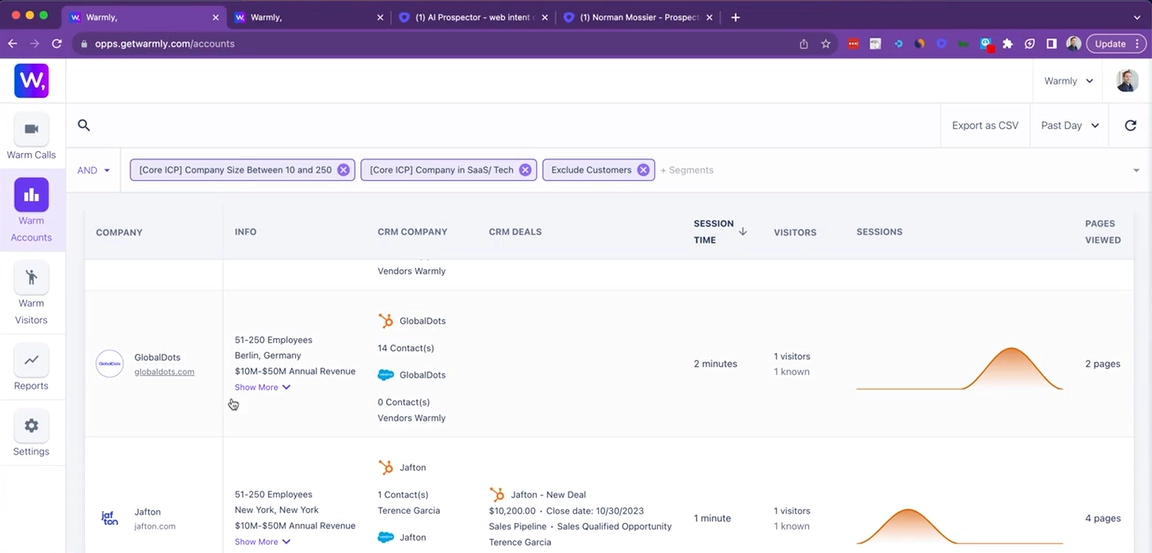


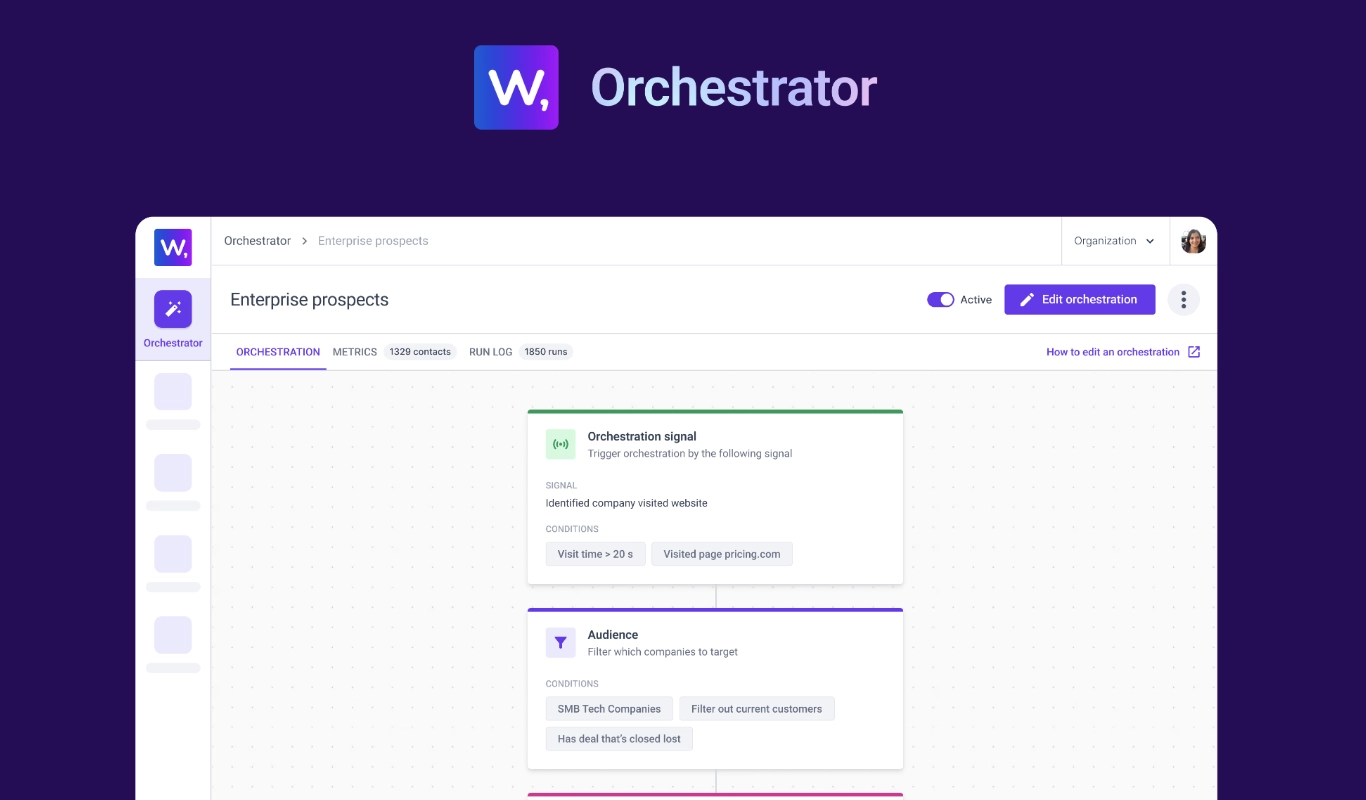

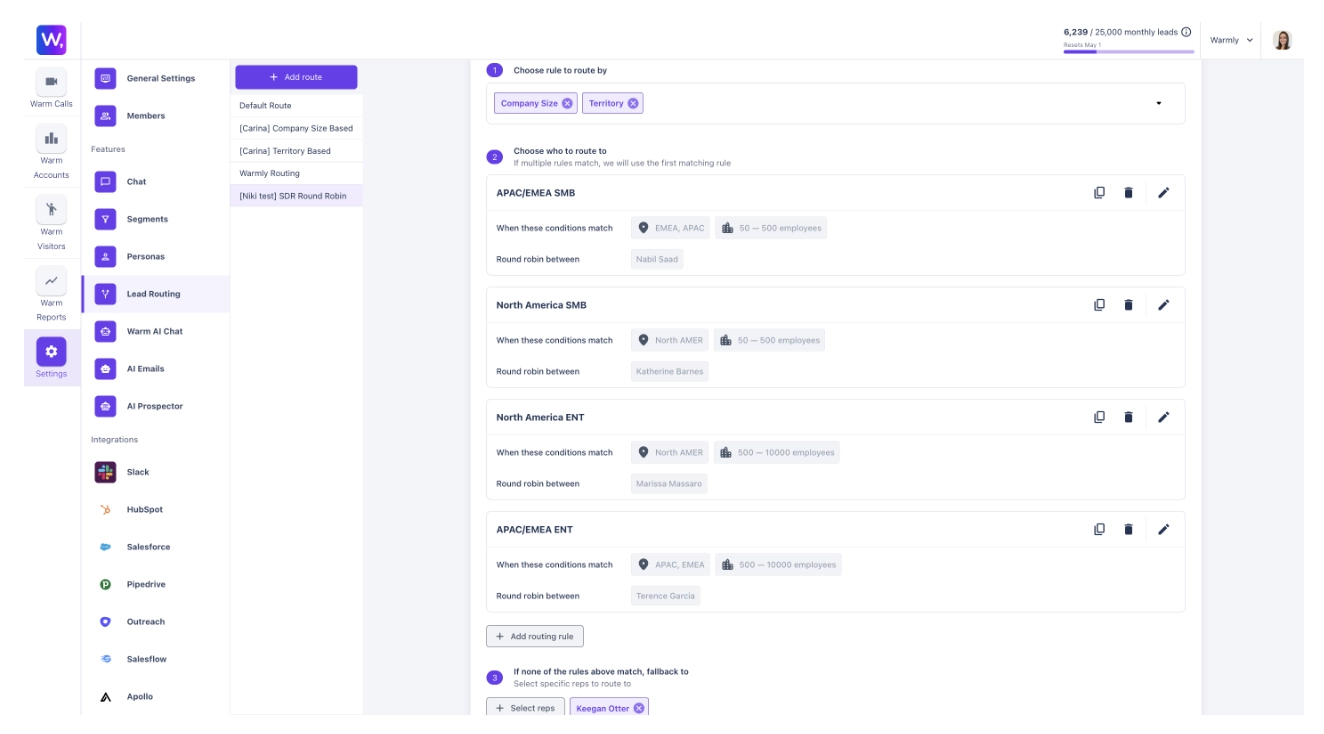

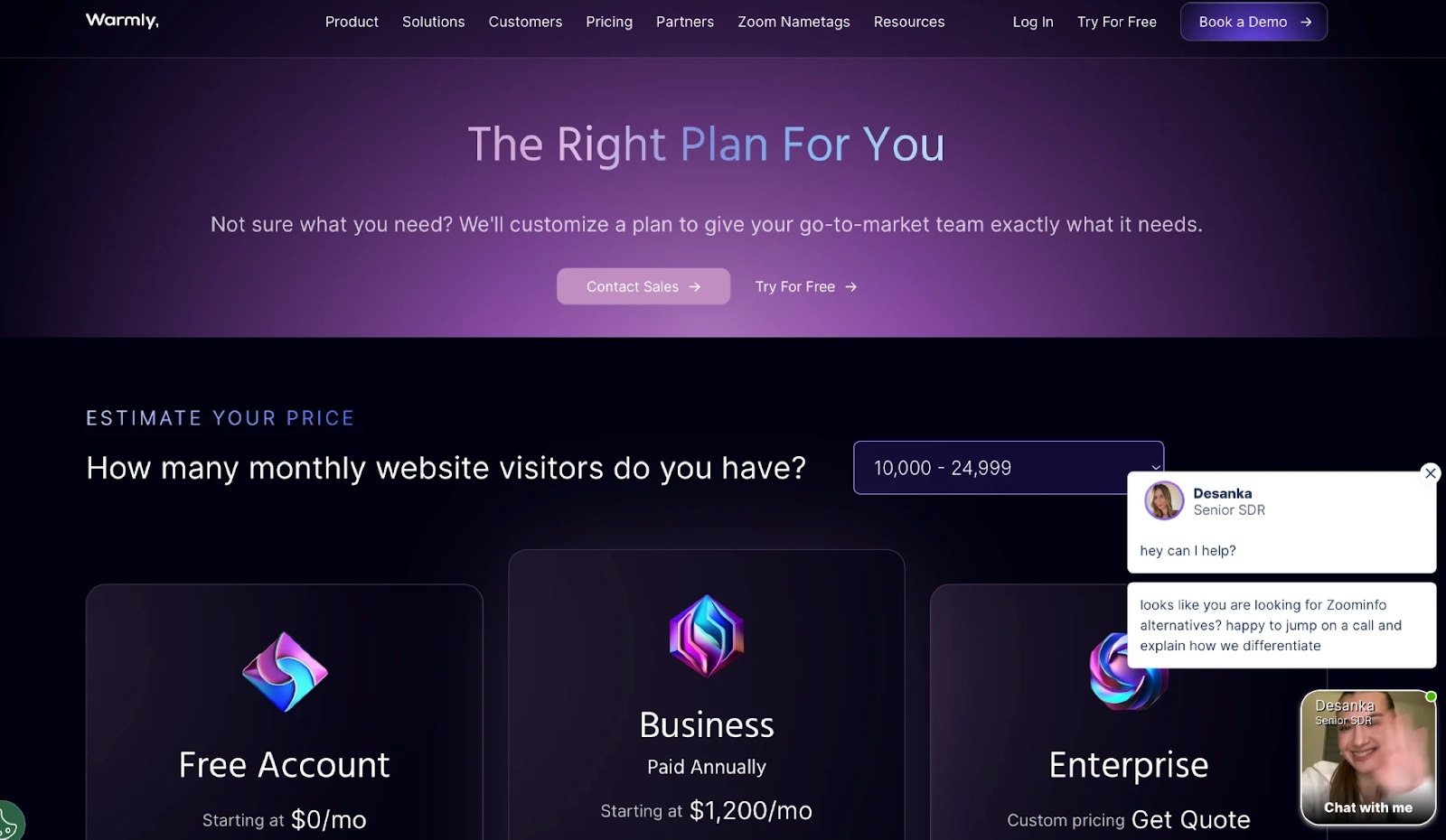


![Top 10 UnifyGTM Alternatives & Competitors [2026]](https://cdn.prod.website-files.com/6506fc5785bd592c468835e0/679677efb1c7a9e271d5e886_unifygtm_alternatives.webp)


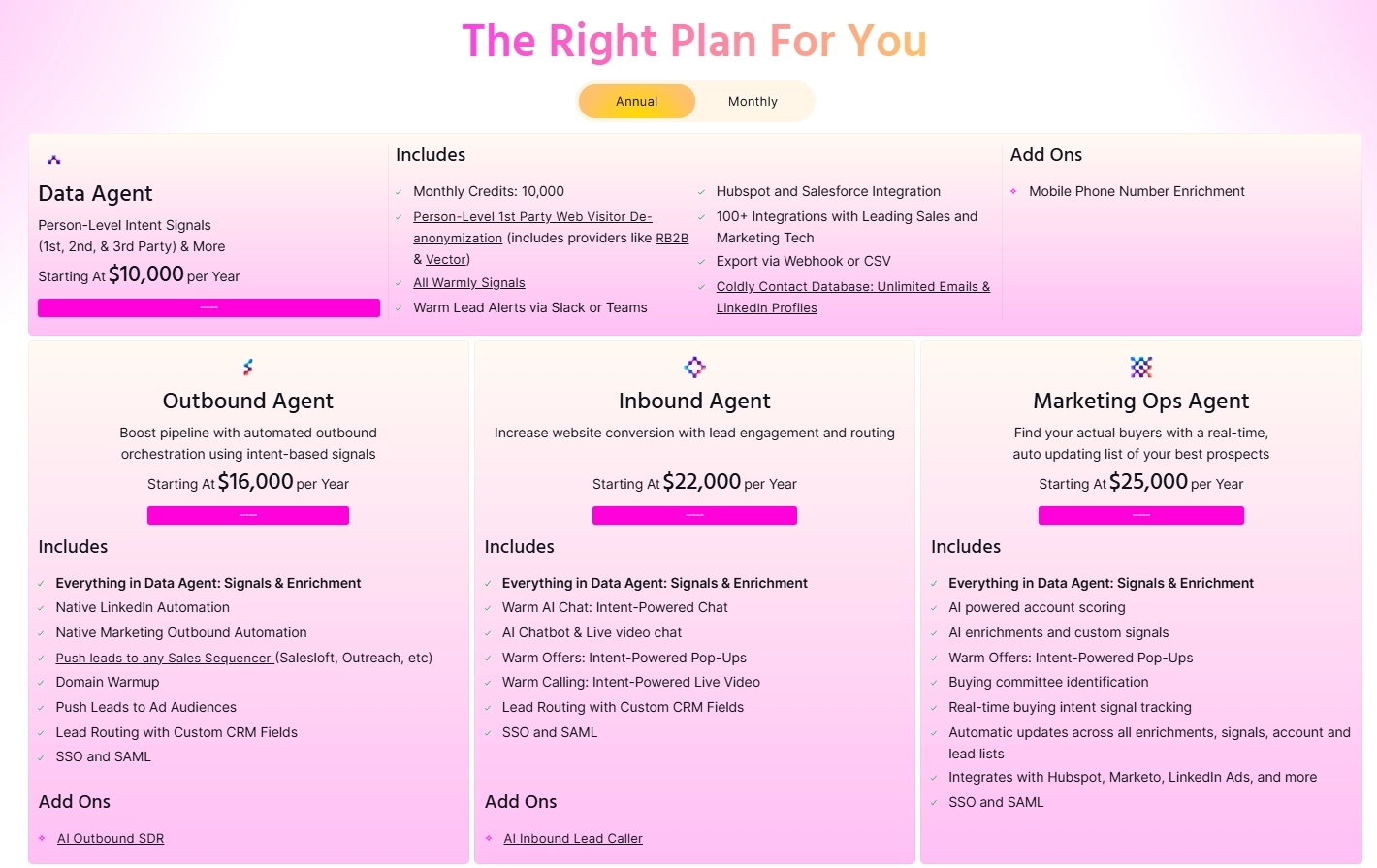


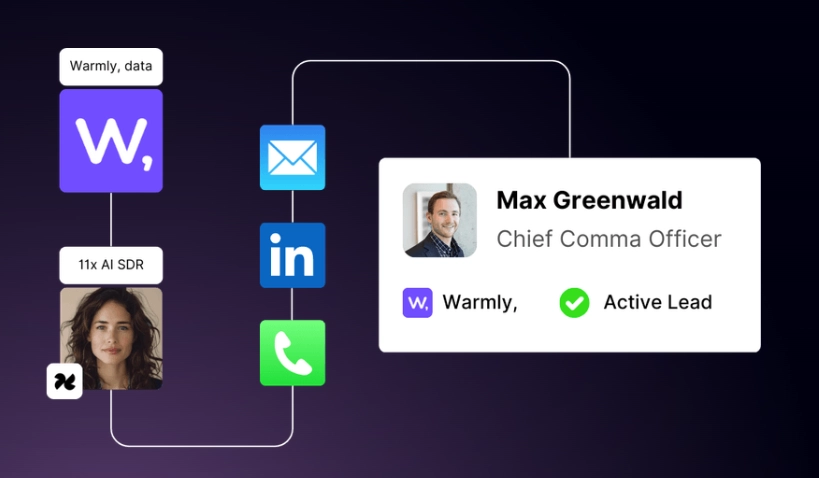


![Top 10 Clearbit Alternatives & Competitors [2026]](https://cdn.prod.website-files.com/6506fc5785bd592c468835e0/67b06ff5d5fd5c7a90e04c36_8d361888-12cf-4d85-b20b-586974fd4055.png)


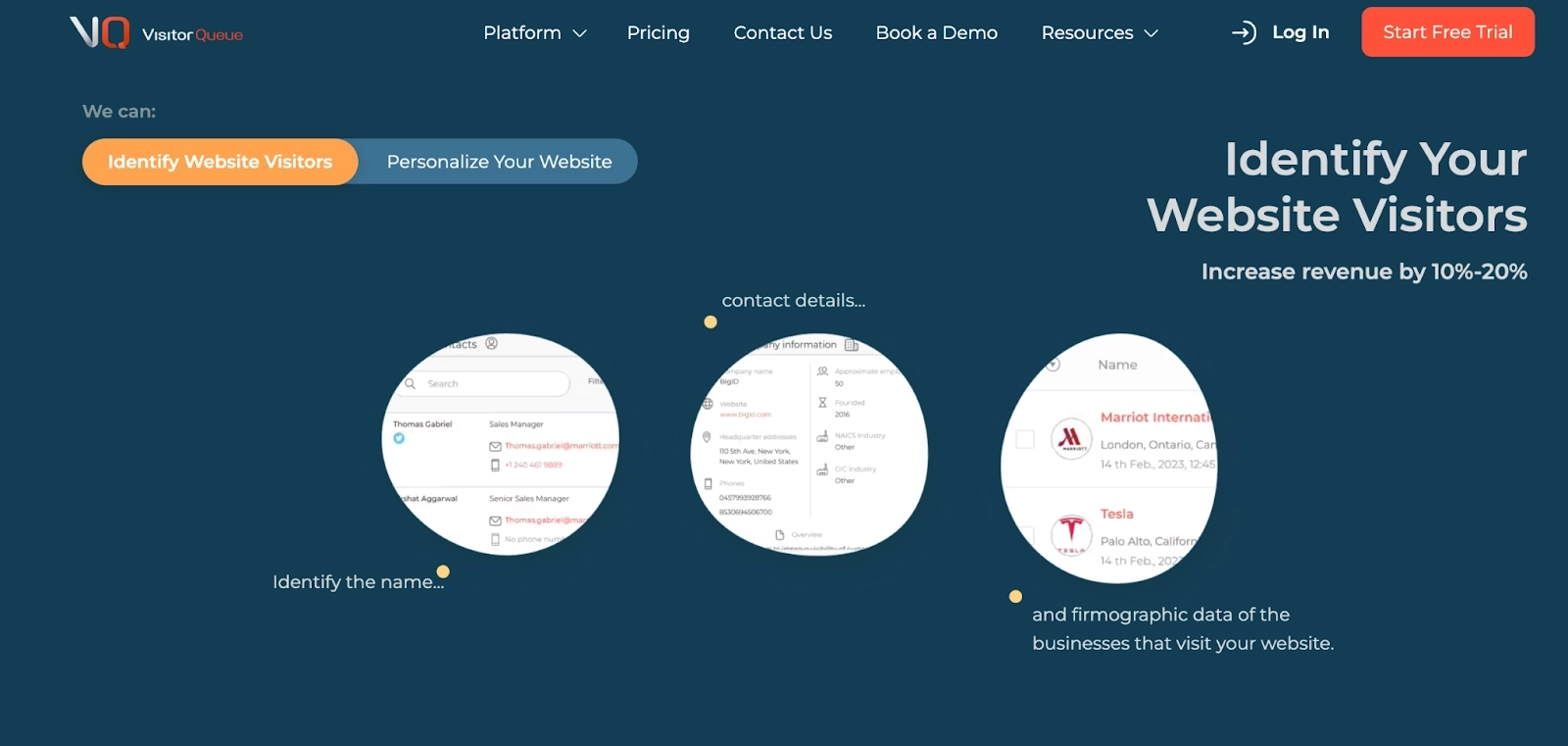
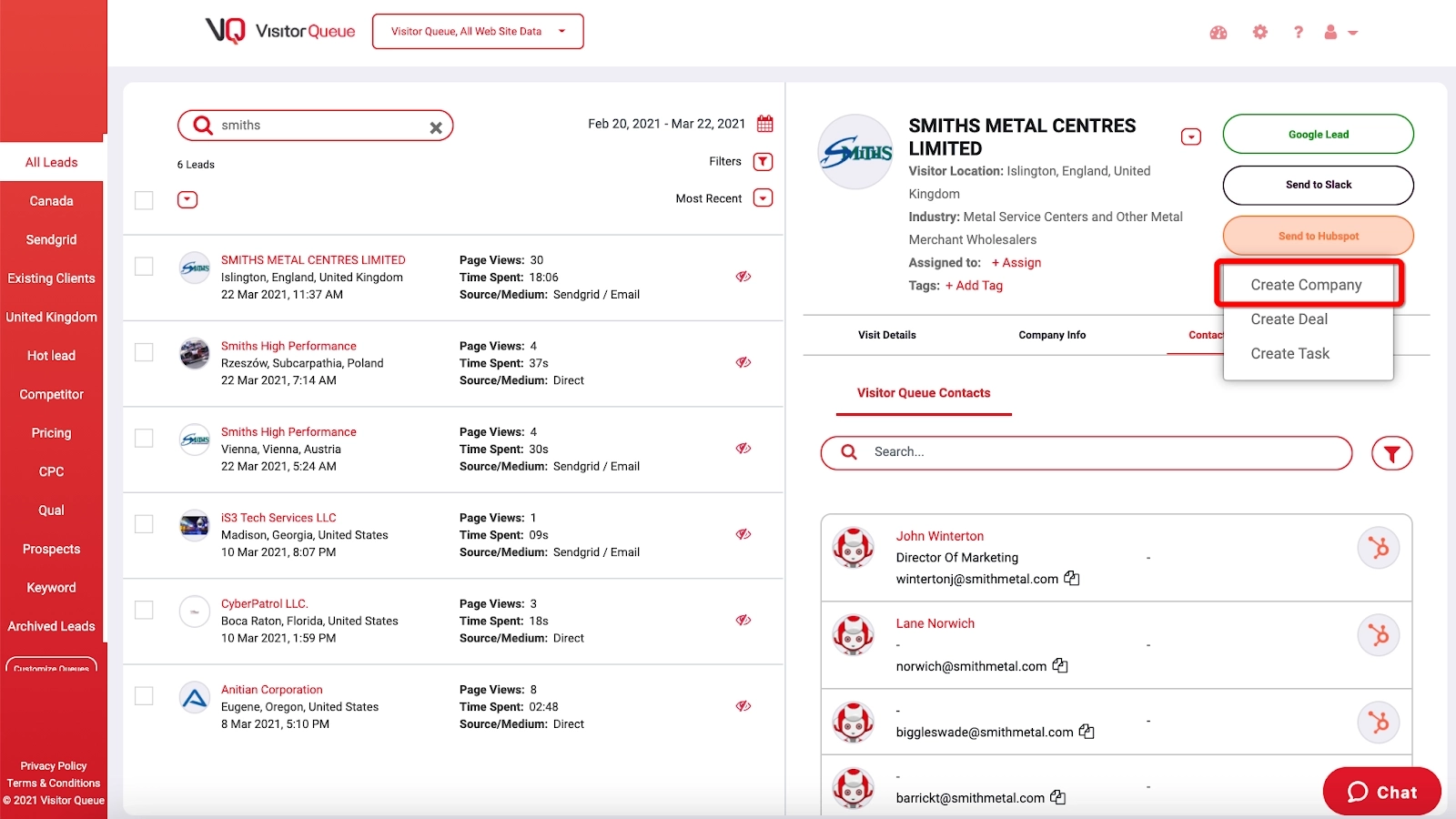
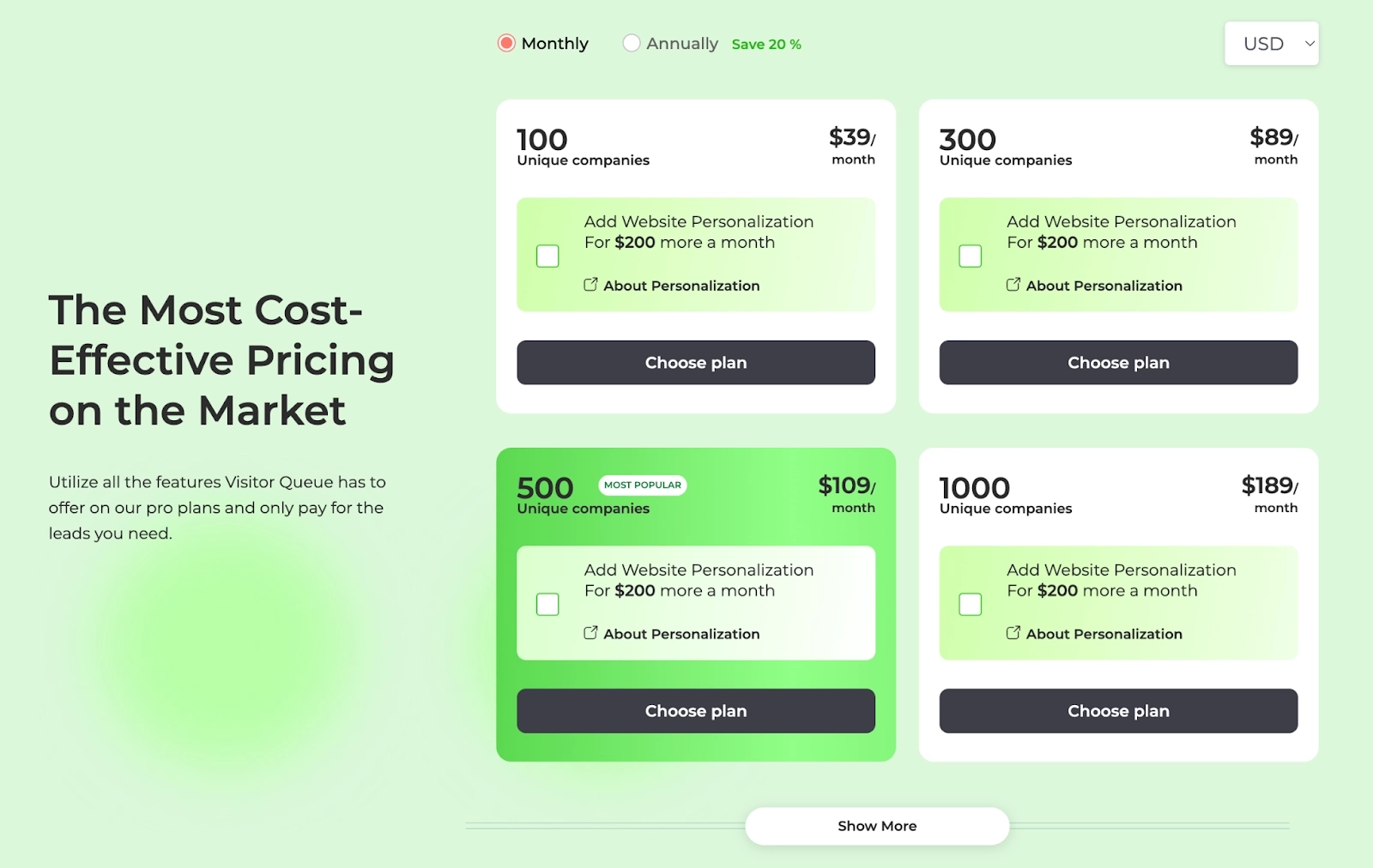
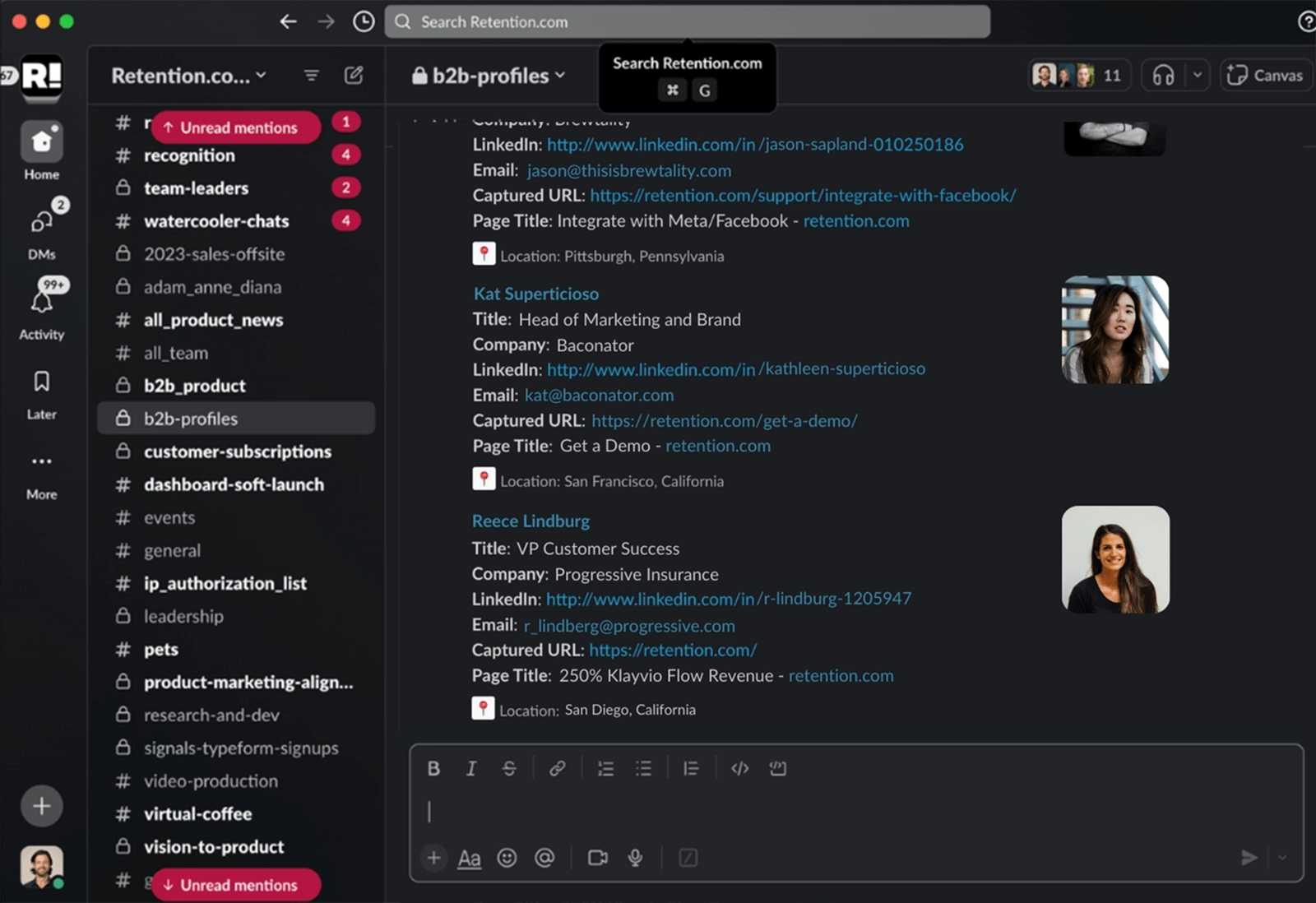
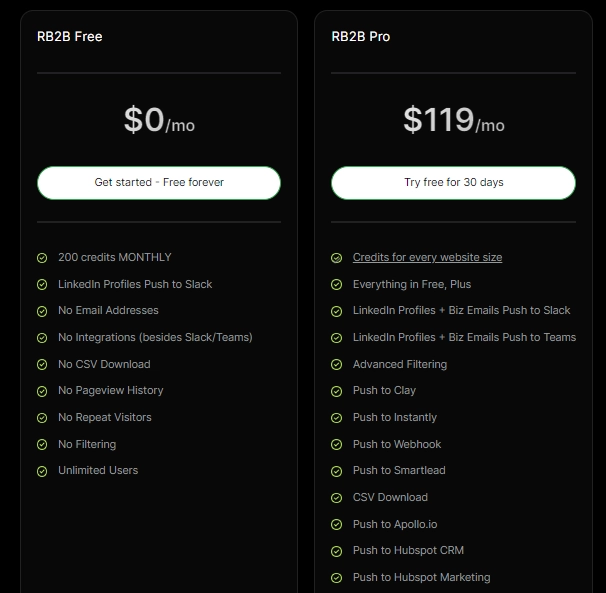
![10 Best LeadMagic Alternatives for List Building [2026]](https://cdn.prod.website-files.com/6506fc5785bd592c468835e0/68df81687604afb357ed7cc2_leadmagic_alternatives.webp)
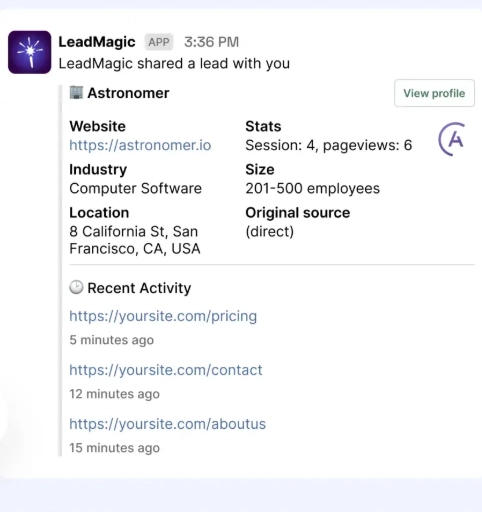
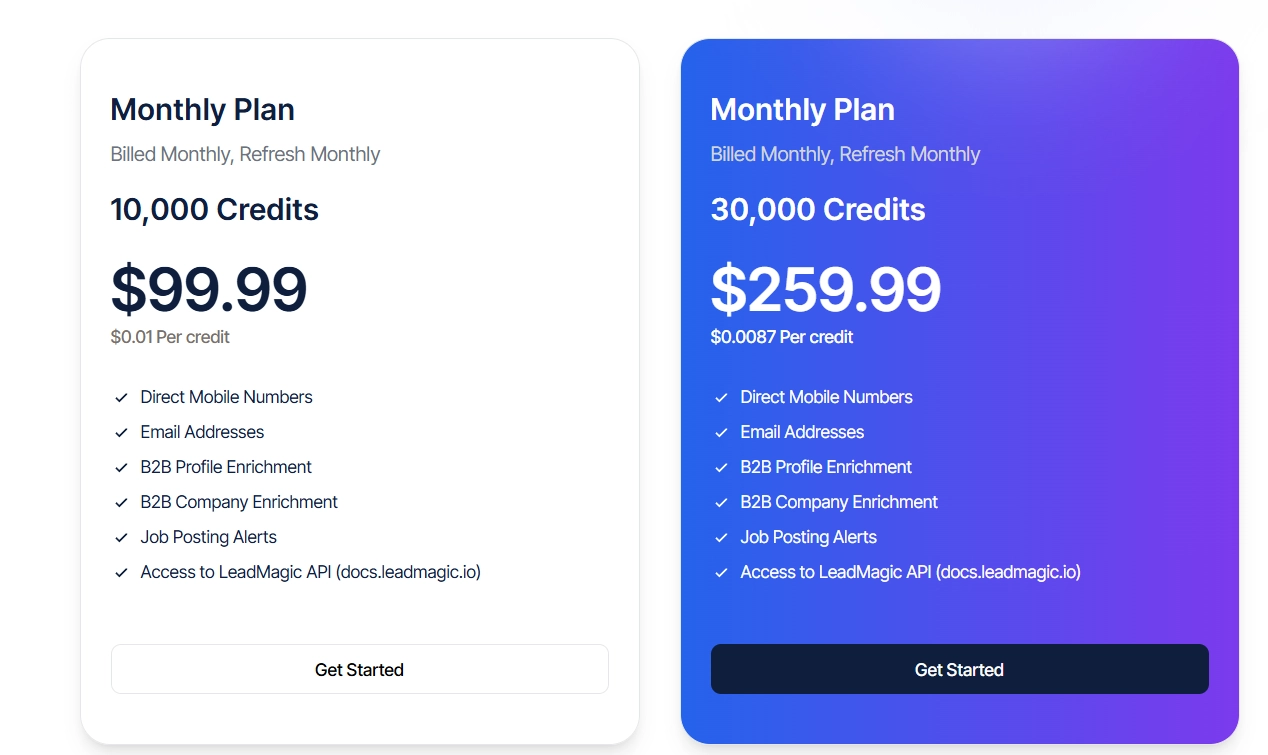
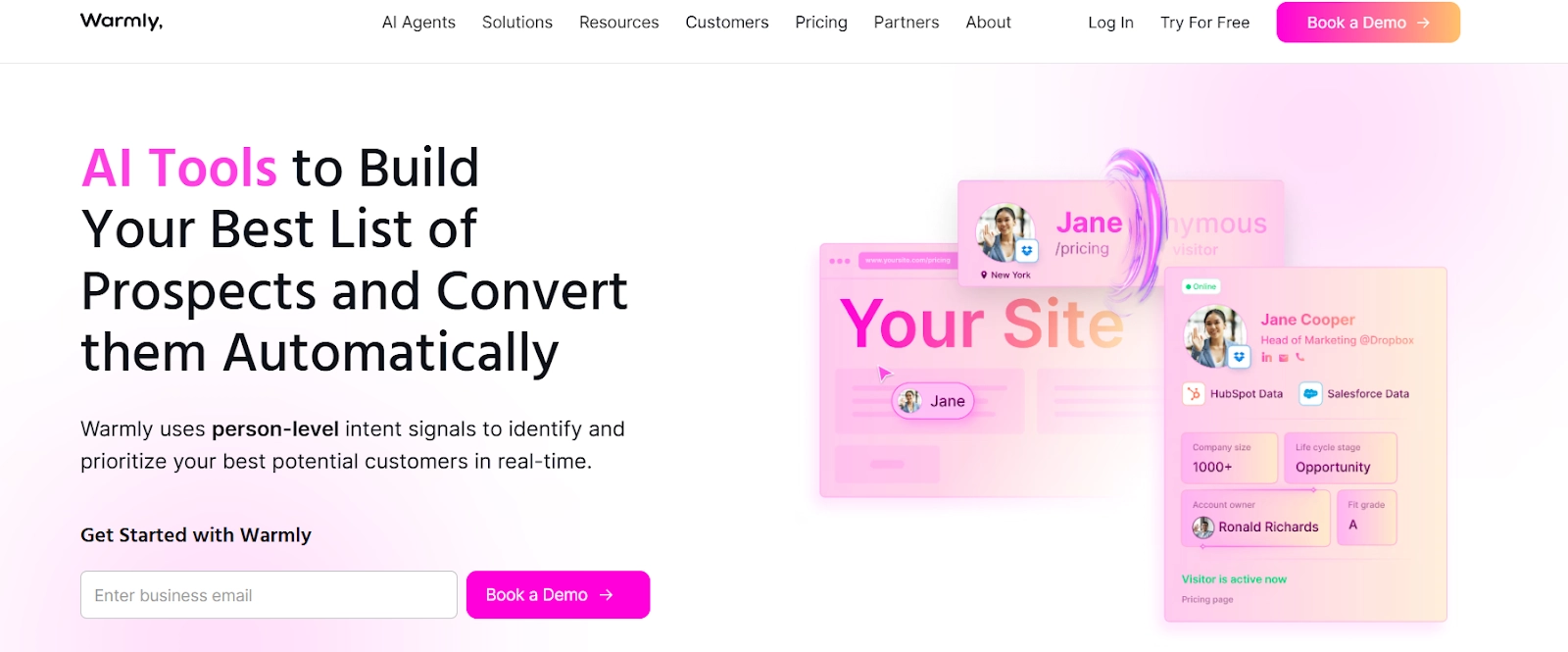
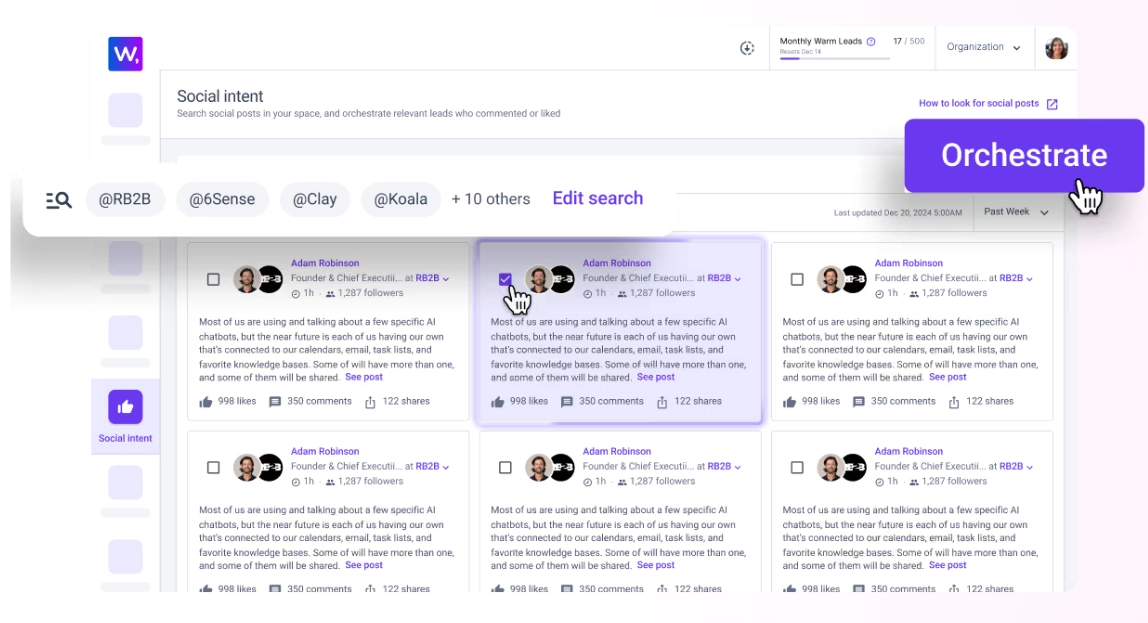
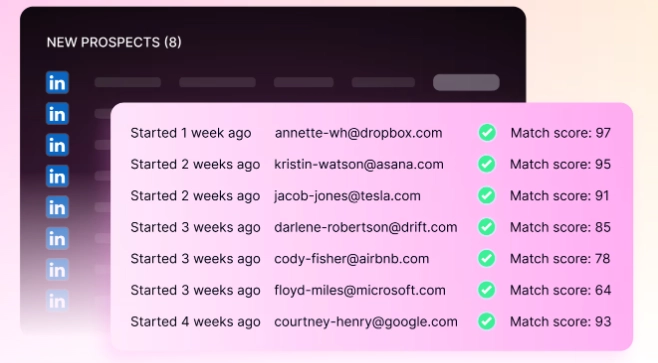
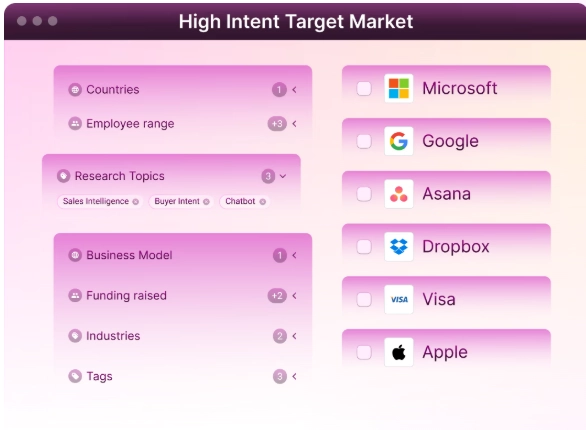
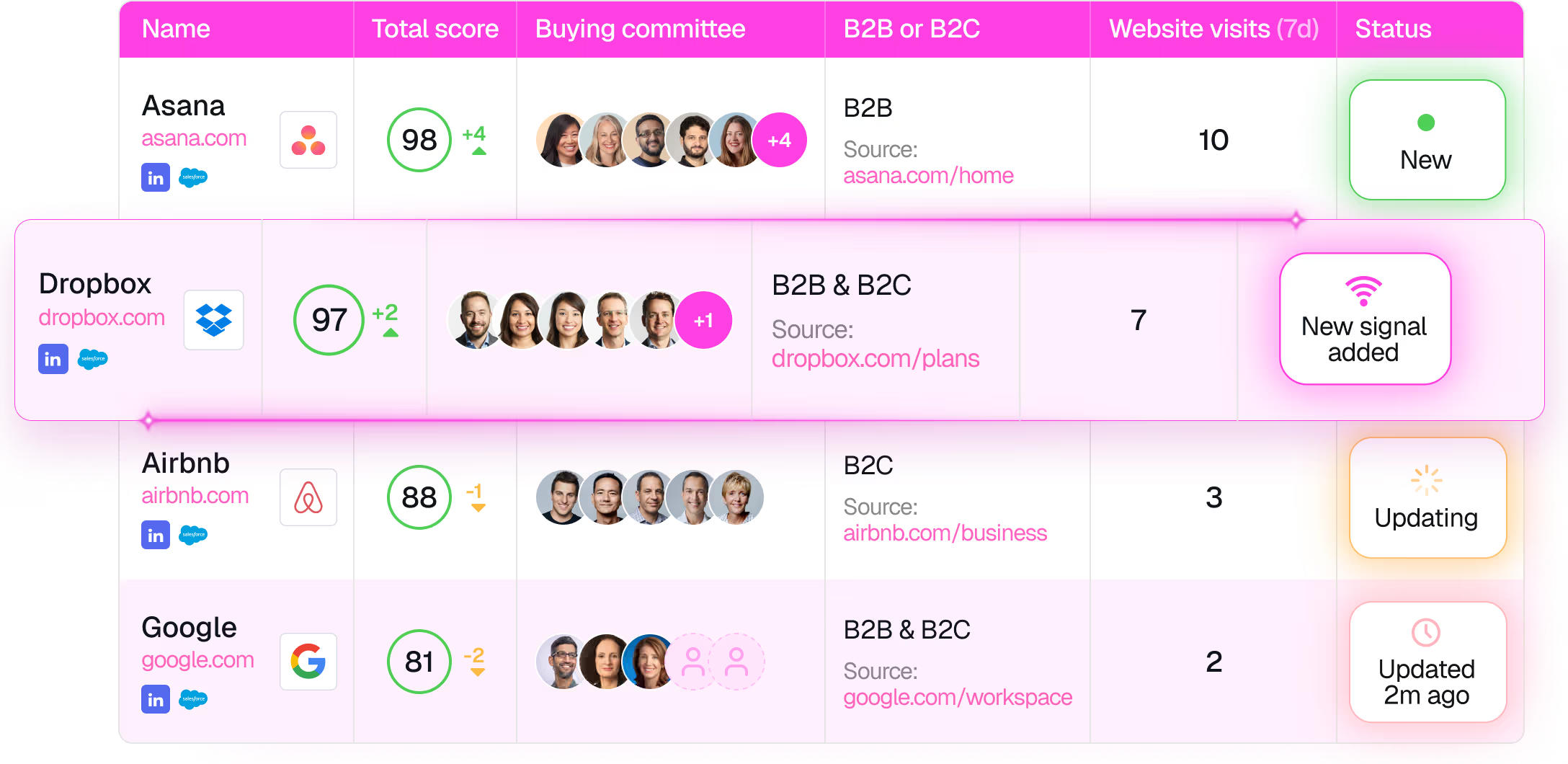
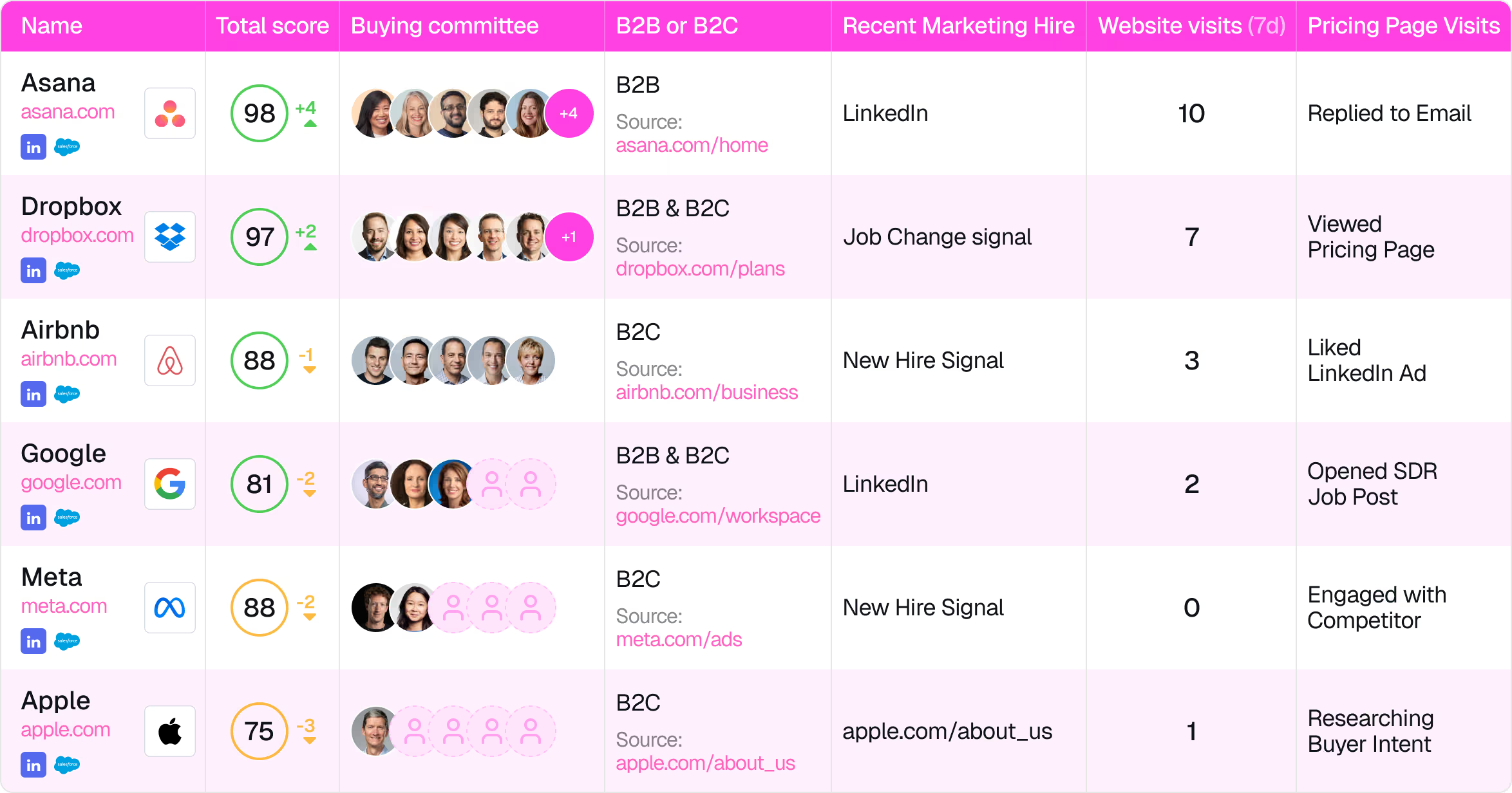
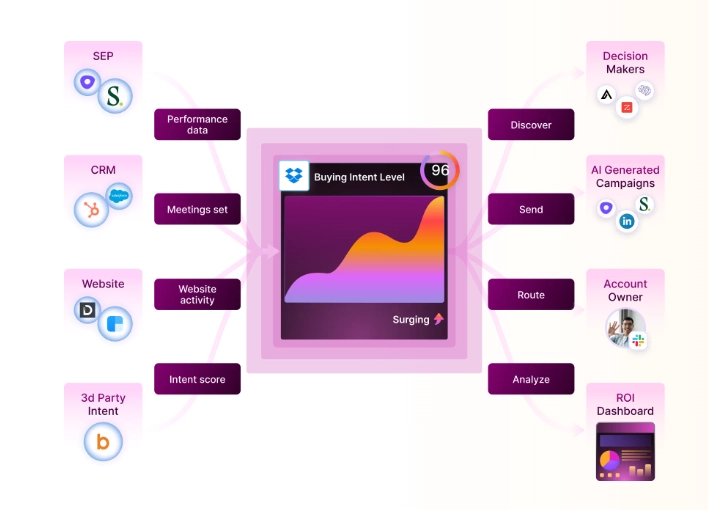

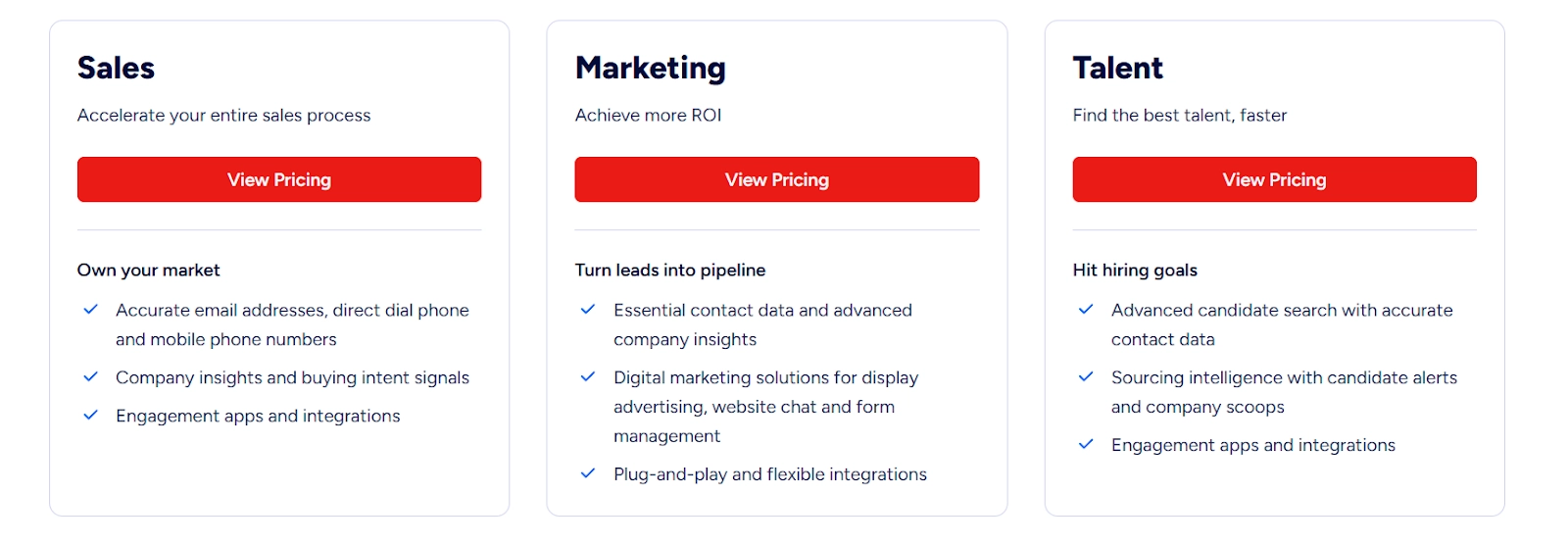
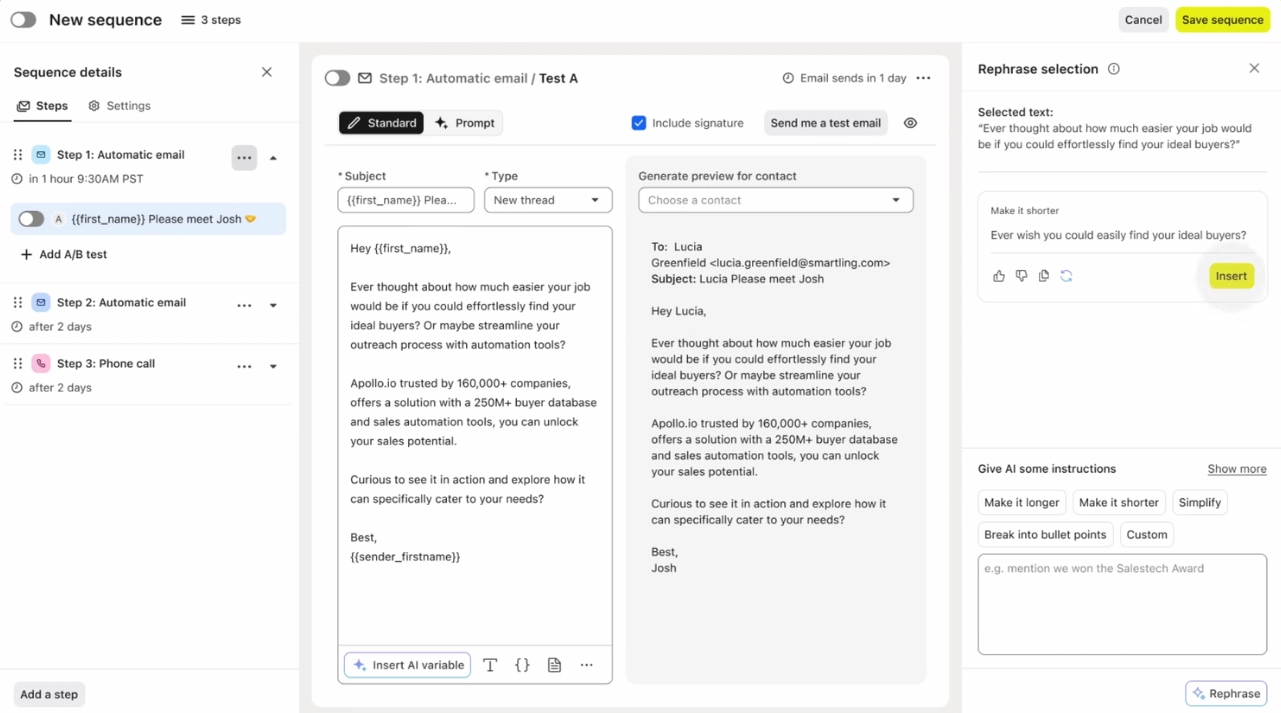

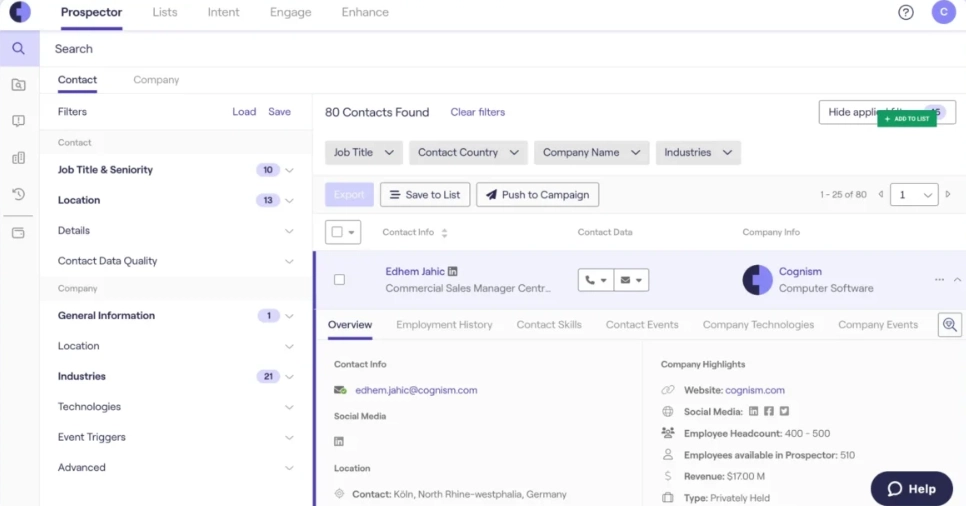
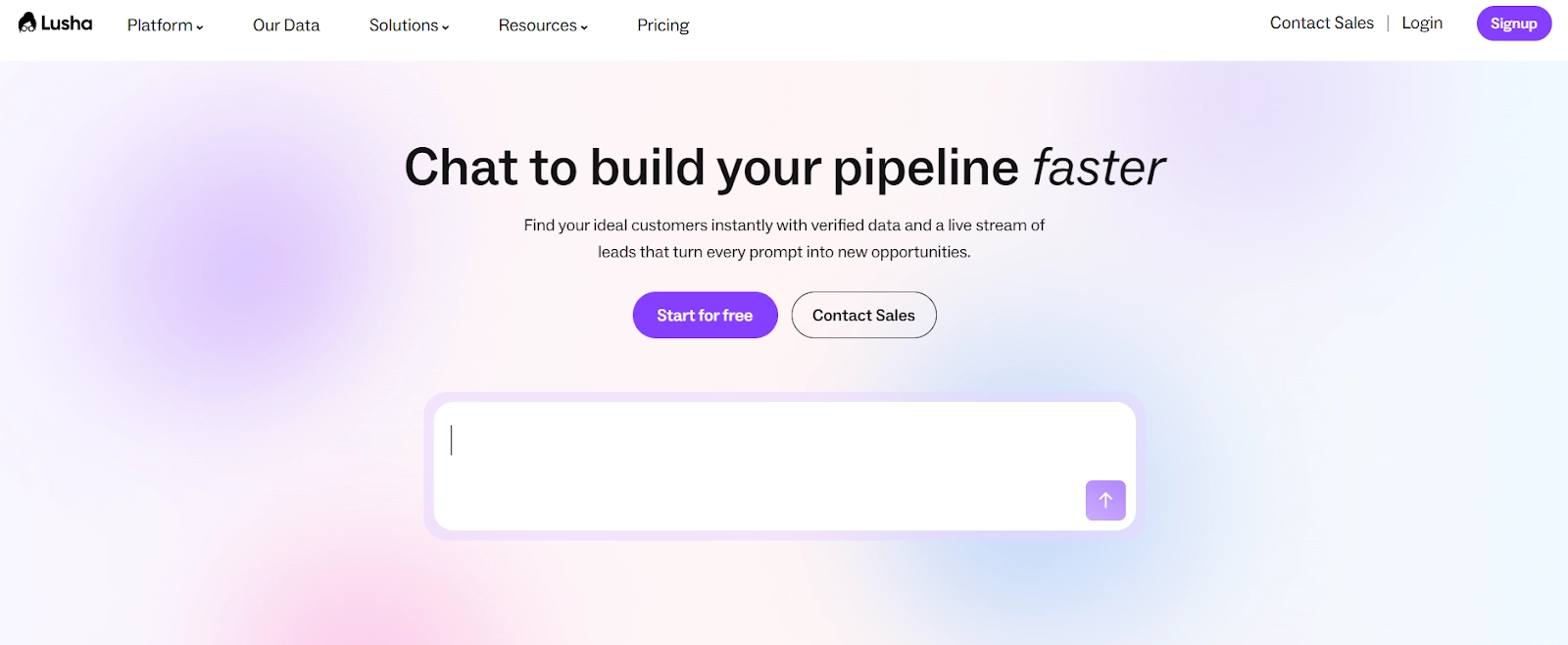
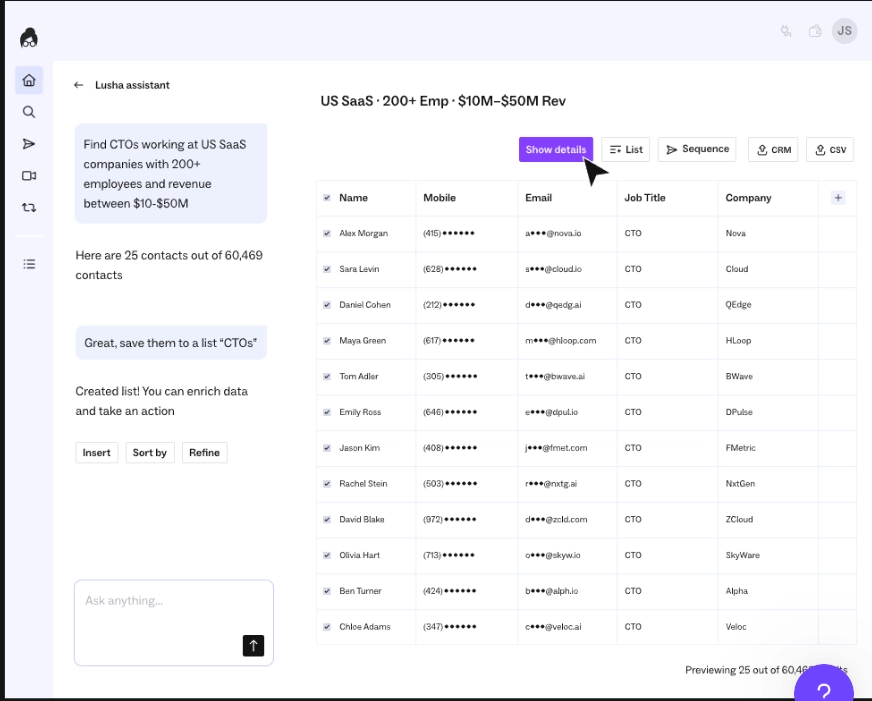
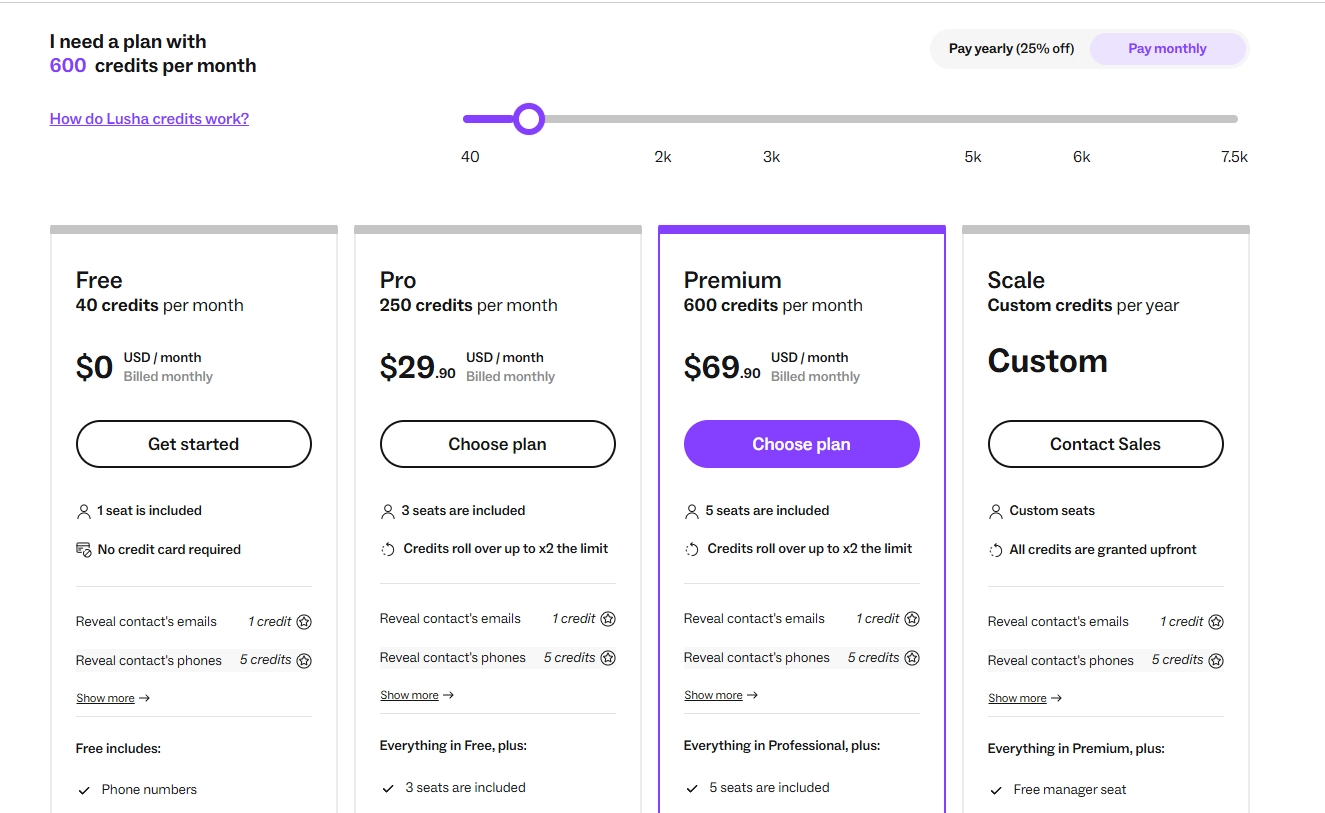
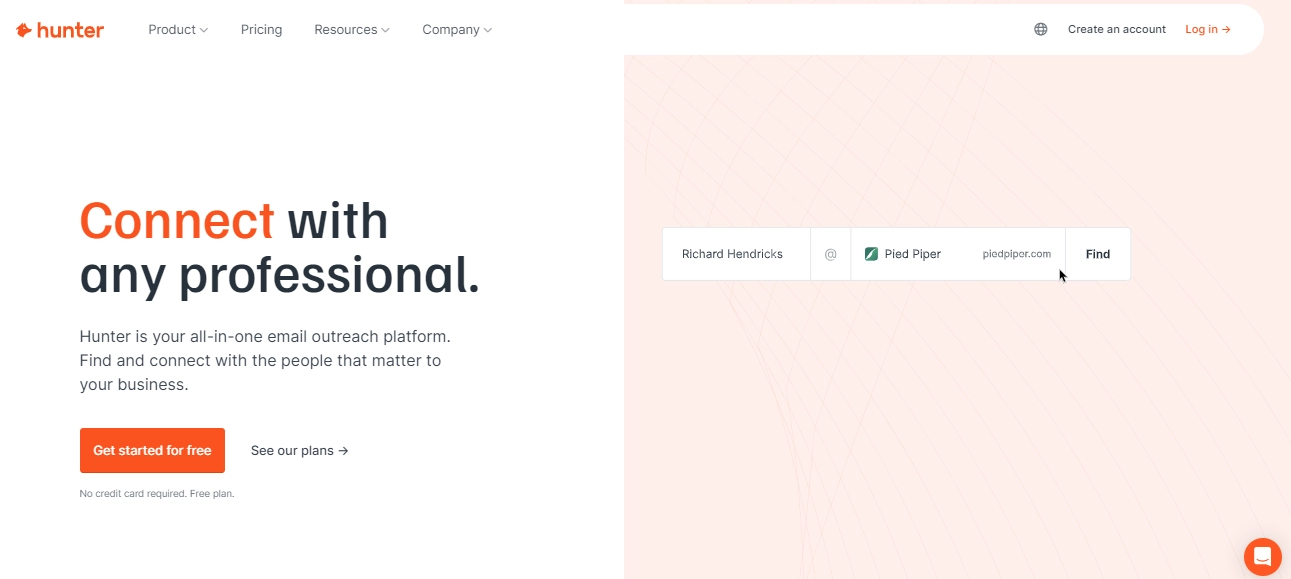
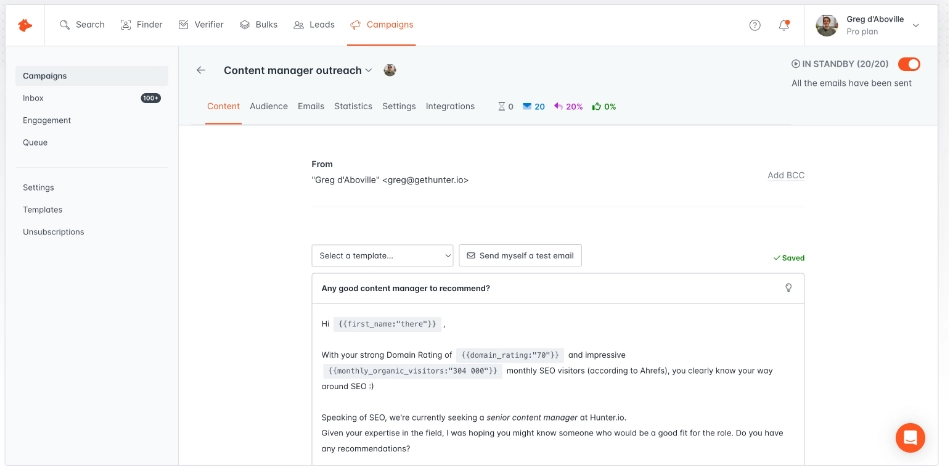
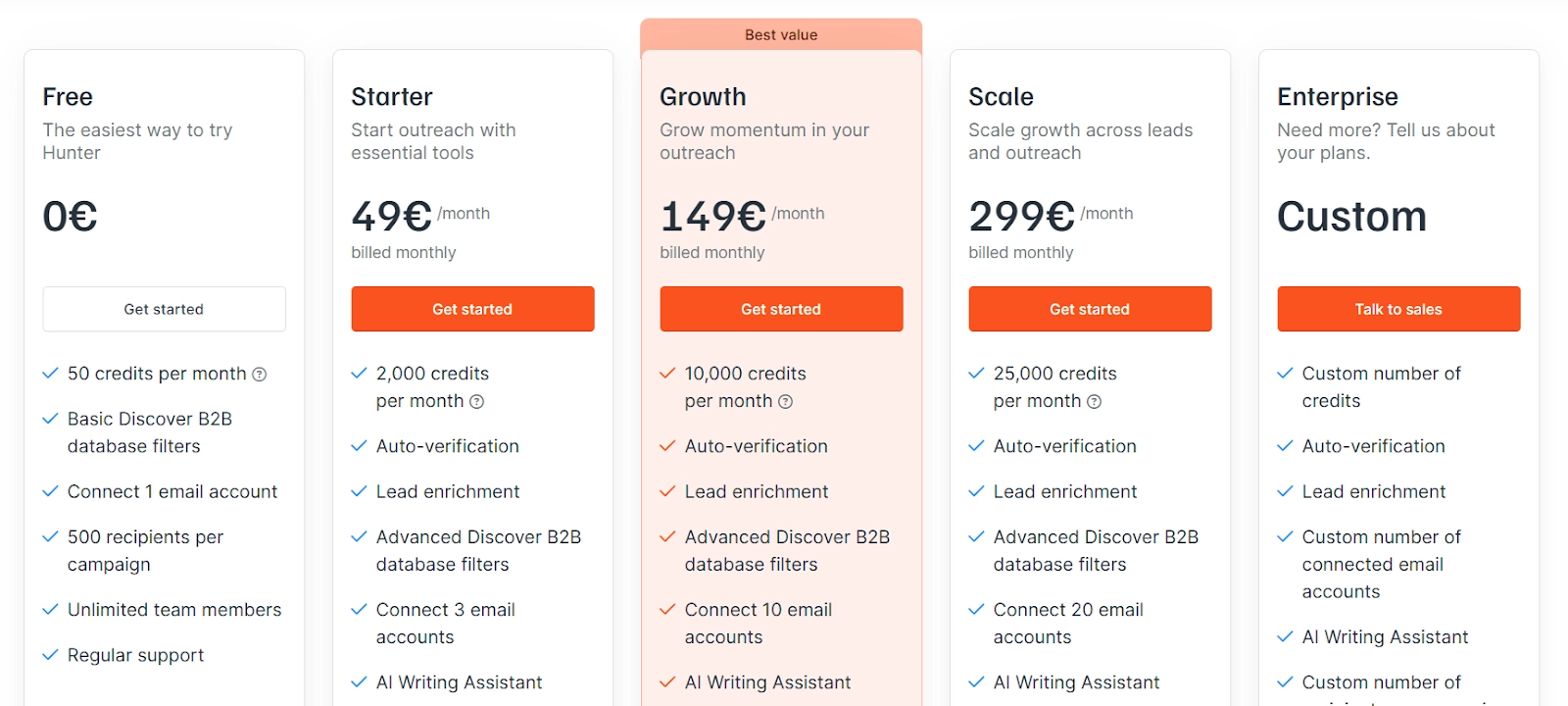
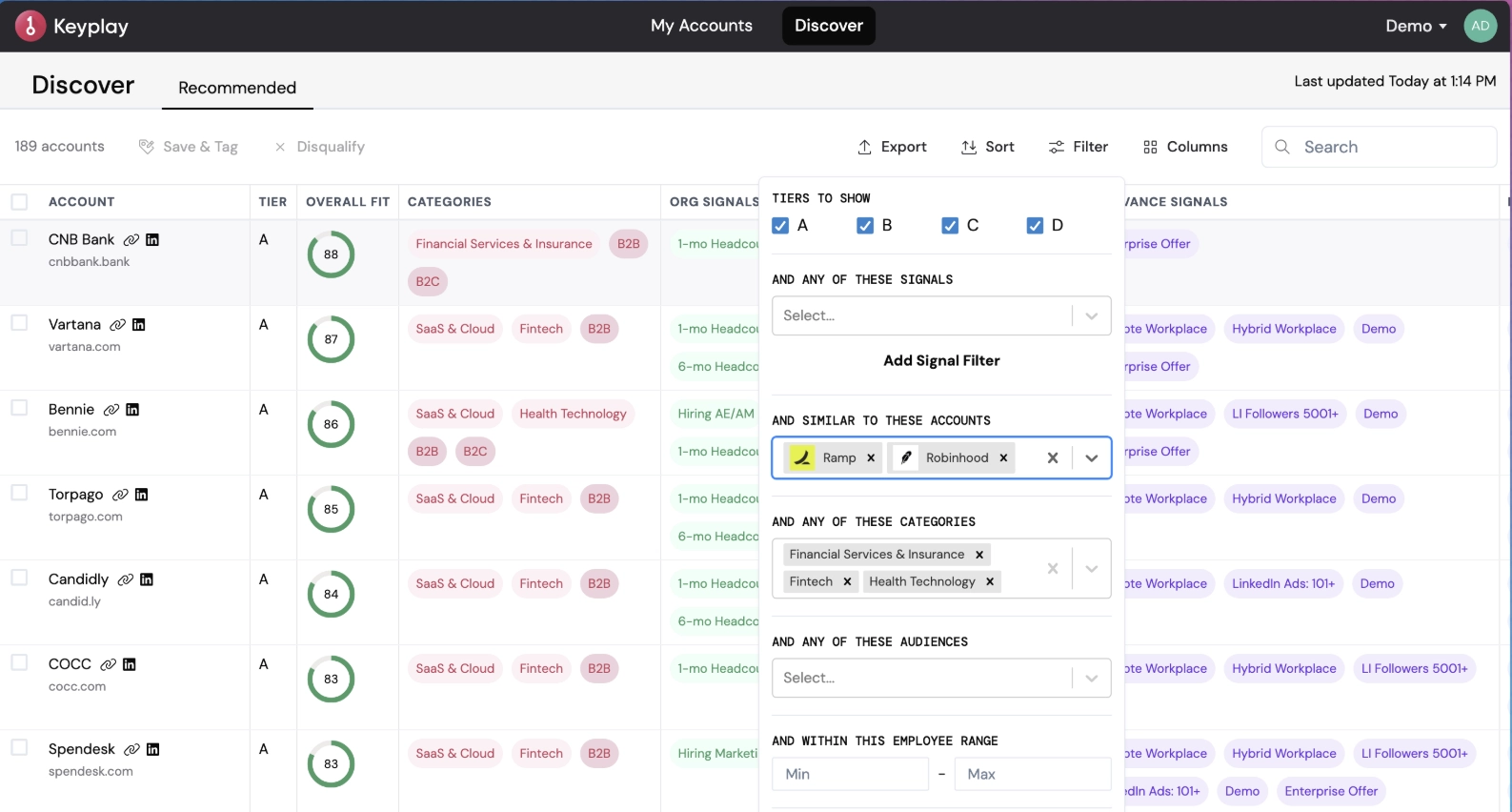
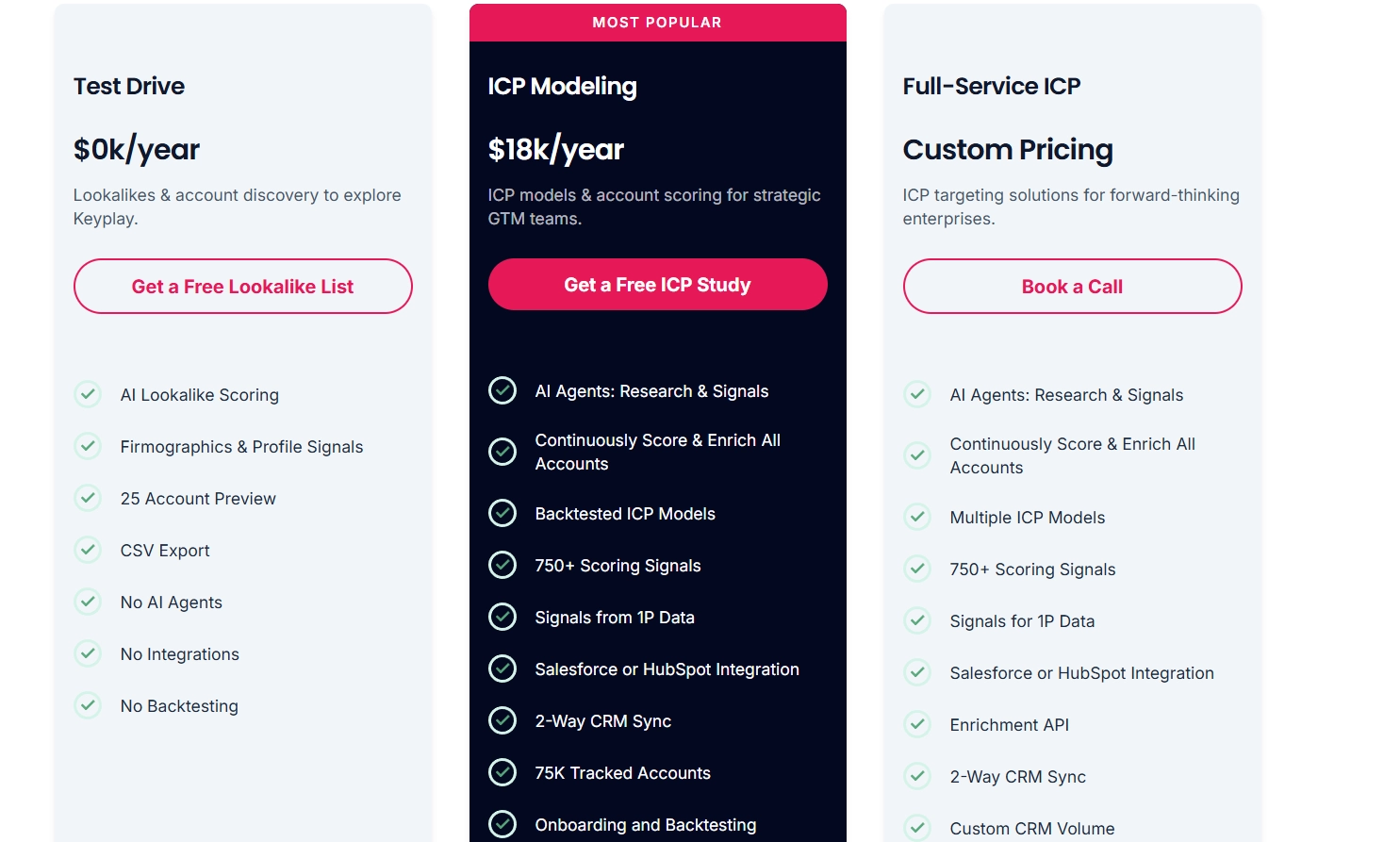
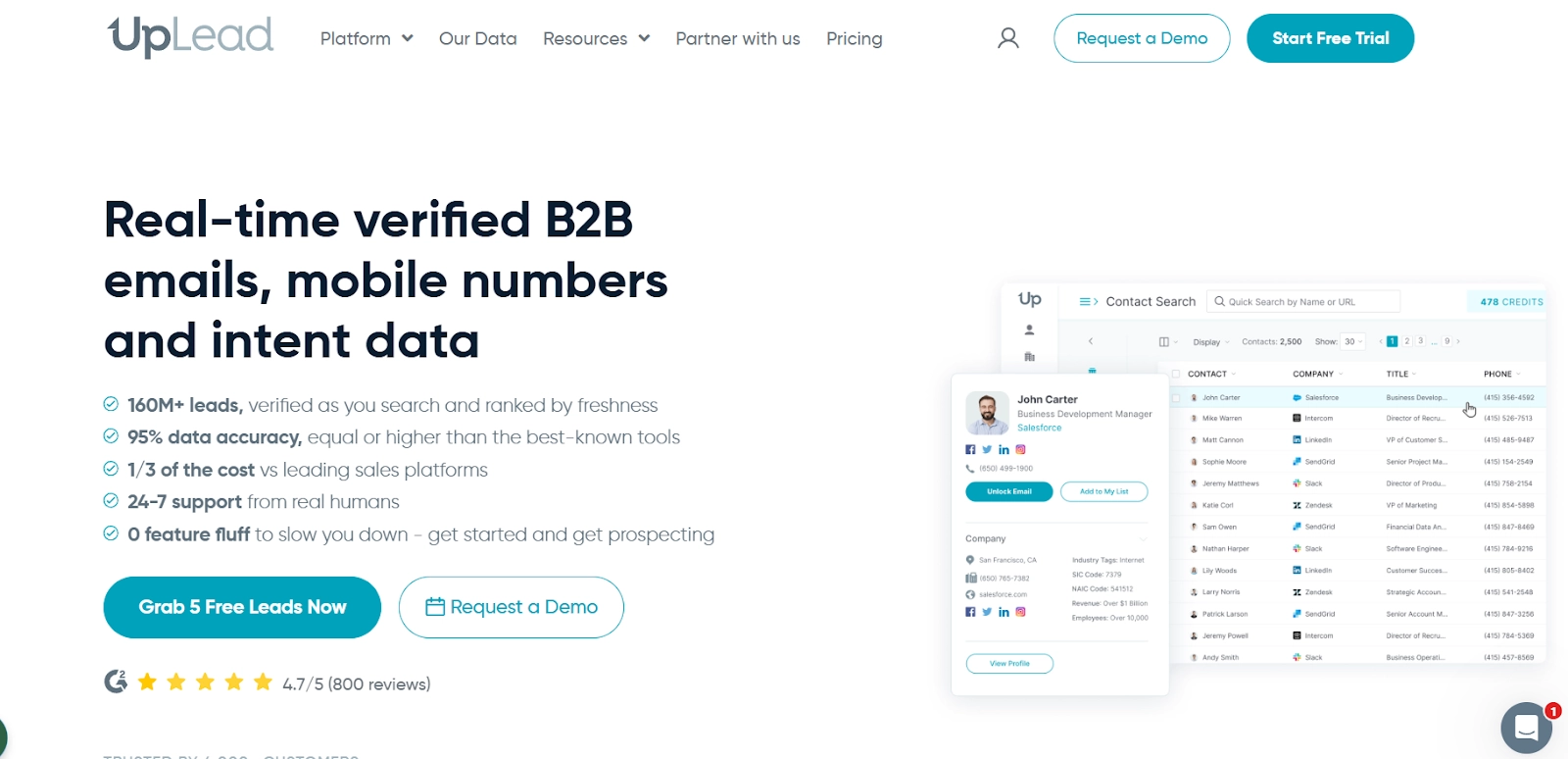
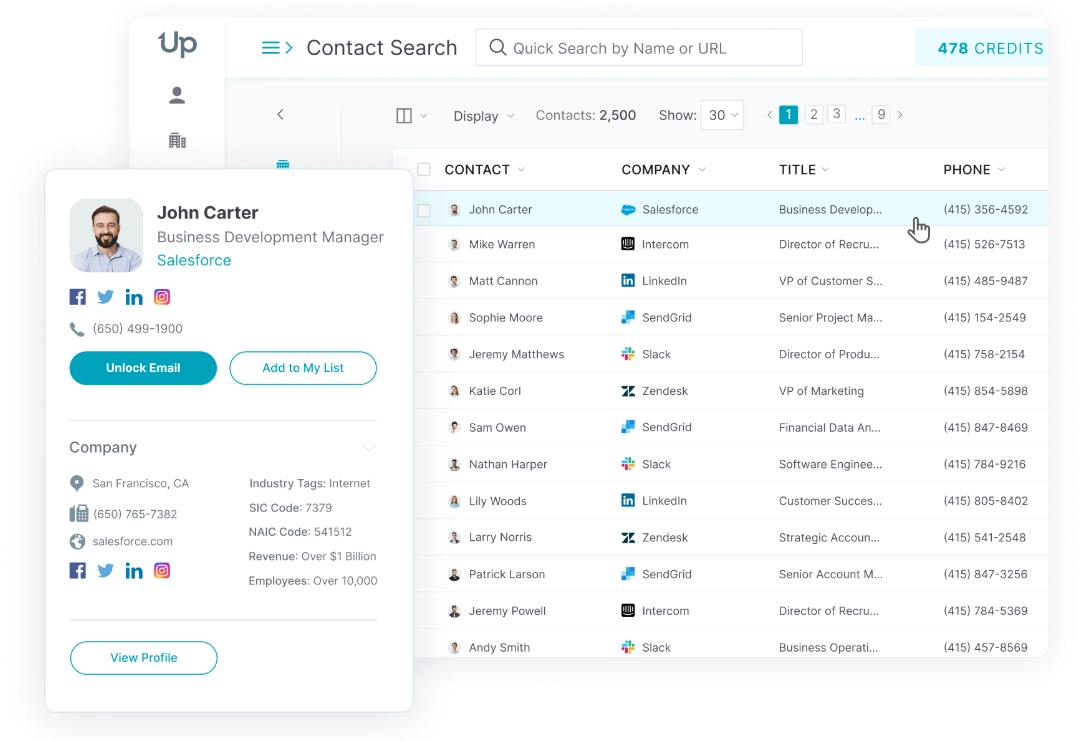

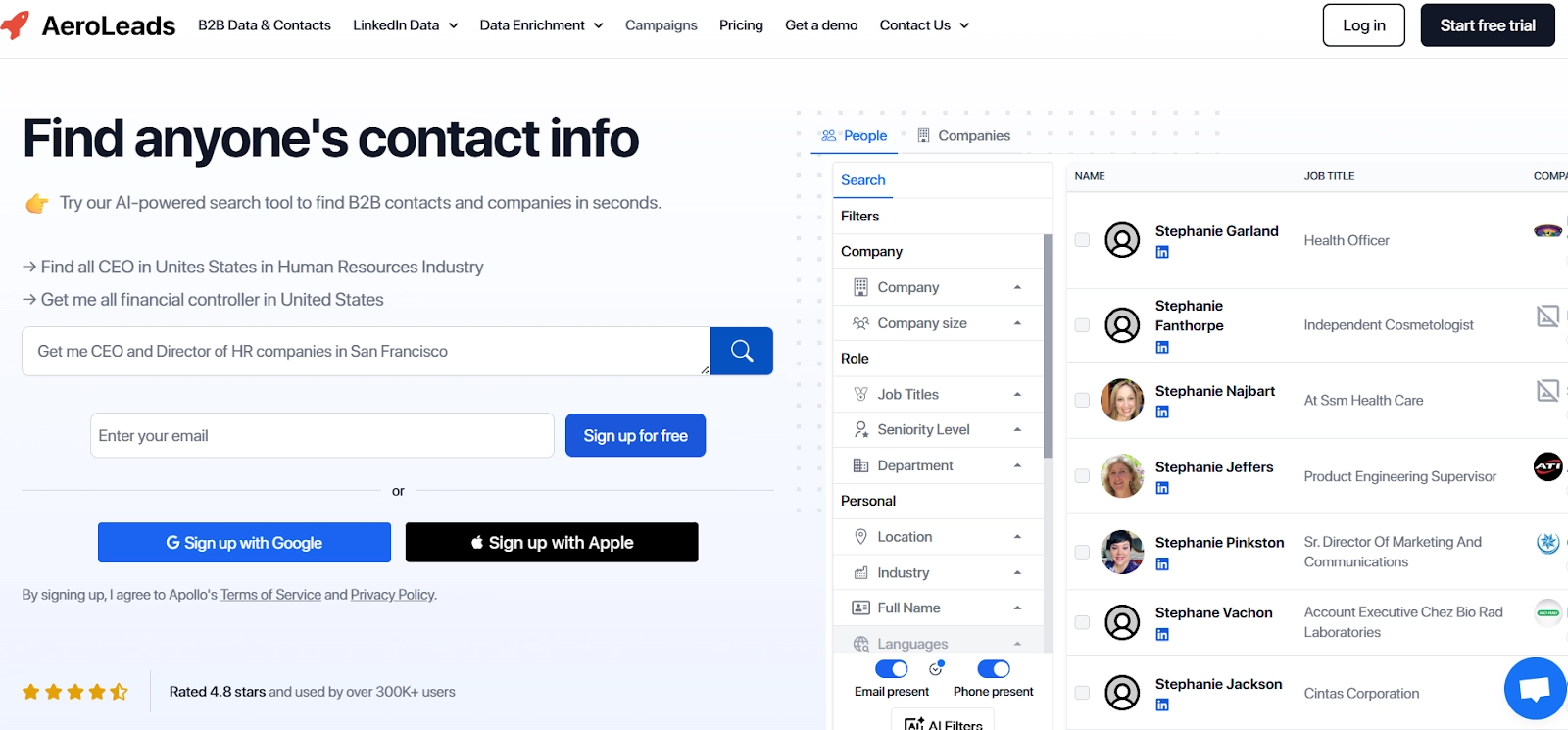
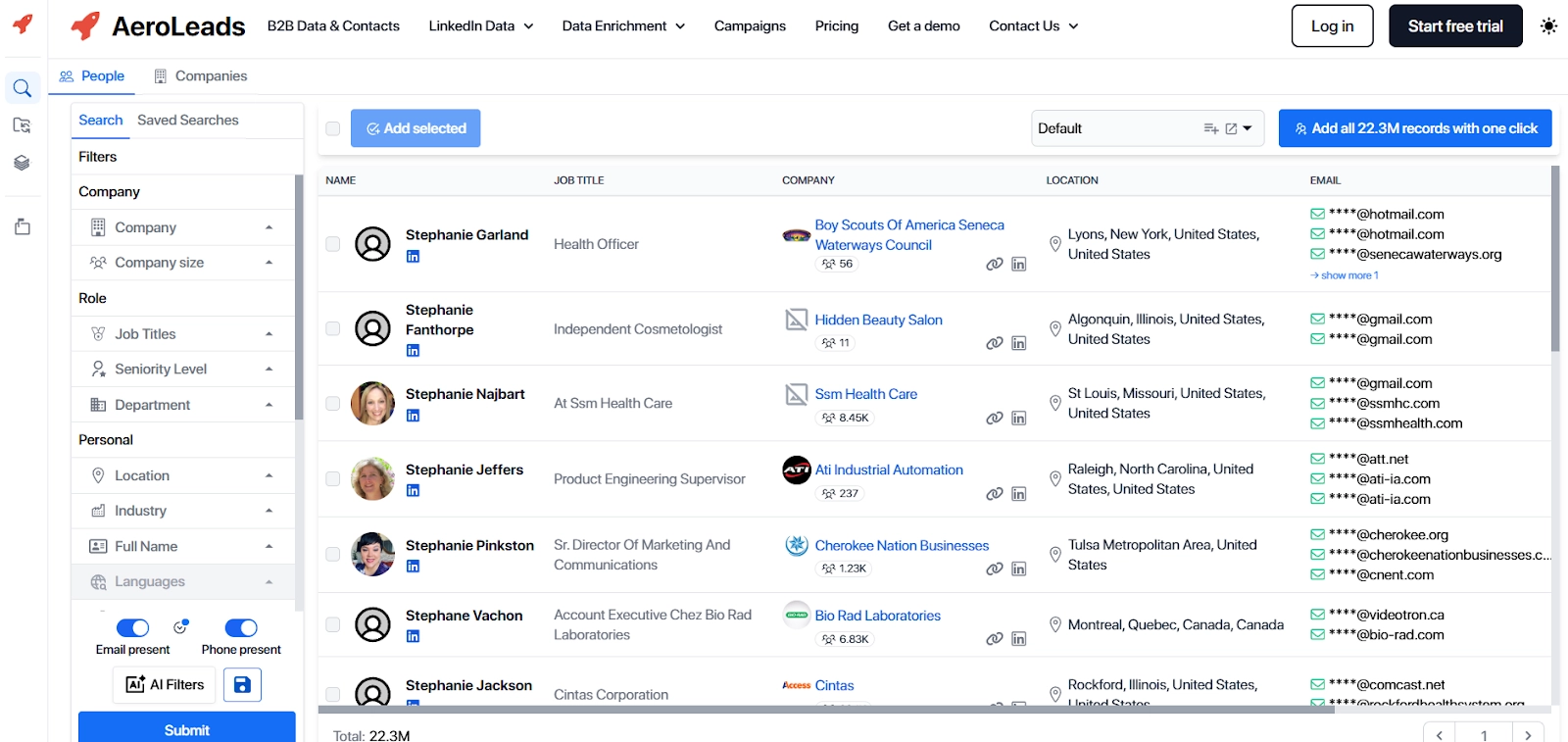
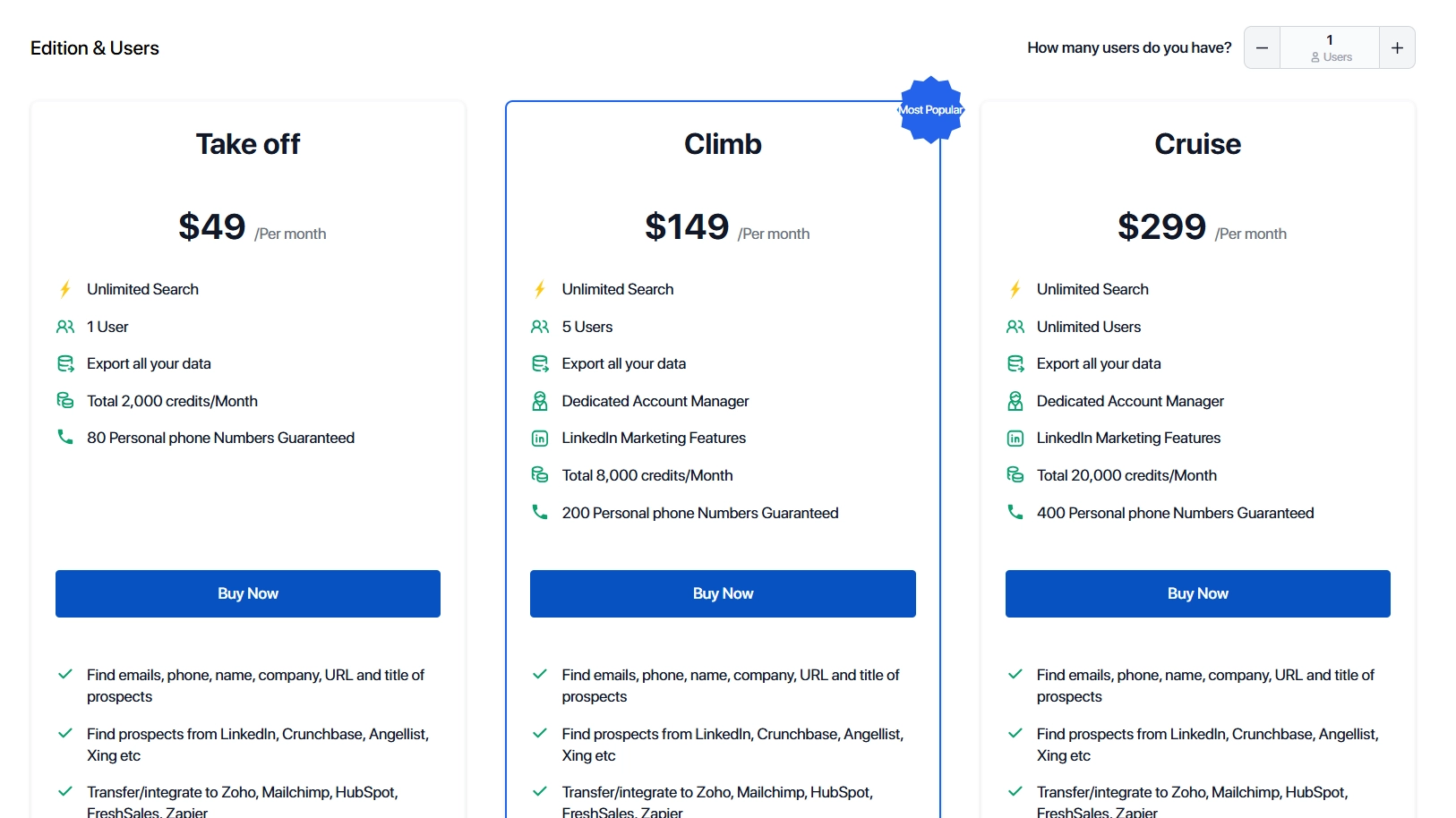

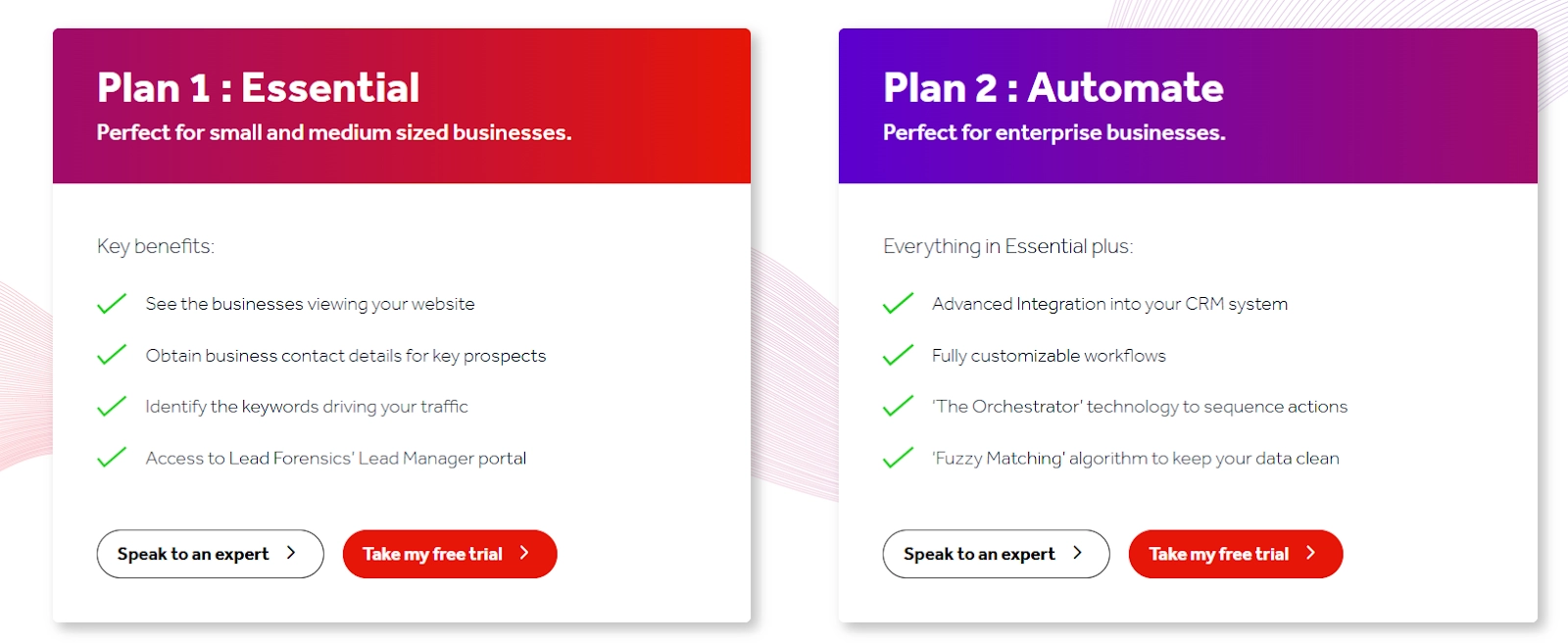
![10 Best Wiza Alternatives & Competitors for List Building [2026]](https://cdn.prod.website-files.com/6506fc5785bd592c468835e0/68de969b0d25c8999b790dcd_list_building_wiza_alternatives.webp)
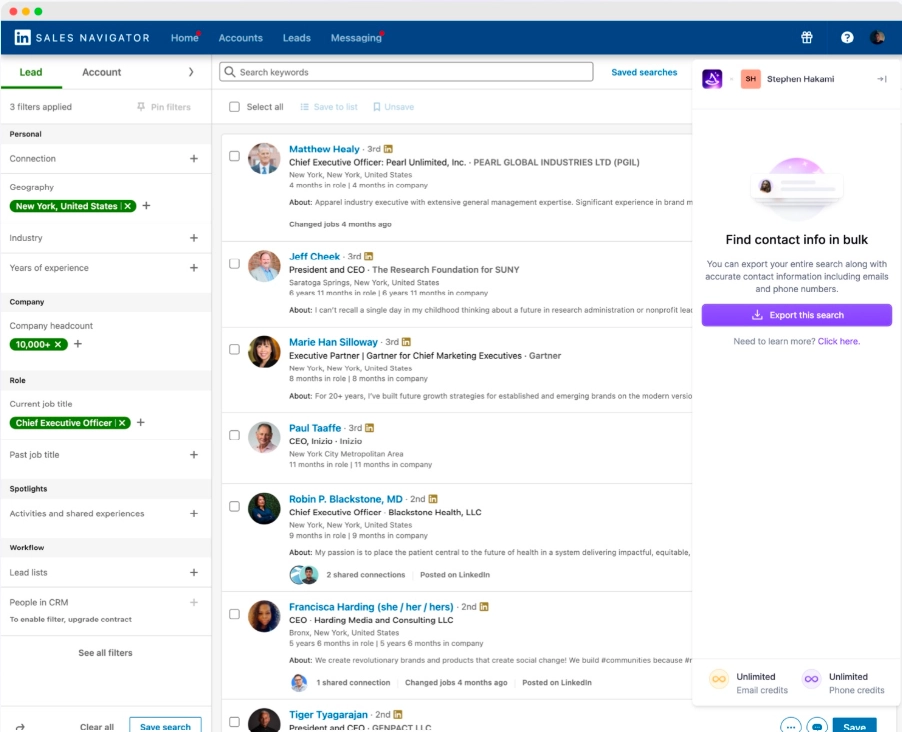
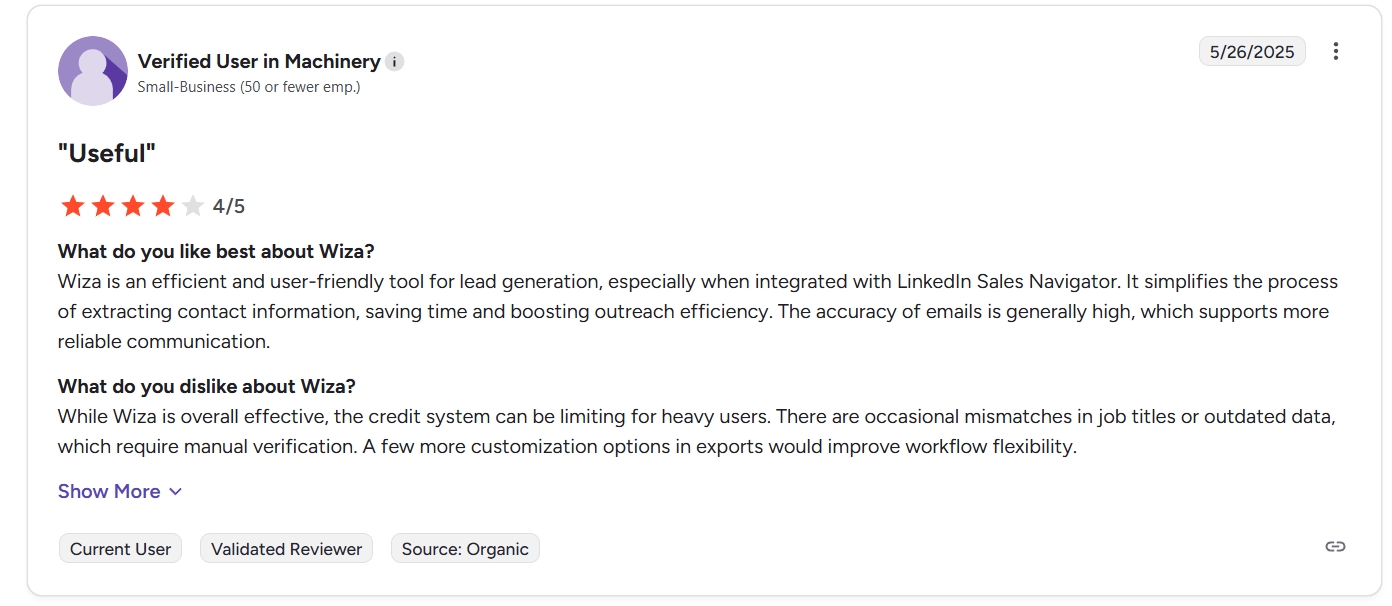
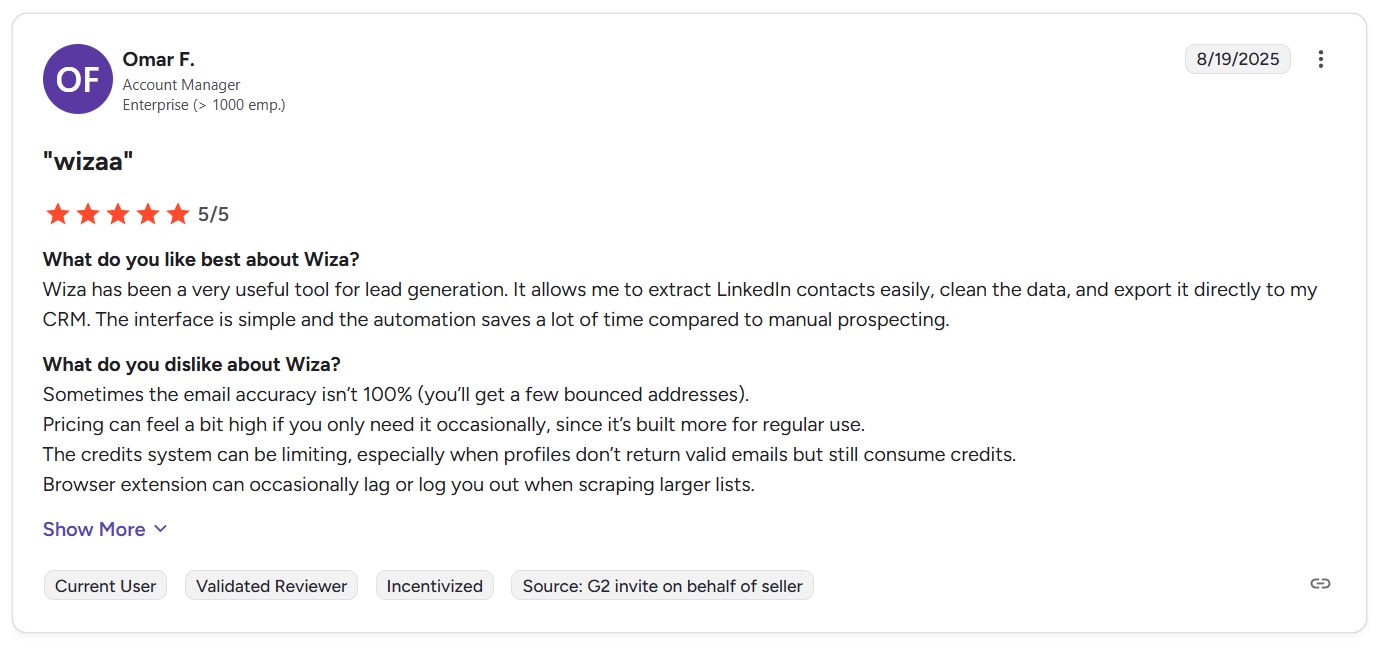
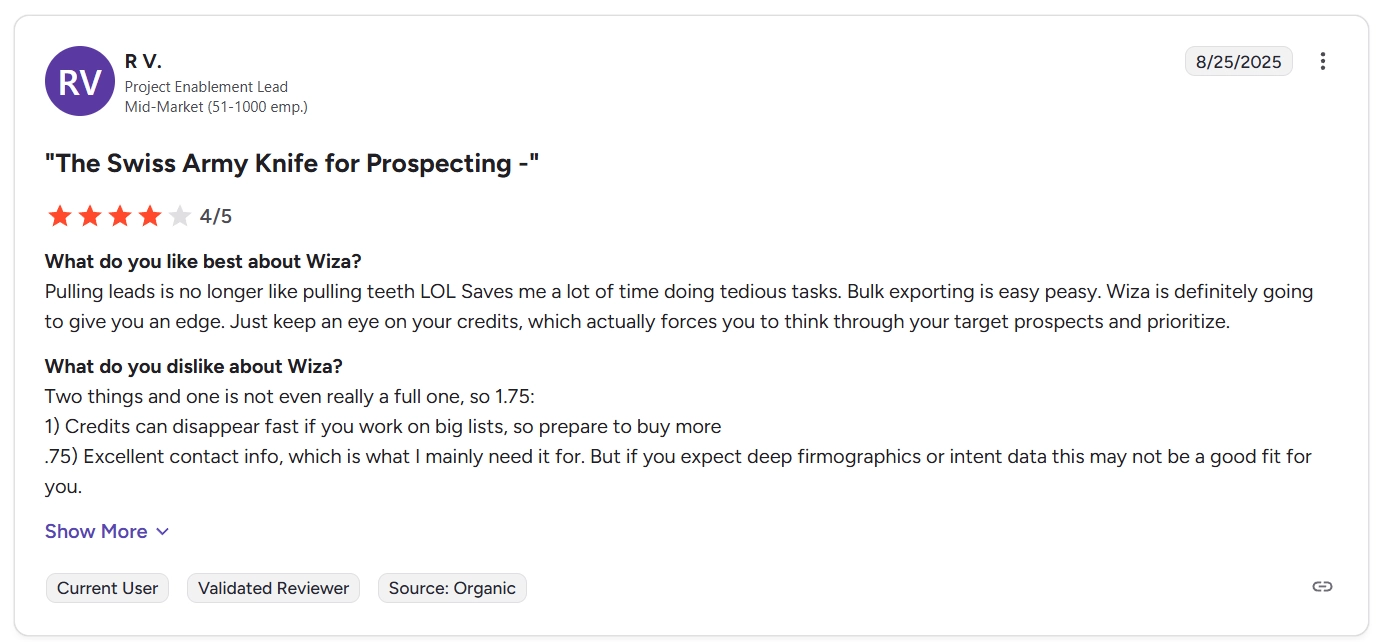
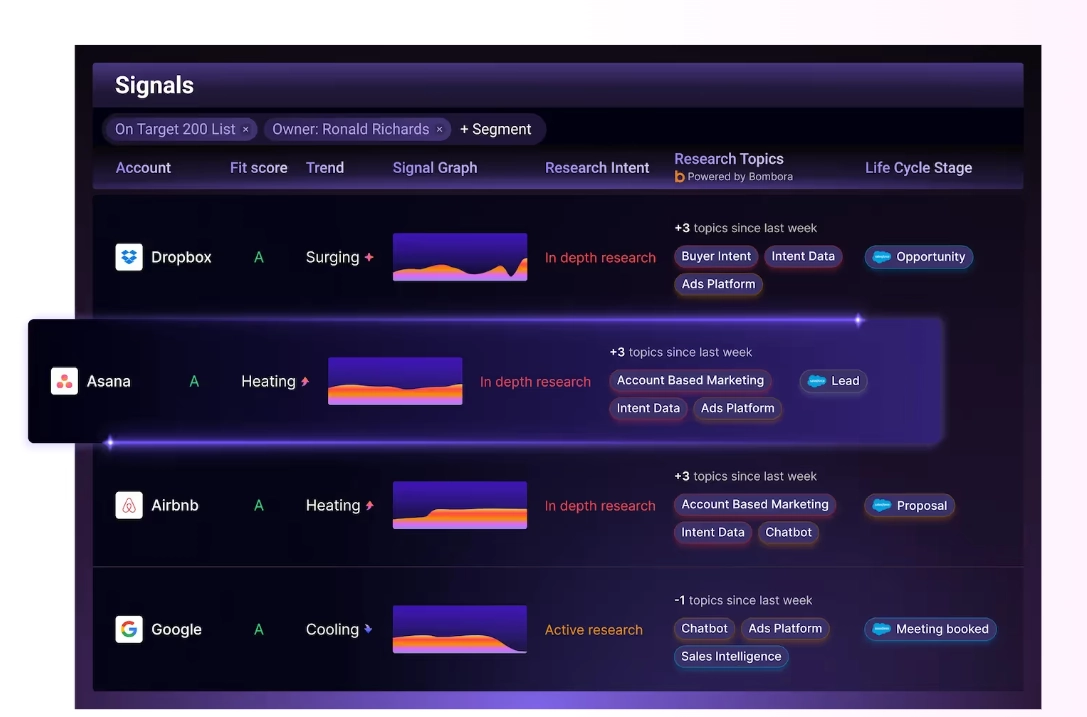
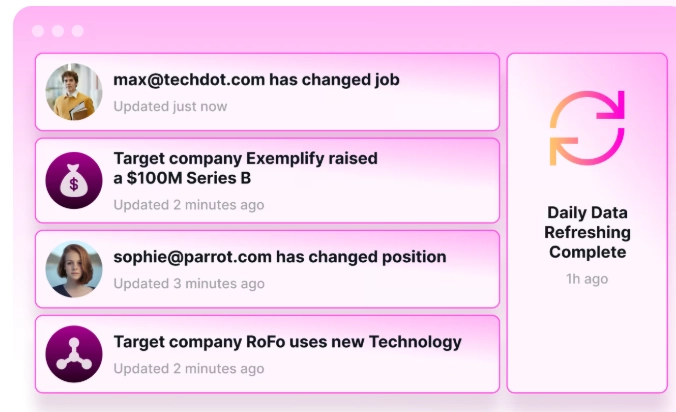
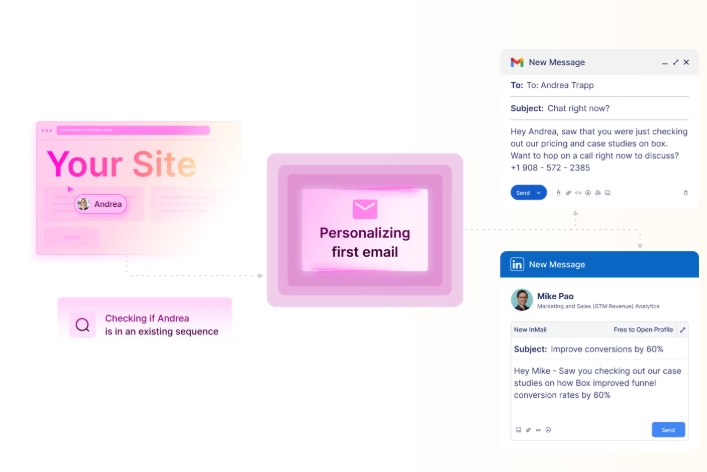

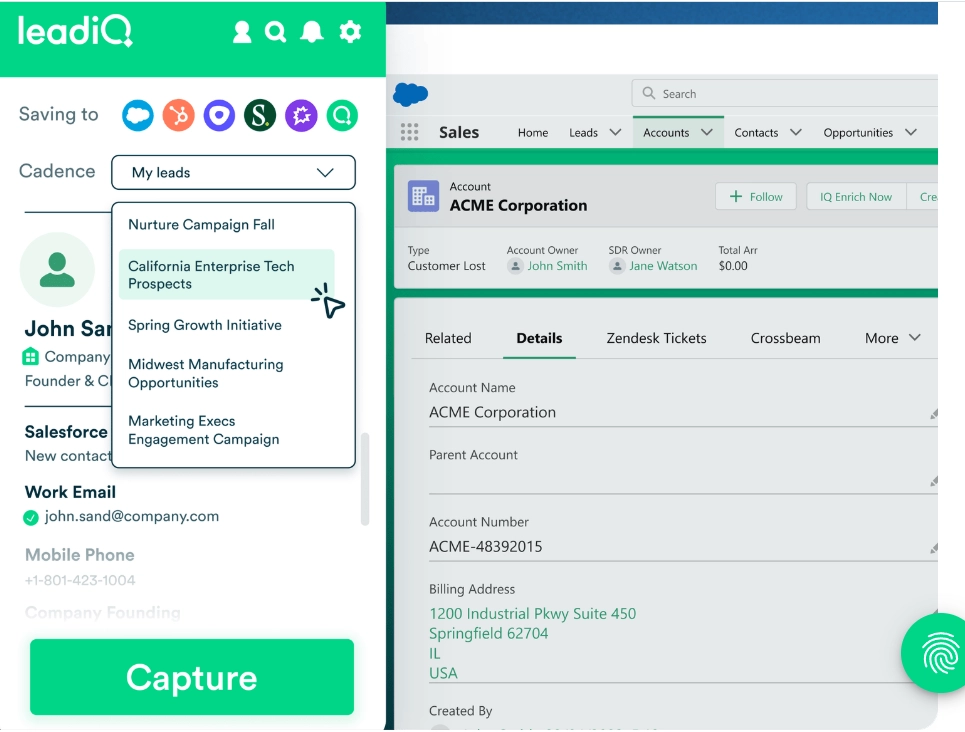
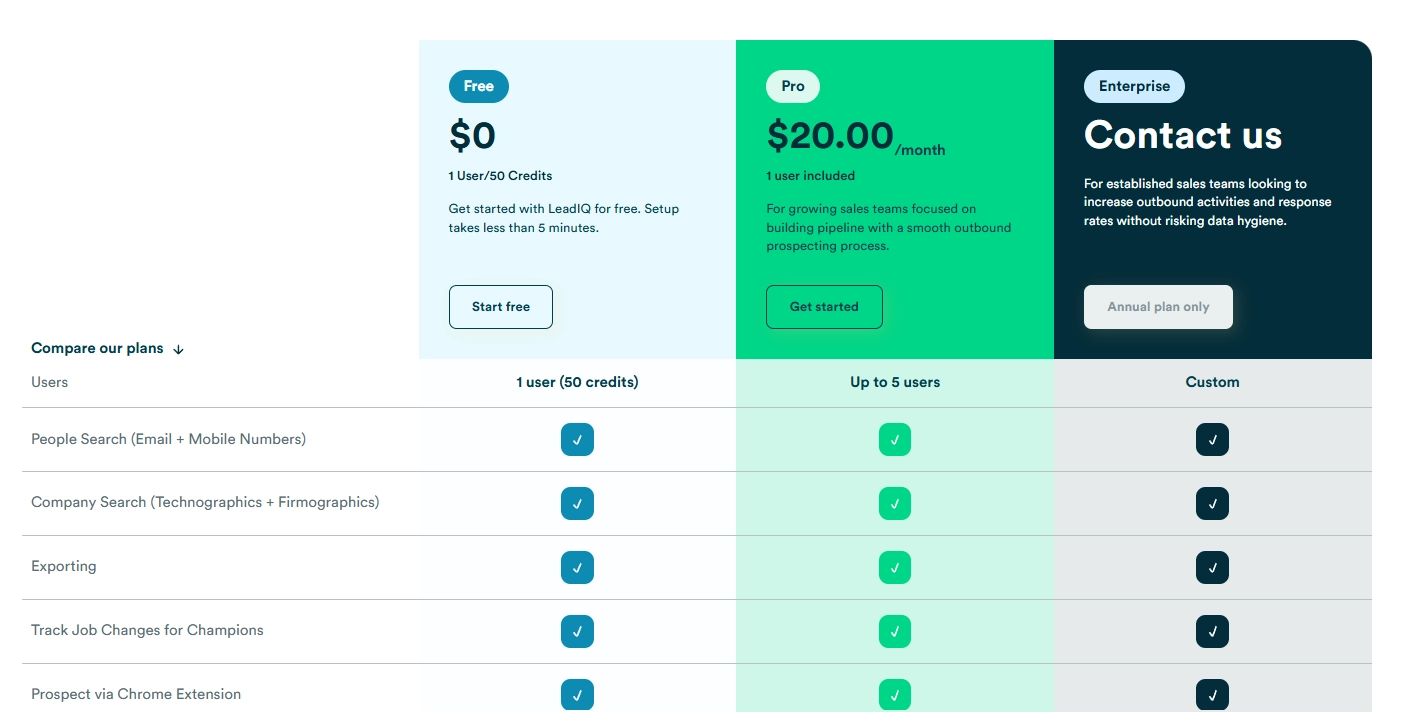

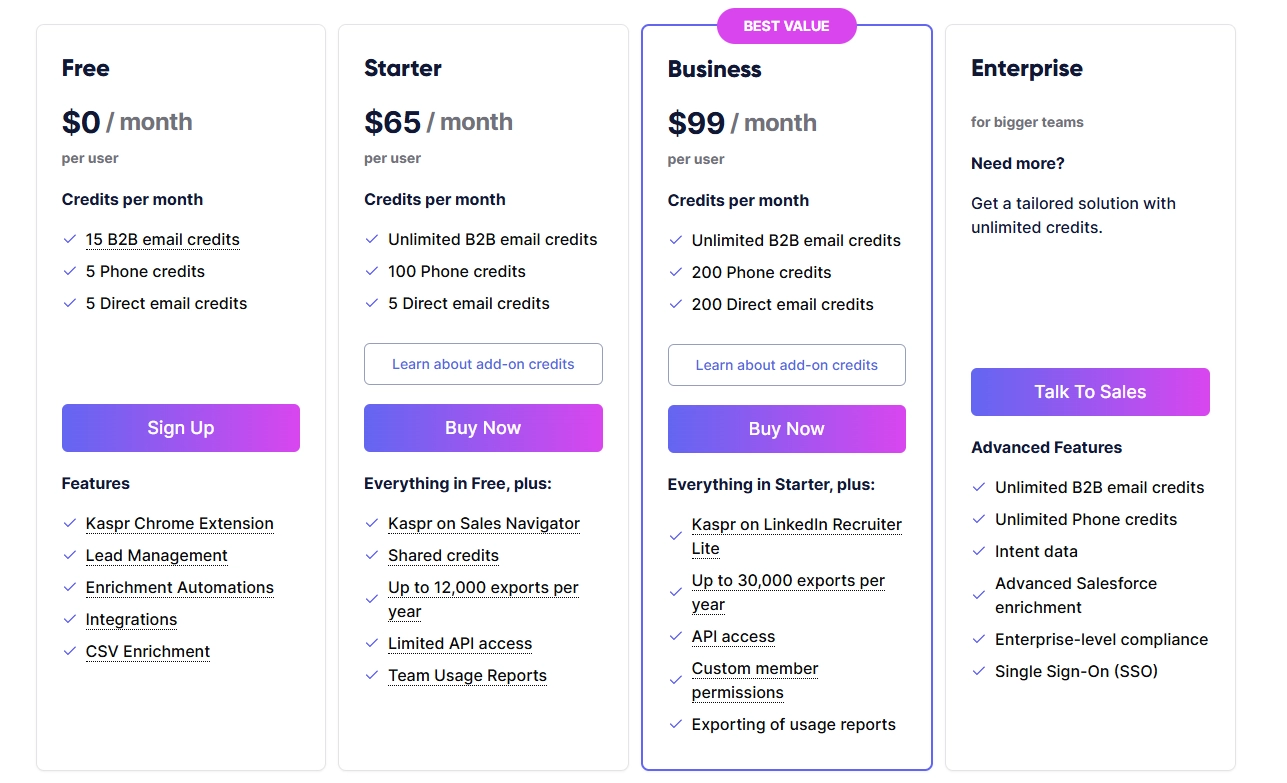
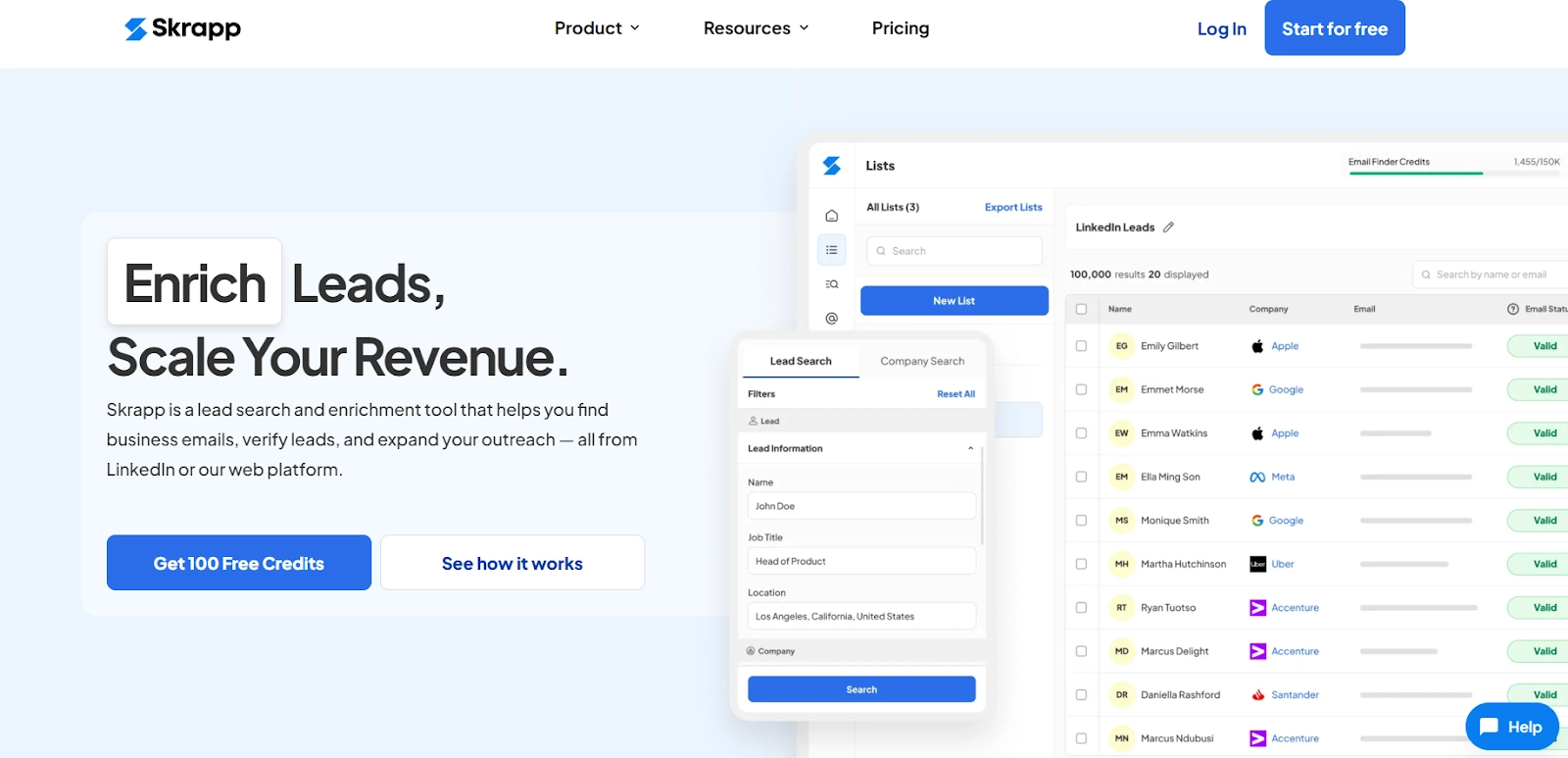
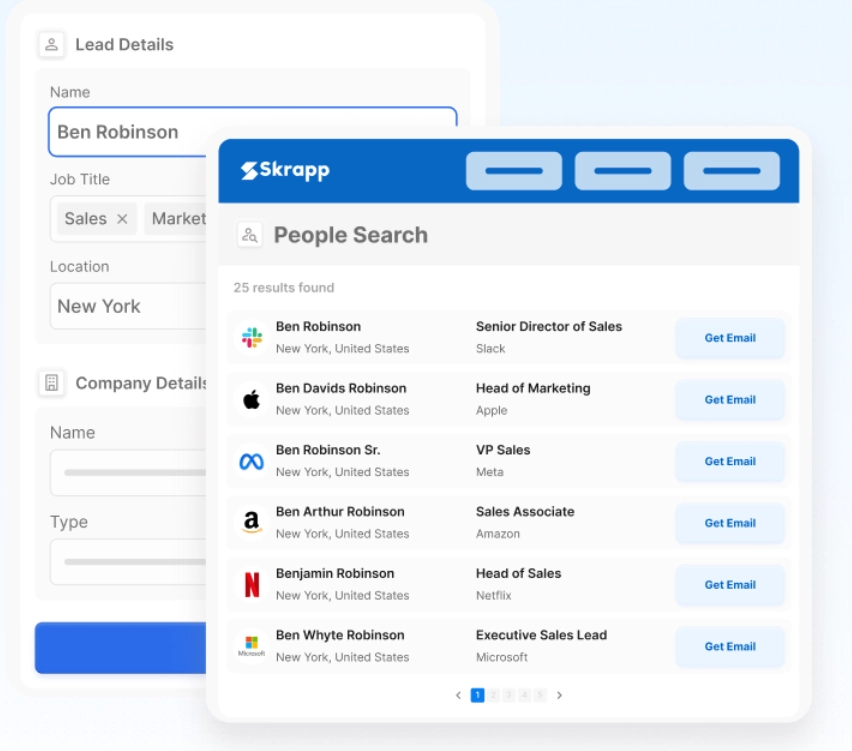
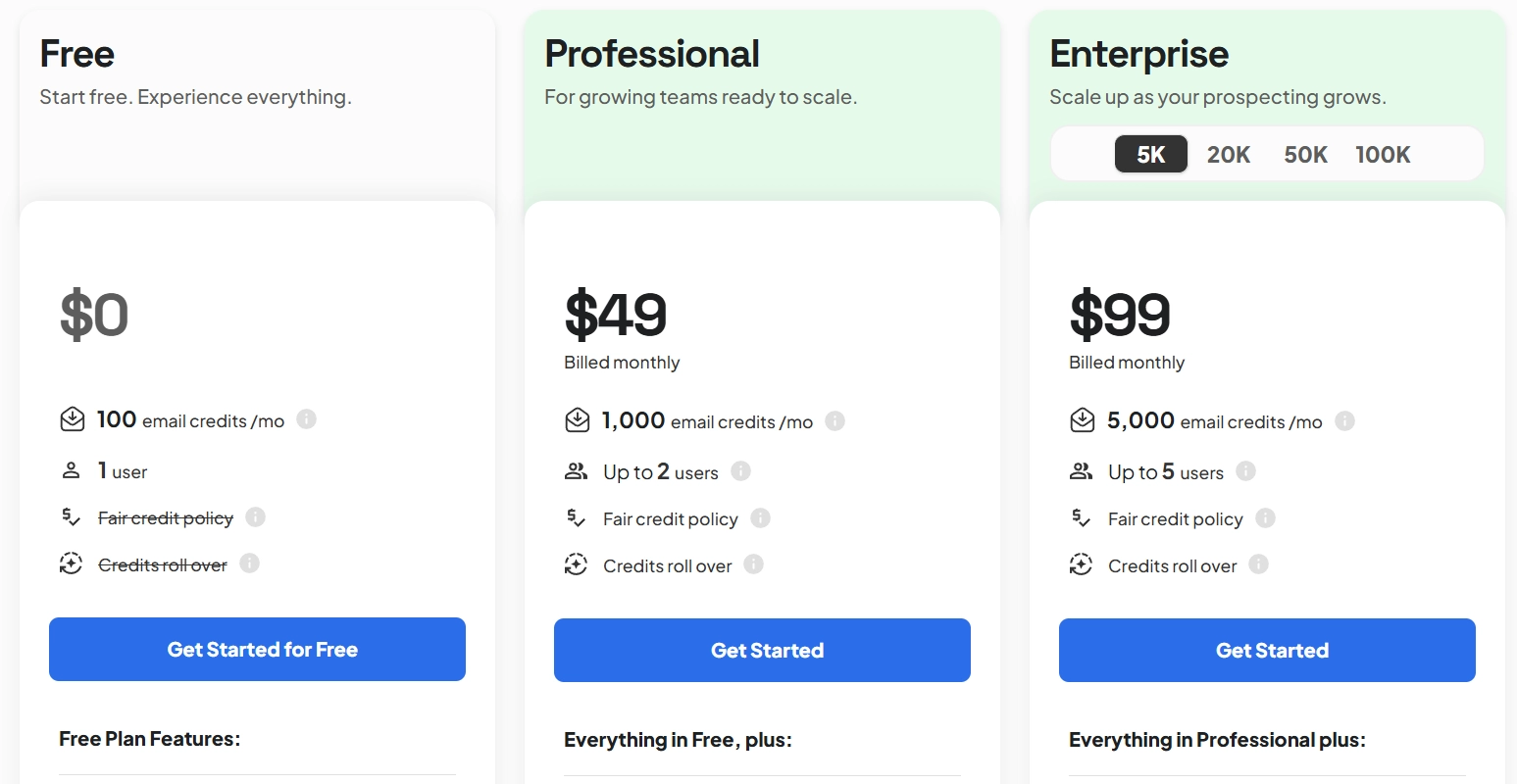
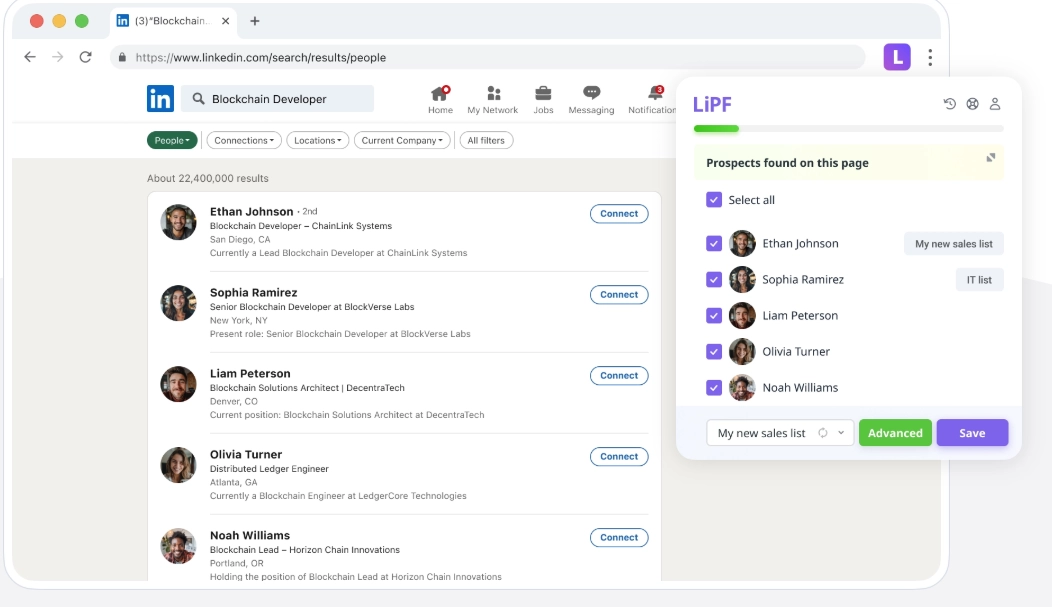
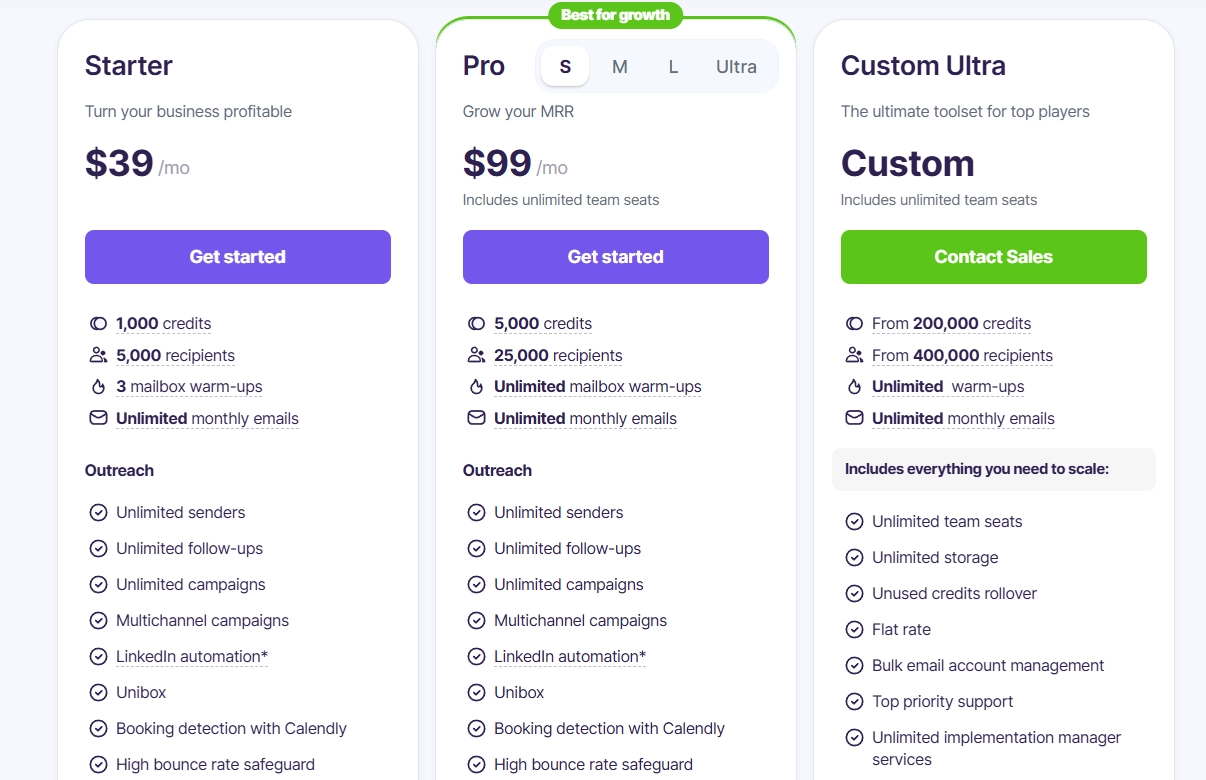
![10 Best Sales Engagement Tools & Software [2026]](https://cdn.prod.website-files.com/6506fc5785bd592c468835e0/68dd79b9394c386c5a86f023_sales_engagement_software.webp)
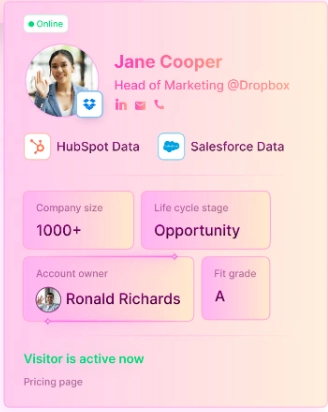
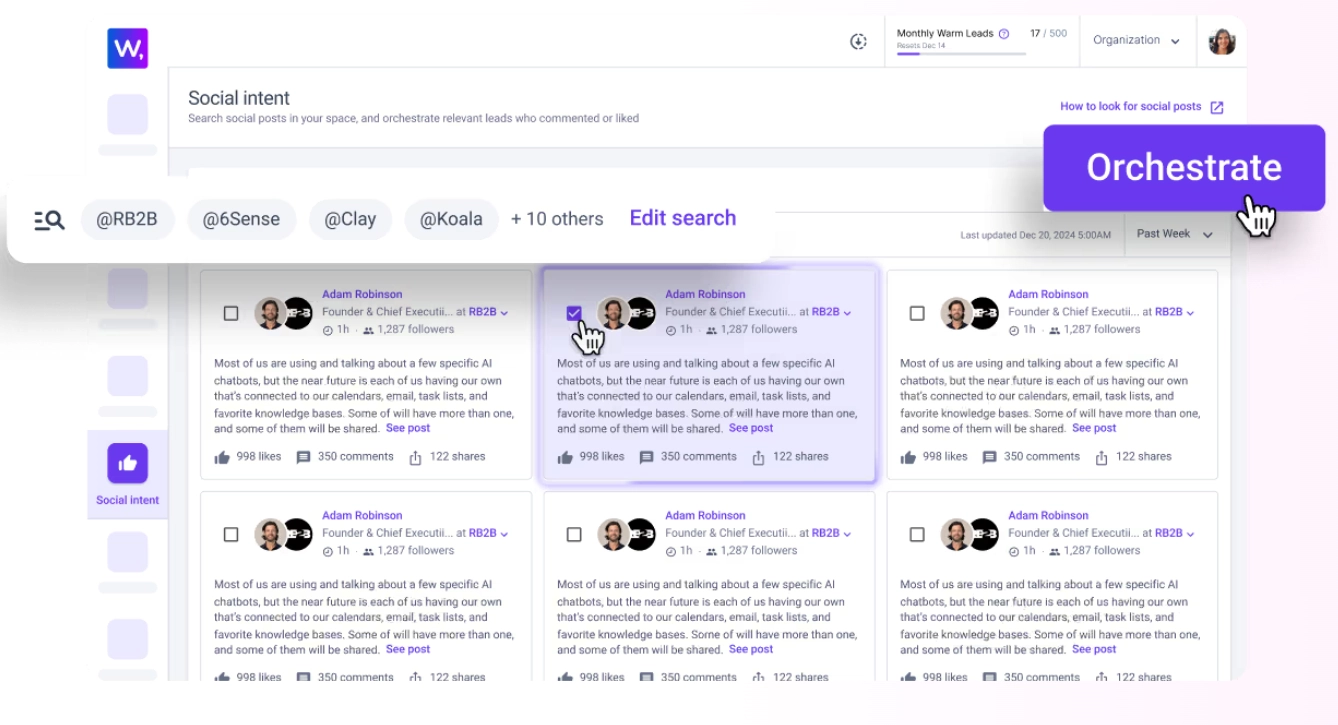
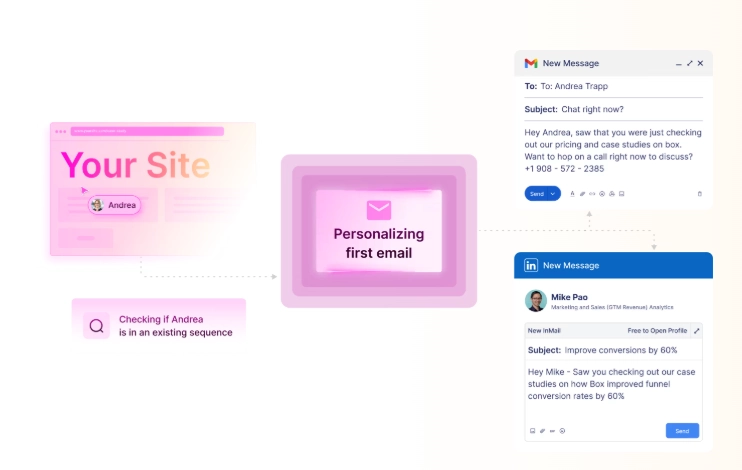
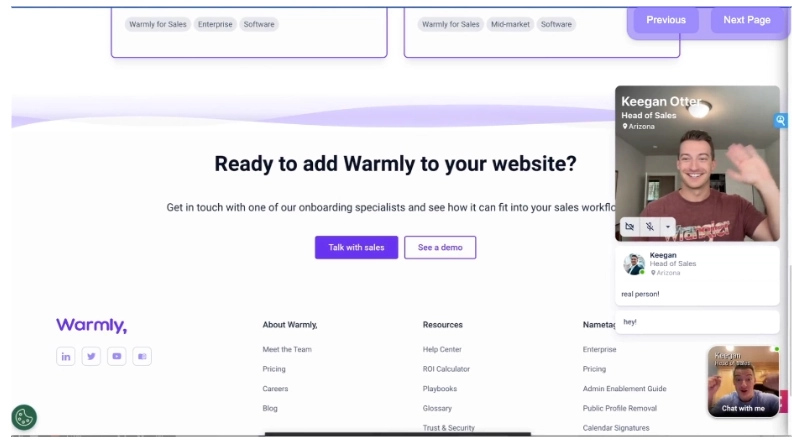
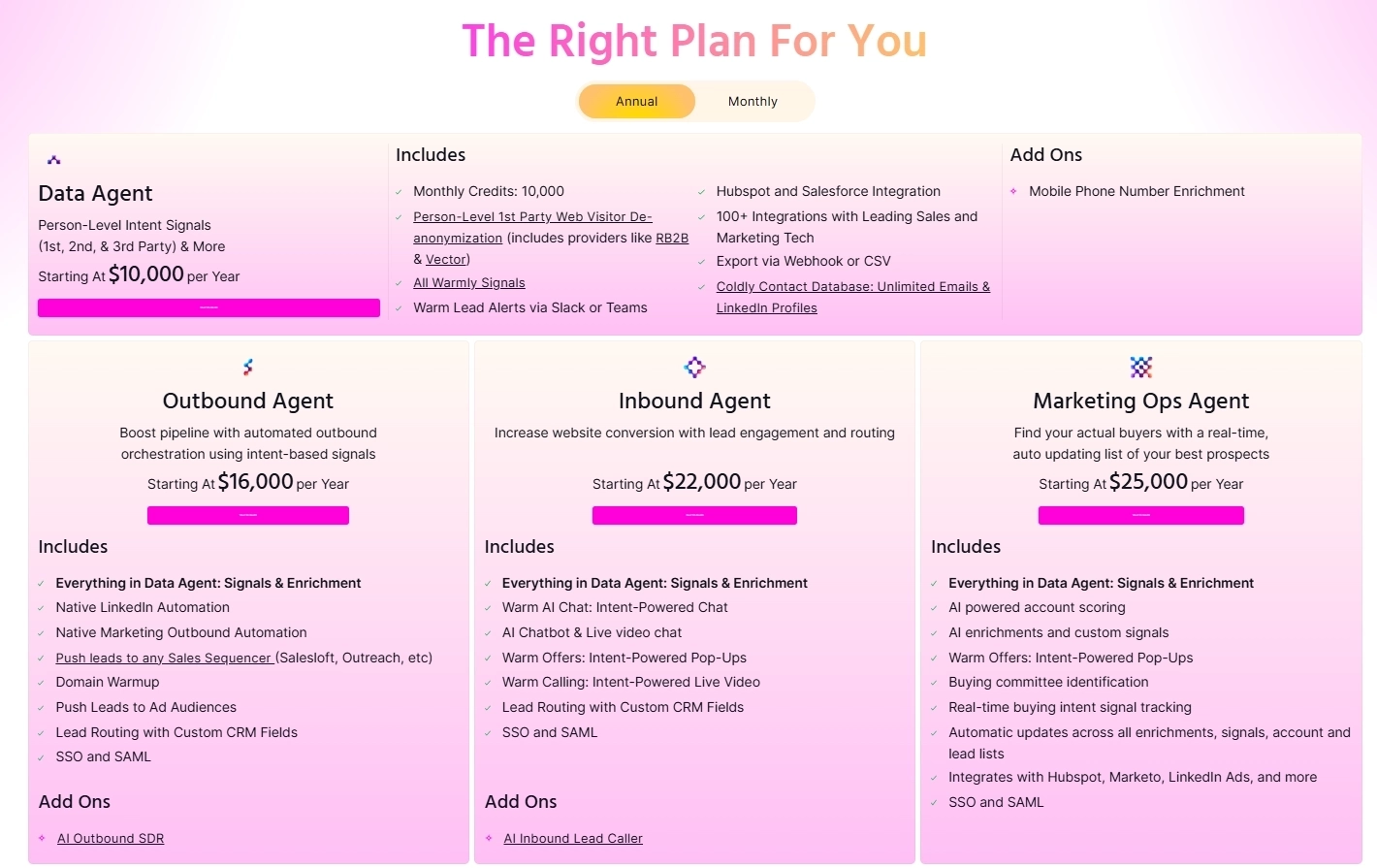
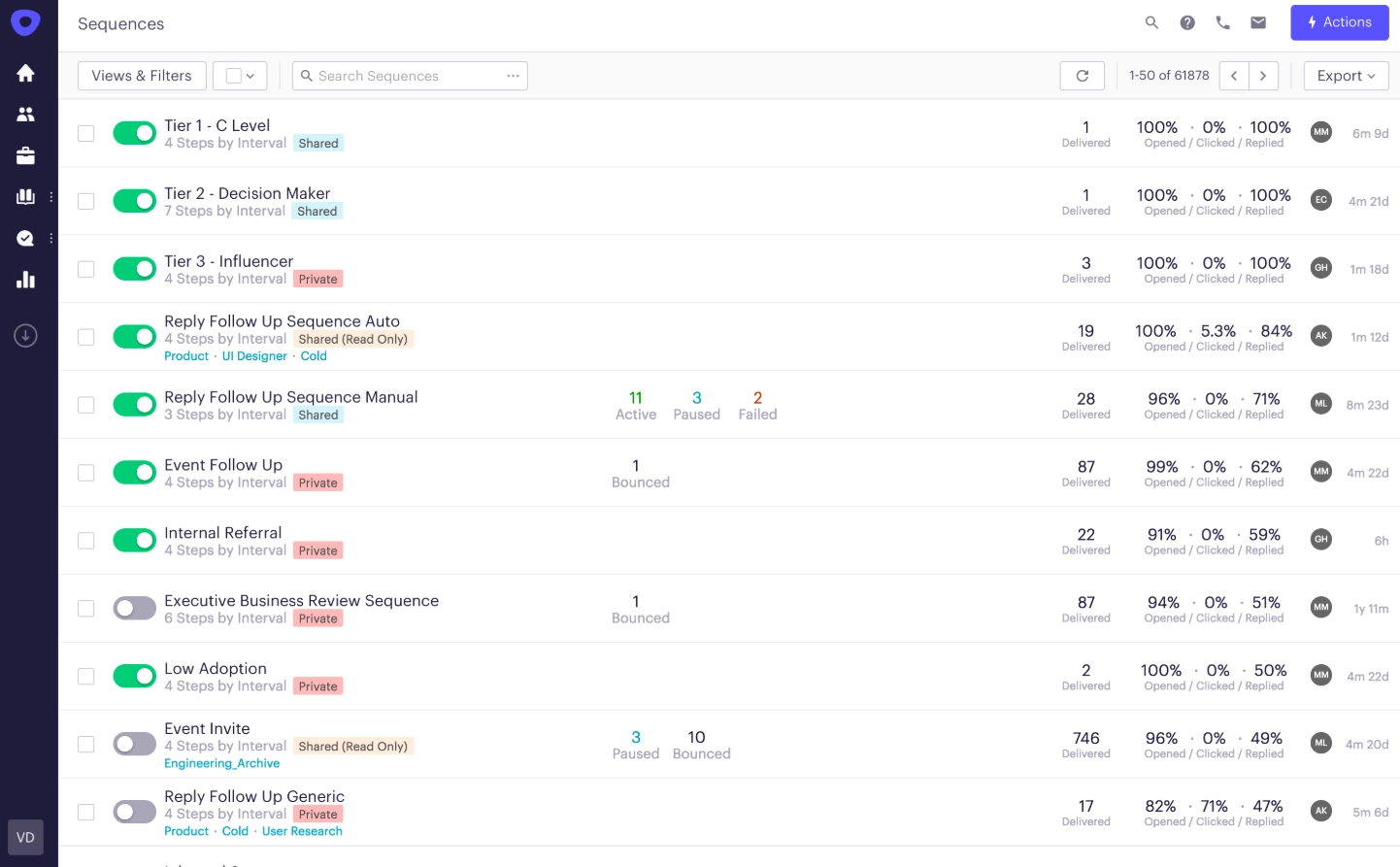
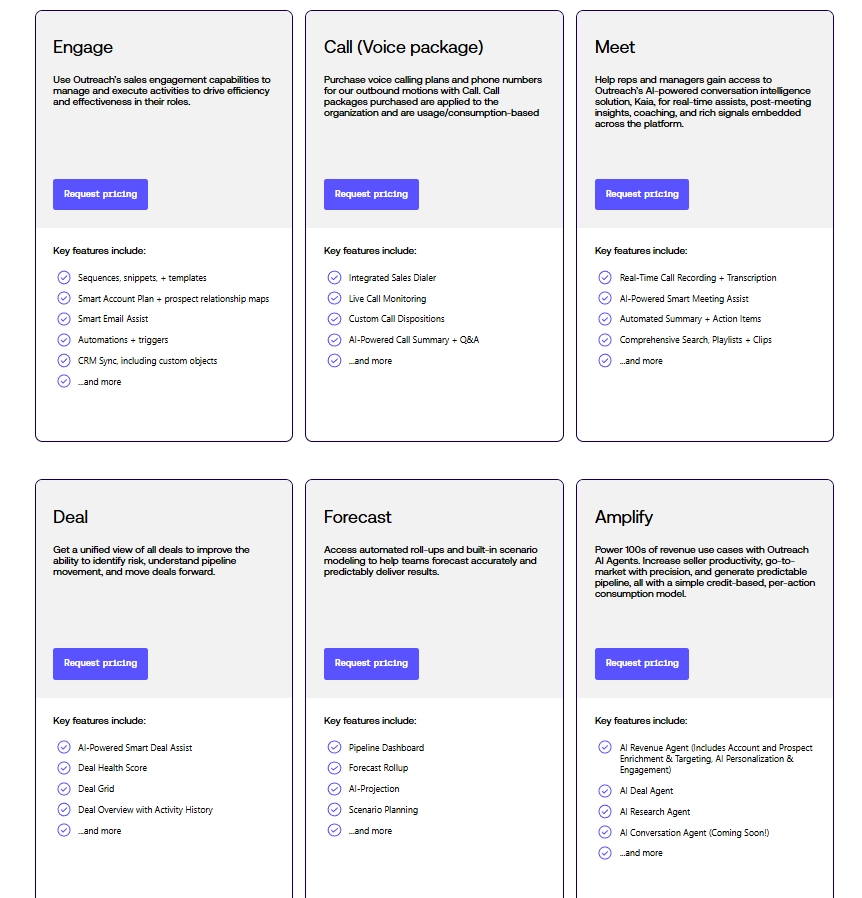
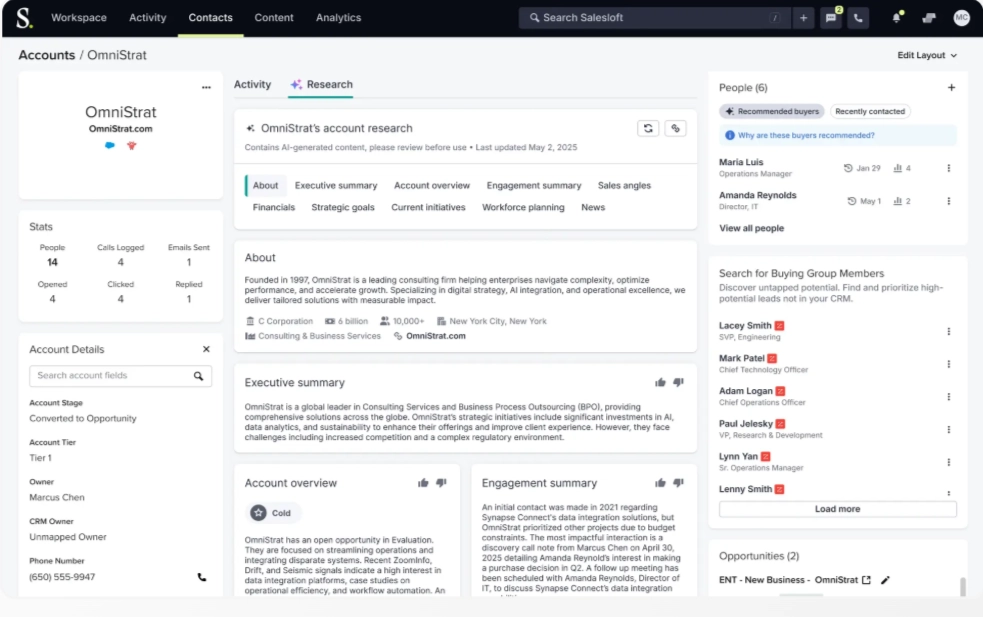
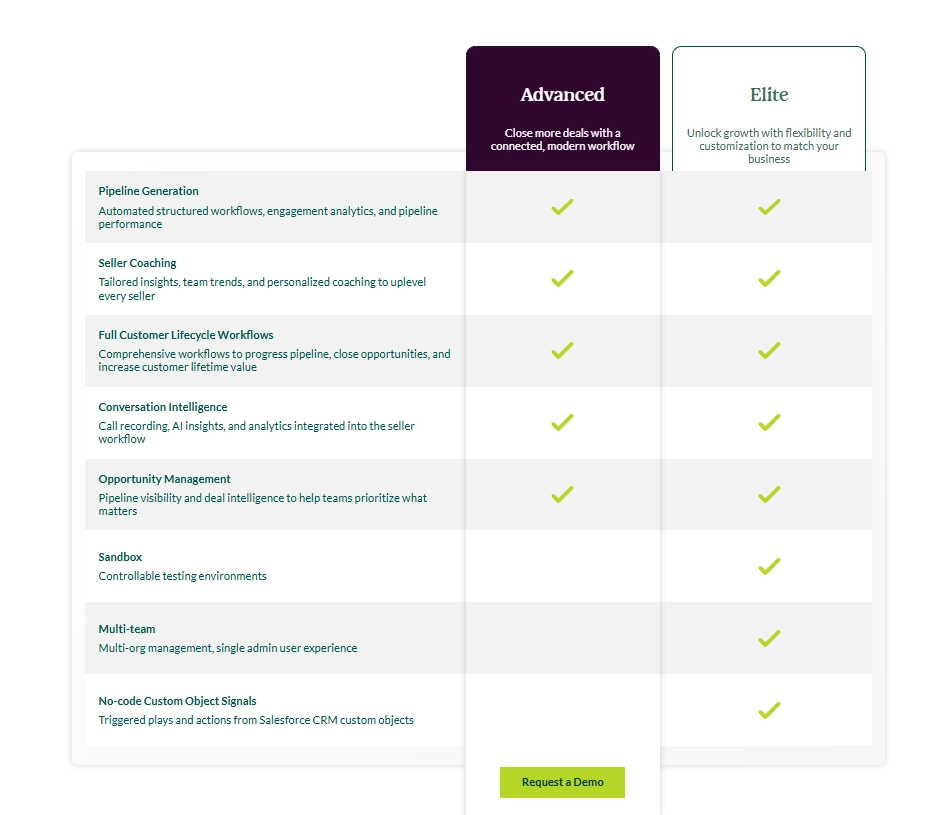
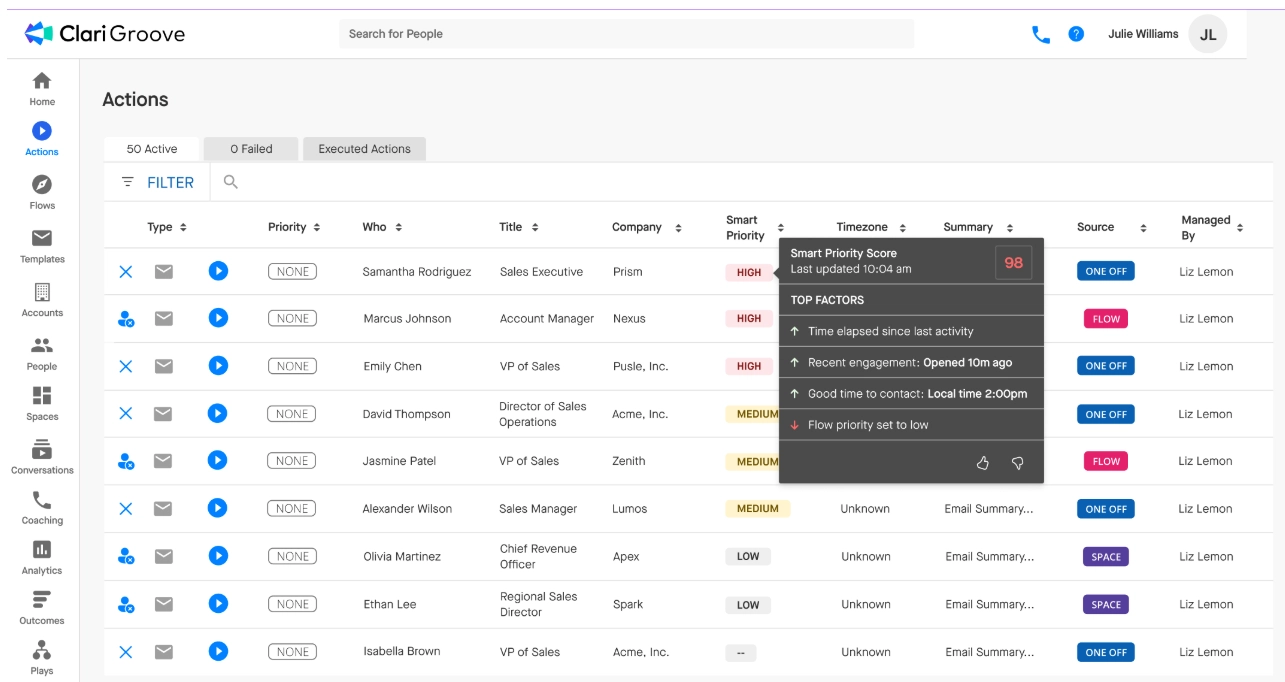
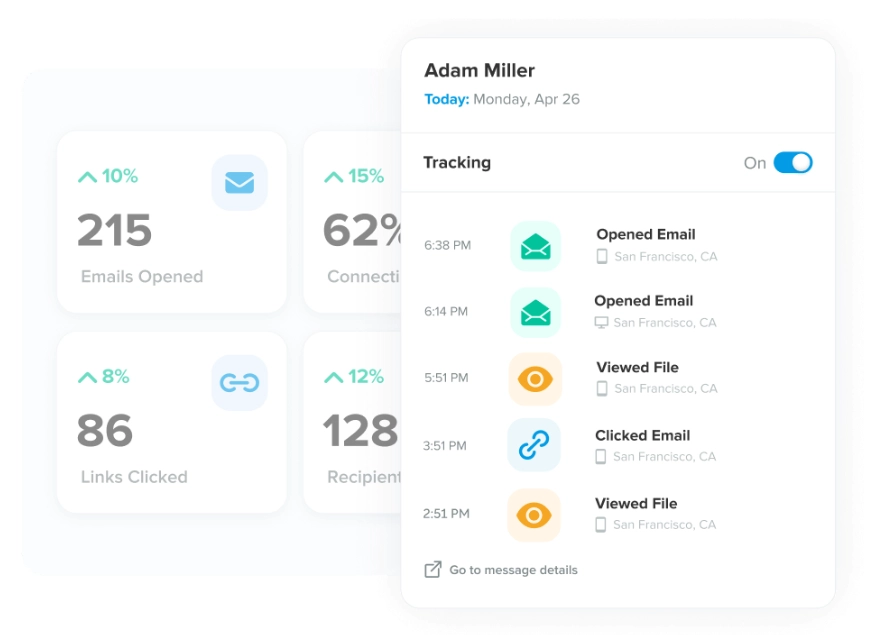
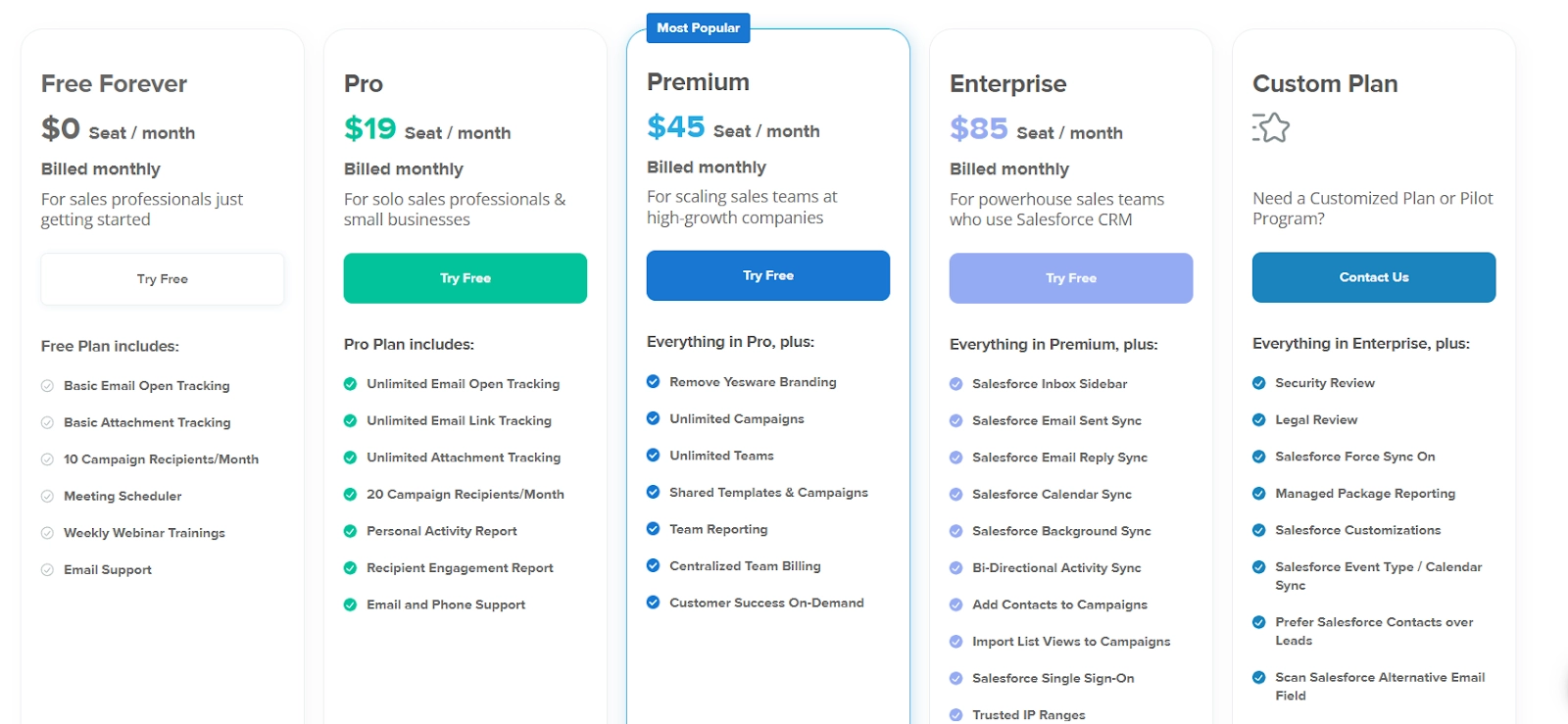
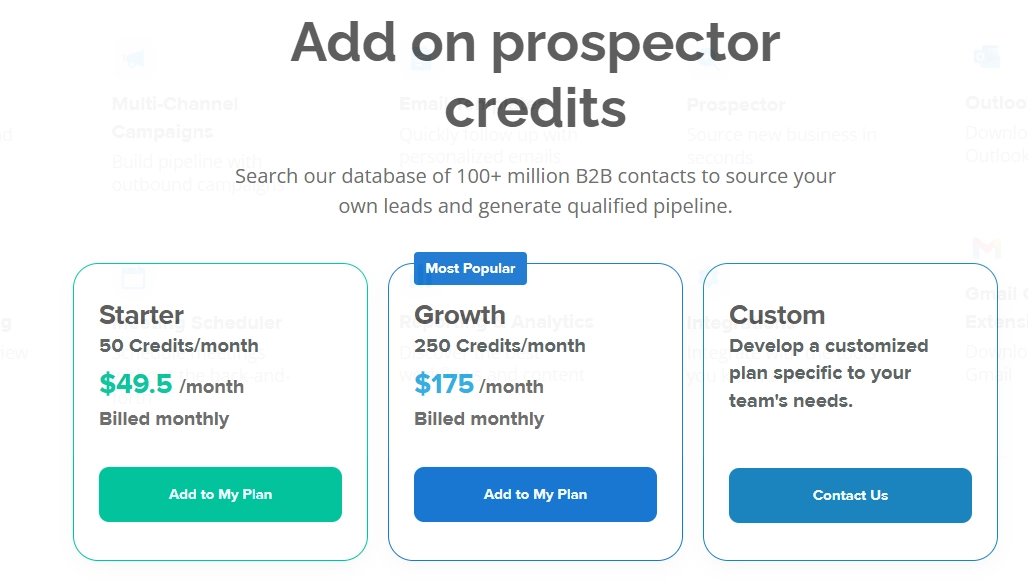
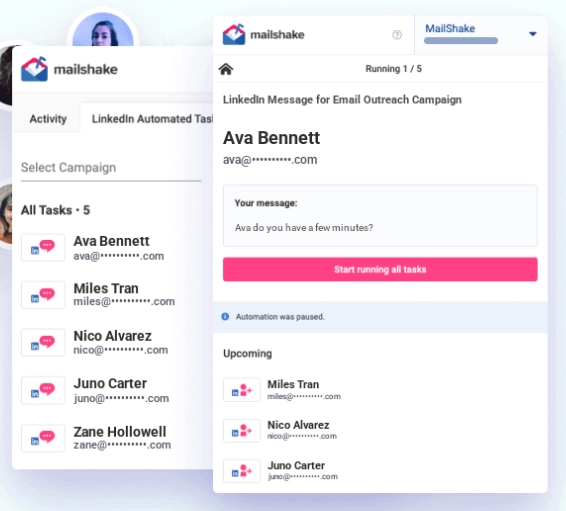
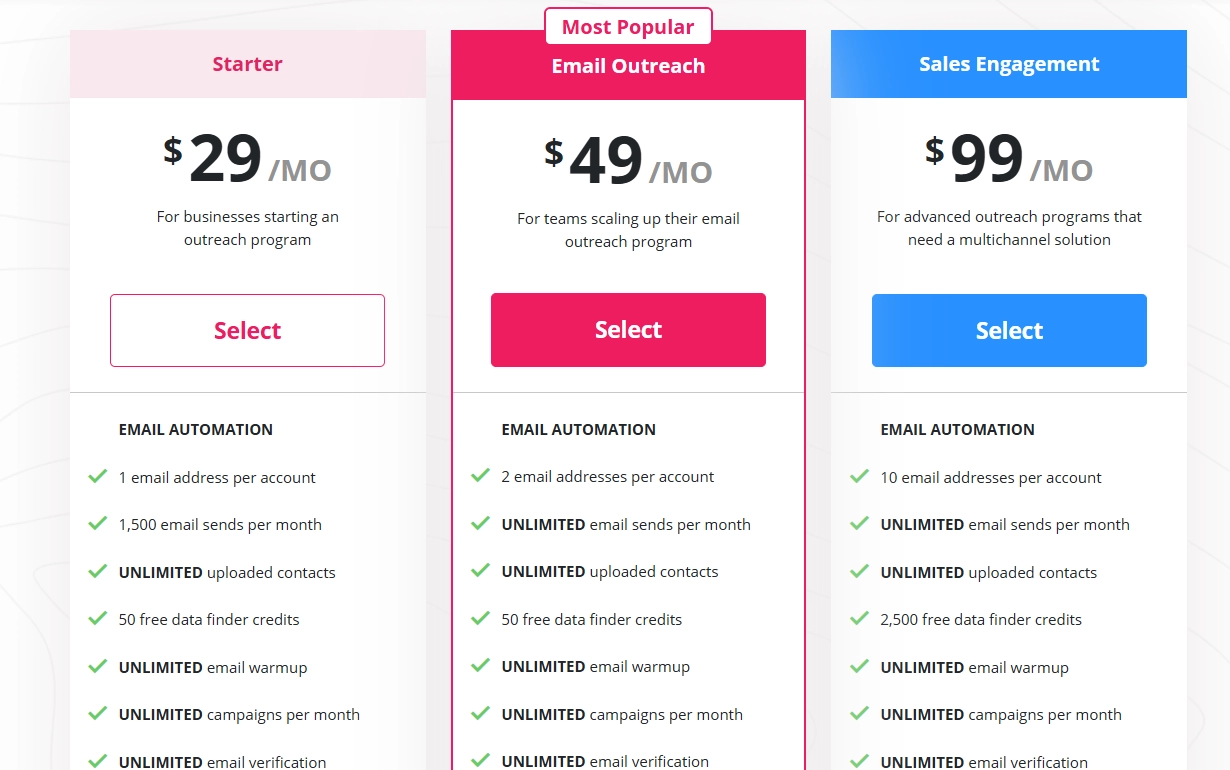
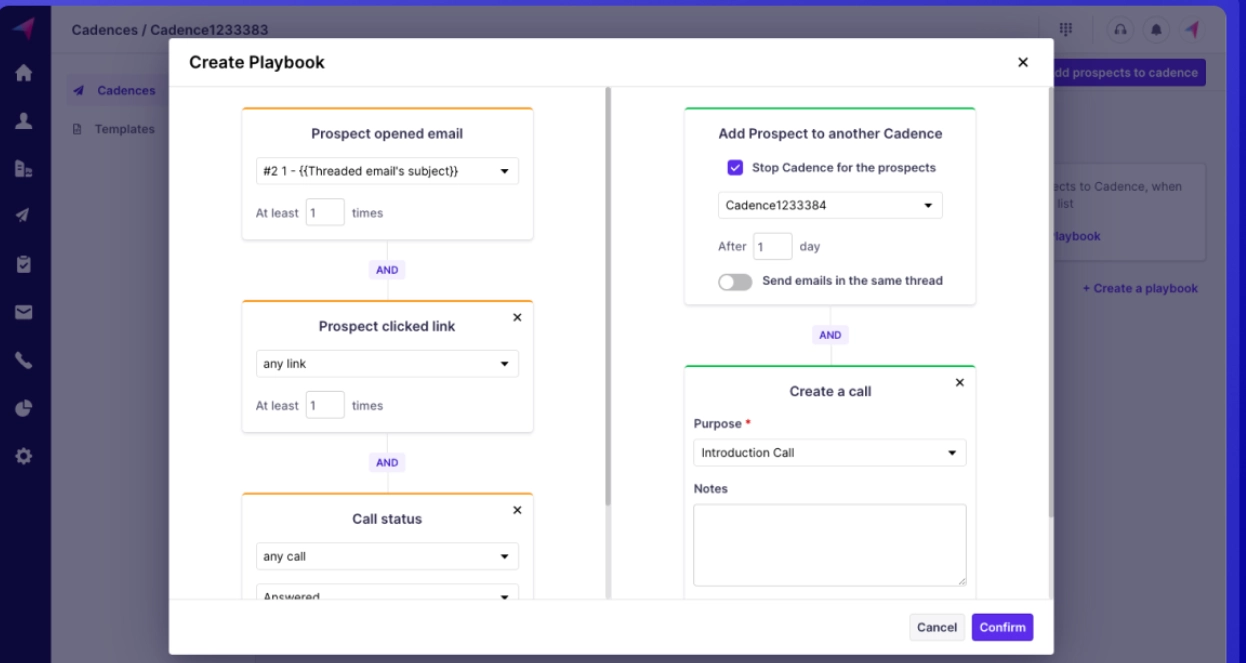
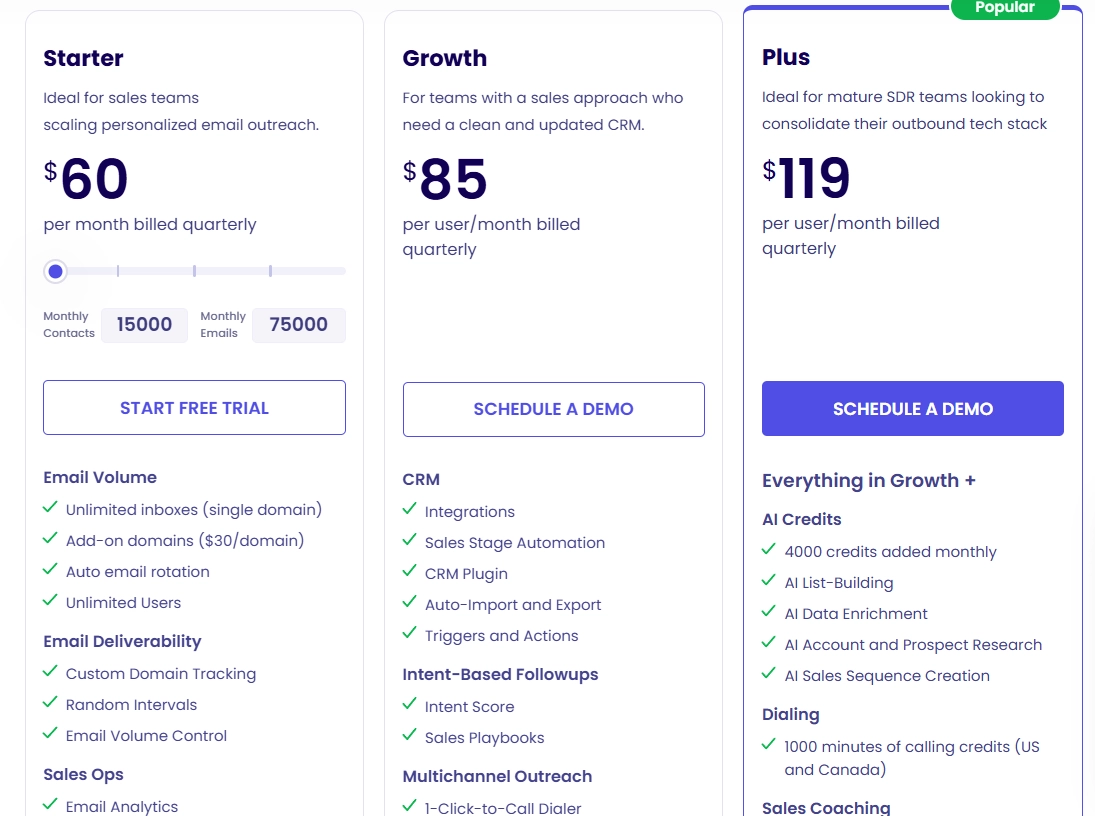

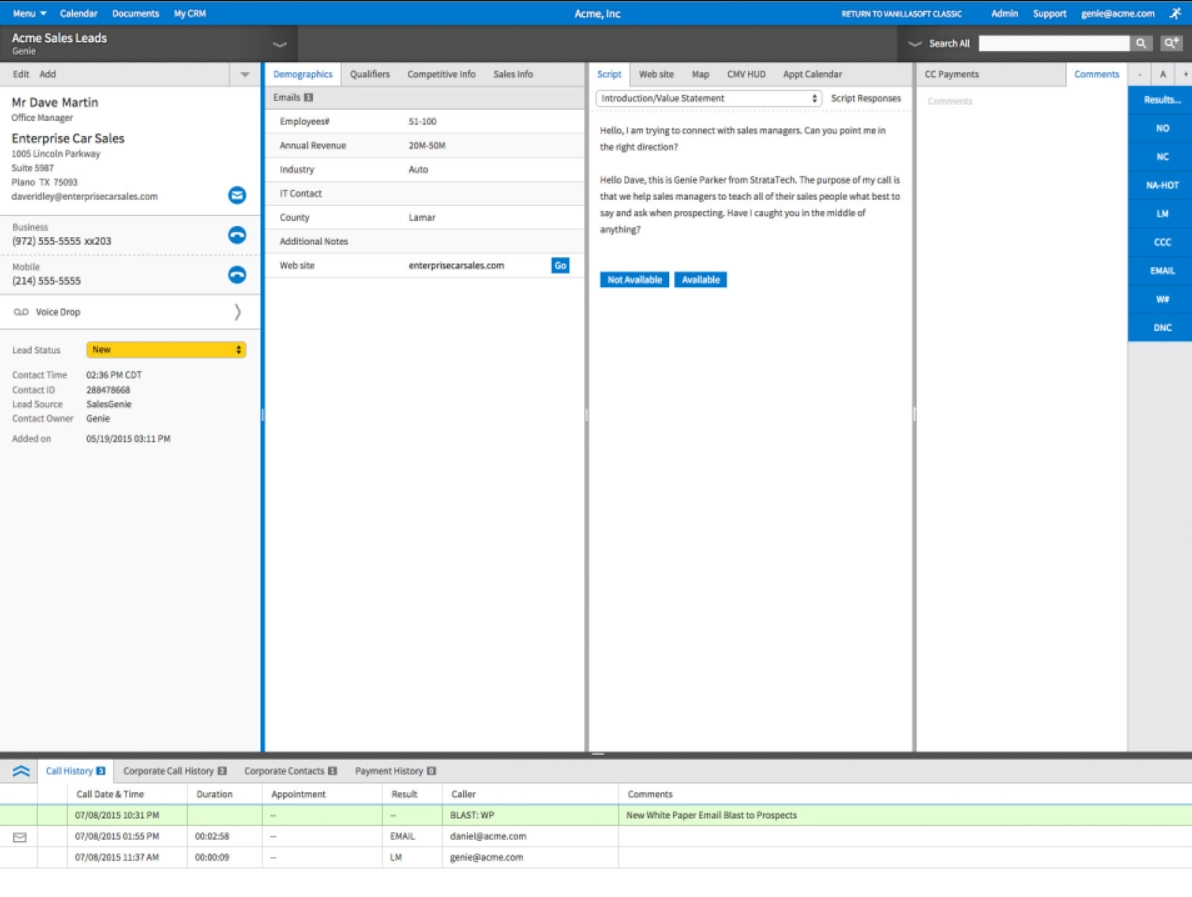
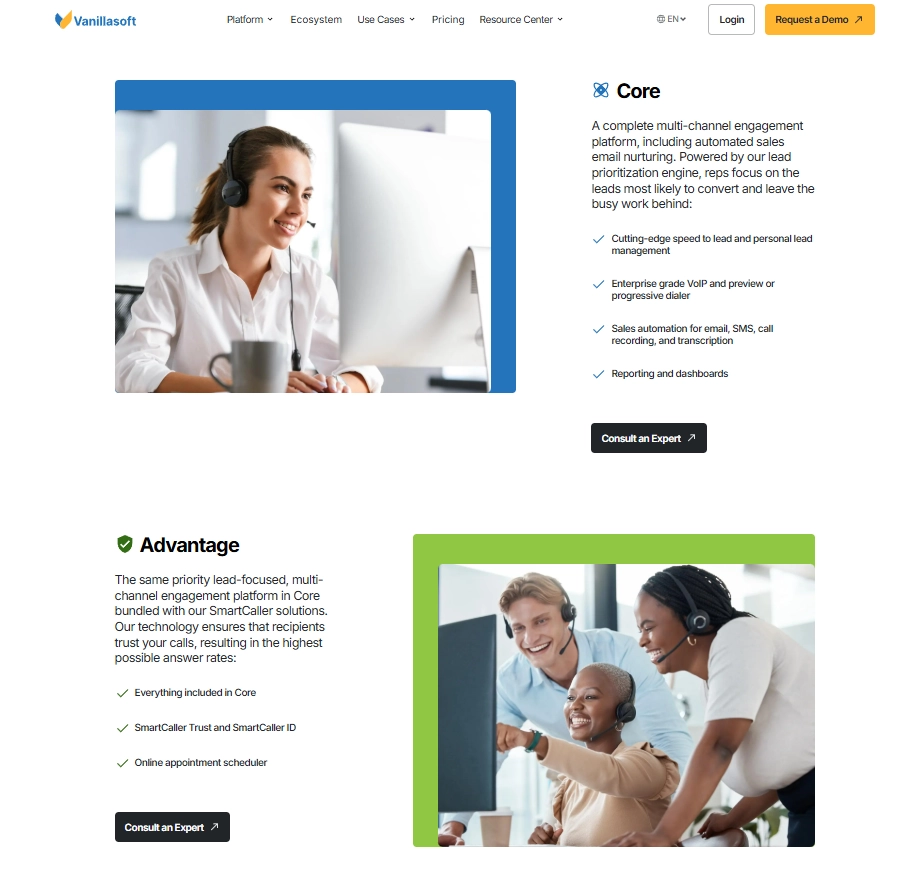


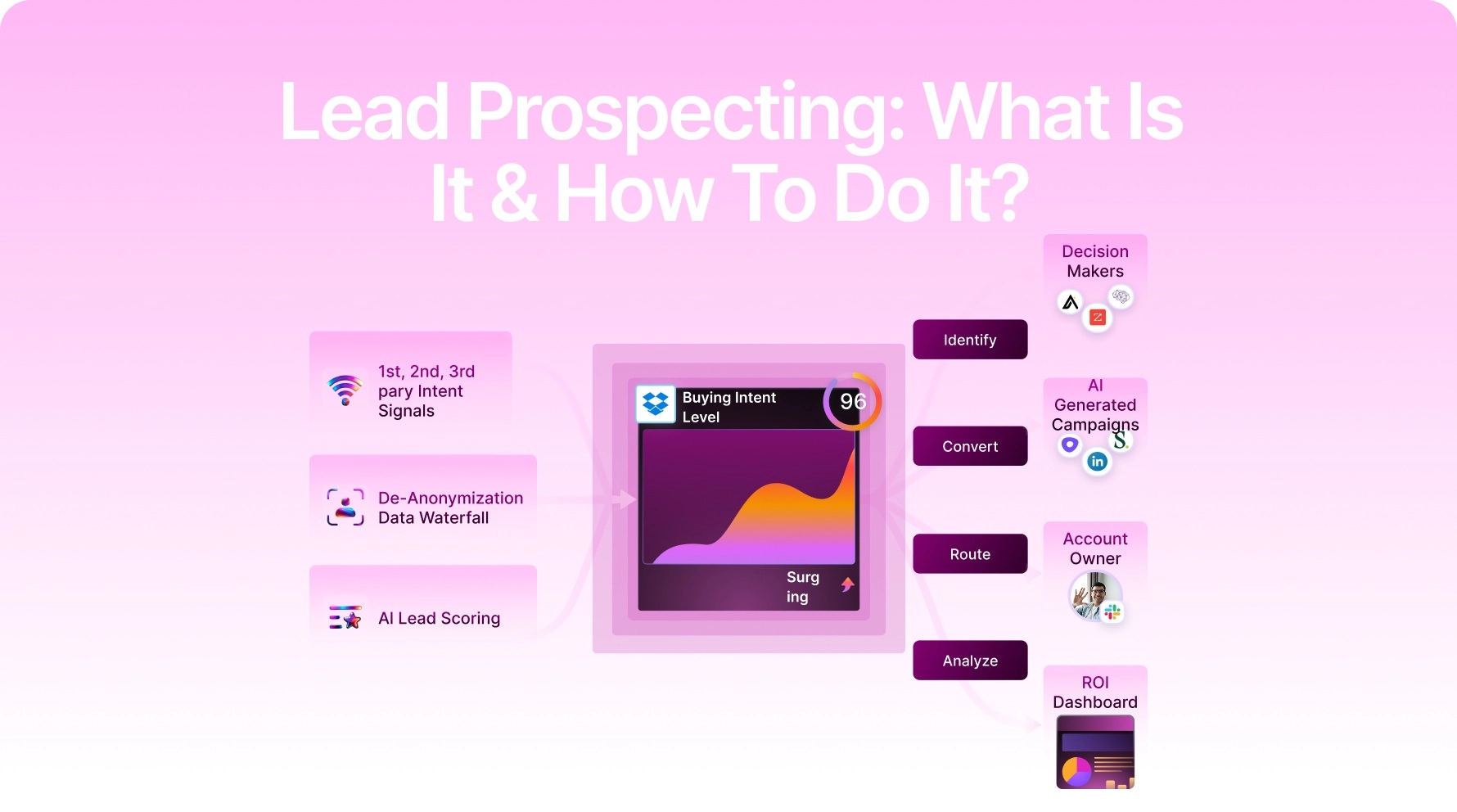
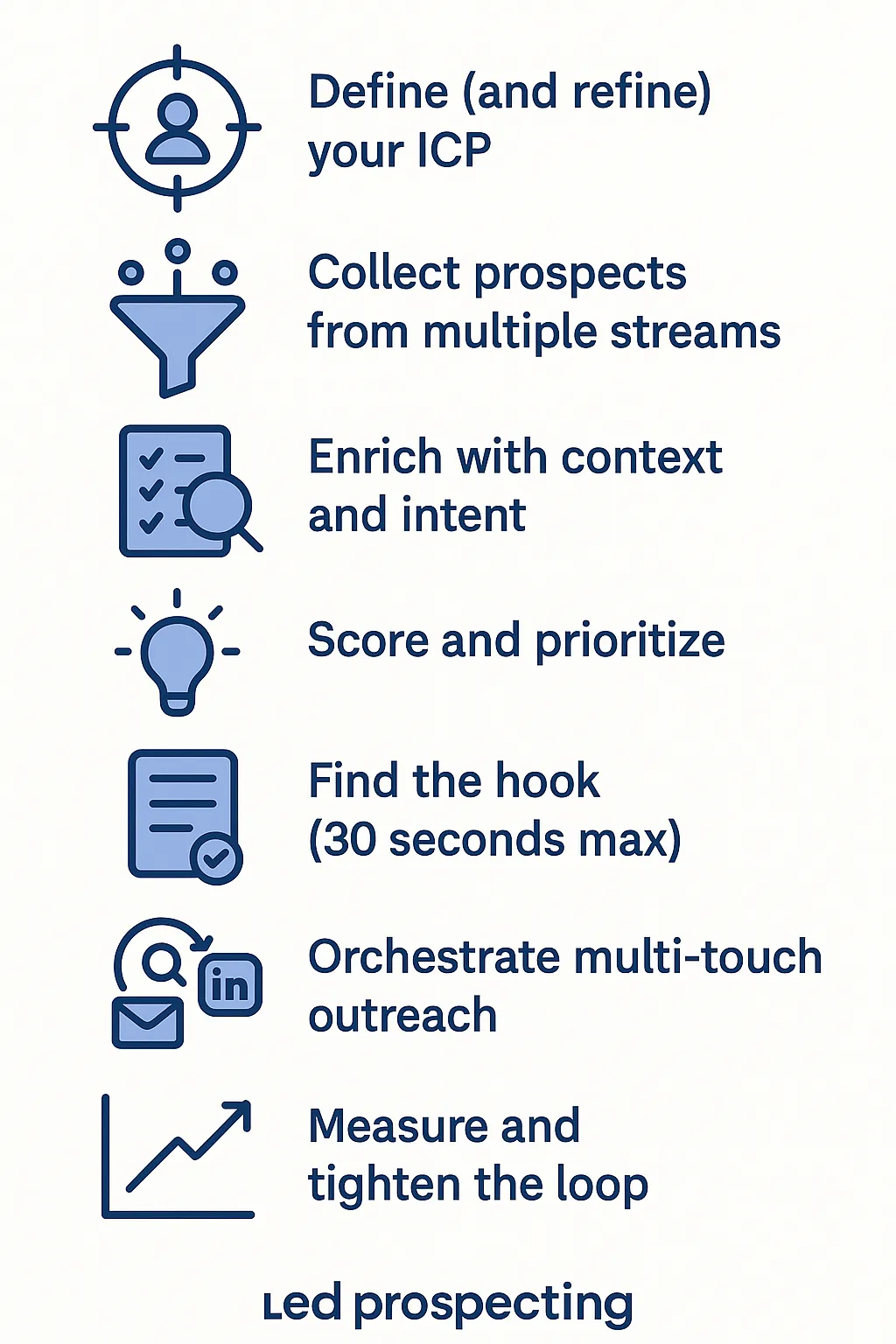
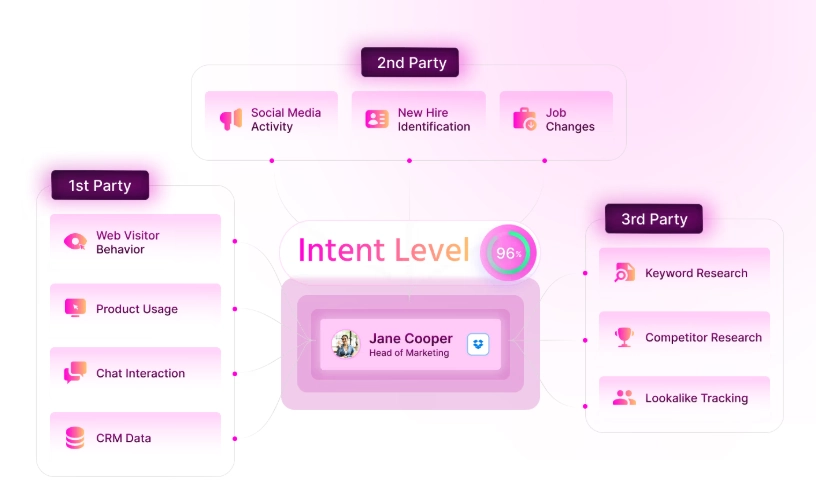

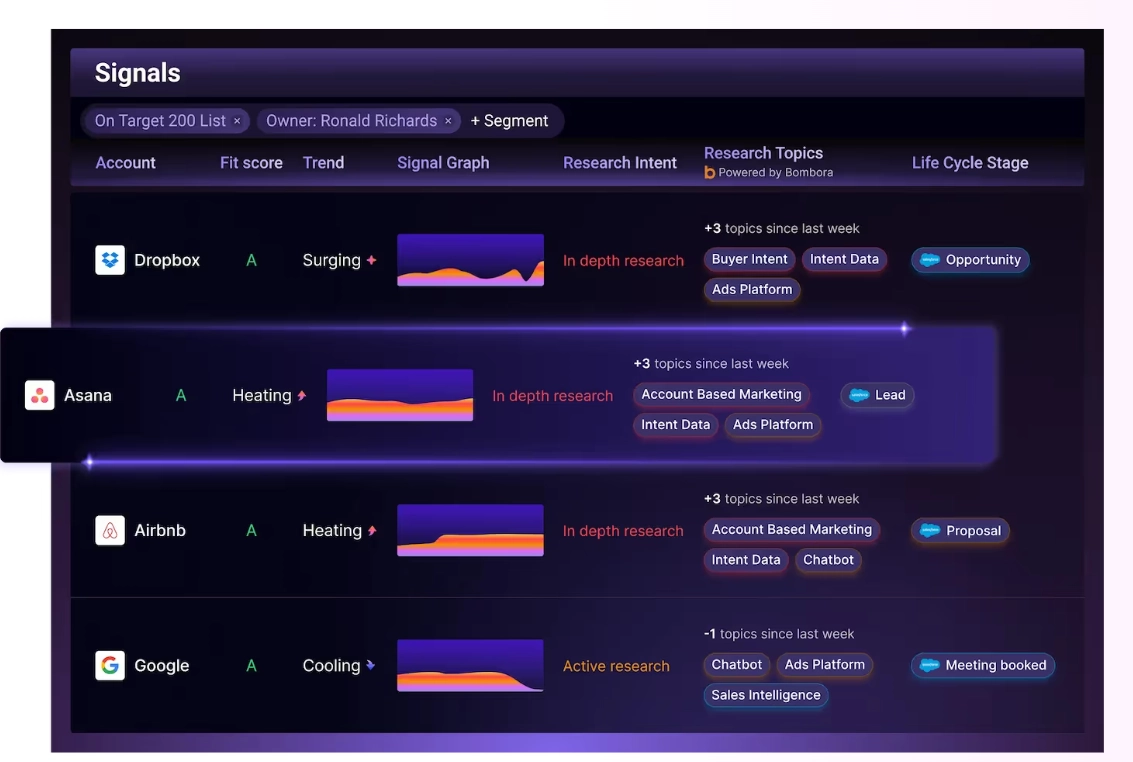


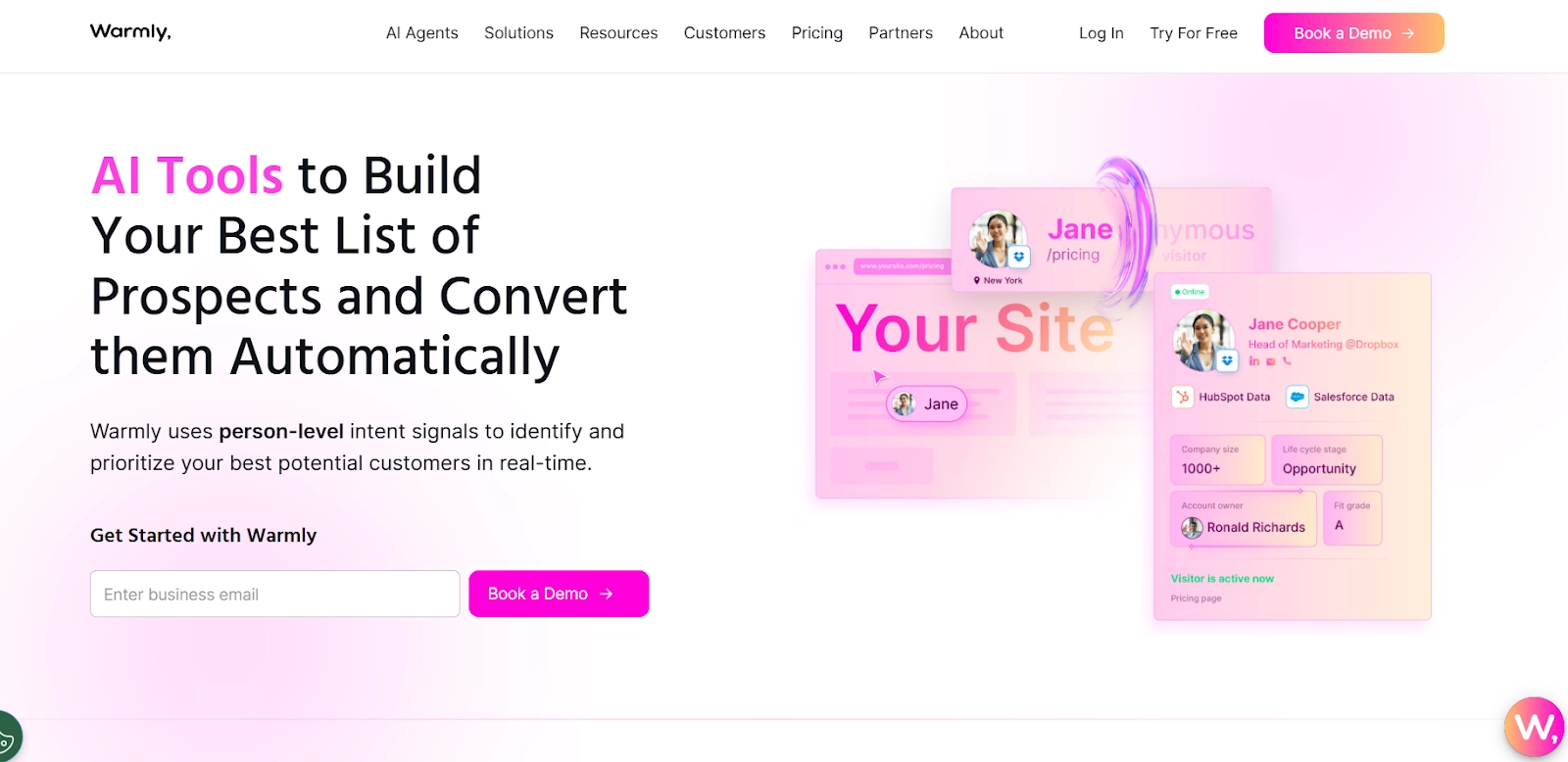
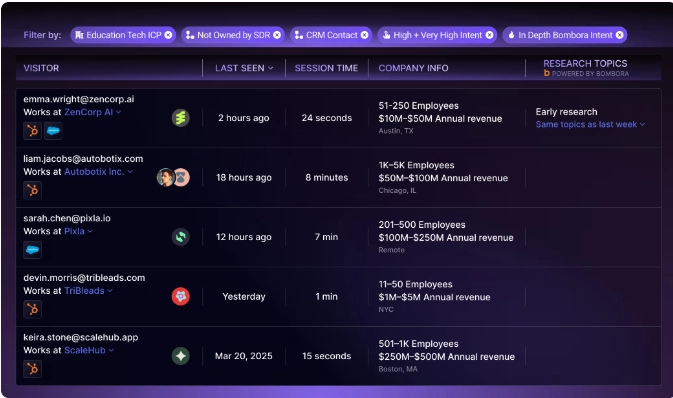
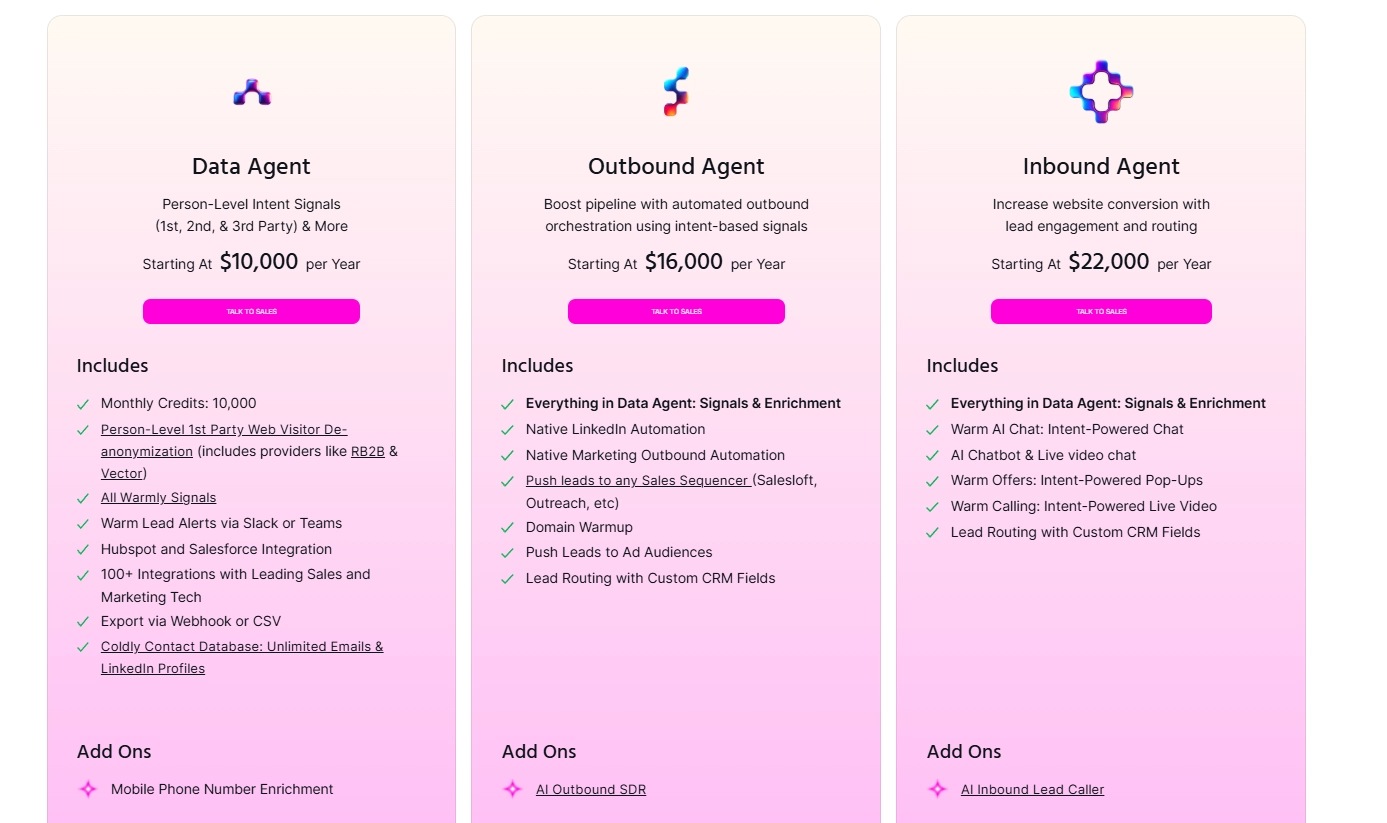
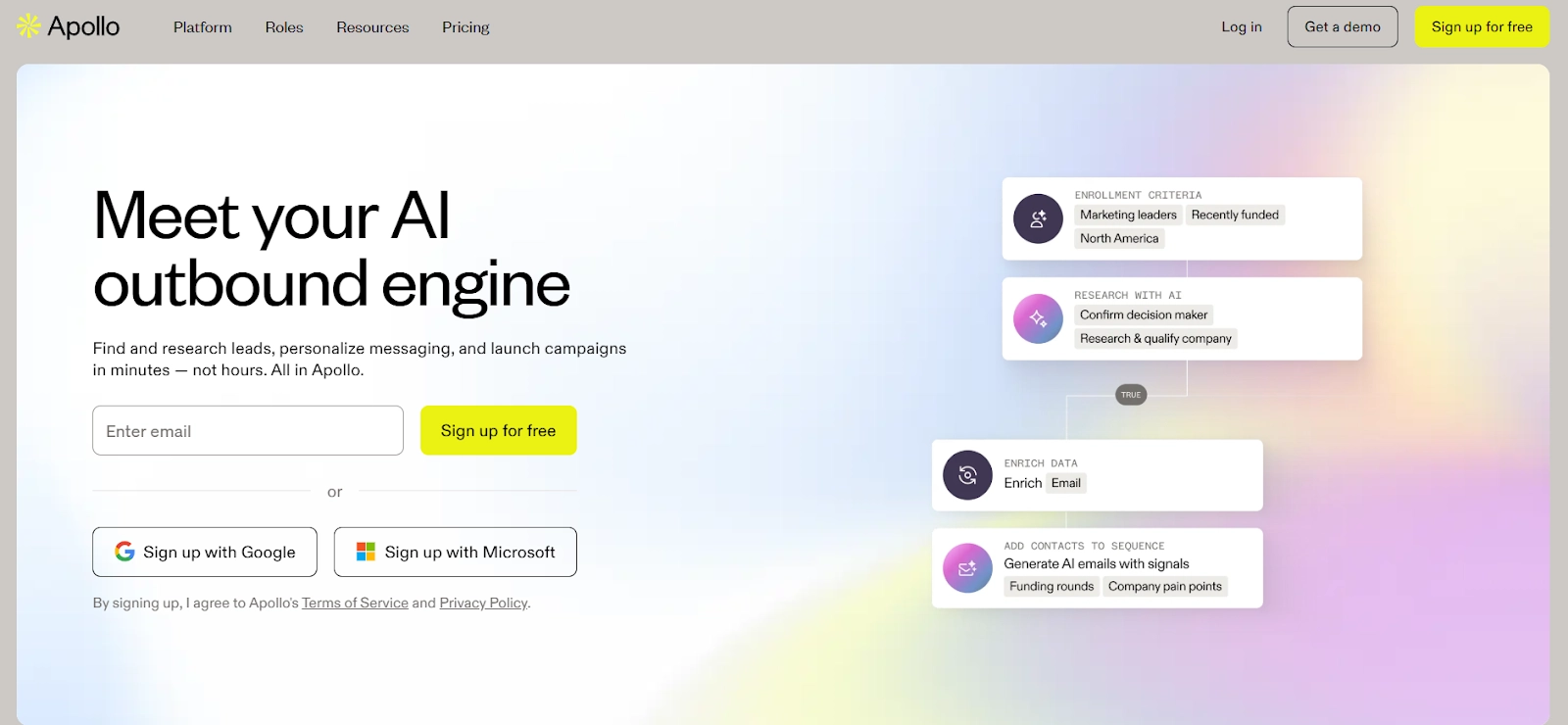


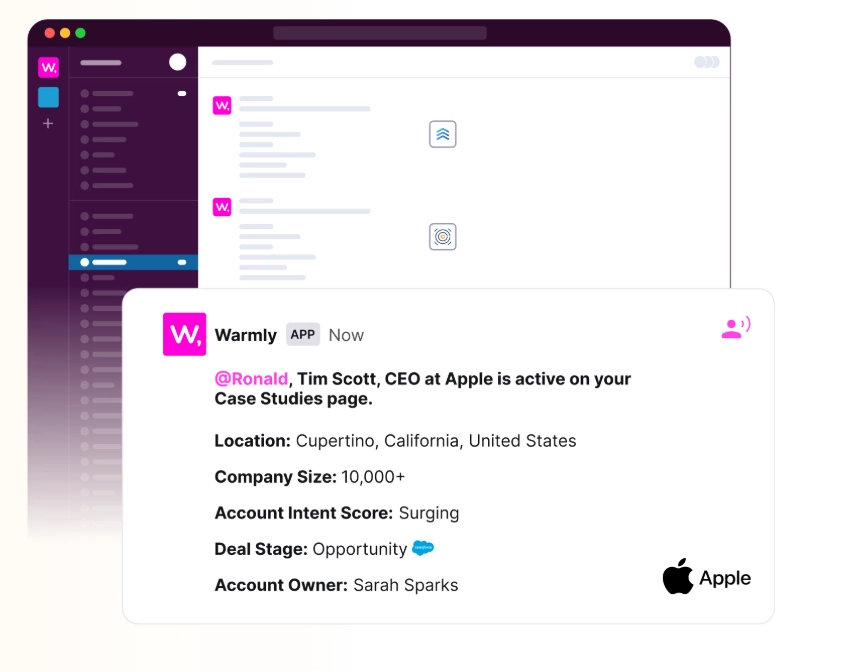
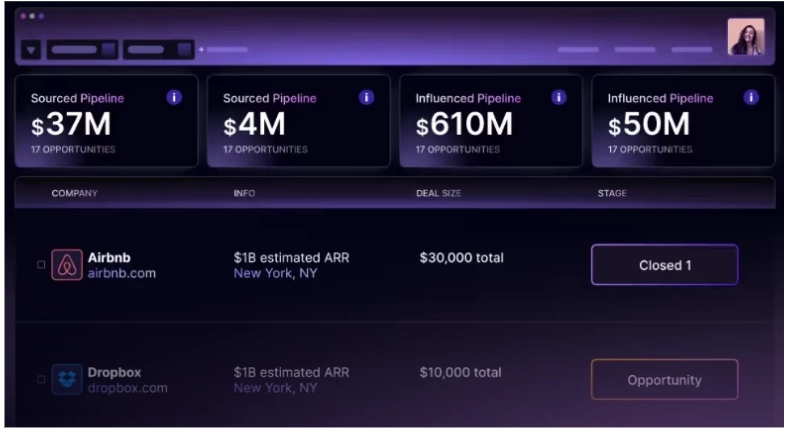
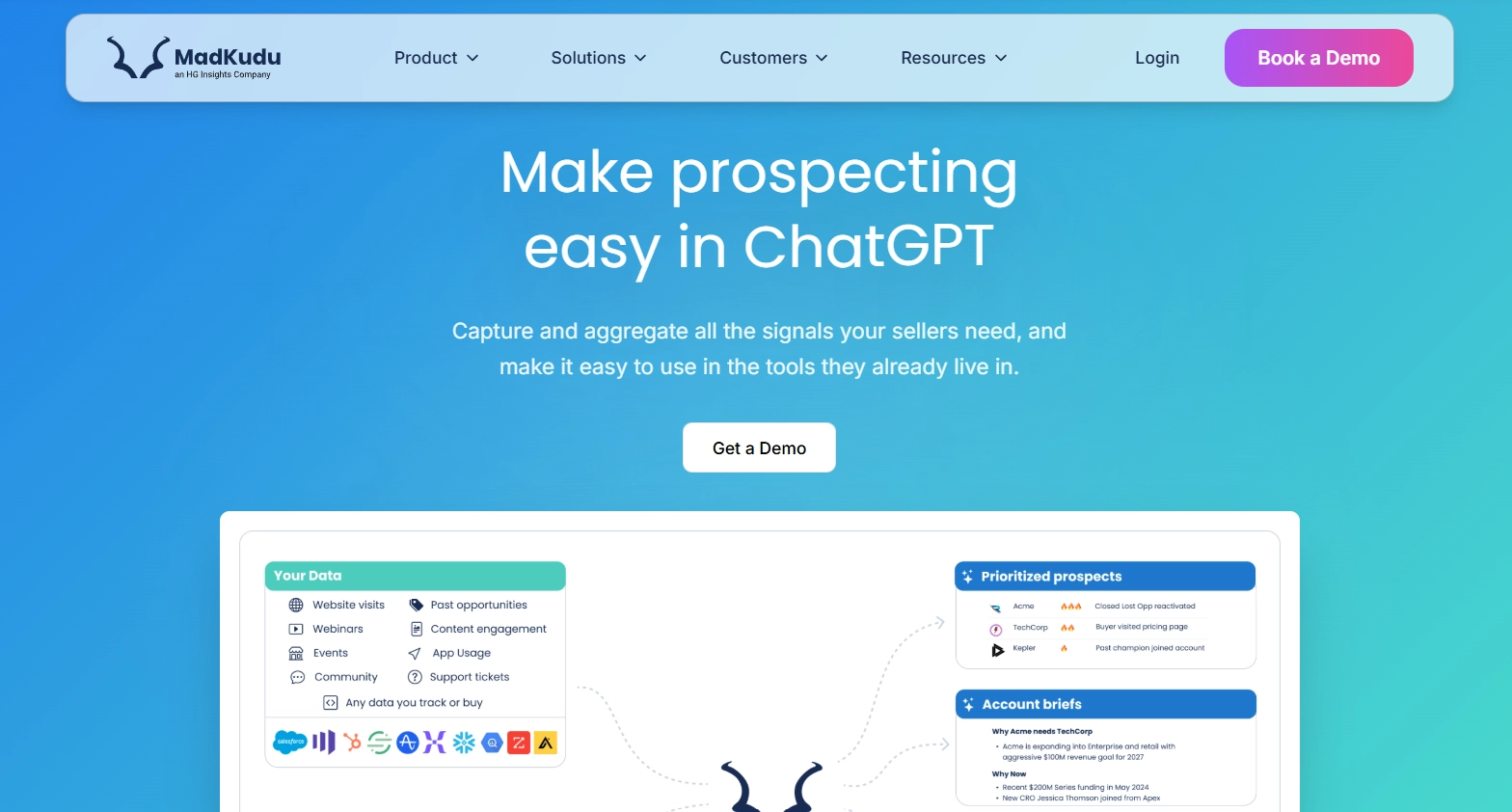
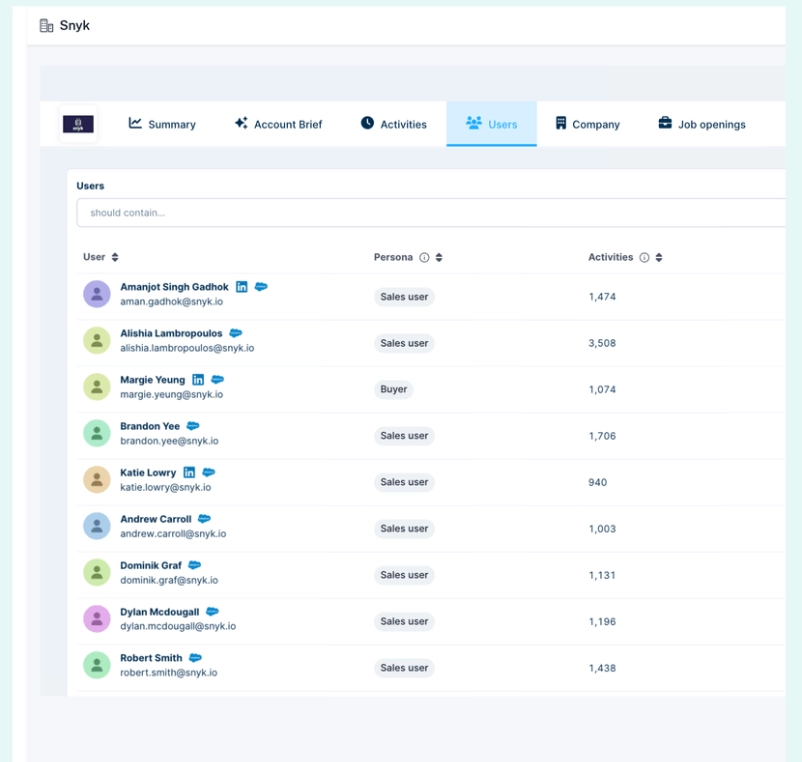


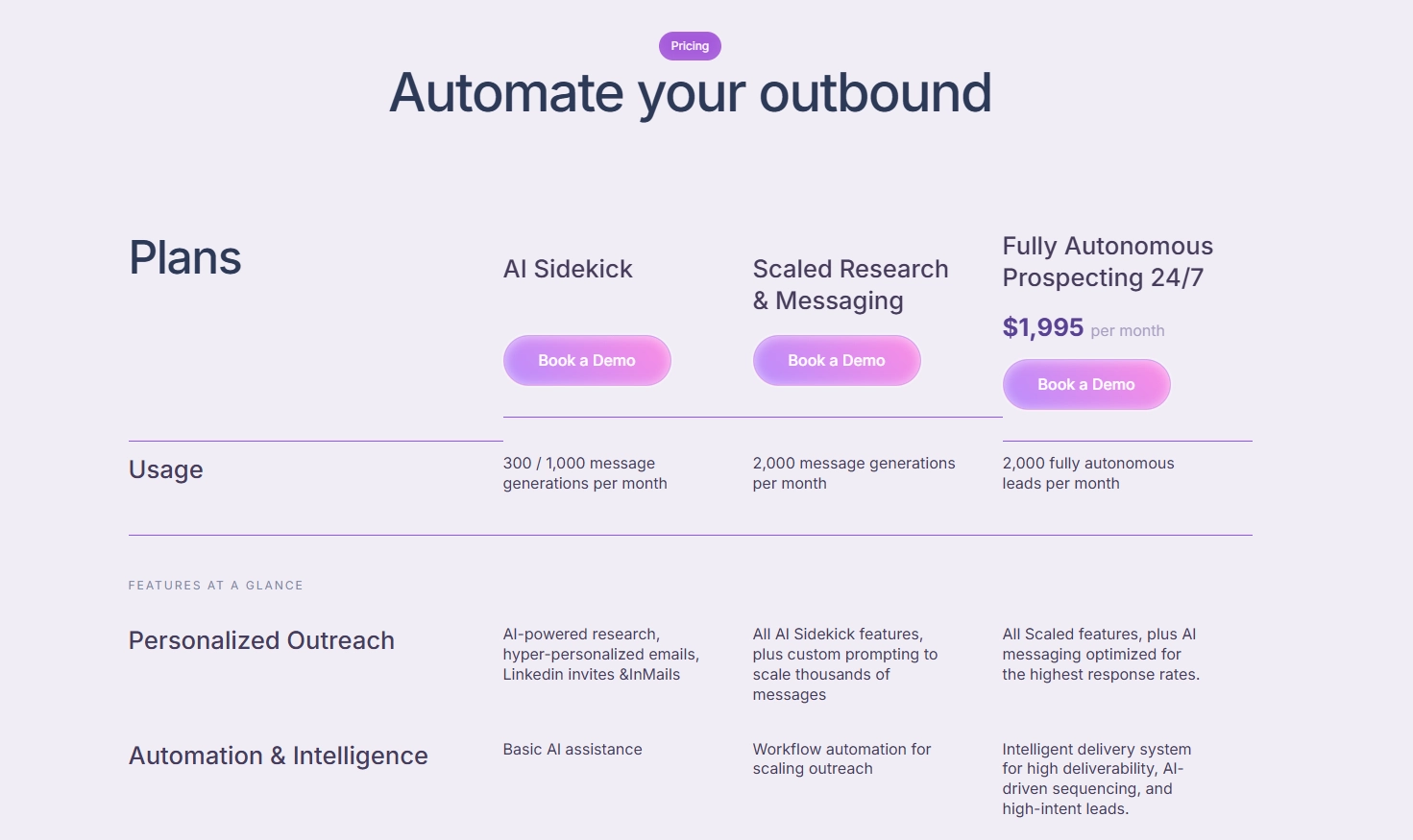


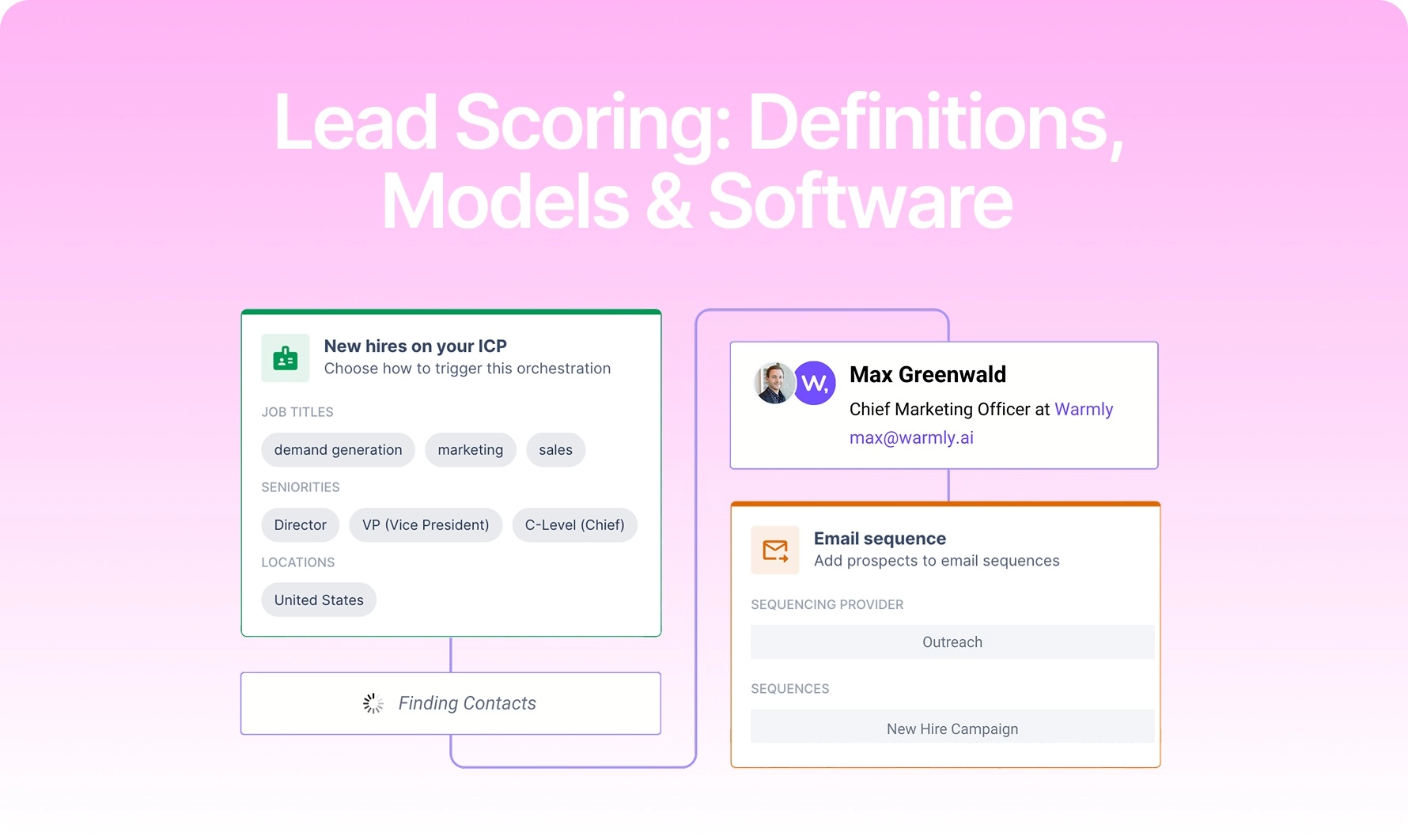
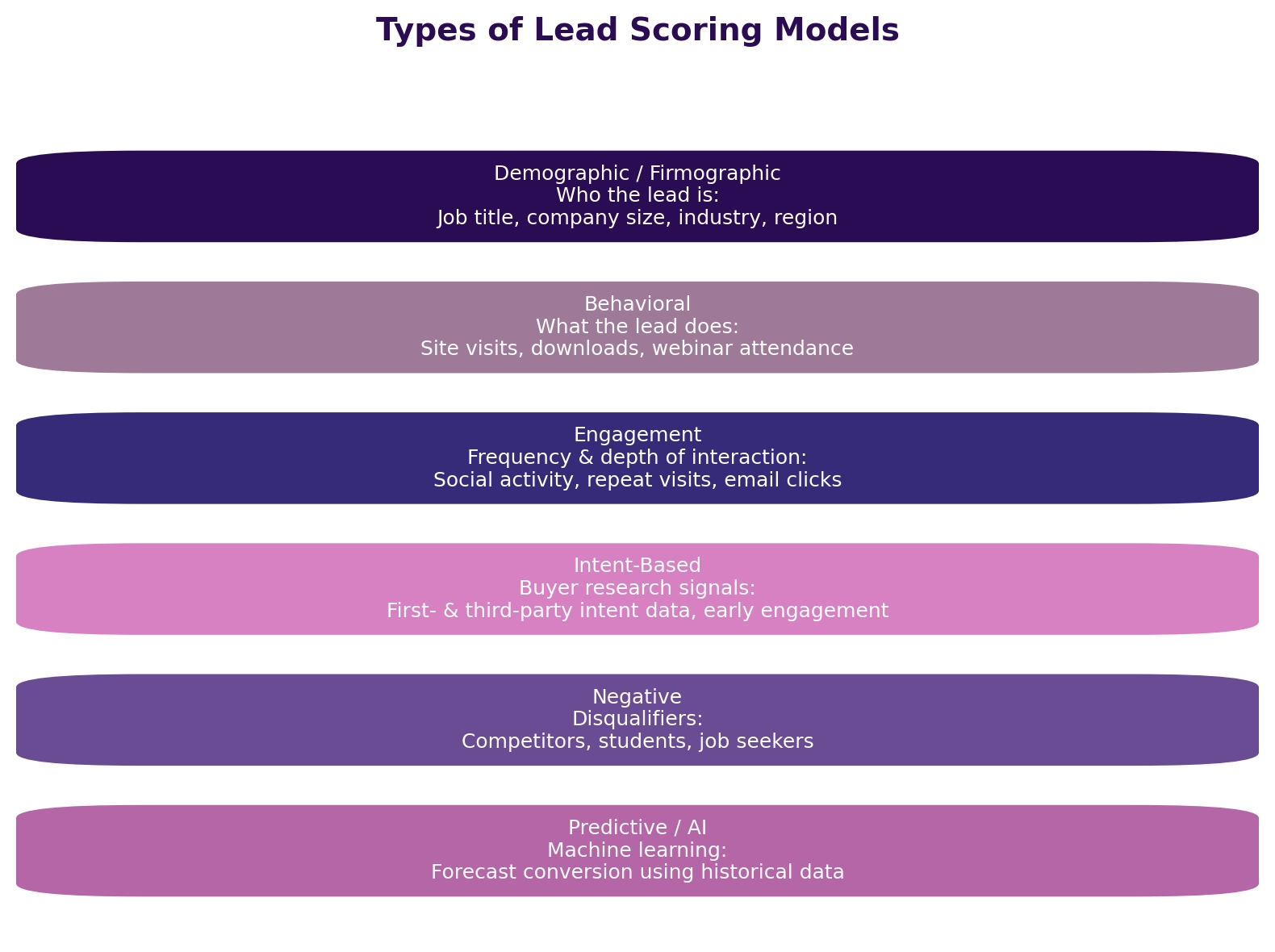

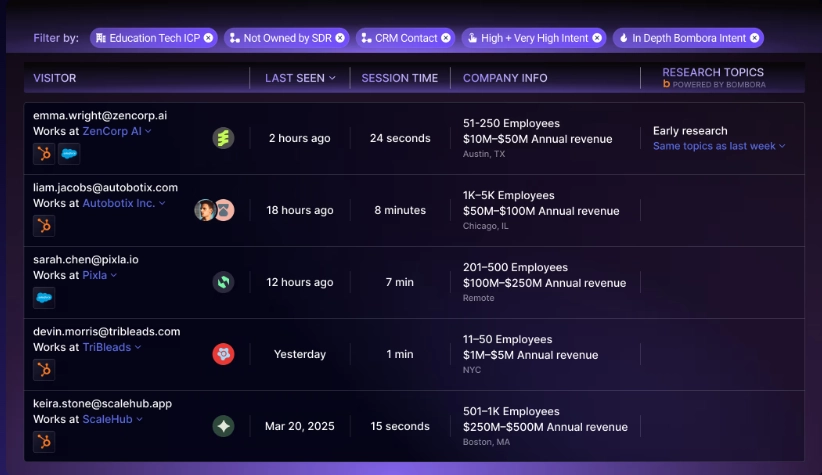


![10 Best AI Lead Scoring Tools & Software [2026]](https://cdn.prod.website-files.com/6506fc5785bd592c468835e0/68dd29818db75503e830eed9_ai_lead_scoring_tools.webp)


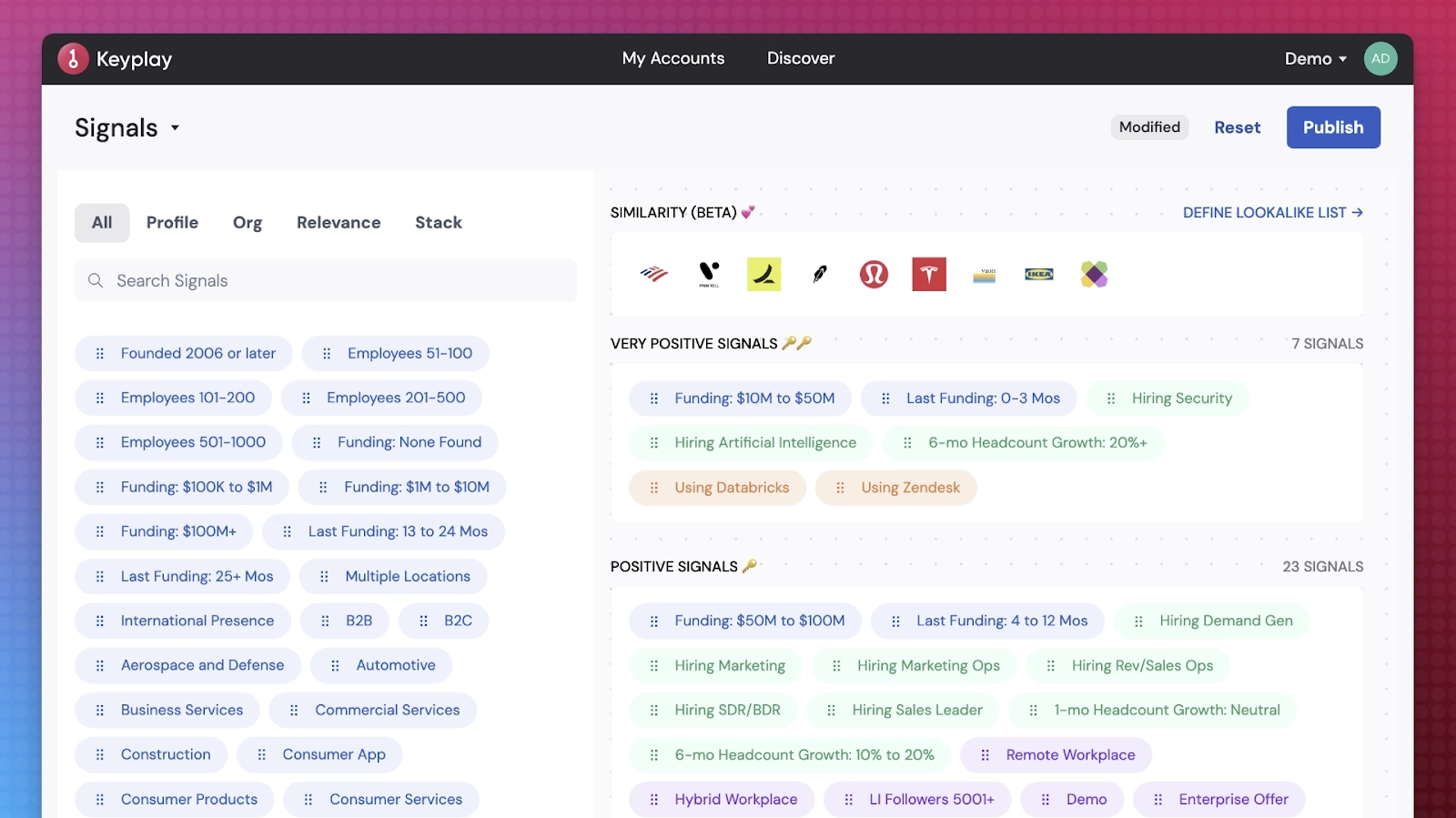
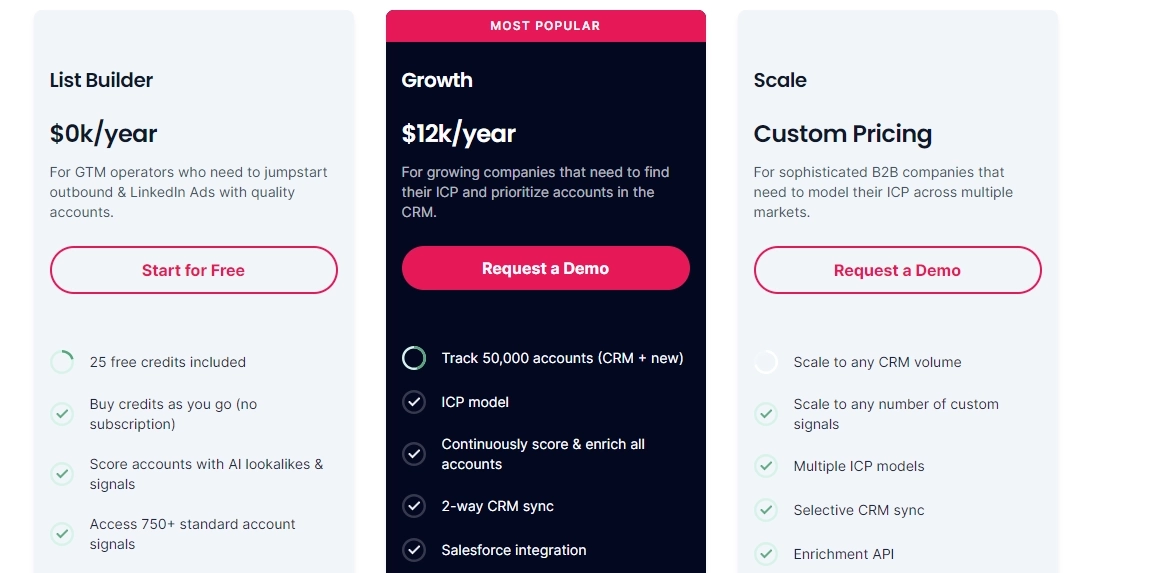
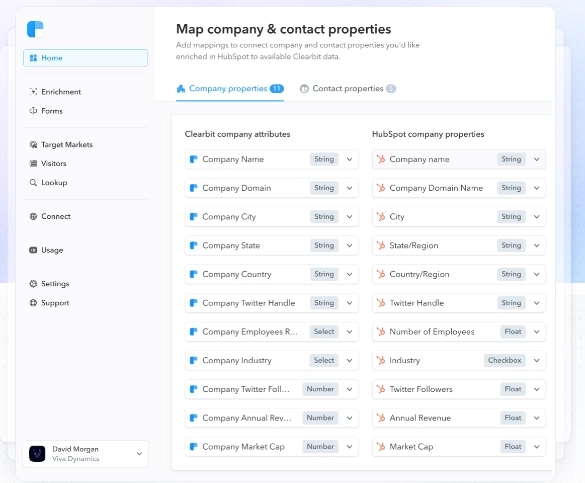
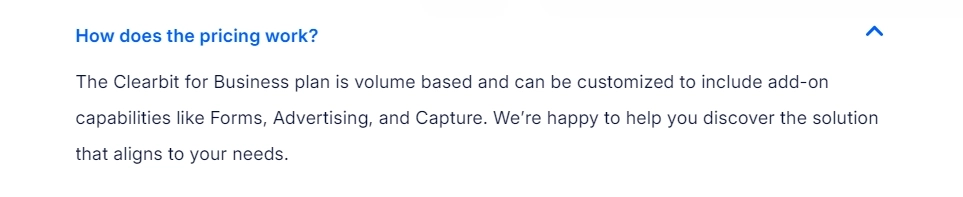
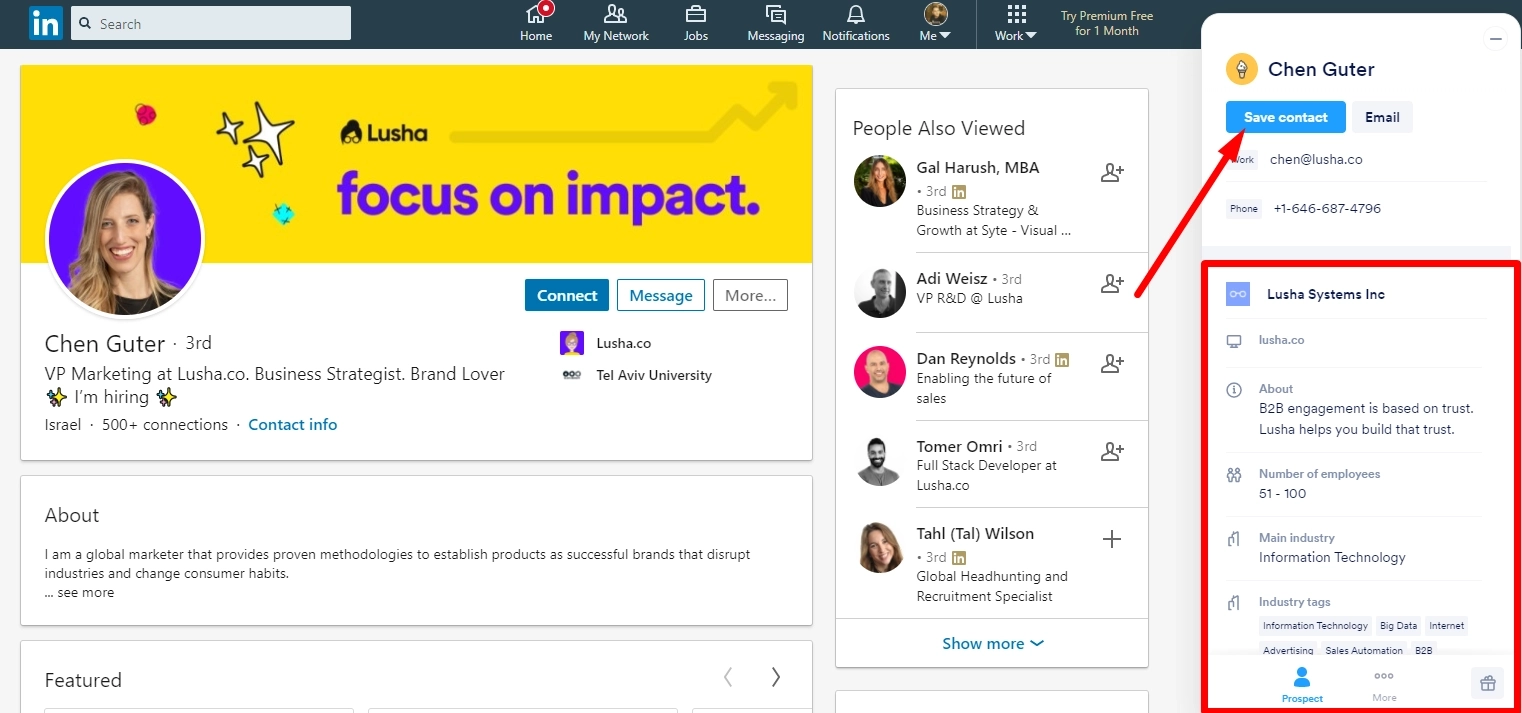
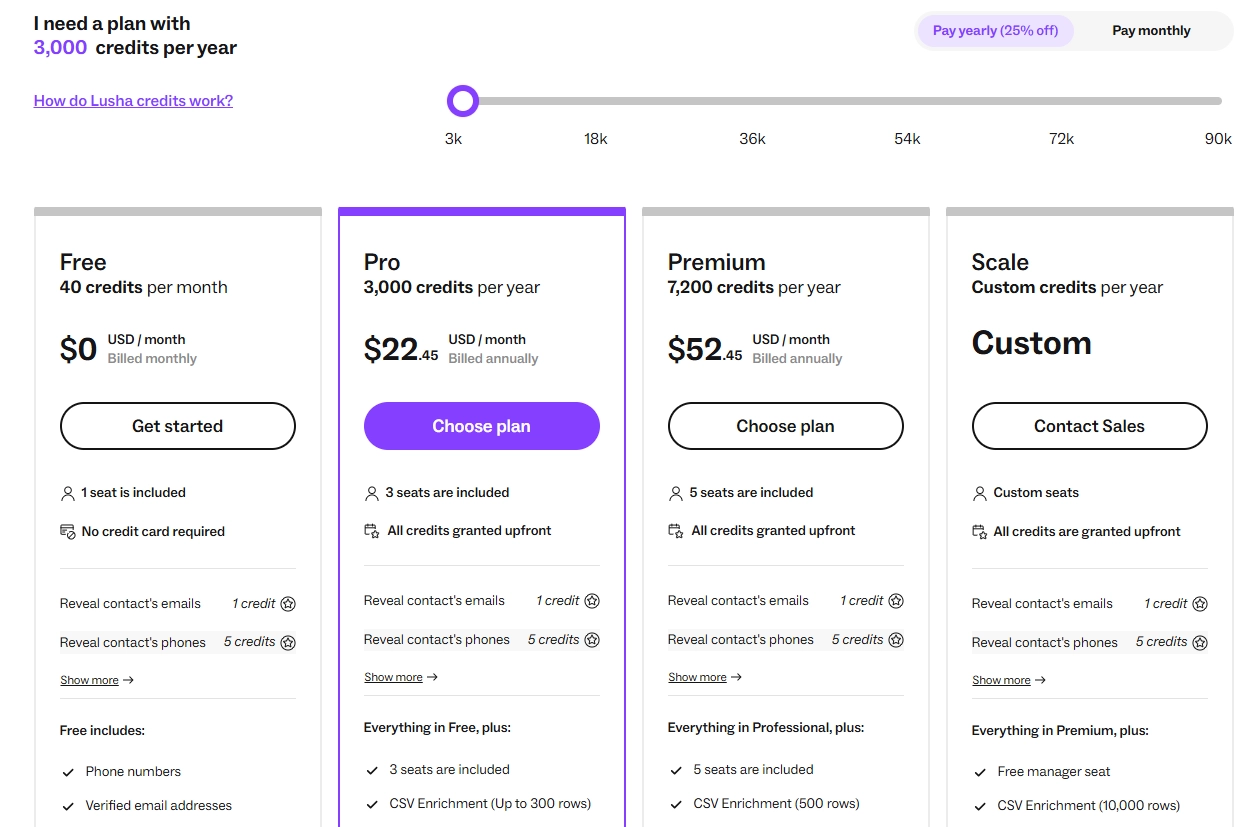
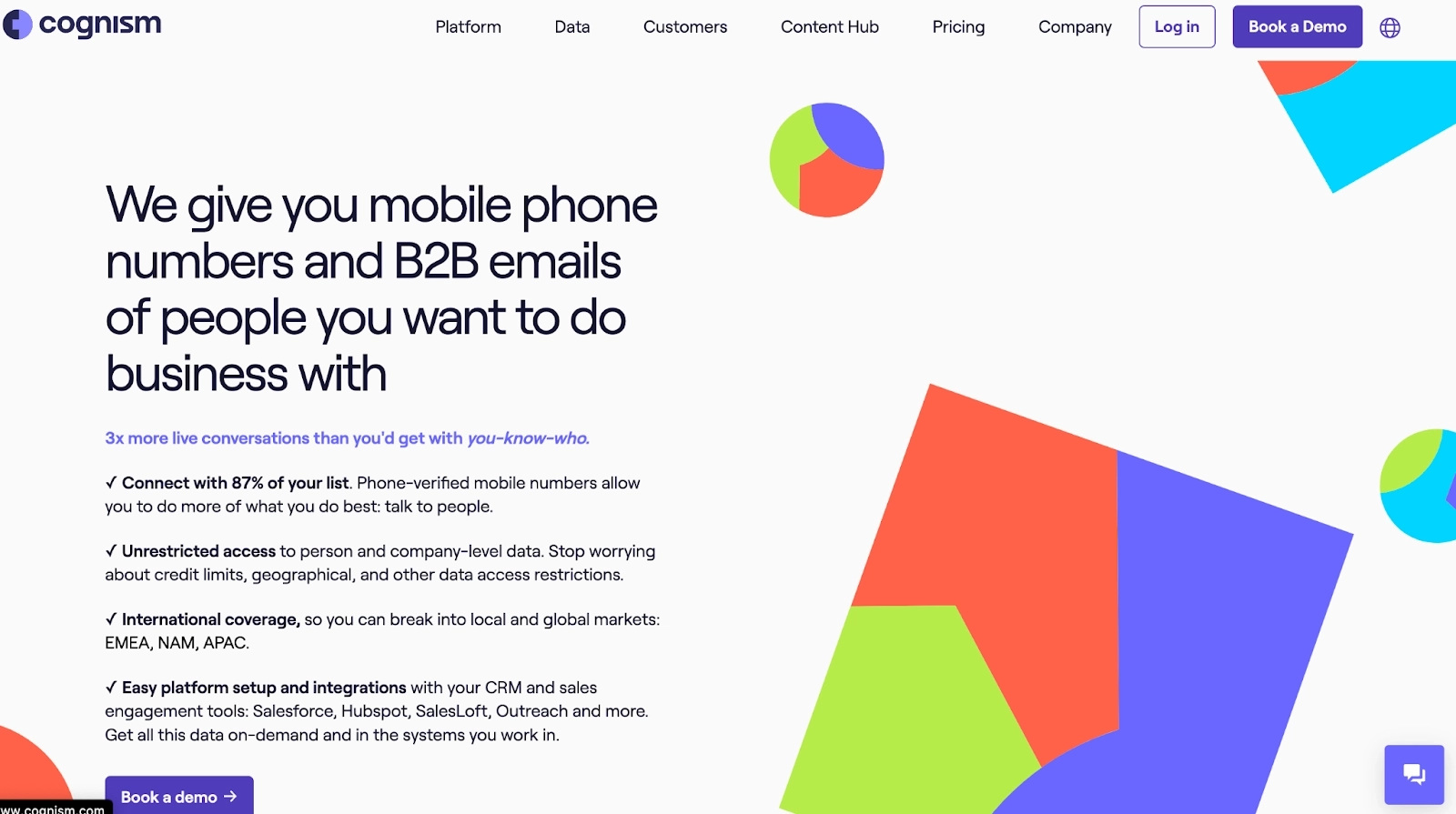
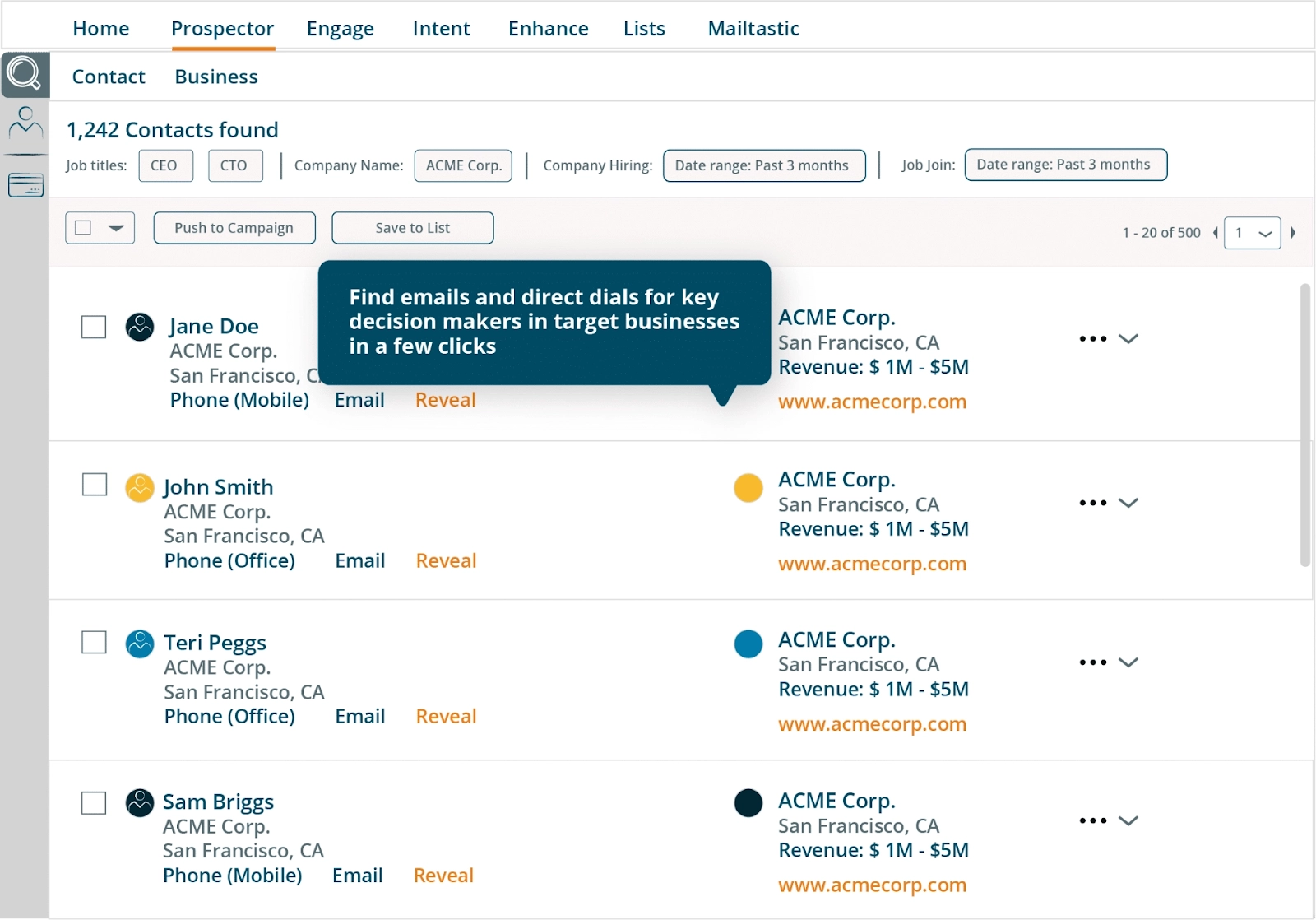
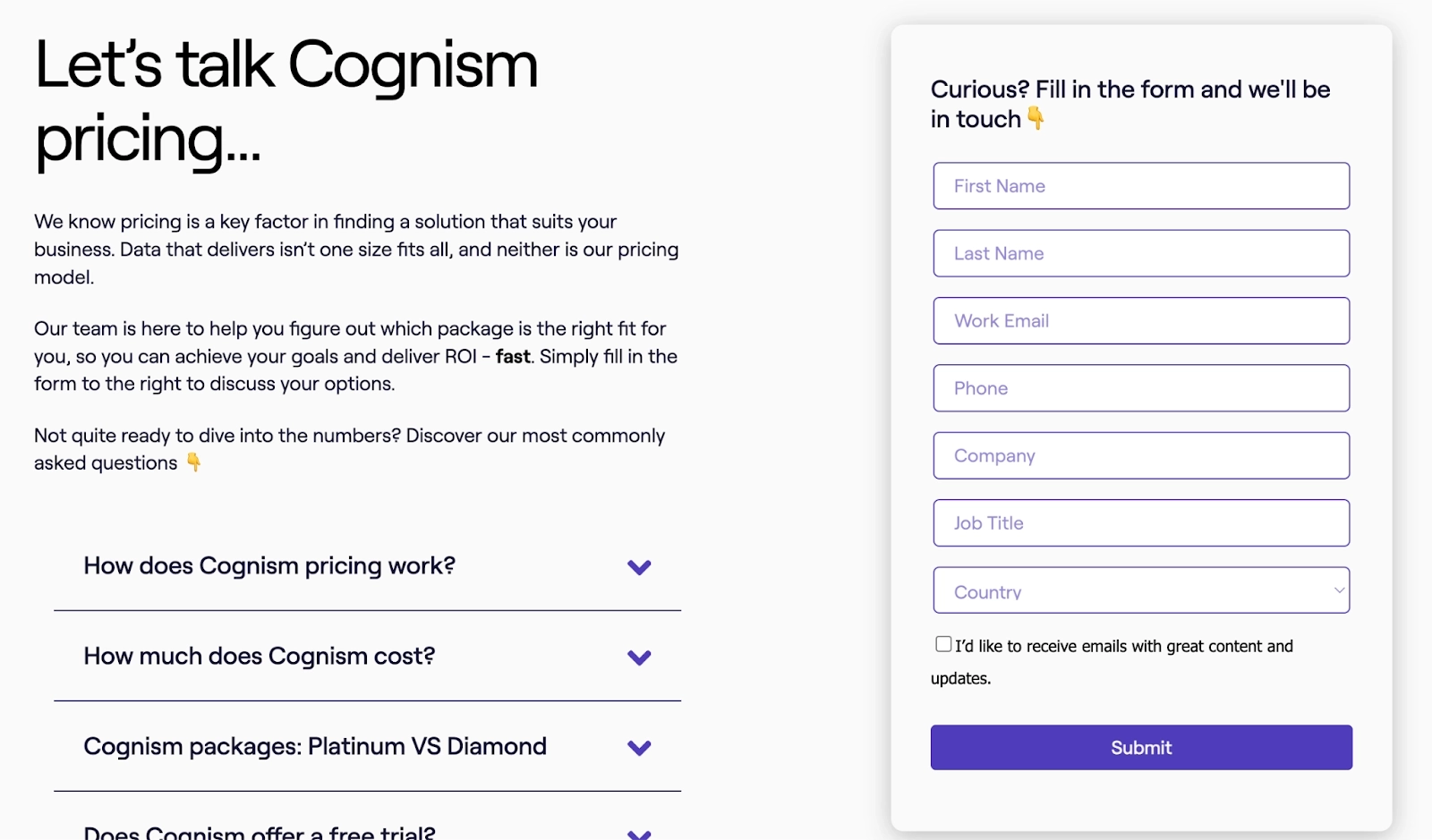

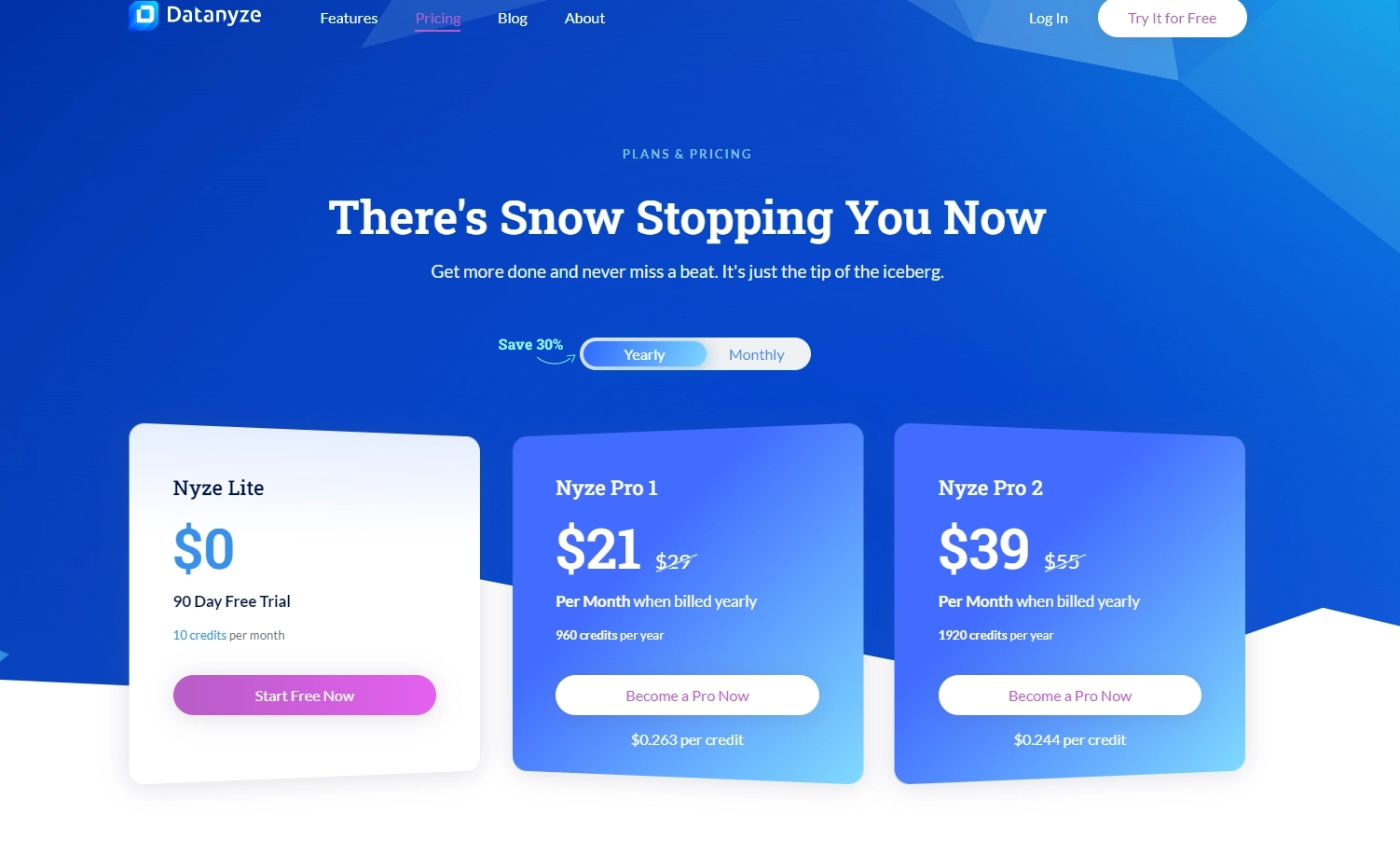




![10 Best Lead Prospecting Tools & Software [2026]](https://cdn.prod.website-files.com/6506fc5785bd592c468835e0/68dd26d791fe4b2ea7dd6d9c_lead_prospecting_tools_and_software.webp)
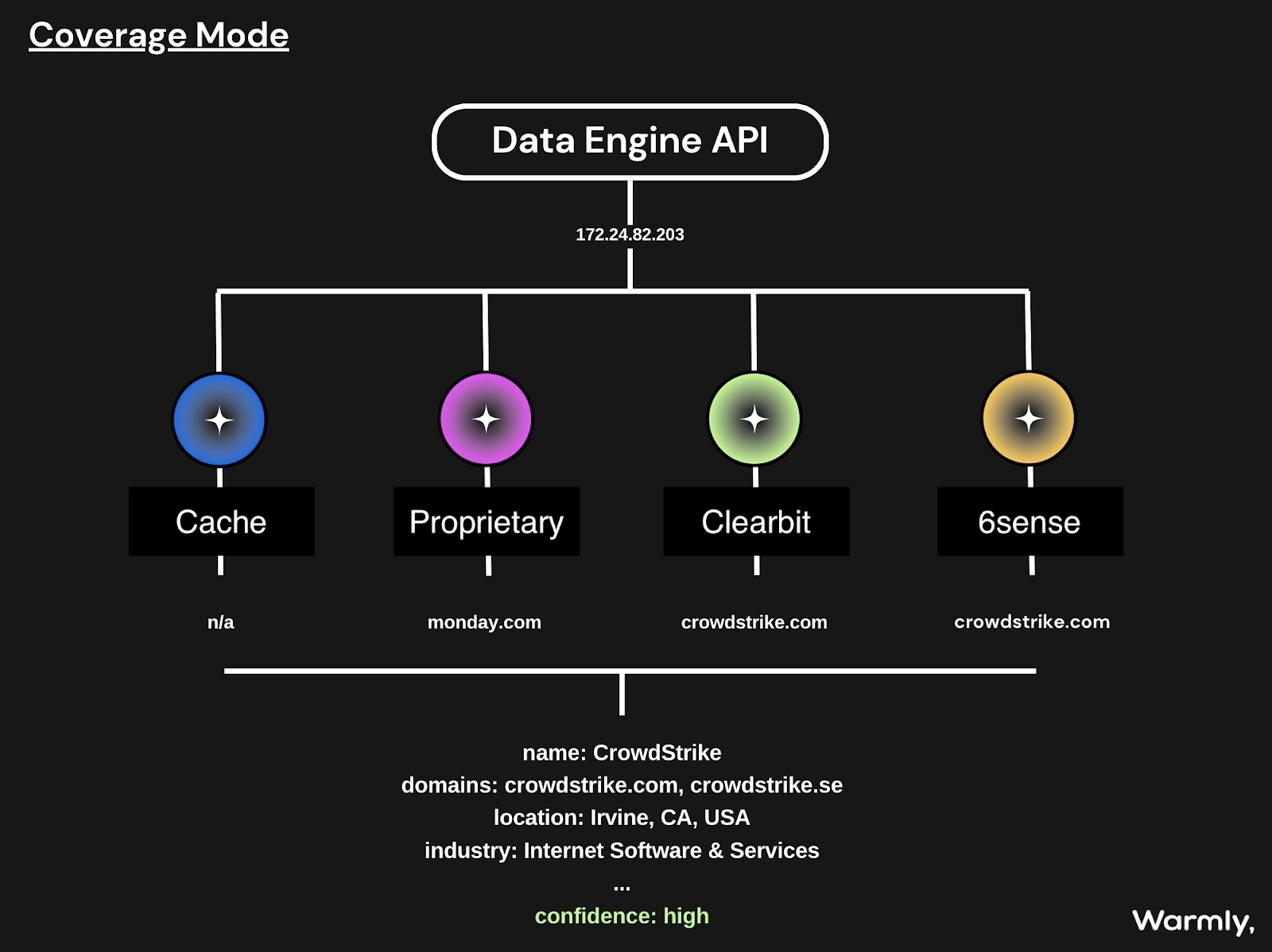

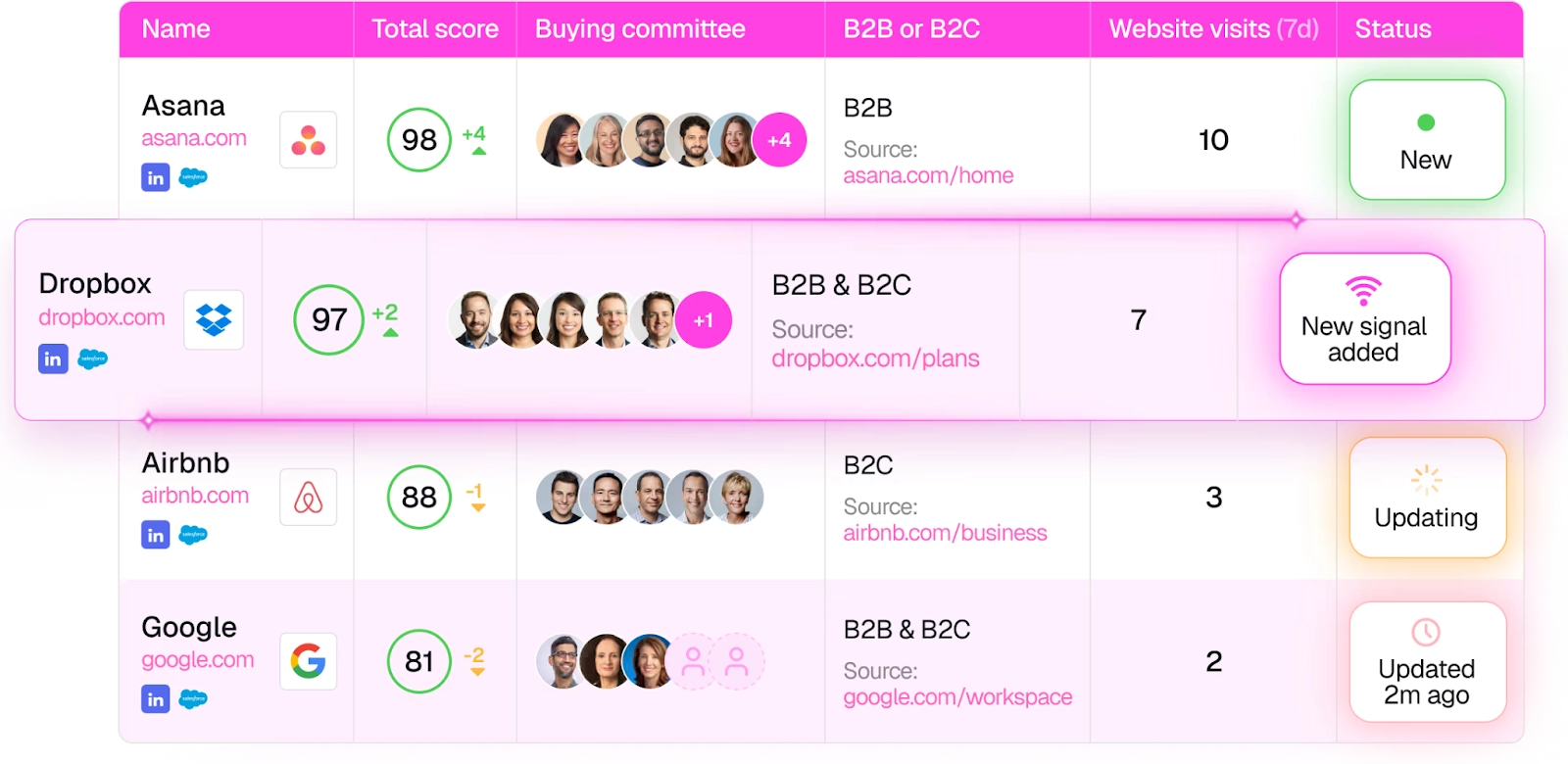
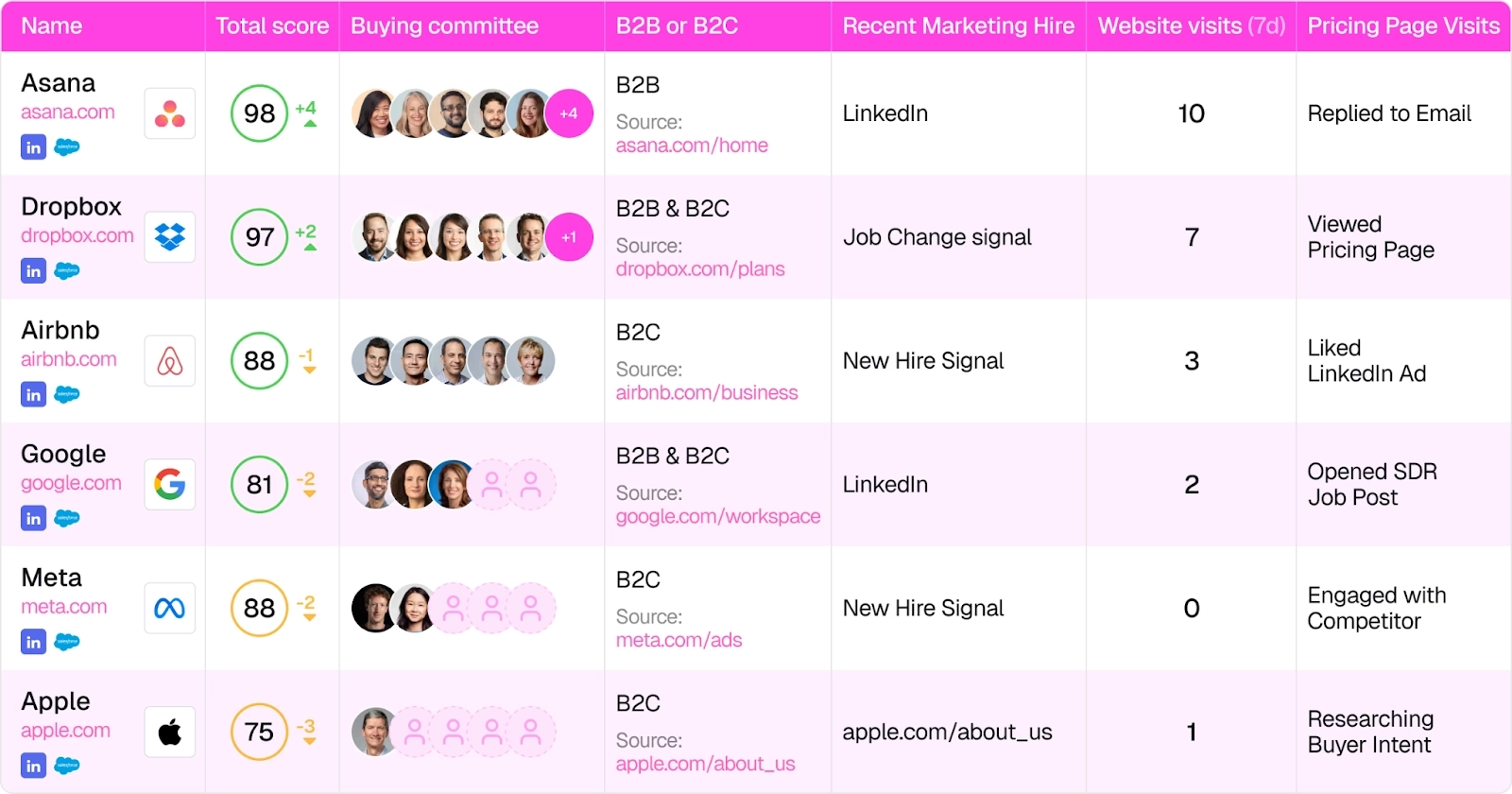




![10 Best AI Tools & Software For Sales Reps [2026]](https://cdn.prod.website-files.com/6506fc5785bd592c468835e0/68dd23899710324e318aafec_ai_tools_for_sales_reps.webp)


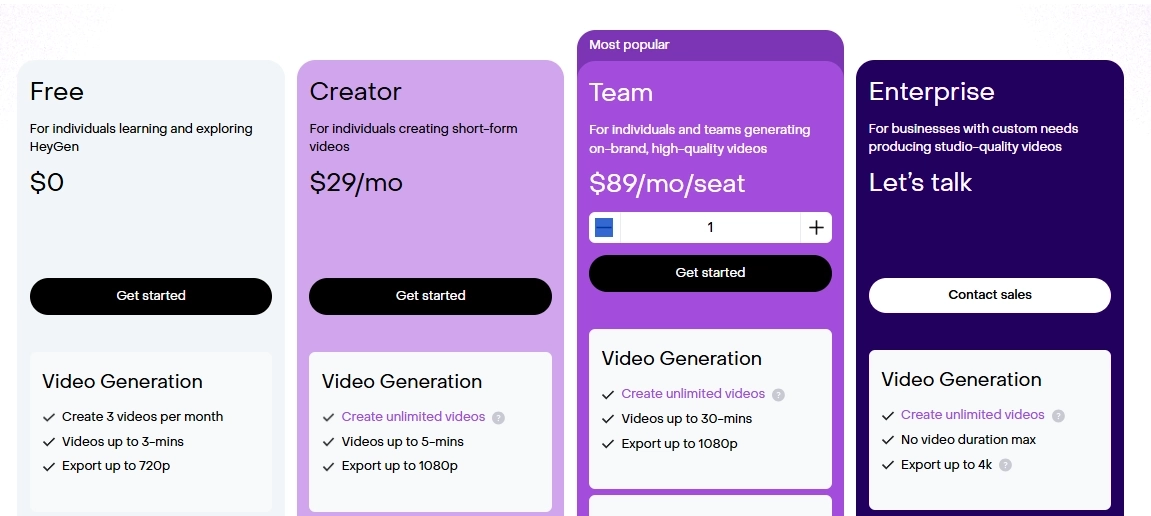


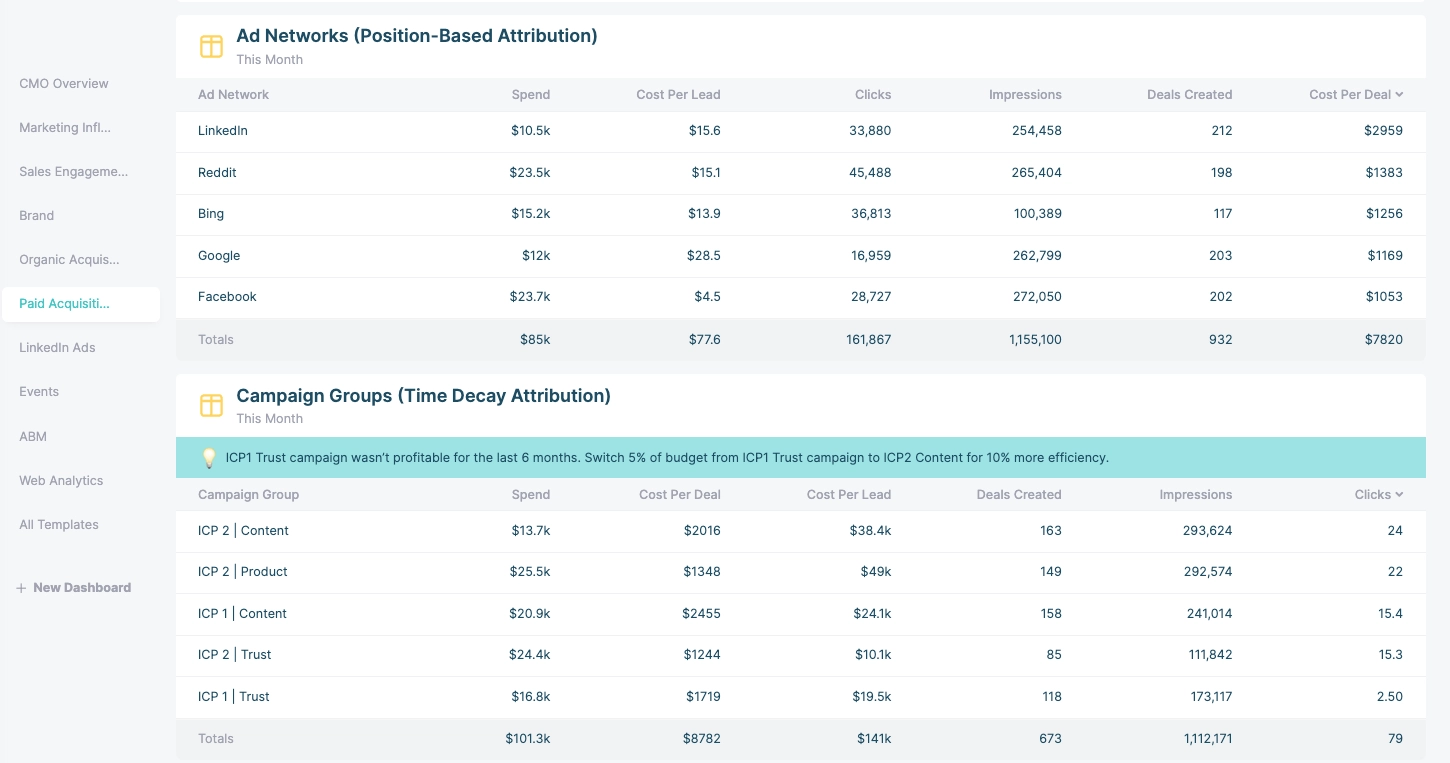


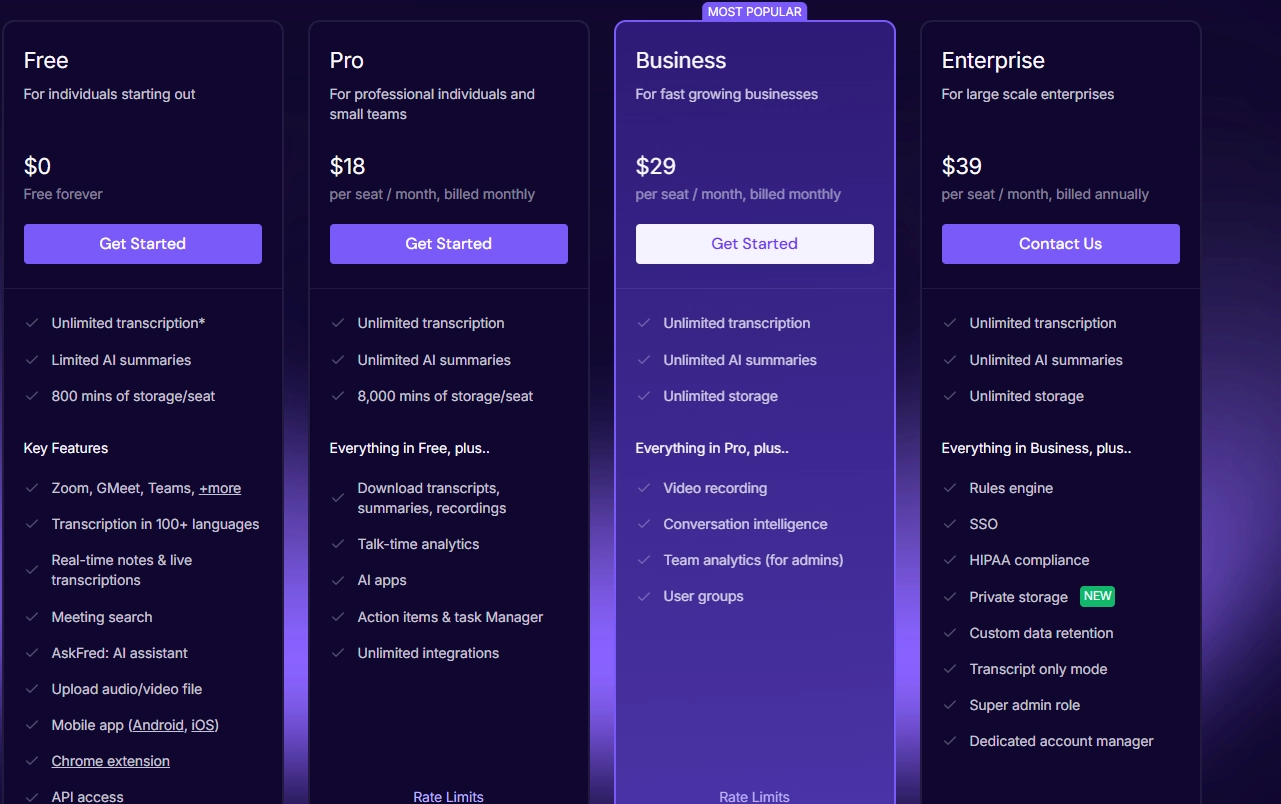
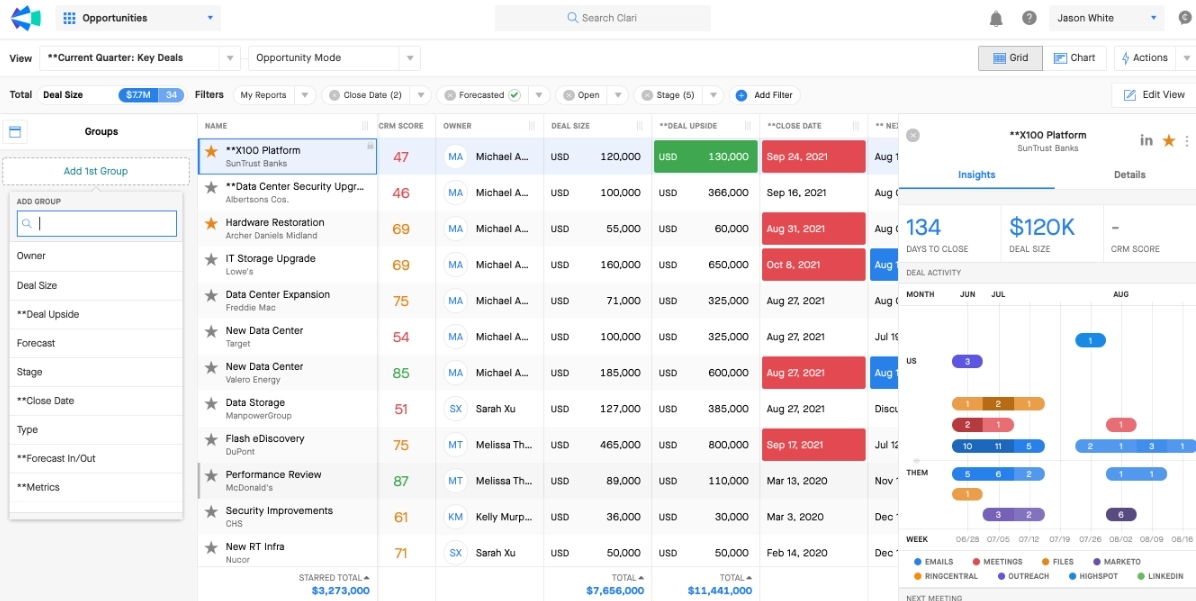
![The Complete RevOps Tech Stack That We'd Use [2026]](https://cdn.prod.website-files.com/6506fc5785bd592c468835e0/68dd0fd225c7f157ee020fce_revops_tech_stack.webp)
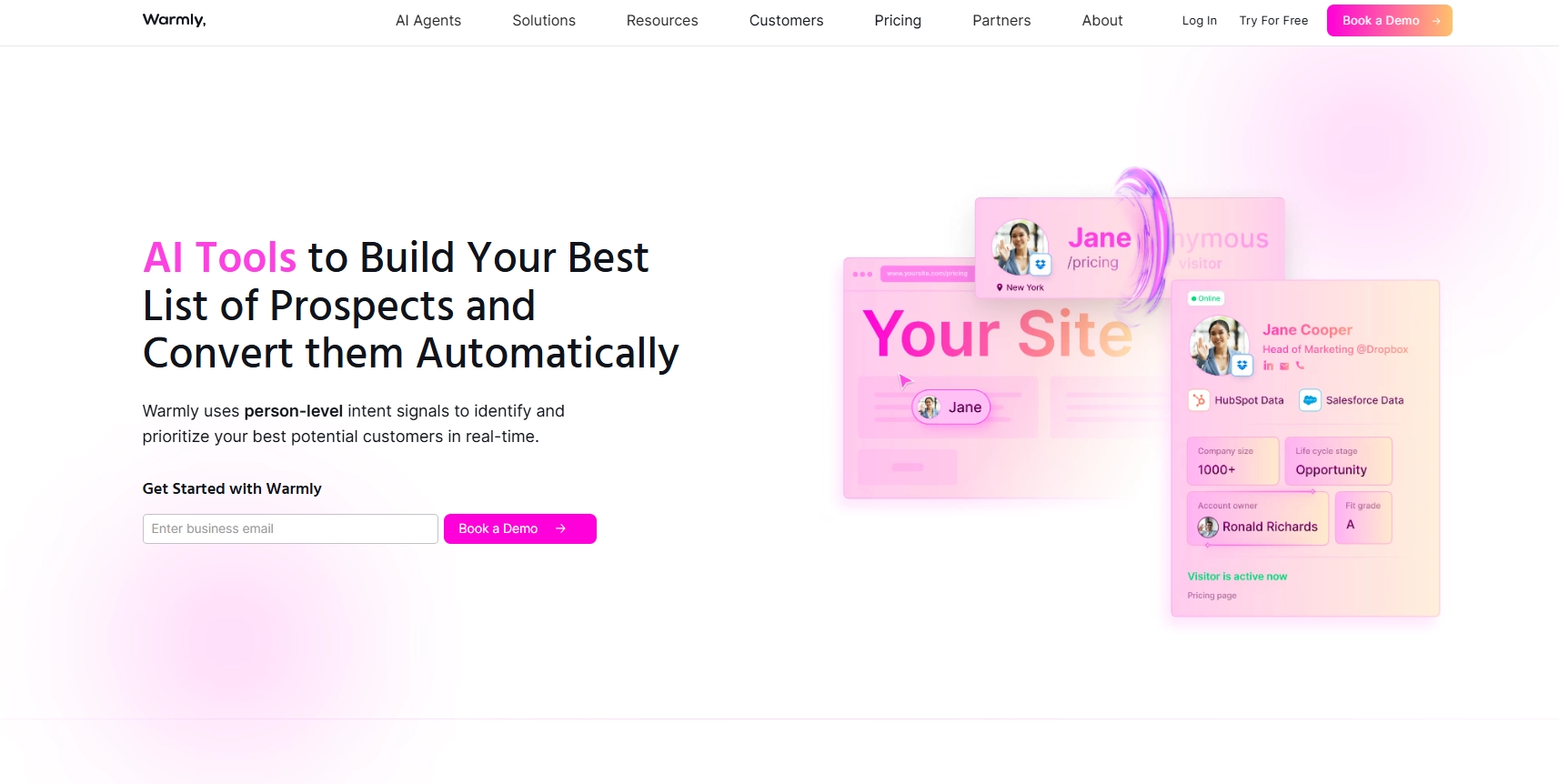
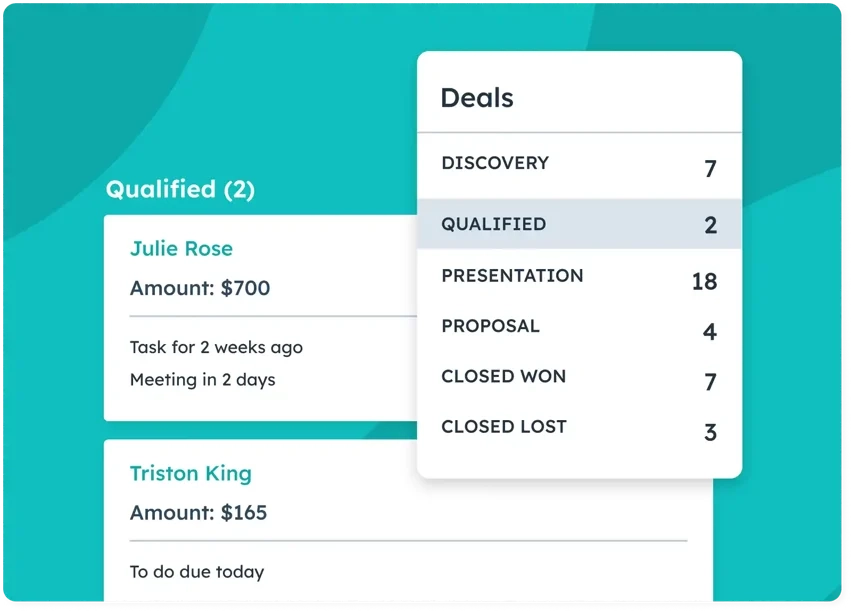
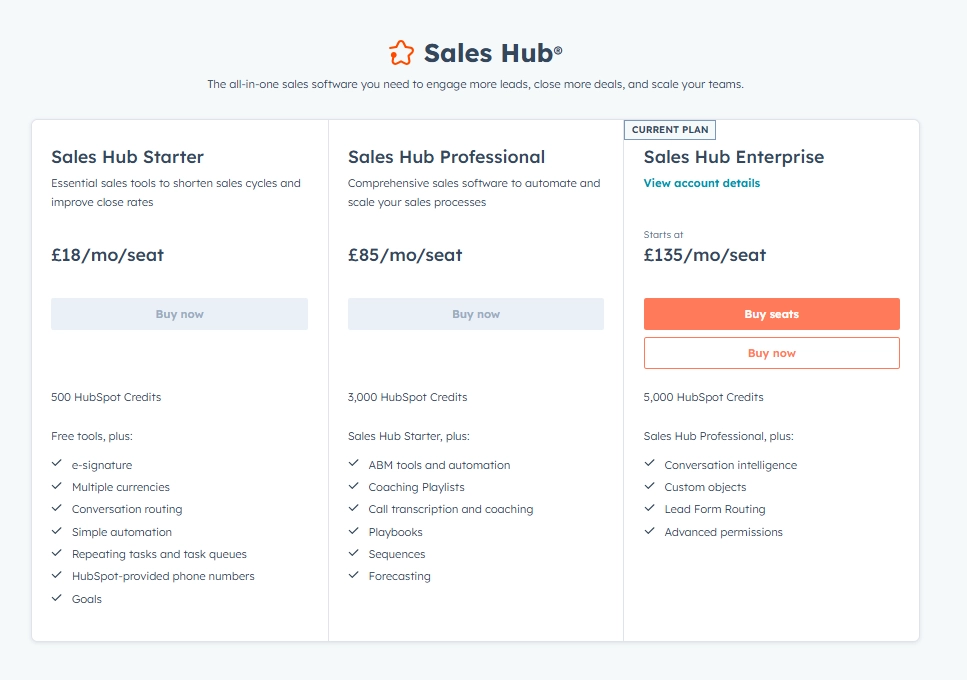


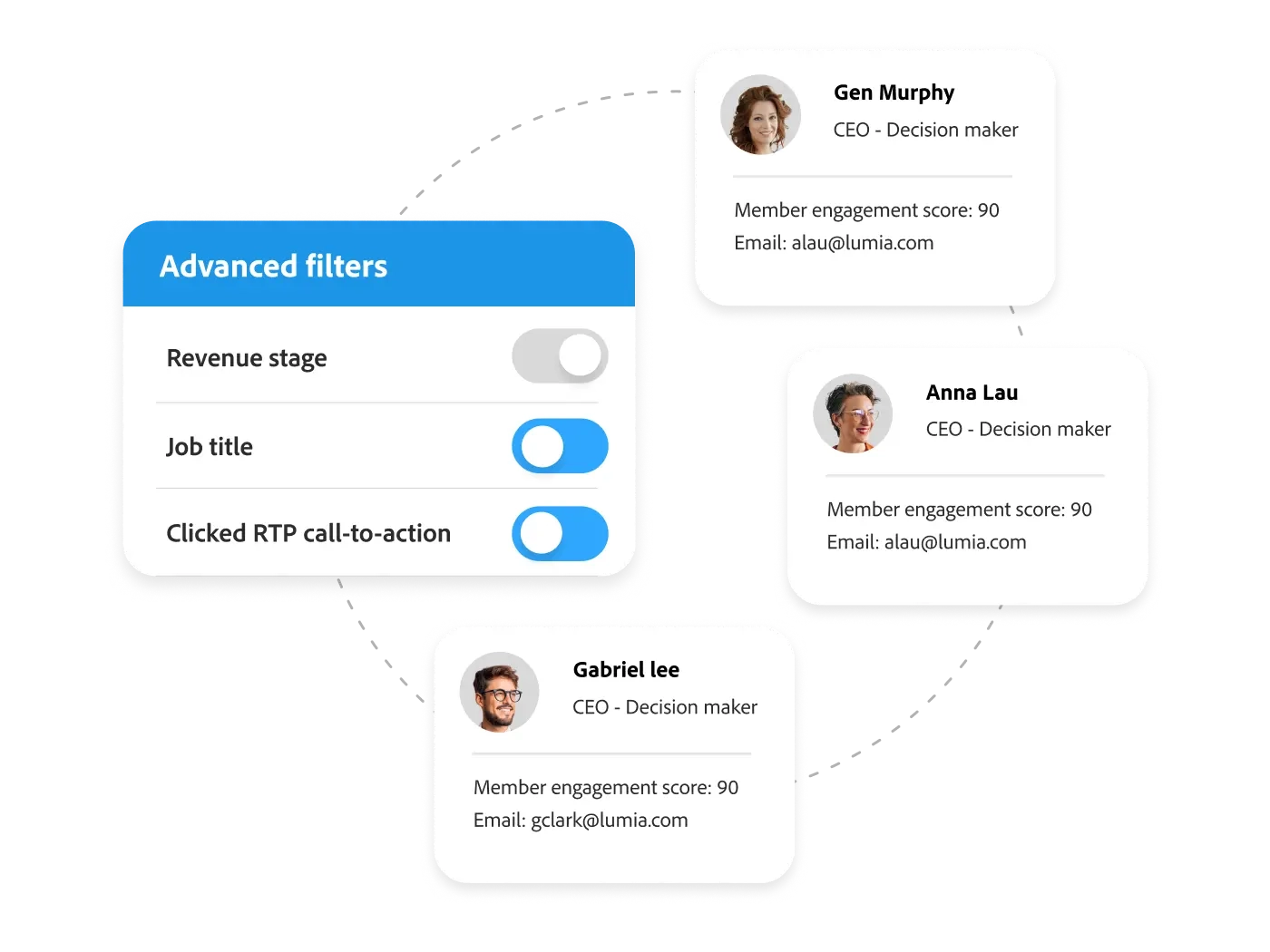
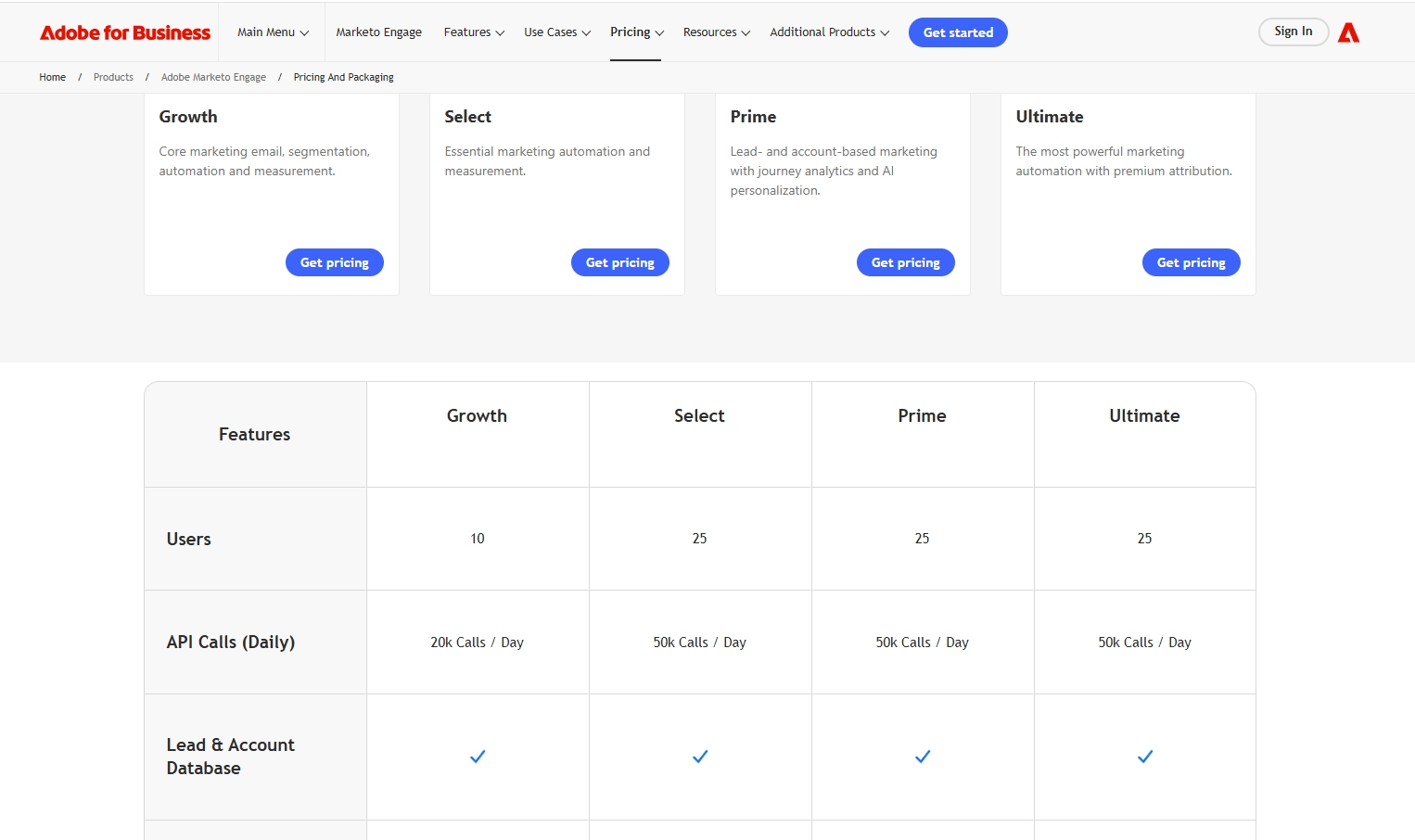
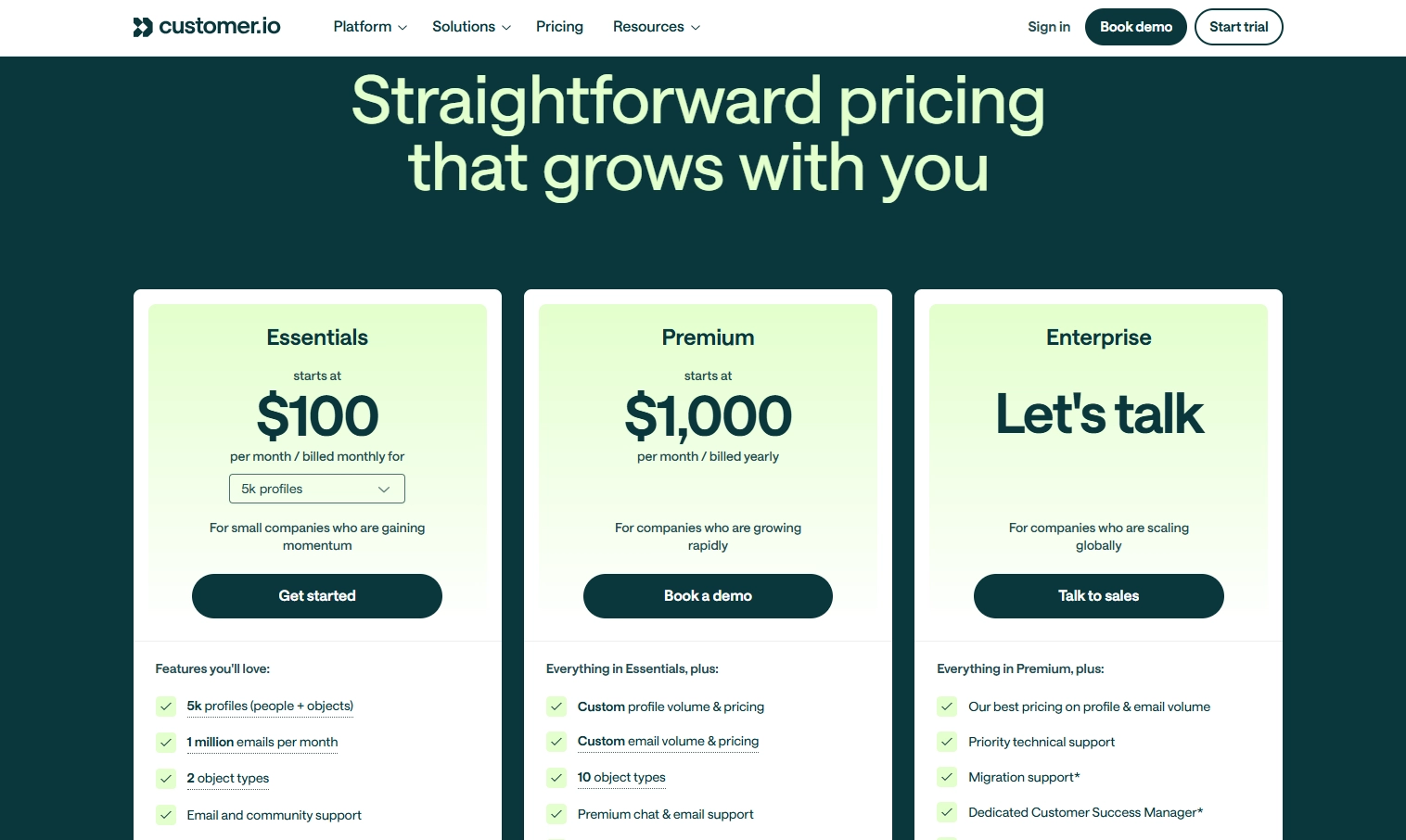
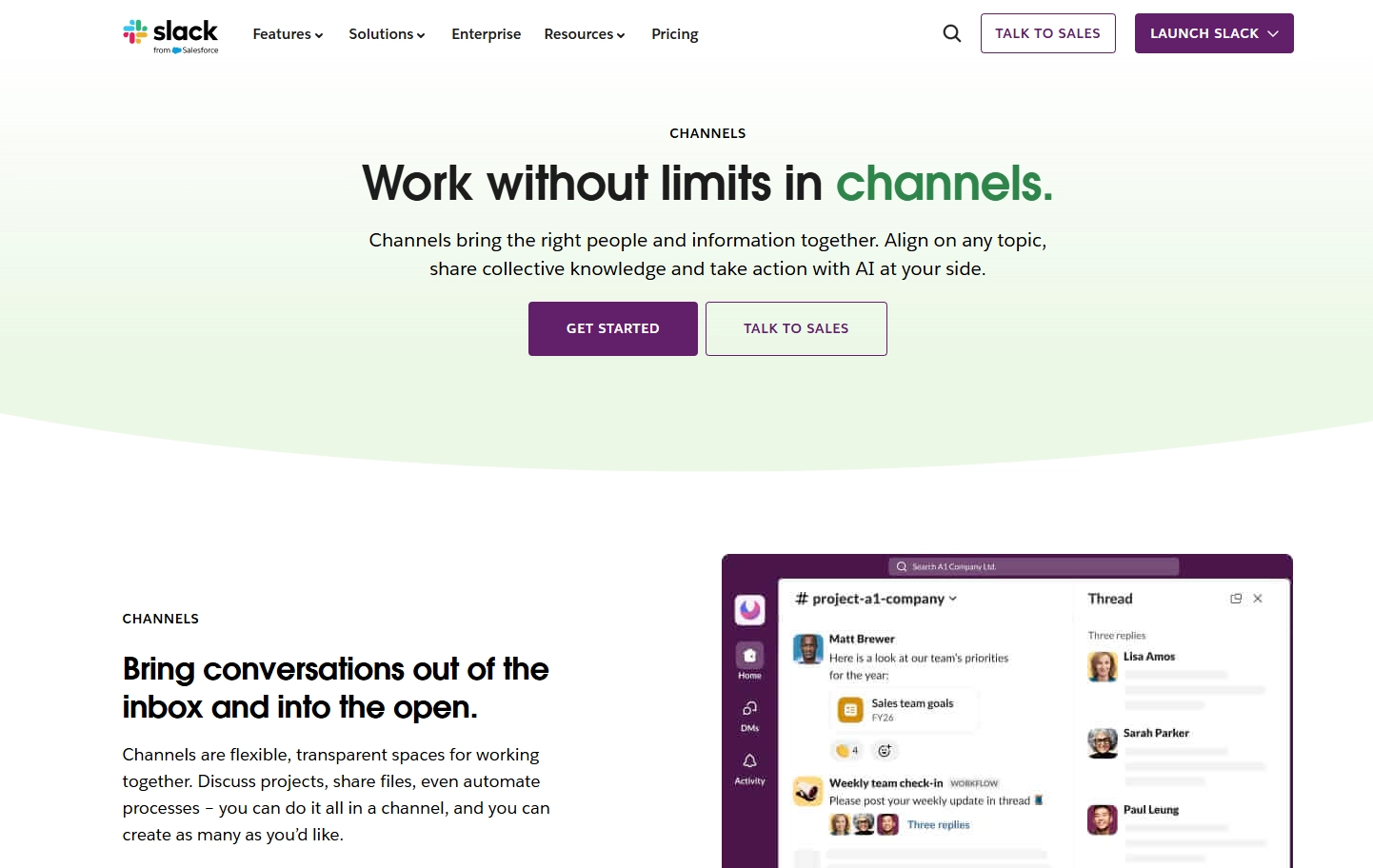
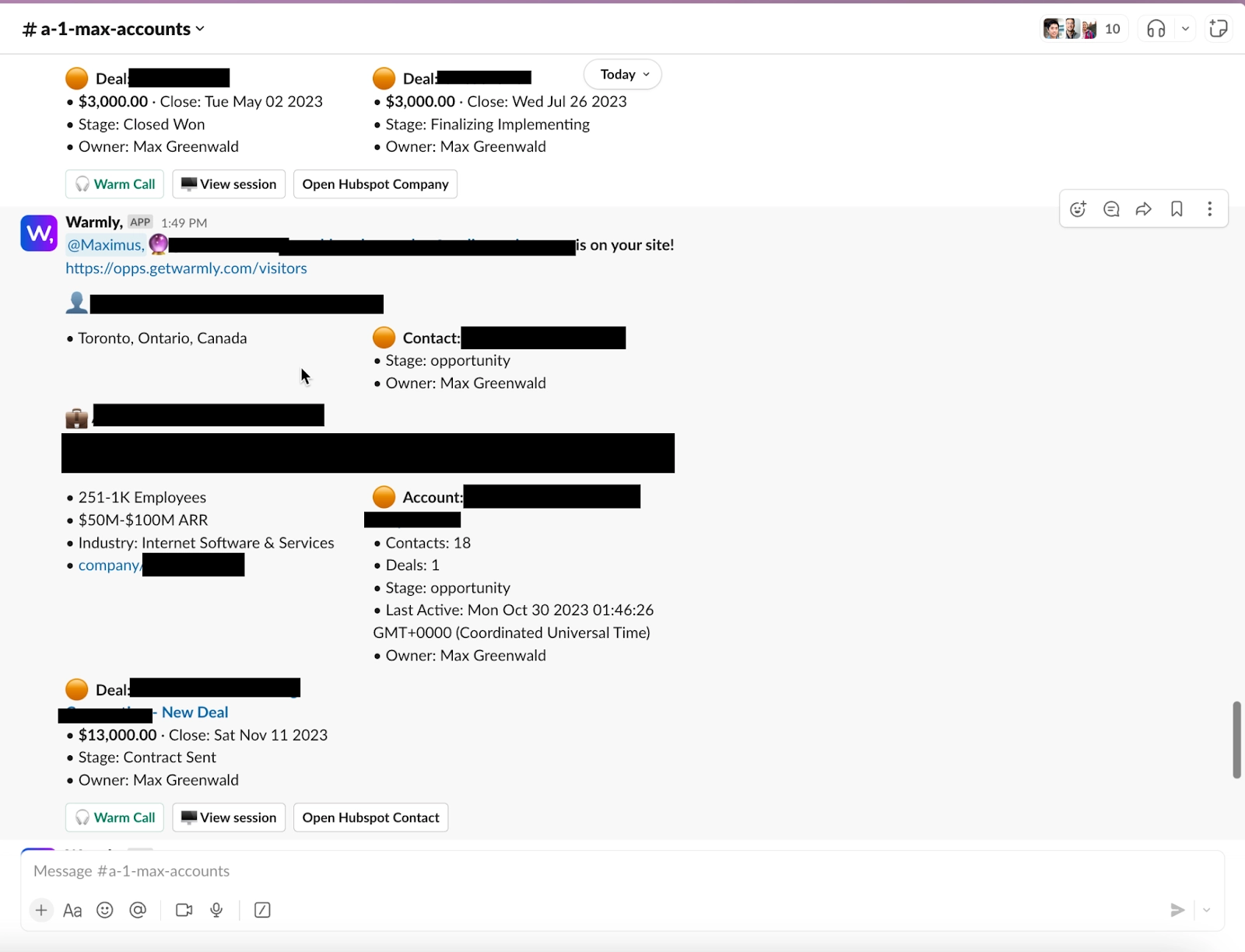
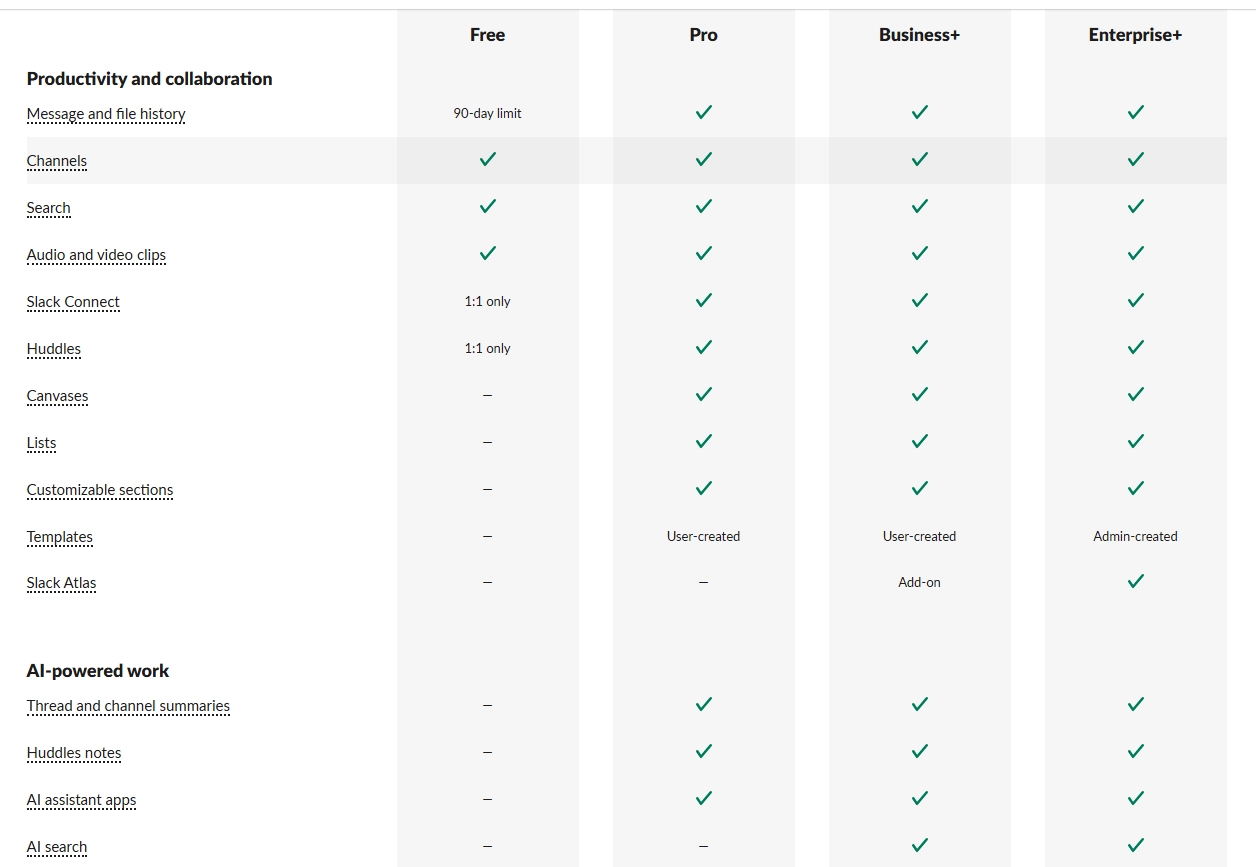
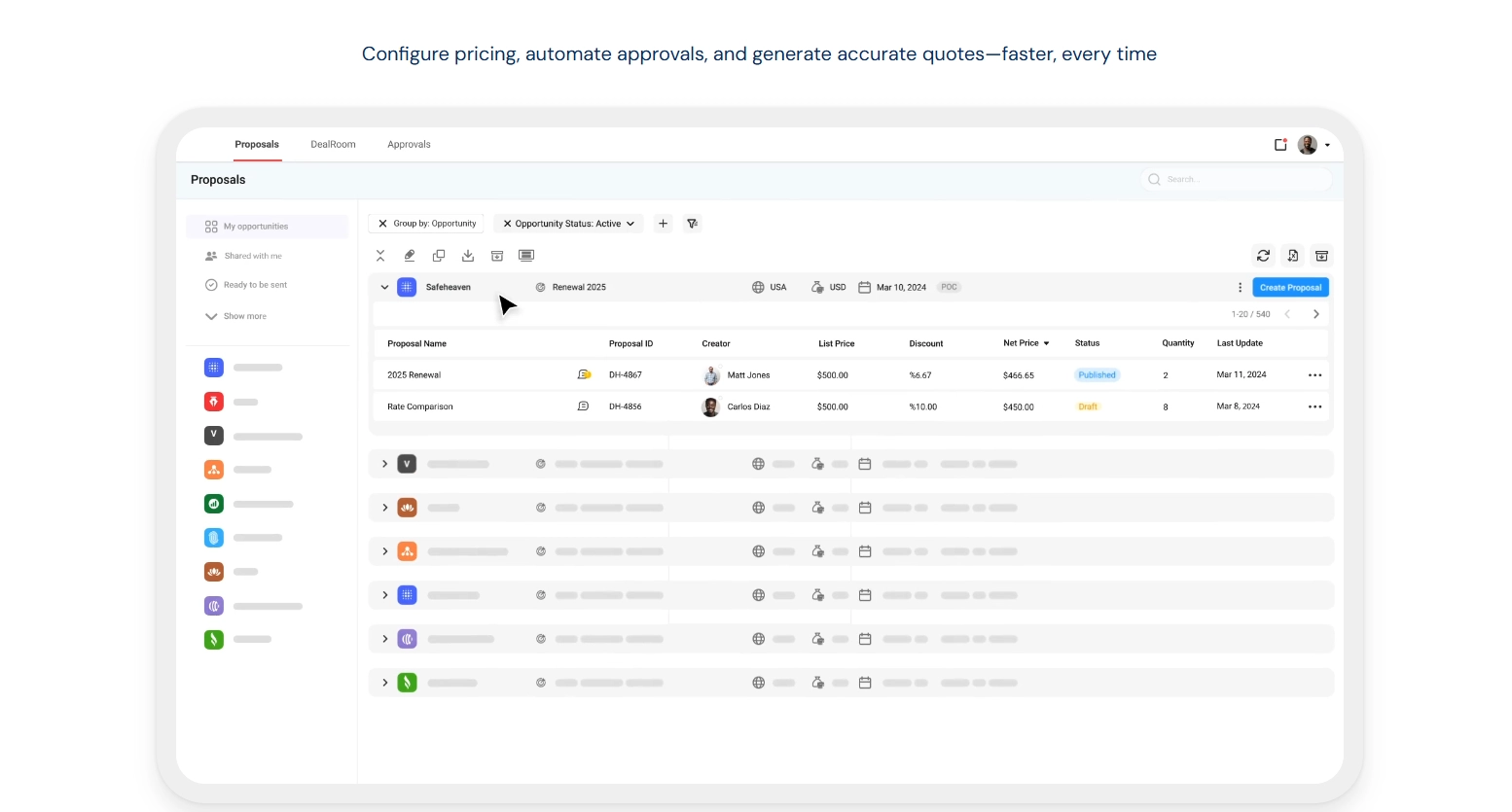
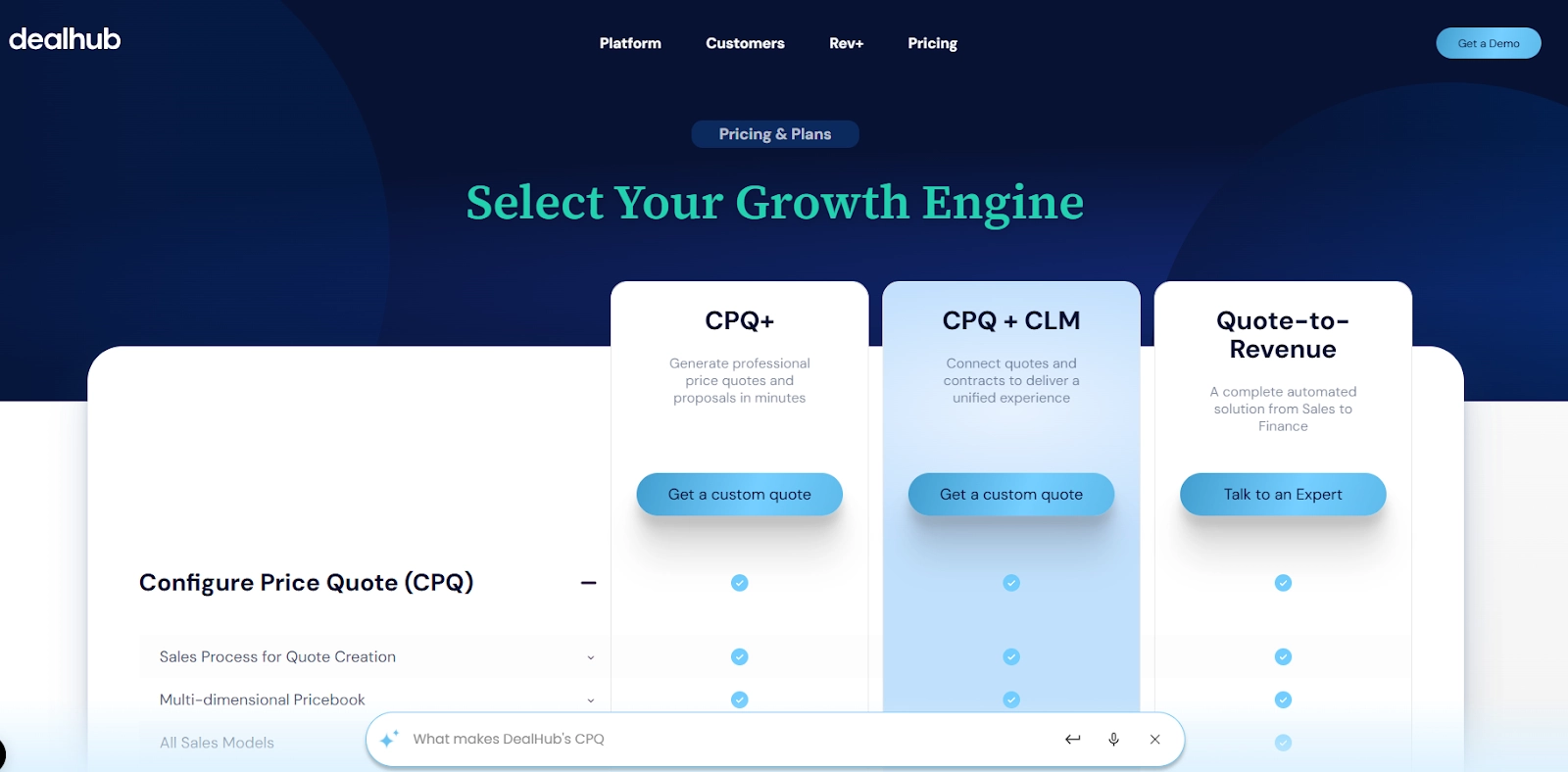
![10 Best RevOps Tools & Software [2026]](https://cdn.prod.website-files.com/6506fc5785bd592c468835e0/68dd0bf27985d8874f5f892c_revops_tools.webp)
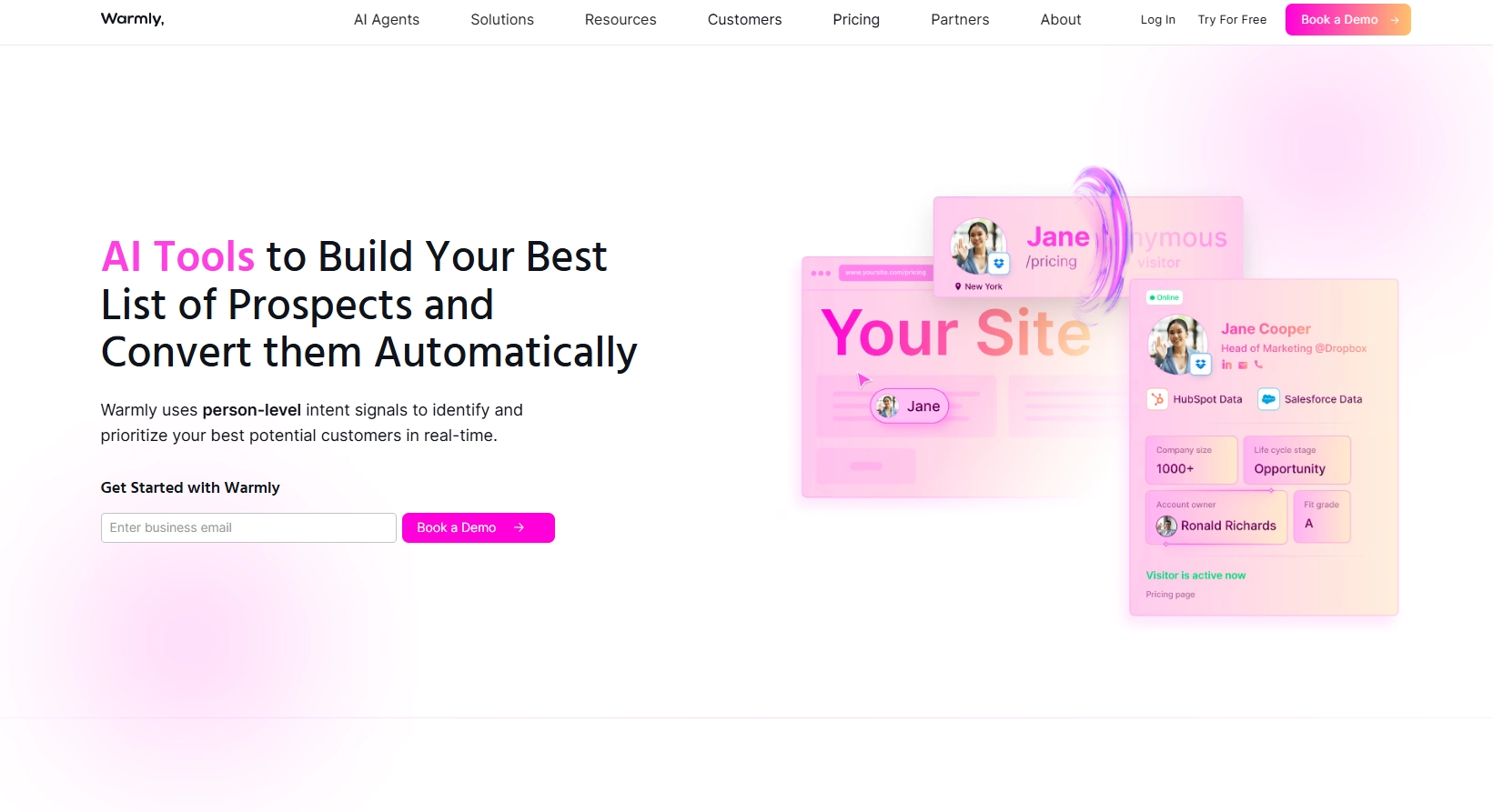

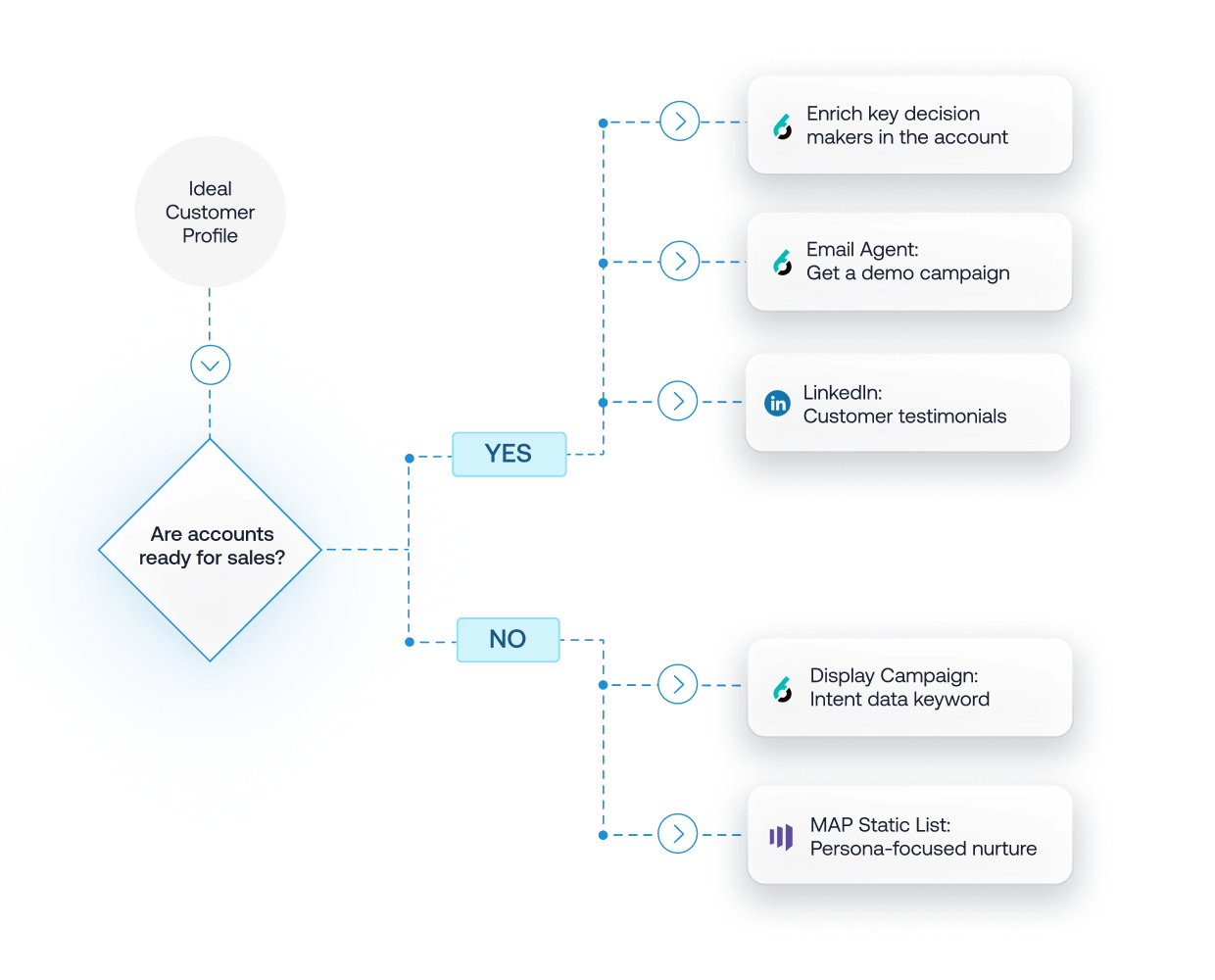

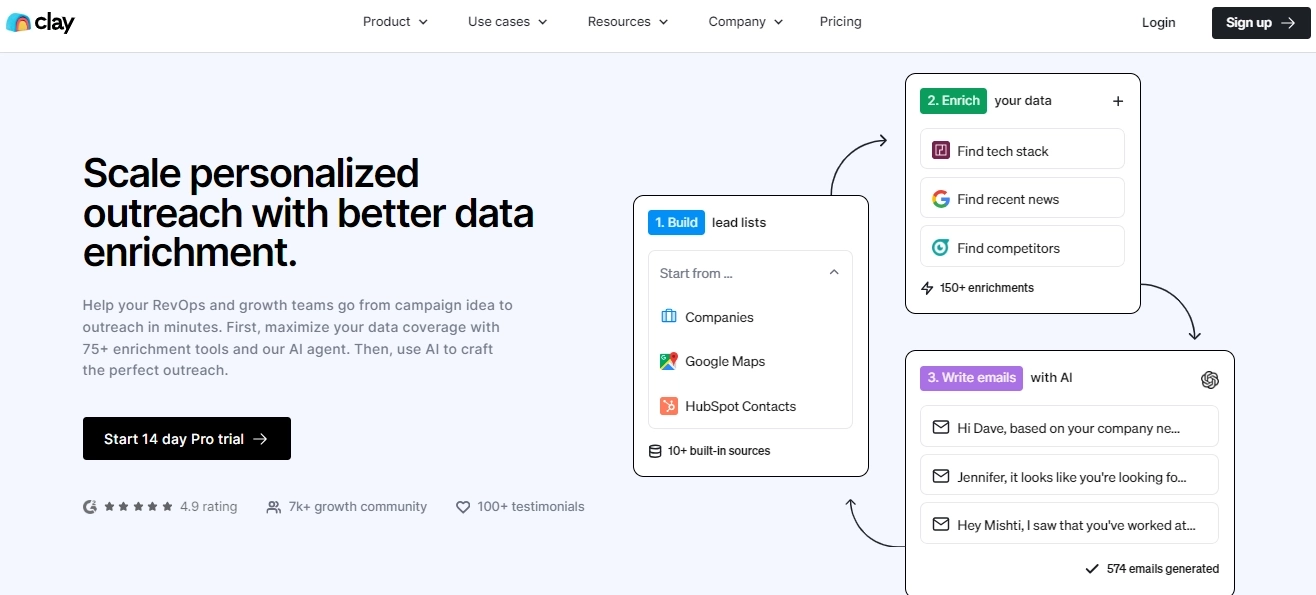
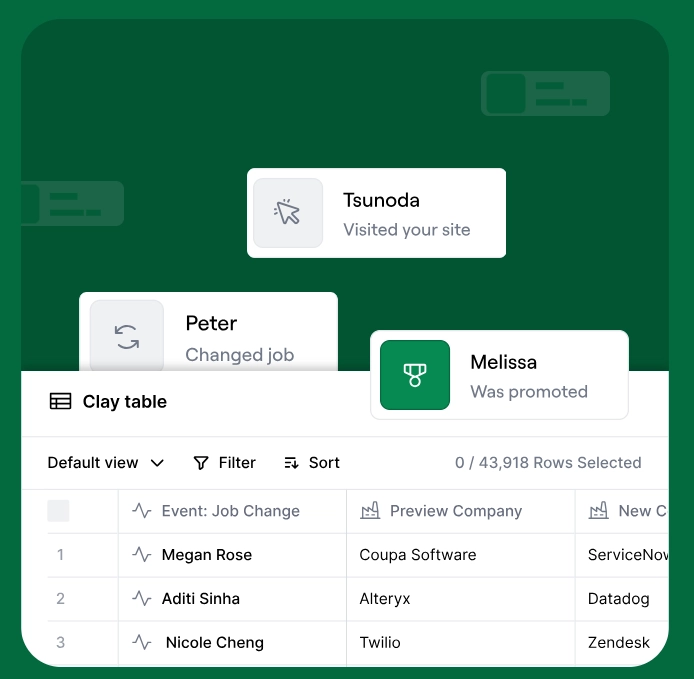
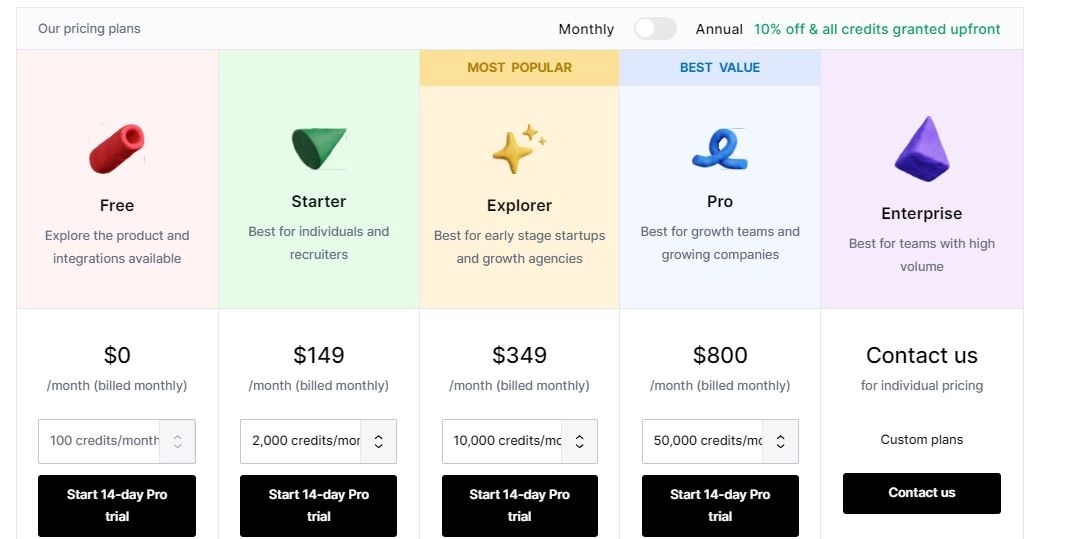

![10 Best Enterprise Sales Tools & Software [2026]](https://cdn.prod.website-files.com/6506fc5785bd592c468835e0/68dd090d9421e488bd21266d_enterprise_sales_software.webp)